May 2019 Newsletter

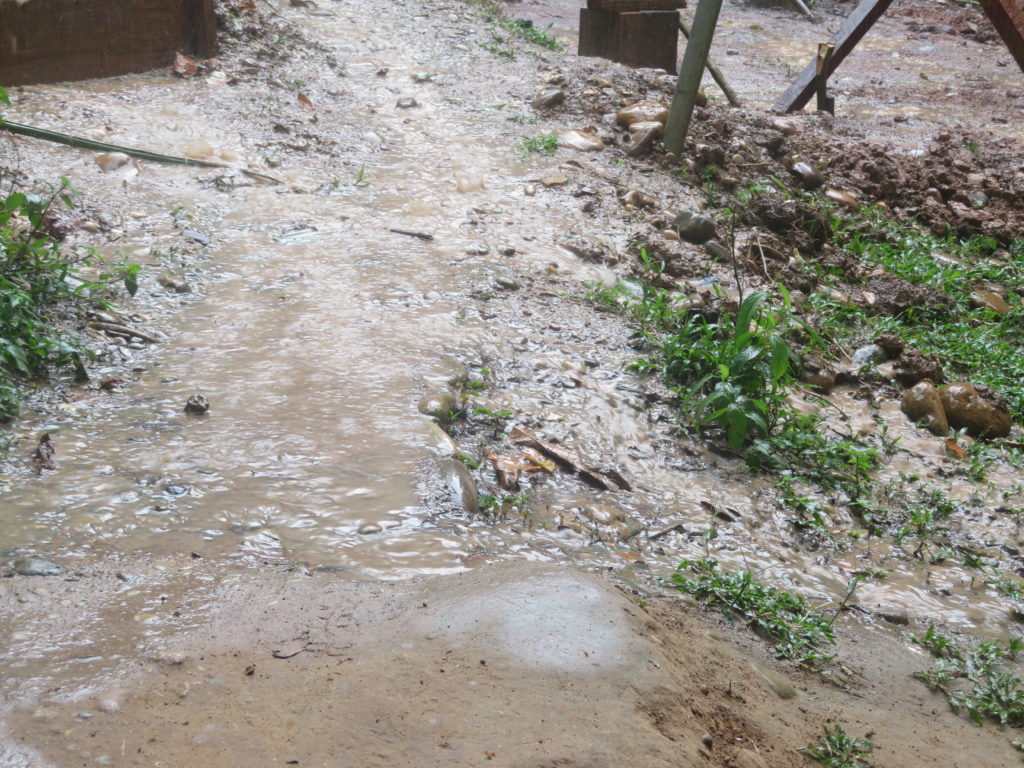
Not a lot of rain this month 😉

Variety is said to be the spice of life, and May delivered it in abundance. Side projects were completed, new animals arrived, animals were released and so much more. Keep reading for all the latest news from EV…


Monkeys

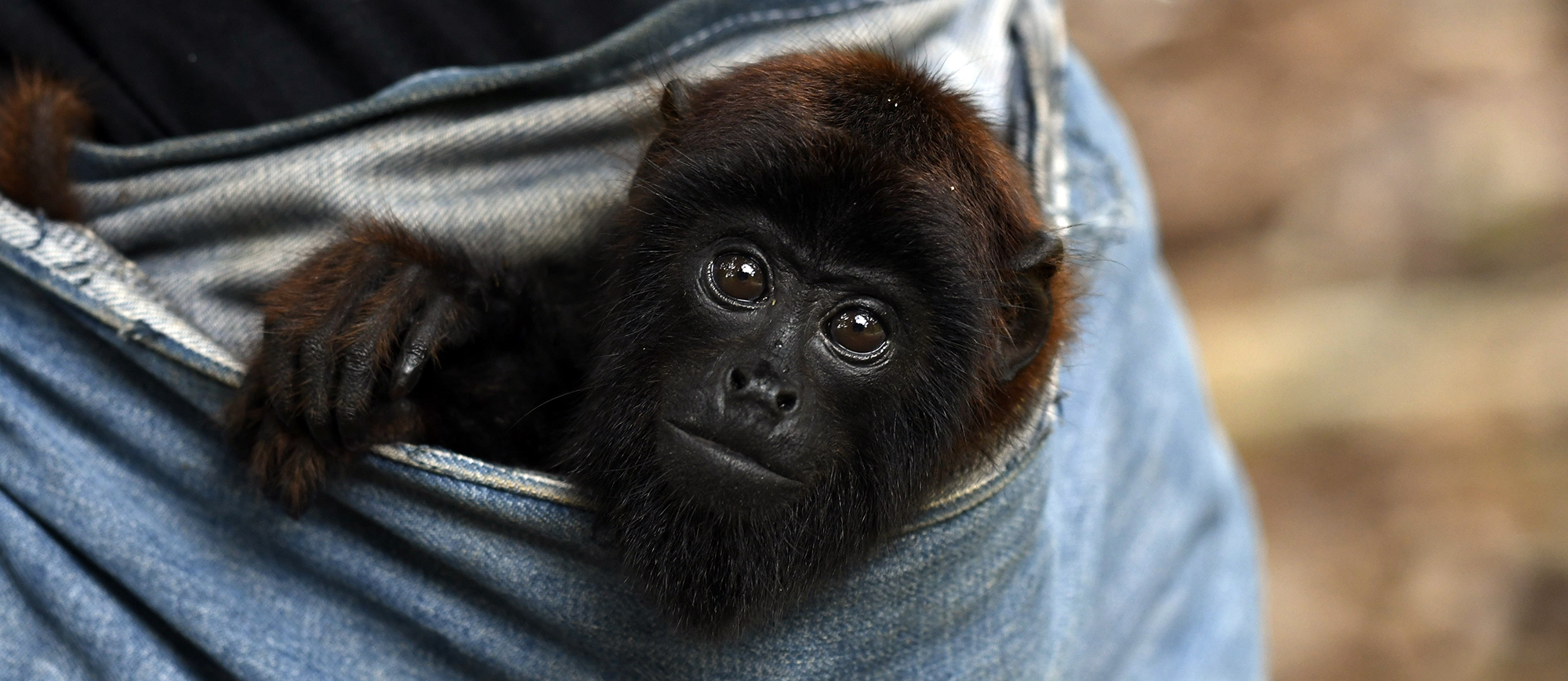
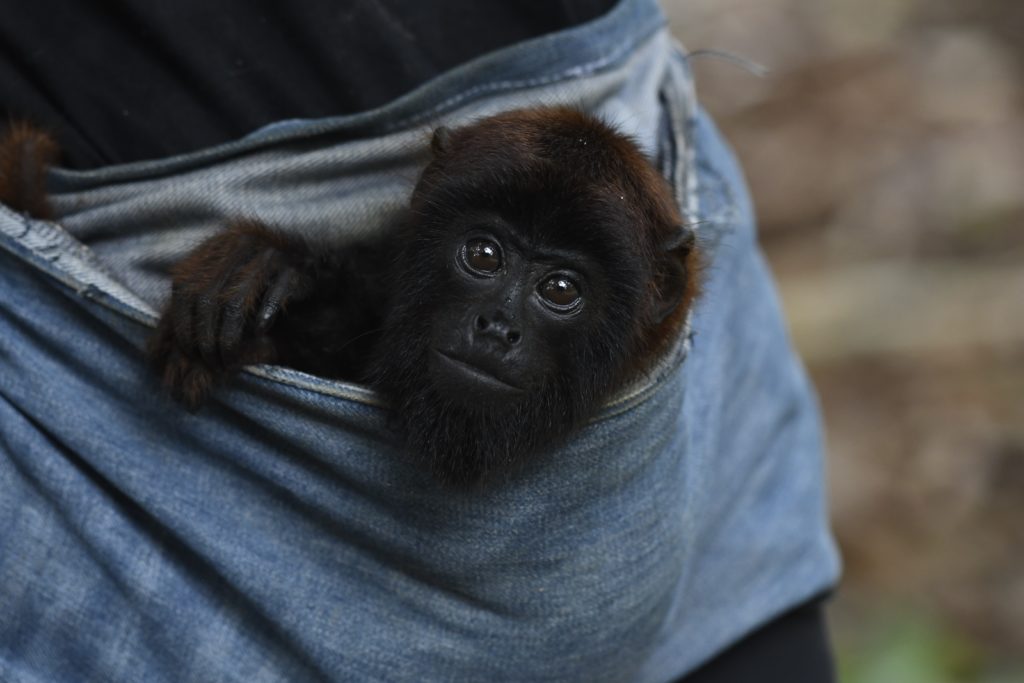
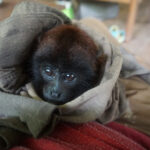
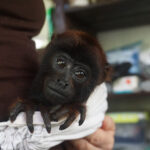
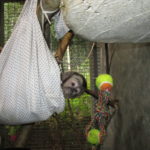
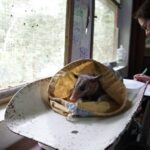
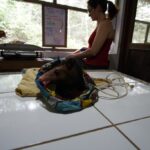
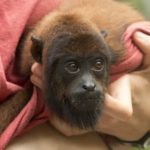
Armando, carried as a baby in a bellypoach

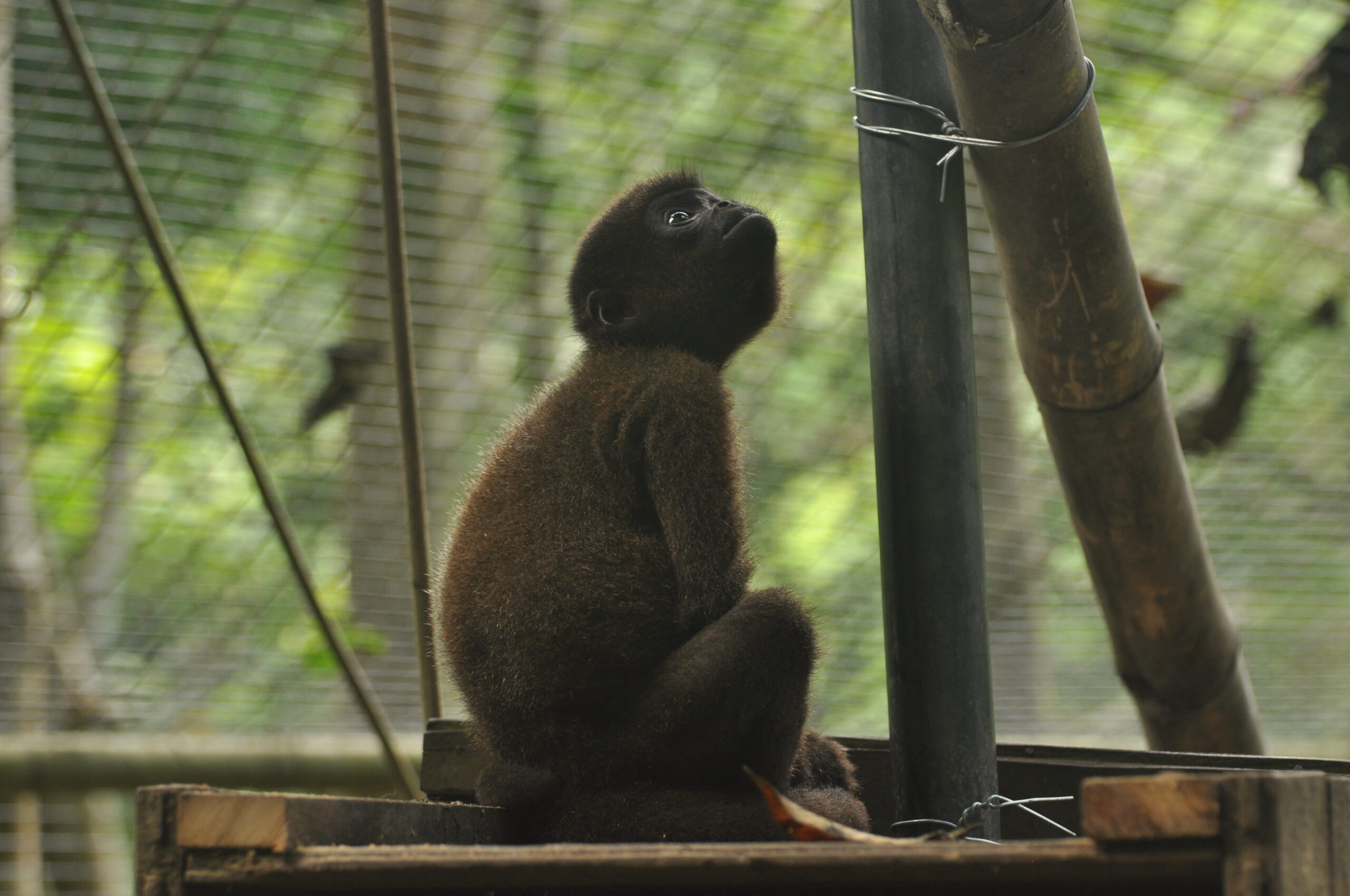
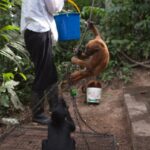
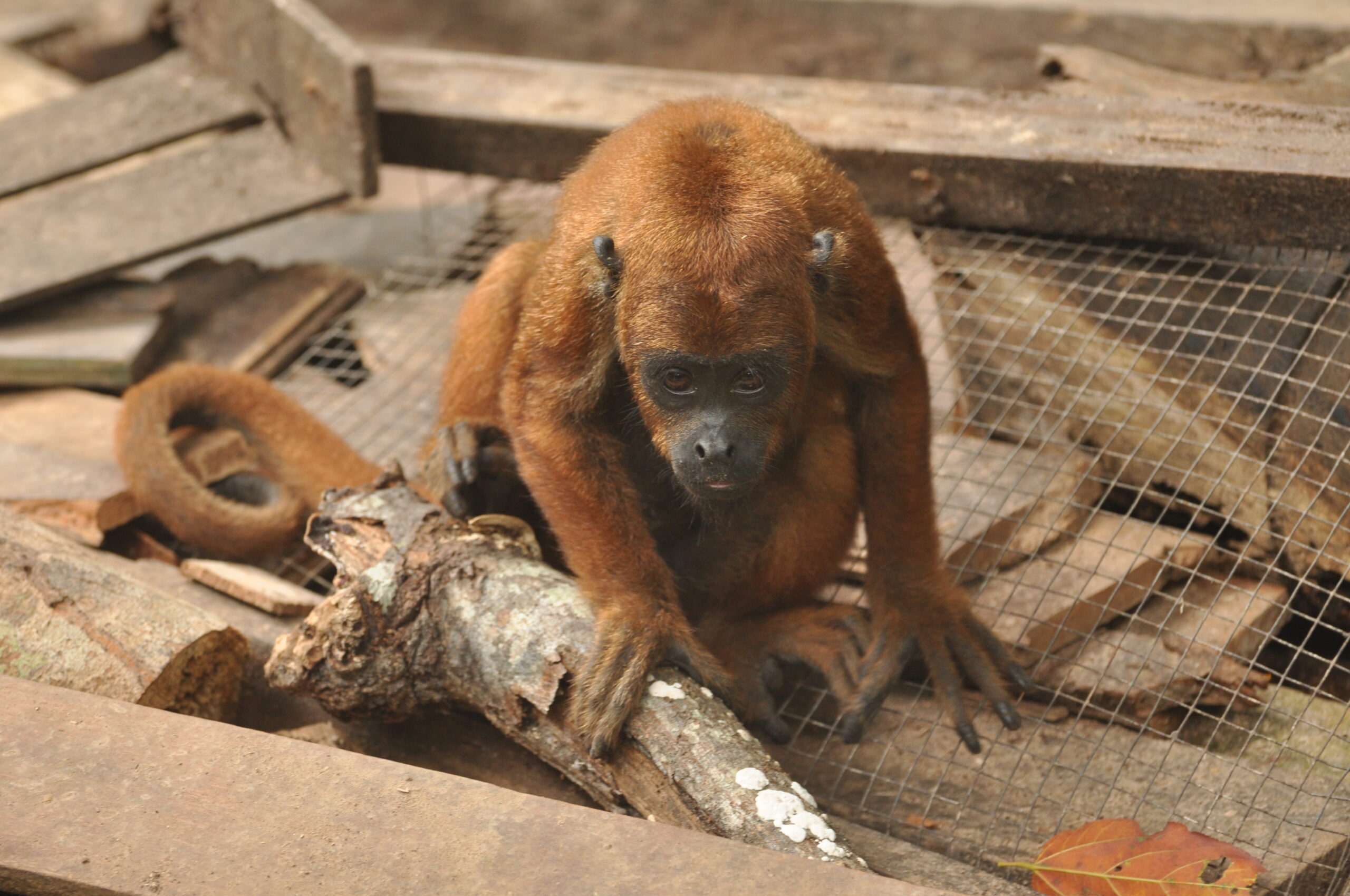
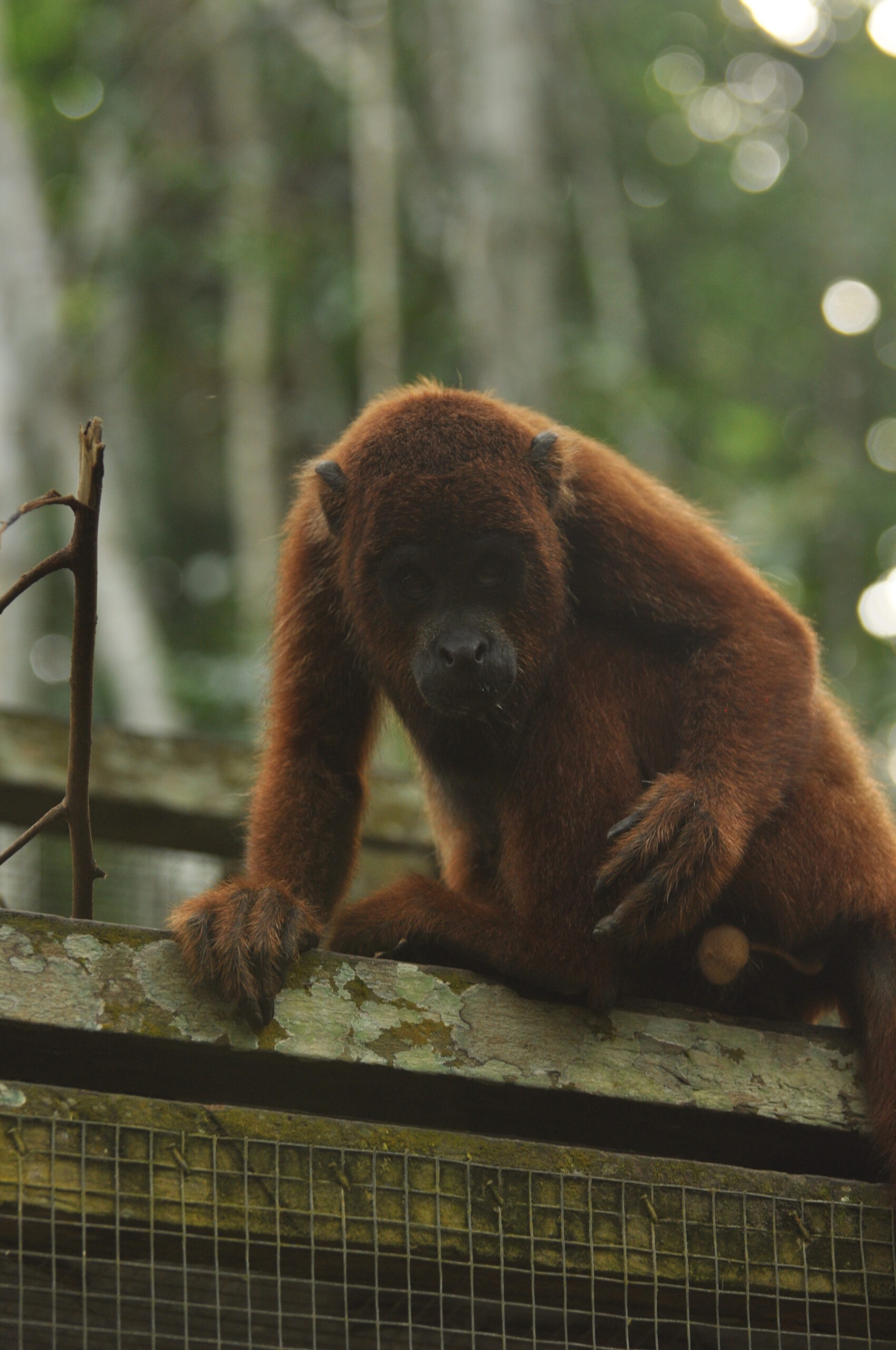
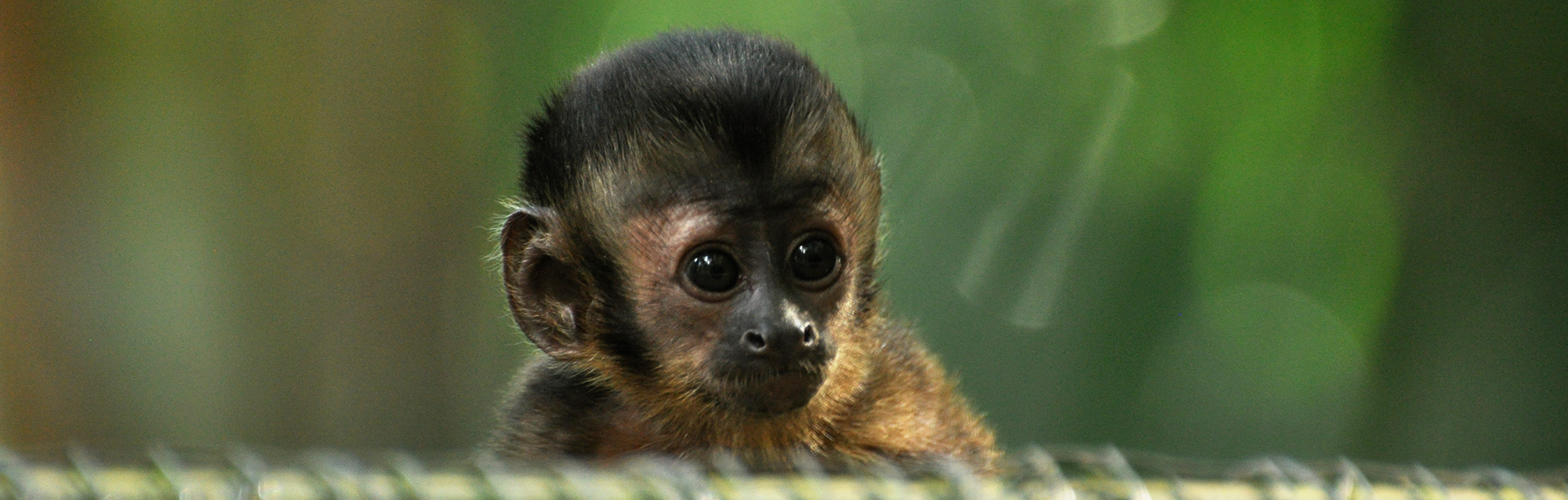
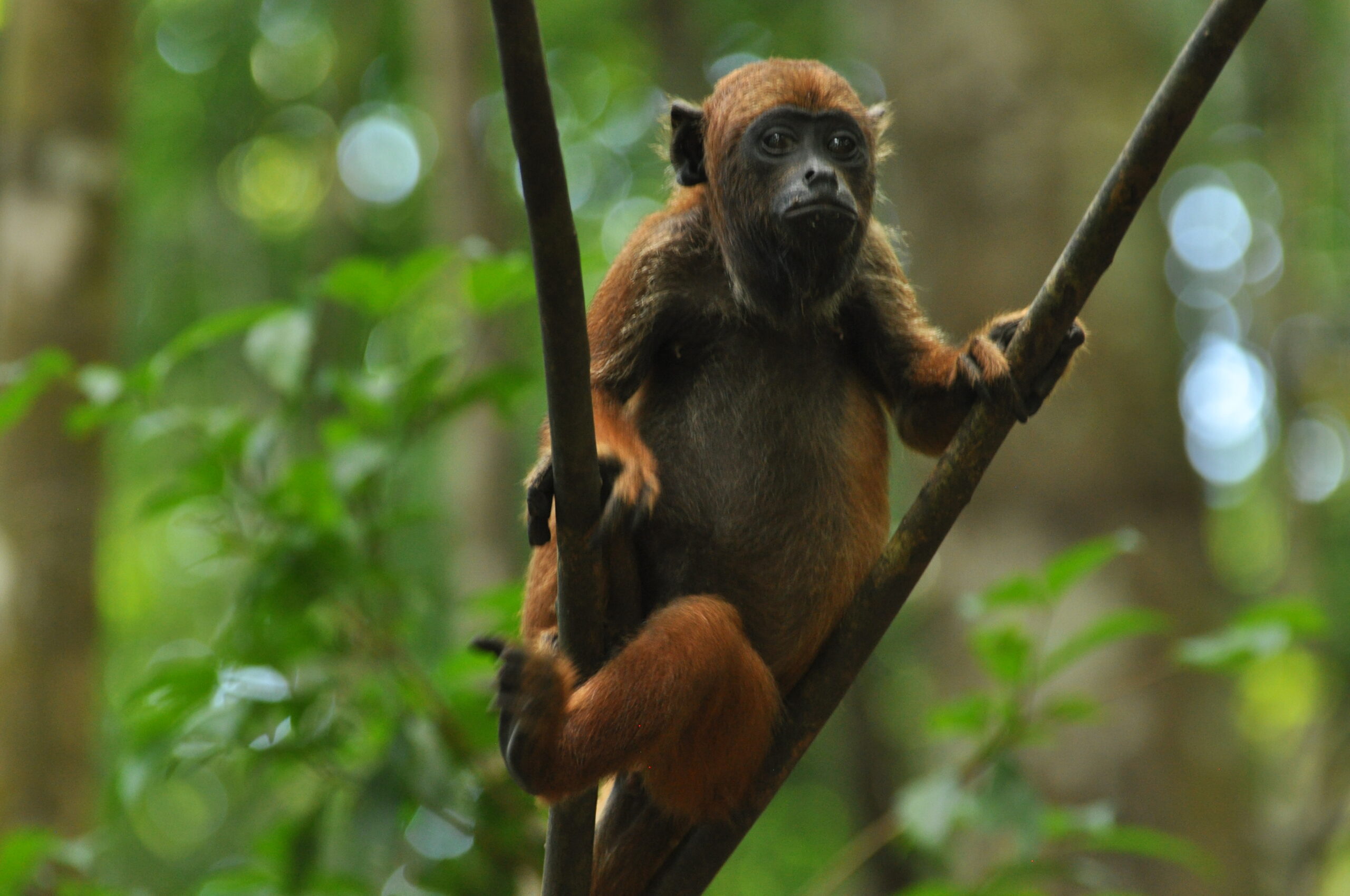
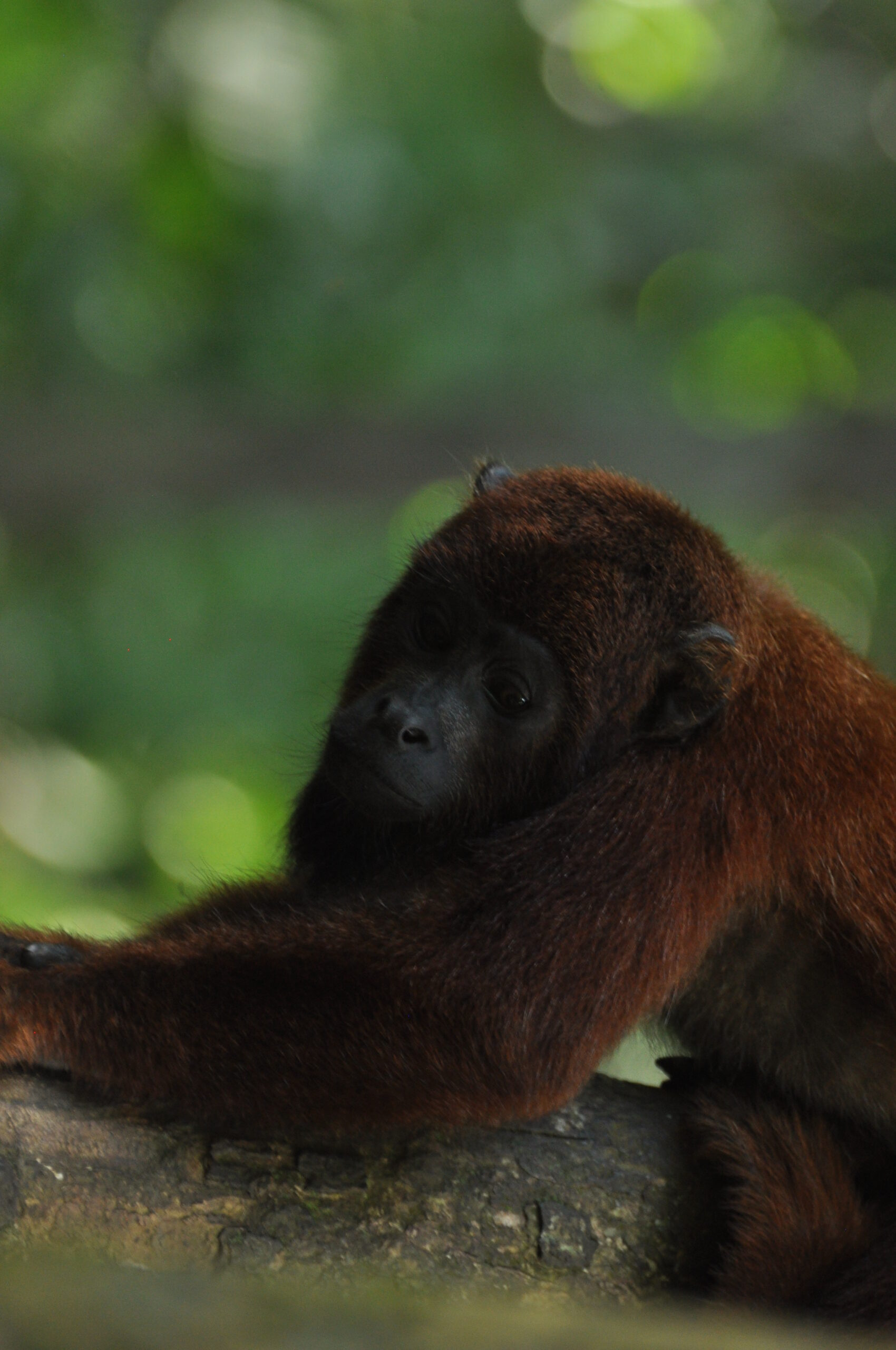
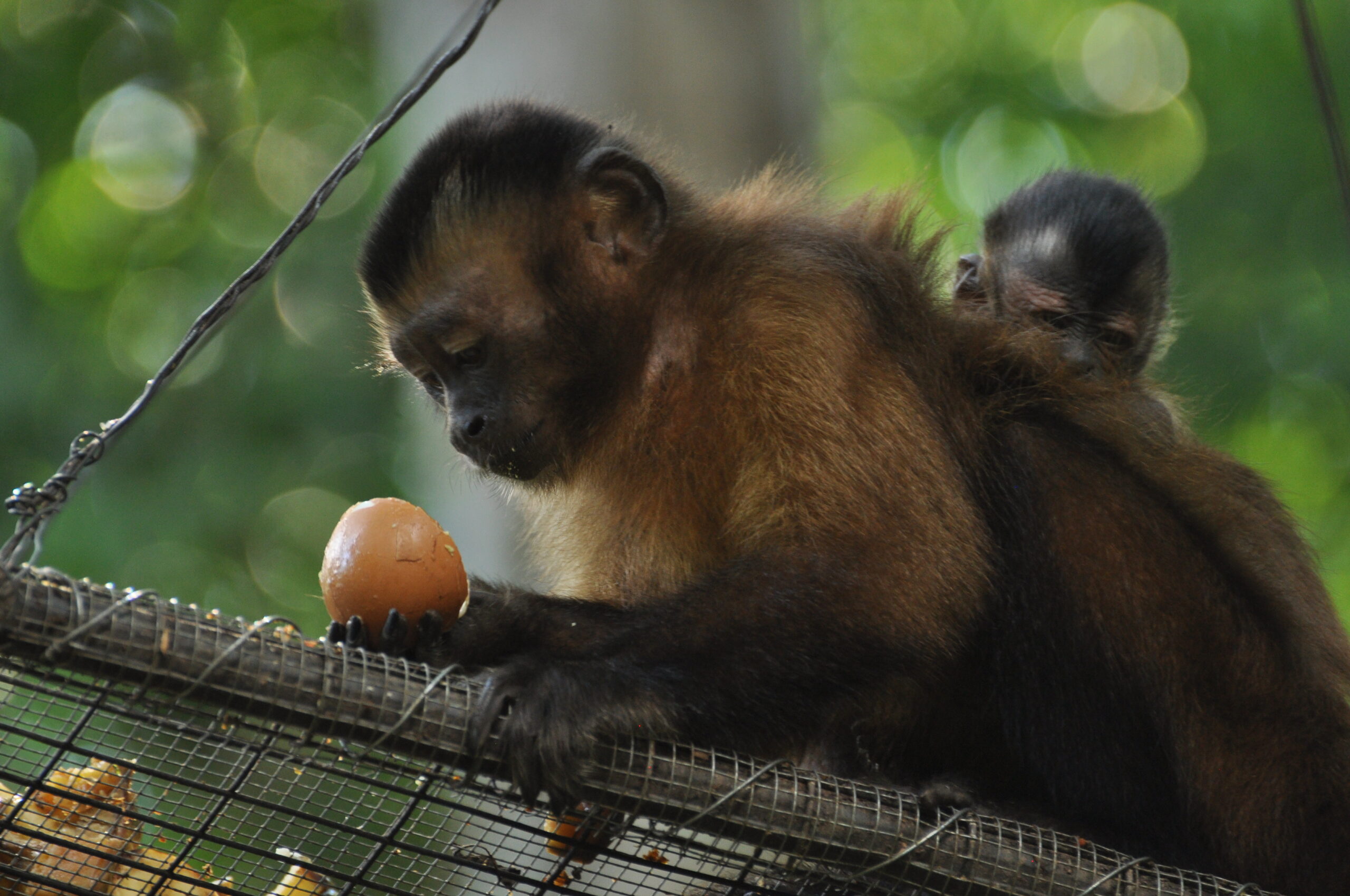
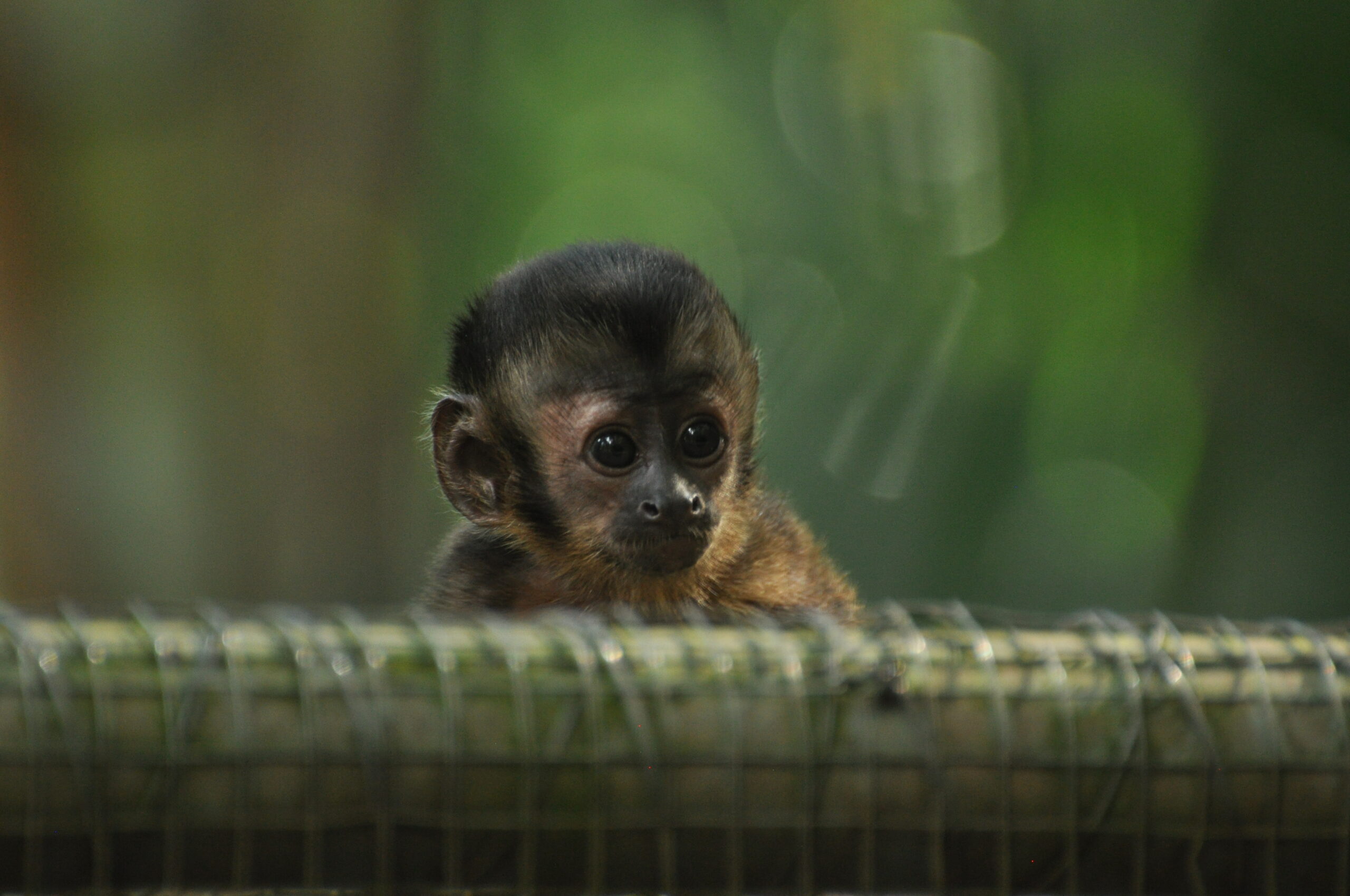
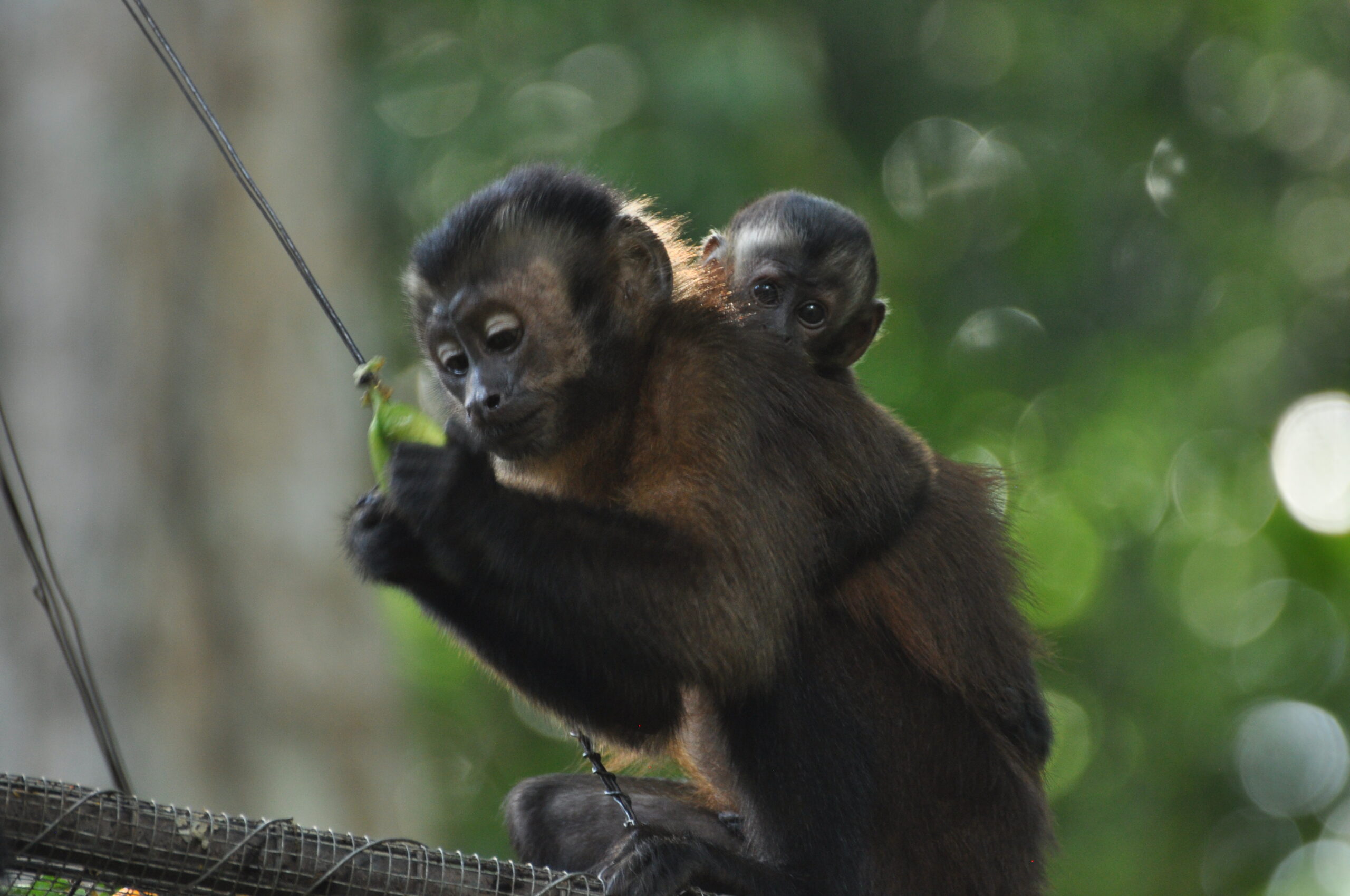
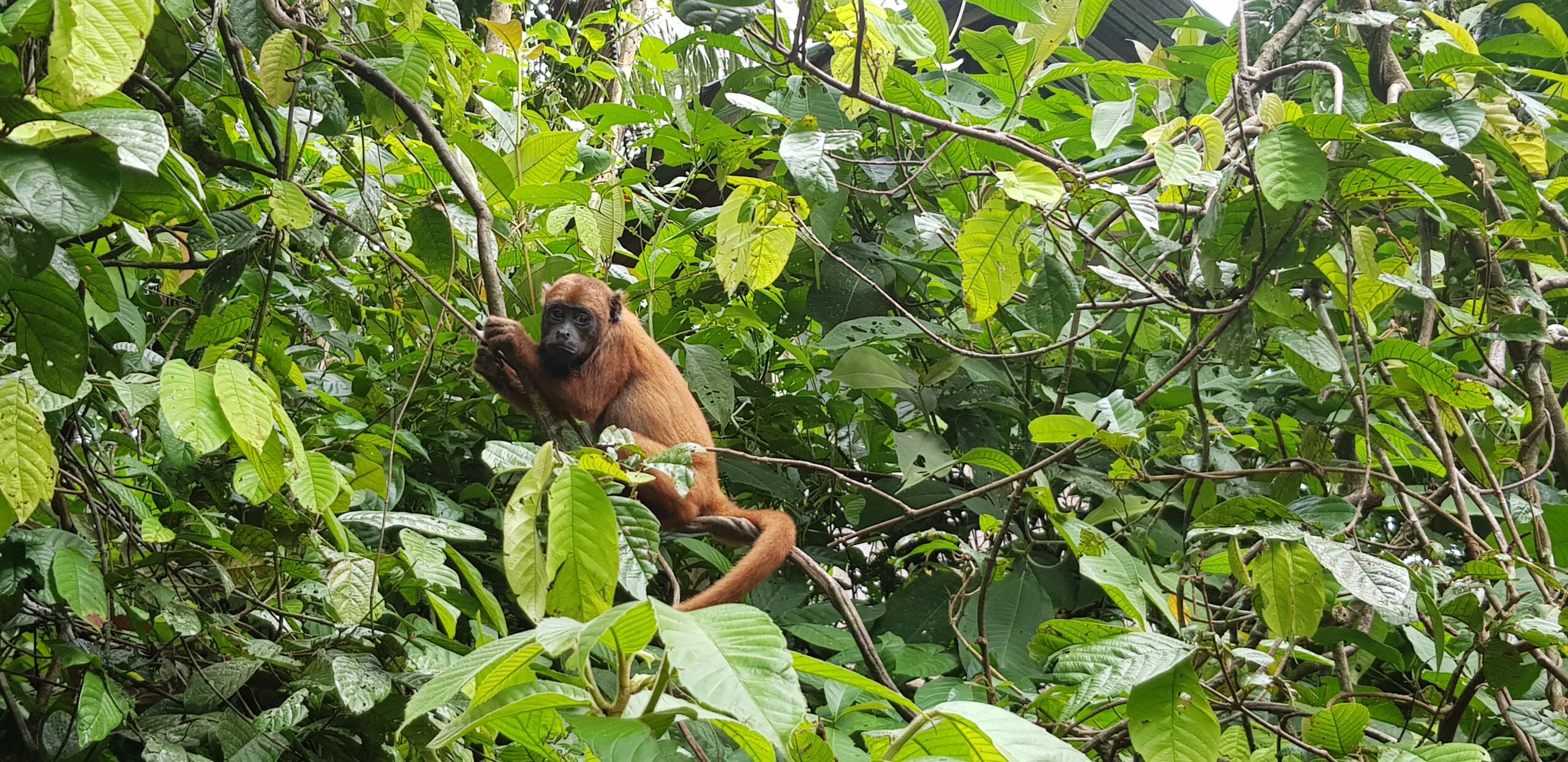
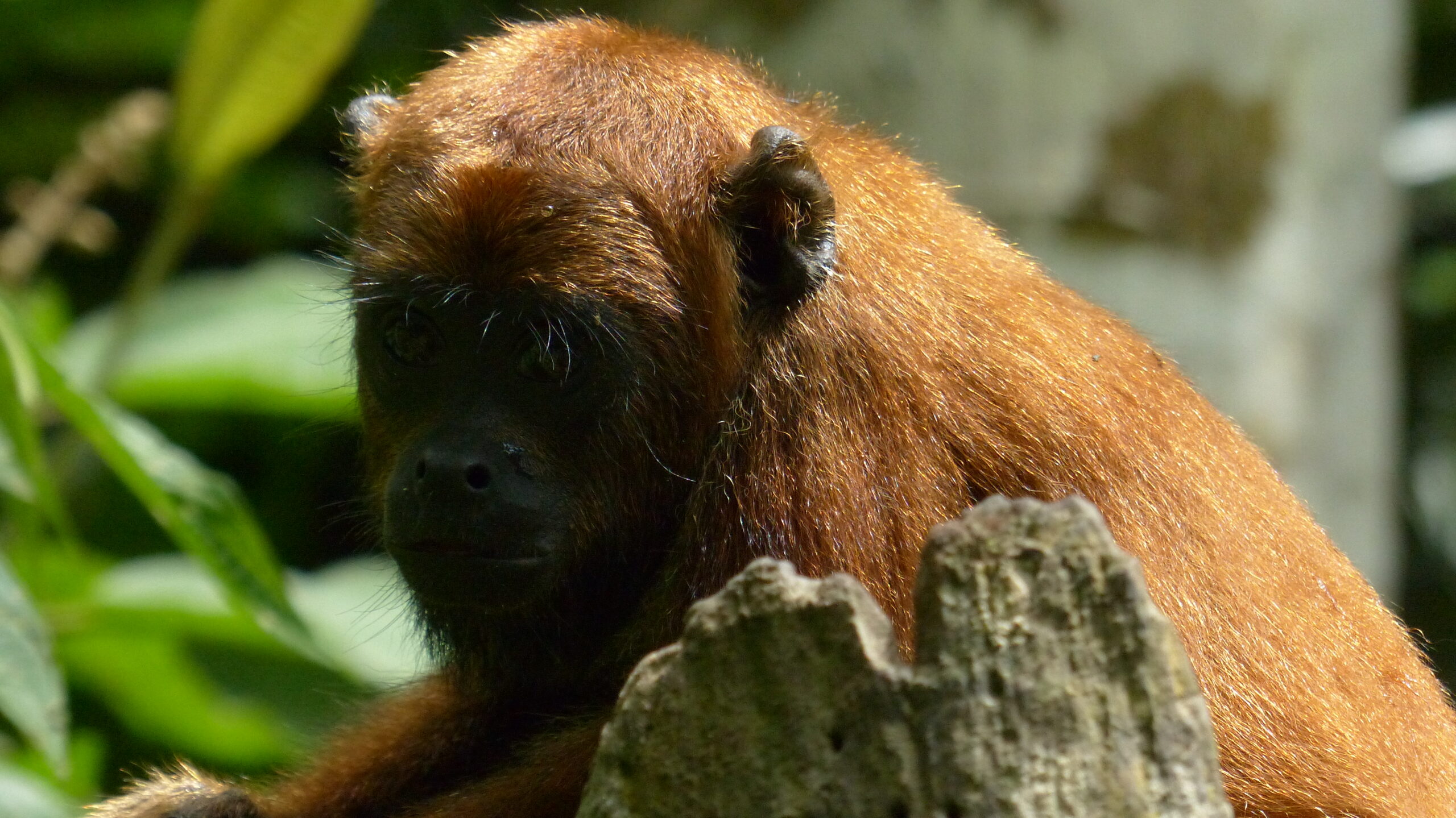
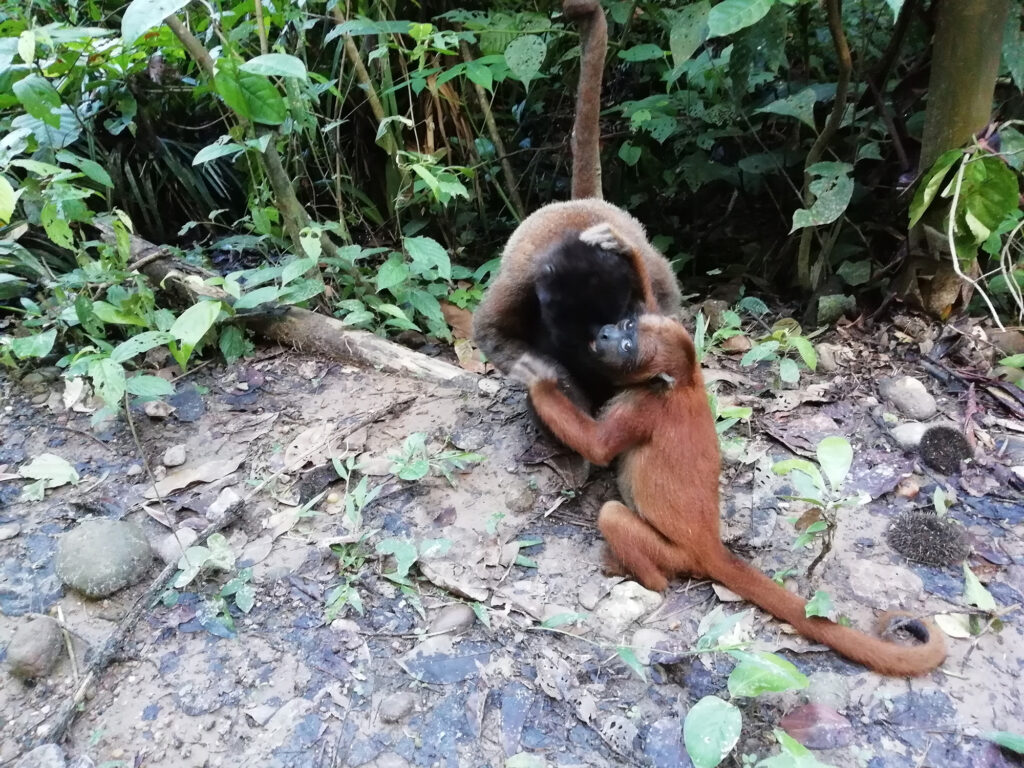
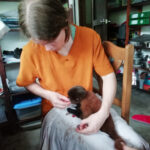
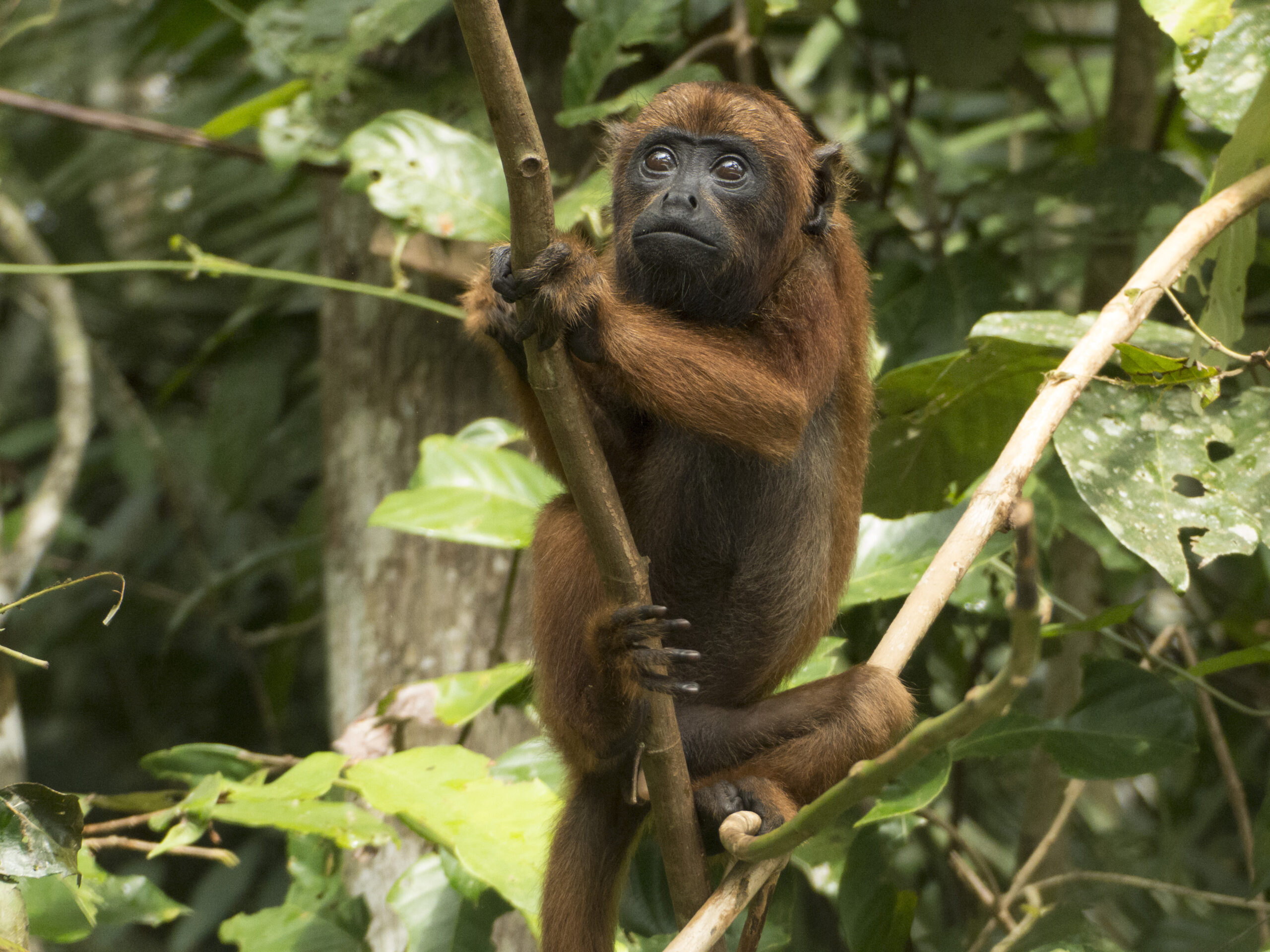
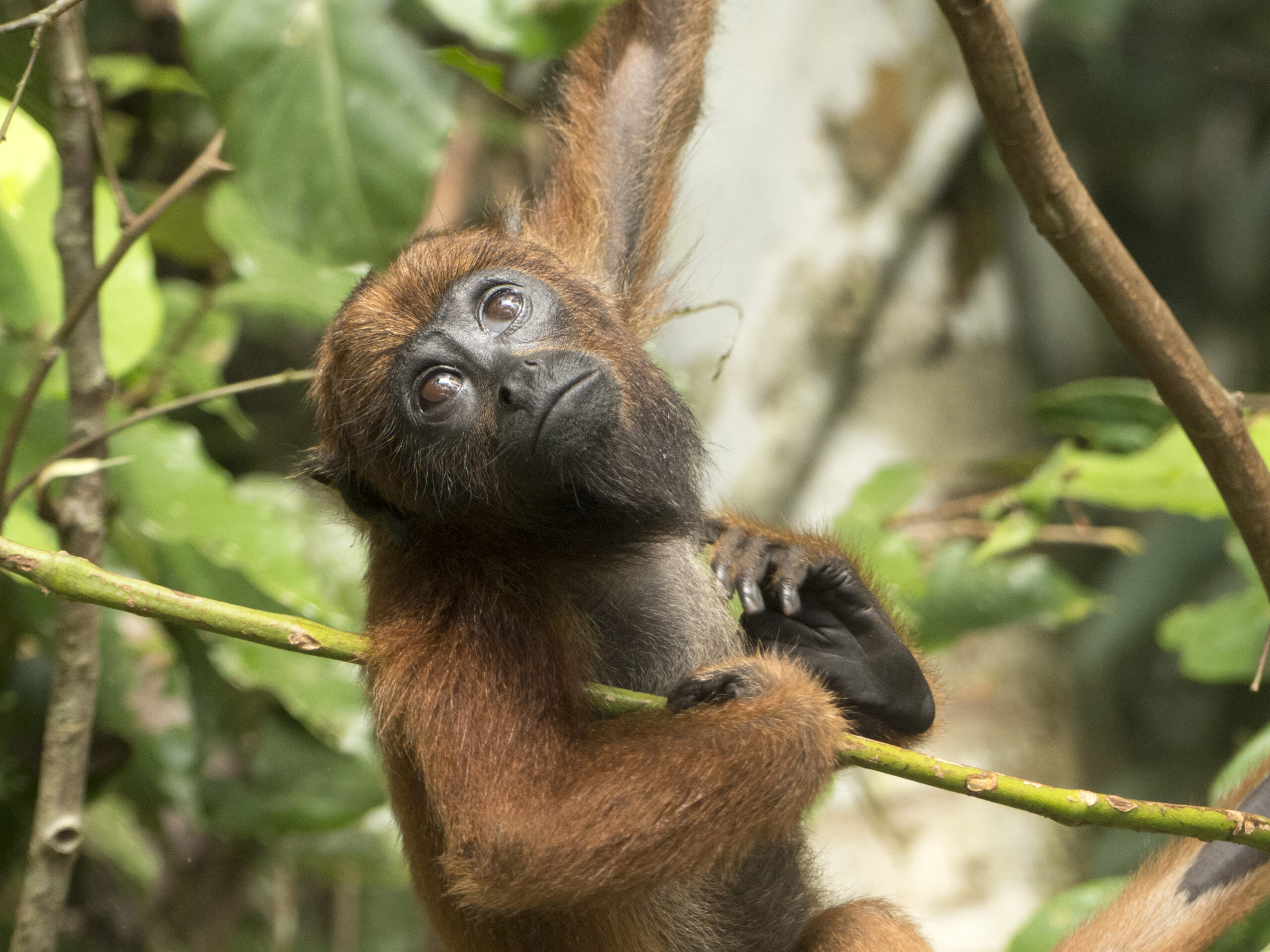
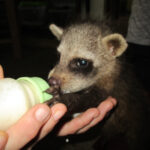
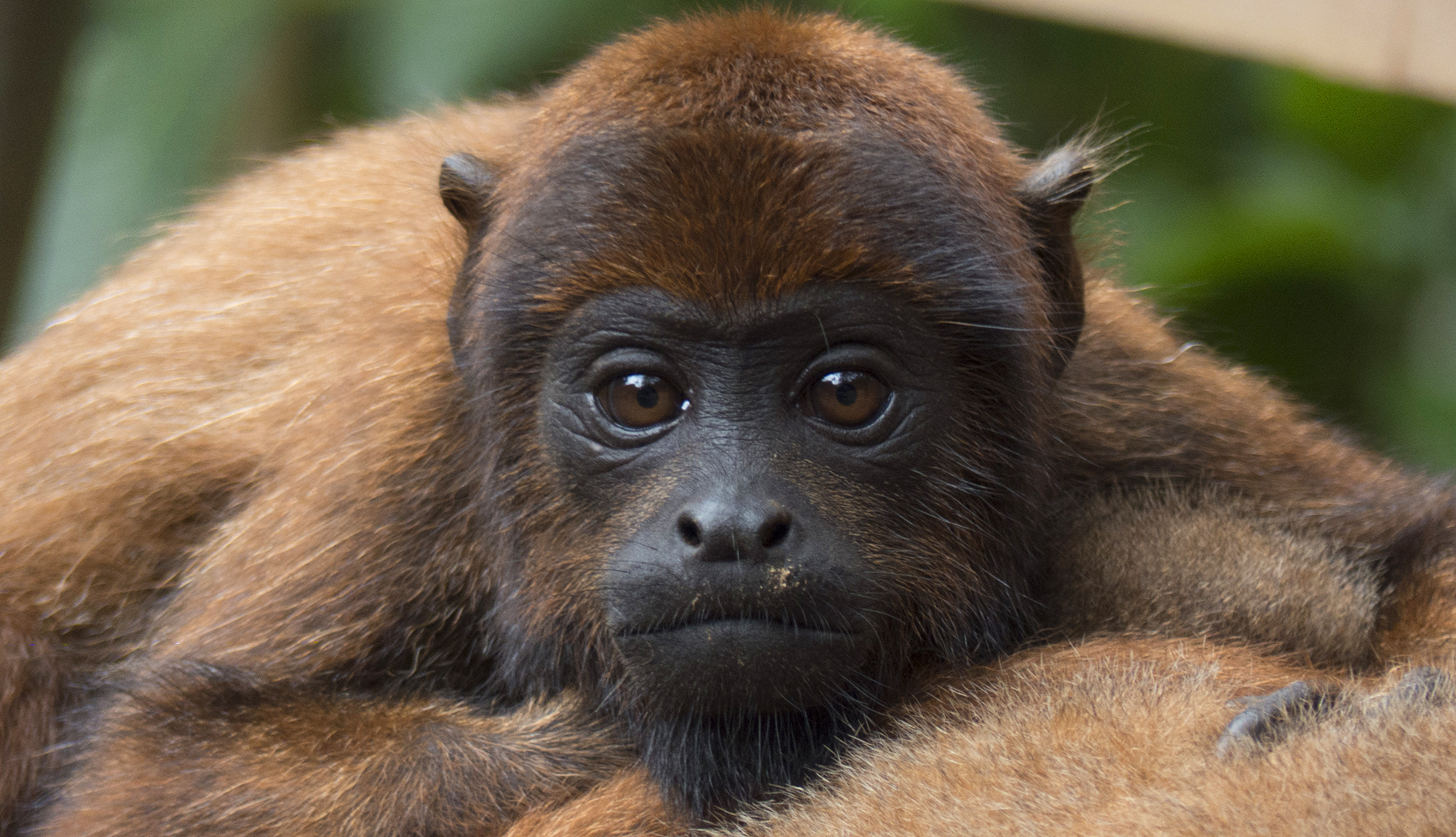
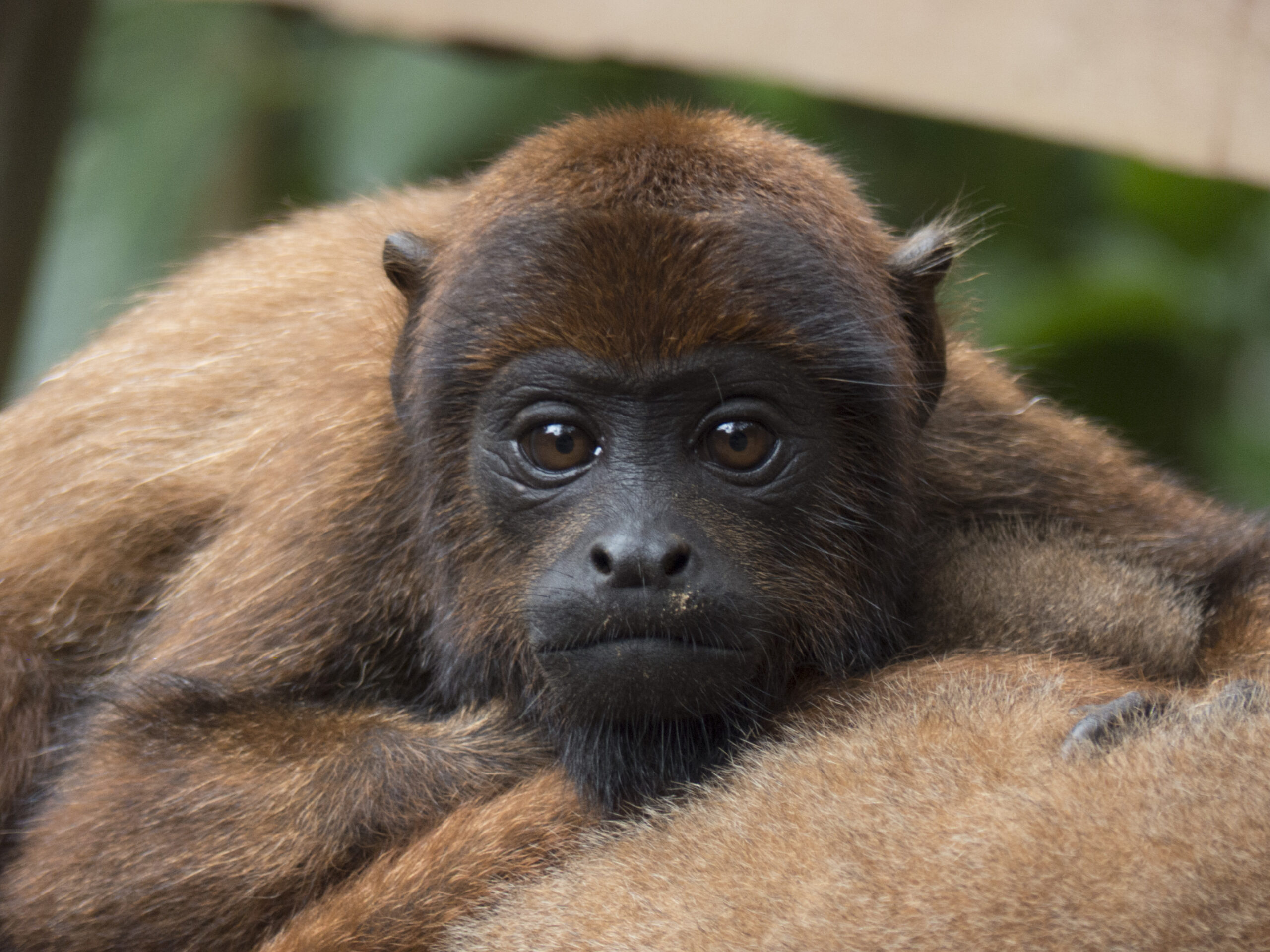
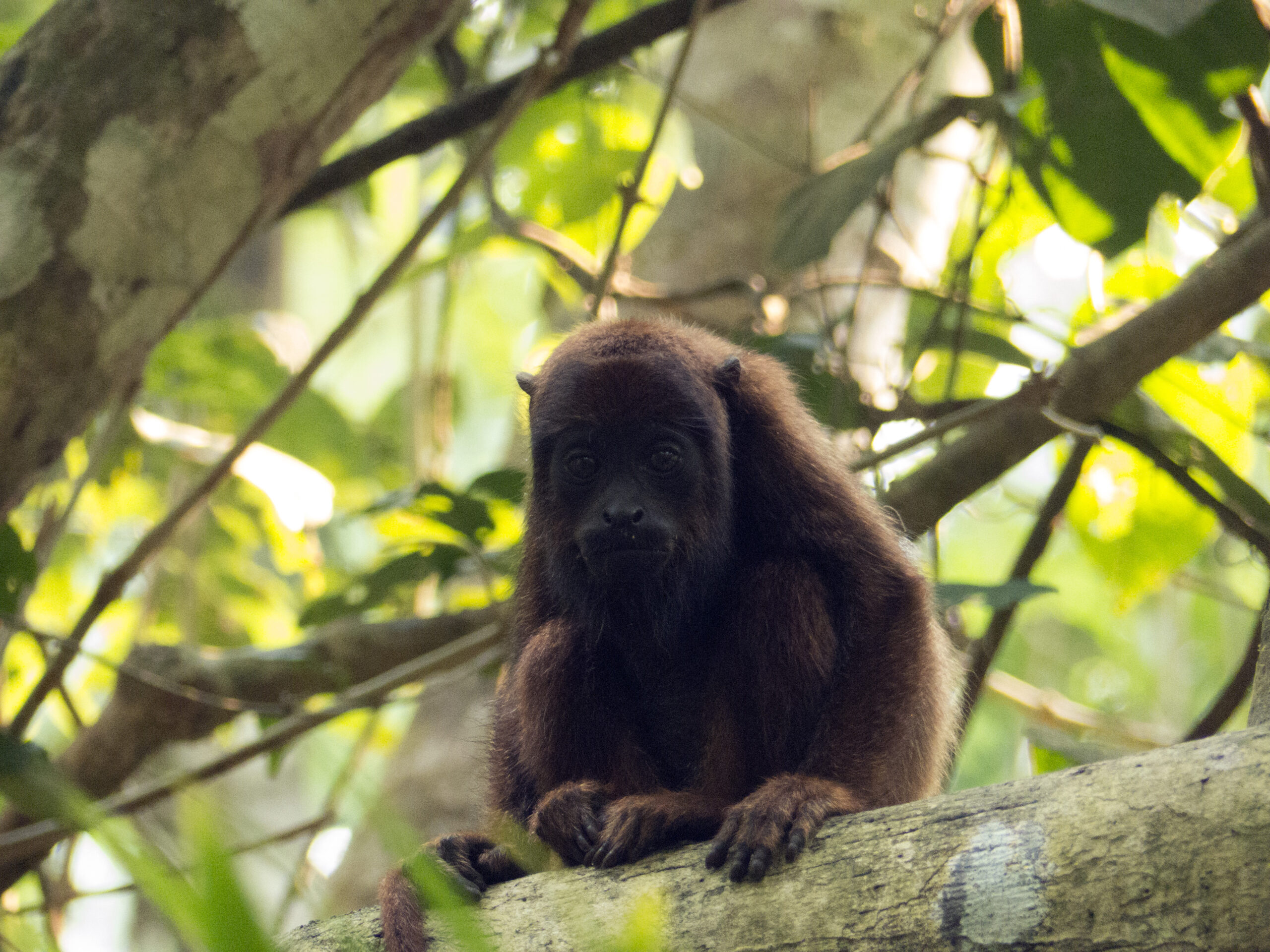
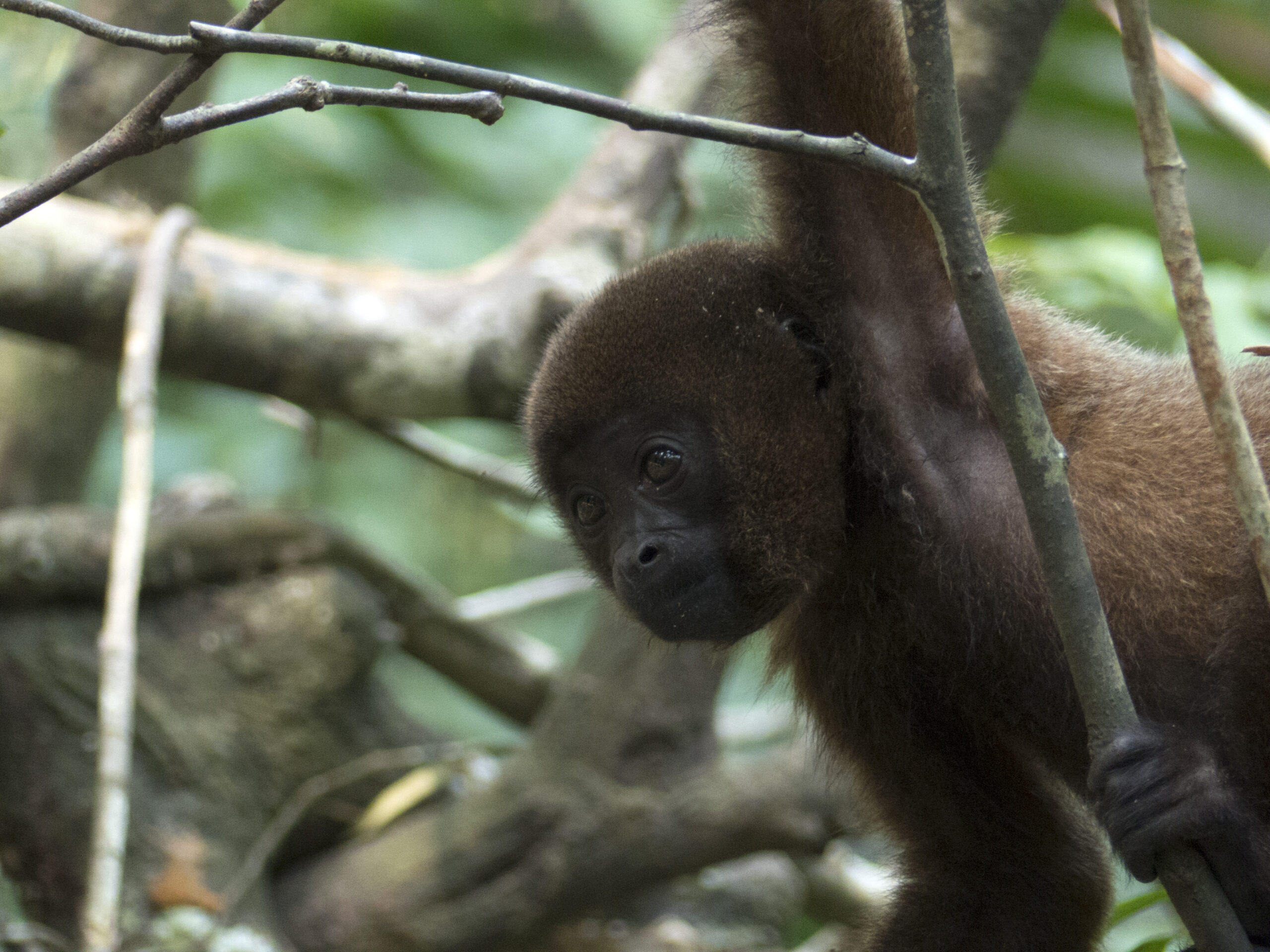
Armando (male howler monkey) is still under intense supervision but he is becoming more independent each day. He has a dedicated volunteer looking after him at all times and he is regularly taken to the plantation and port to look for leaves. Leaves are a vital part of howlers diet and he already has his favourites. The younger leaves are the best! Armando also spends an hour each day in the Pepe enclosure to give him some independence and to learn to feed himself from the food tables. We have raised several howler monkeys over the years and but so far Armando is proving to be the fastest learner. We hope that it won’t be too long before he joins the rest of the monkey troop in the jungle!

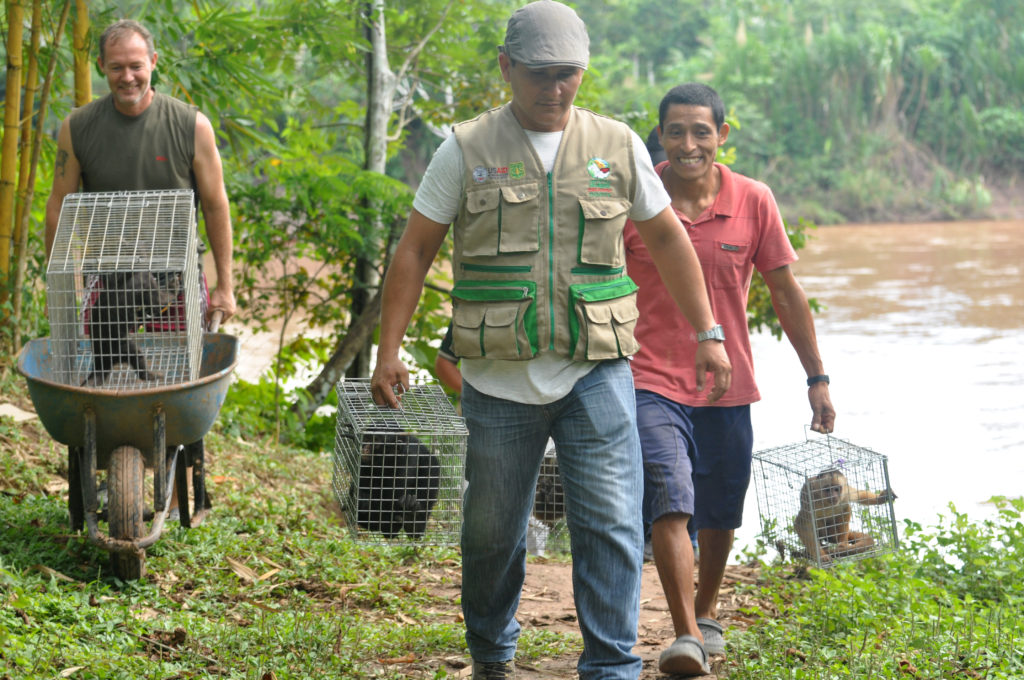
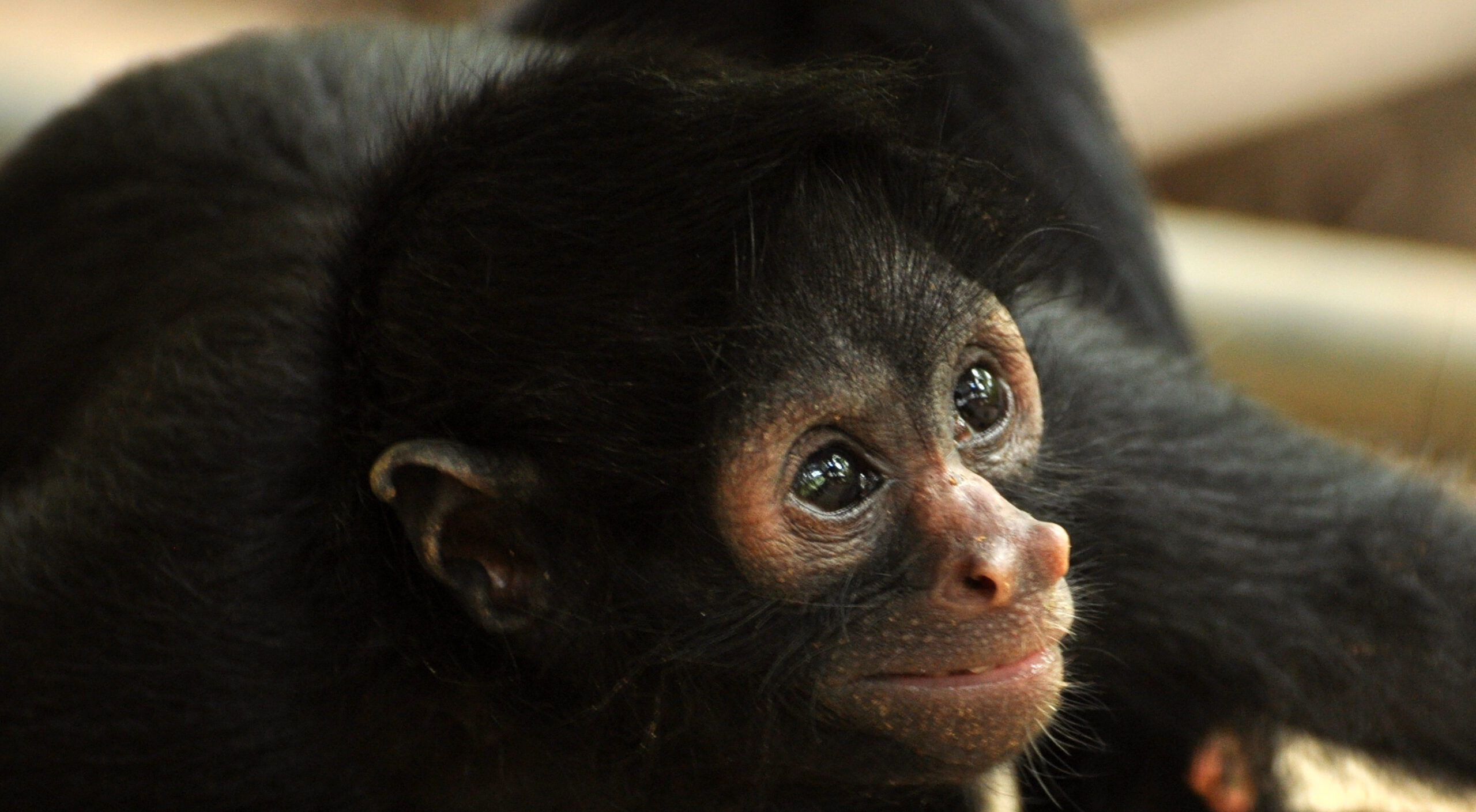
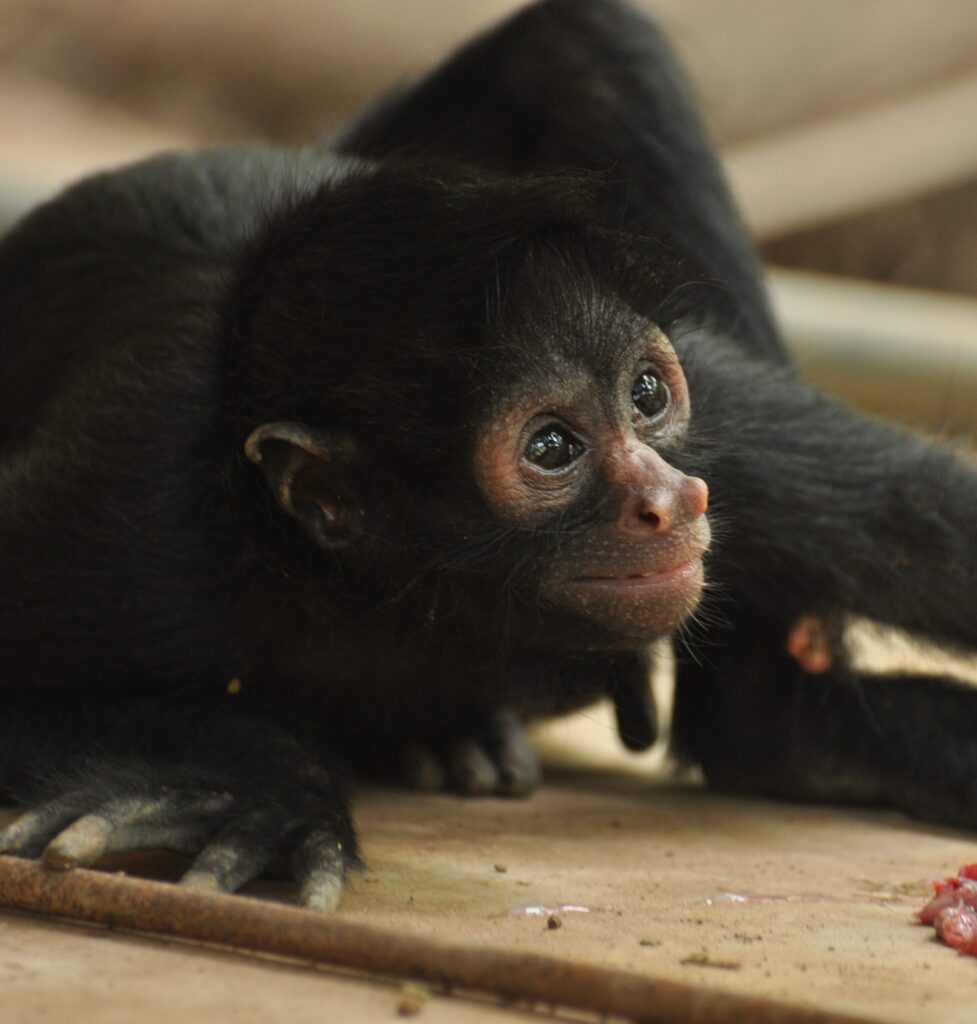
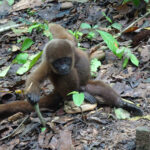
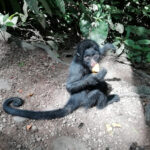
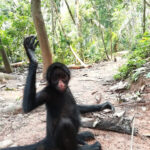
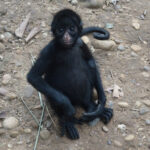
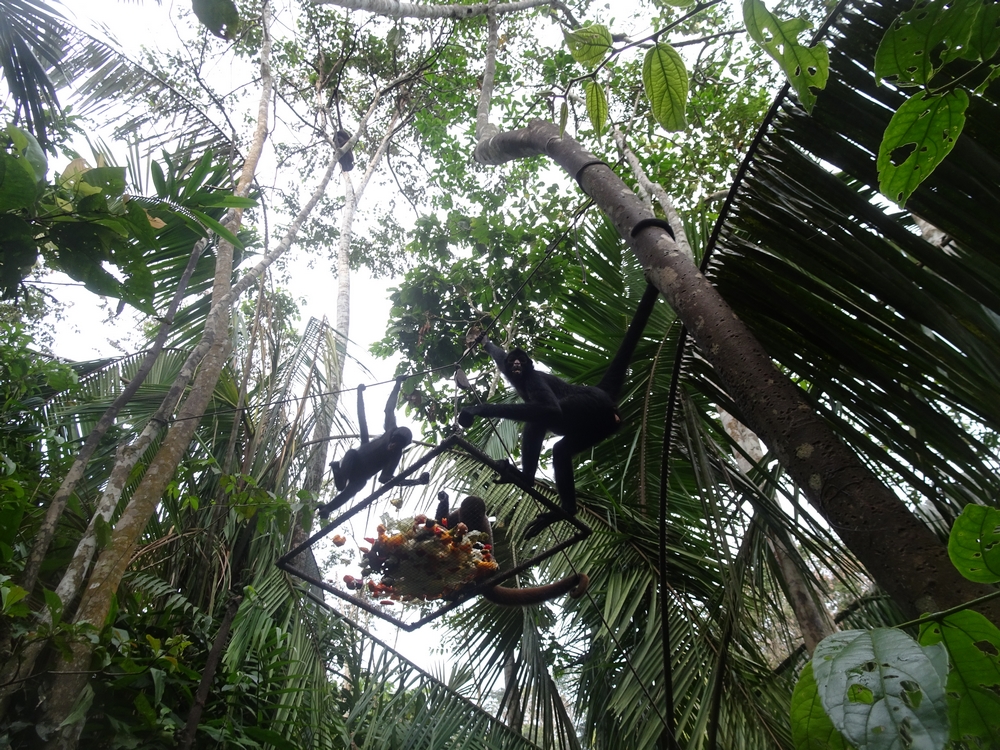
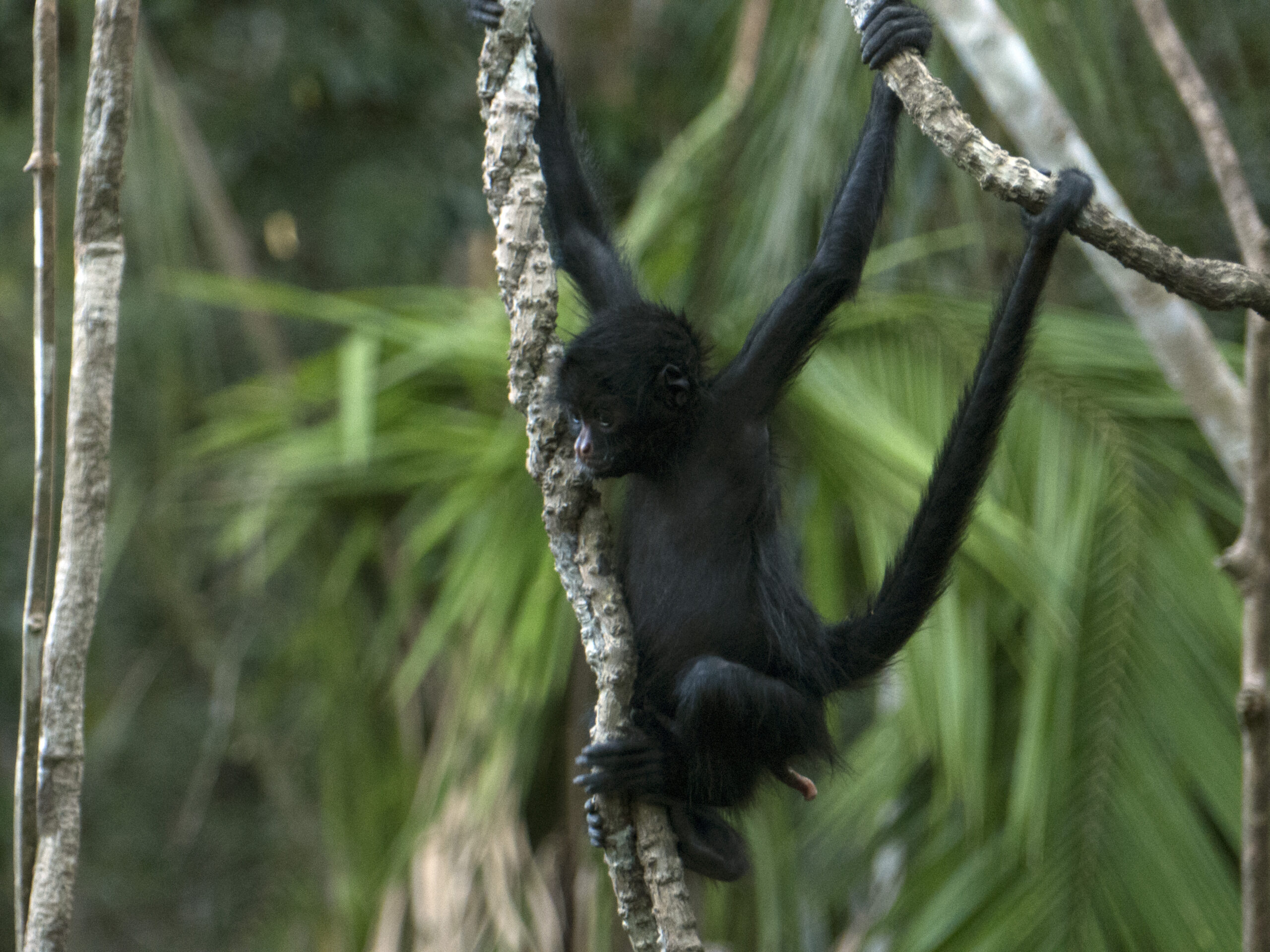
Earlier this month news reached us that a spider monkey has been spotted on a nearby plantation. Cumala, one of our female spider monkeys had not been spotted recently and so we instantly suspected it might be her. Sure enough when Douwe and Geiler went to investigate, they found Cumala sitting amongst the farmers’ crops. It is not uncommon for females to wander from the group when it is mating season. Given that she had strayed from our protected area of rainforest, the decision was made to capture her and bring her back to safety. Thankfully this went smoothly, and she is now back with the group. She will be enclosed for a short period before being released again.

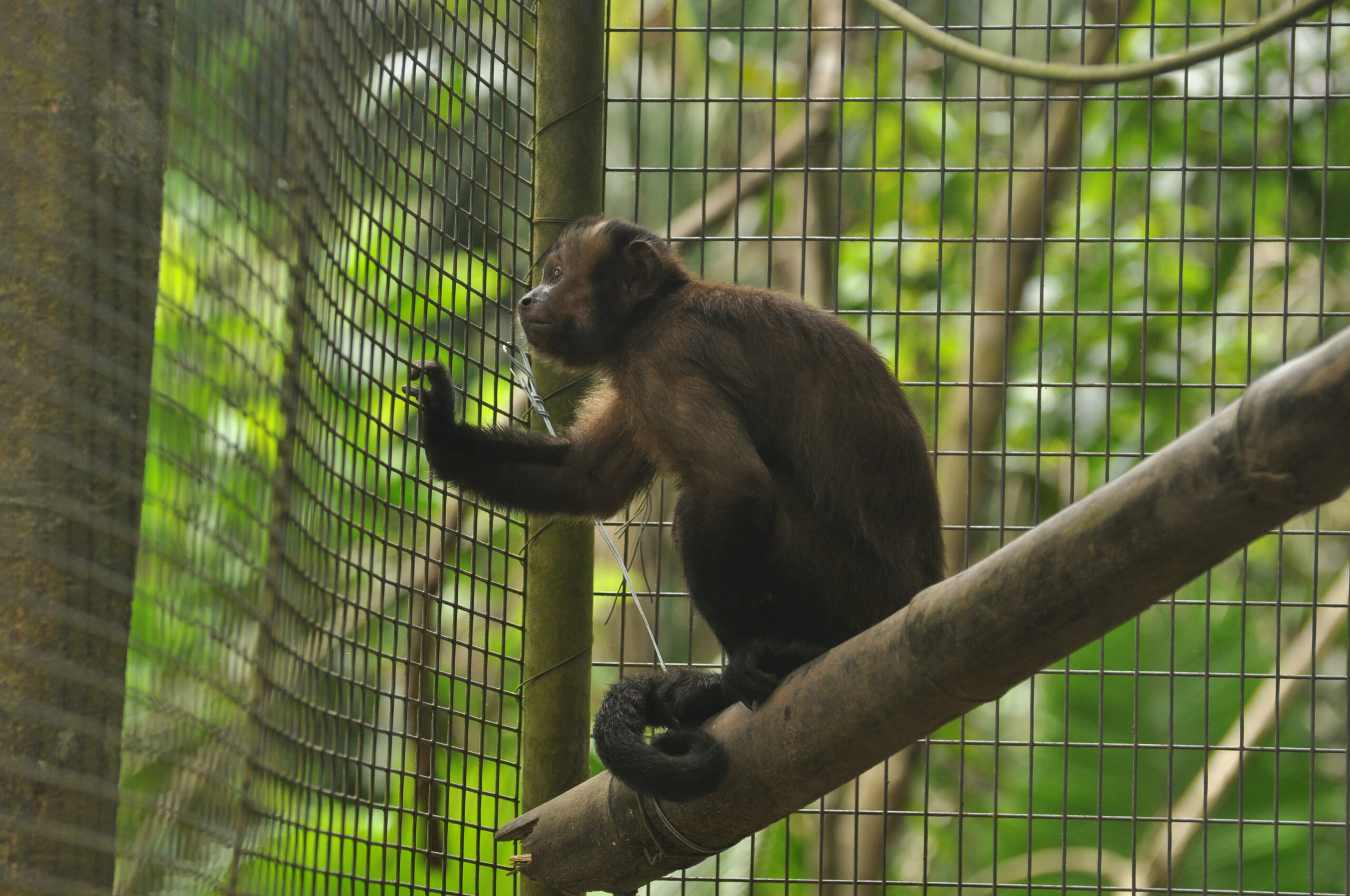
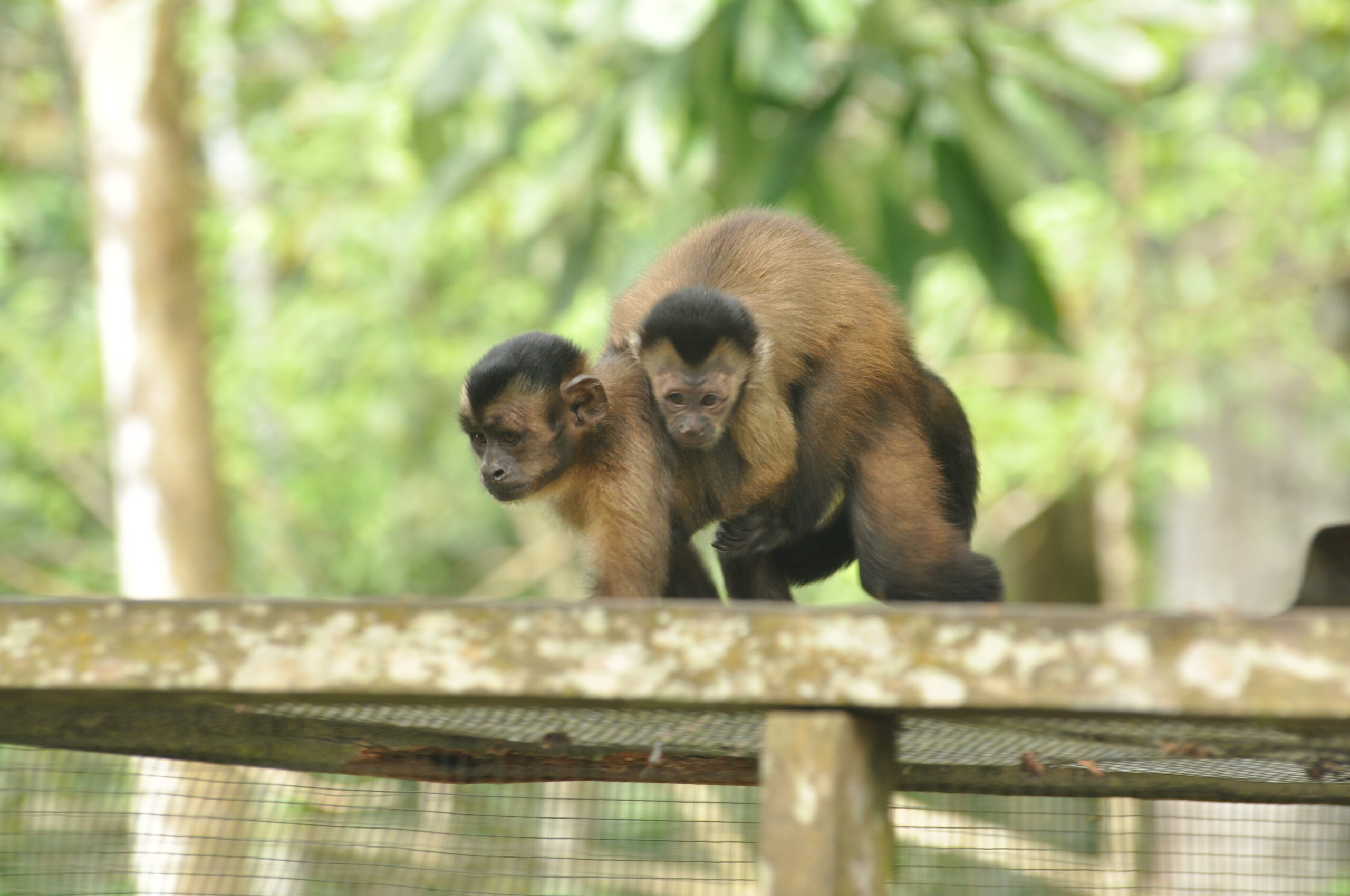
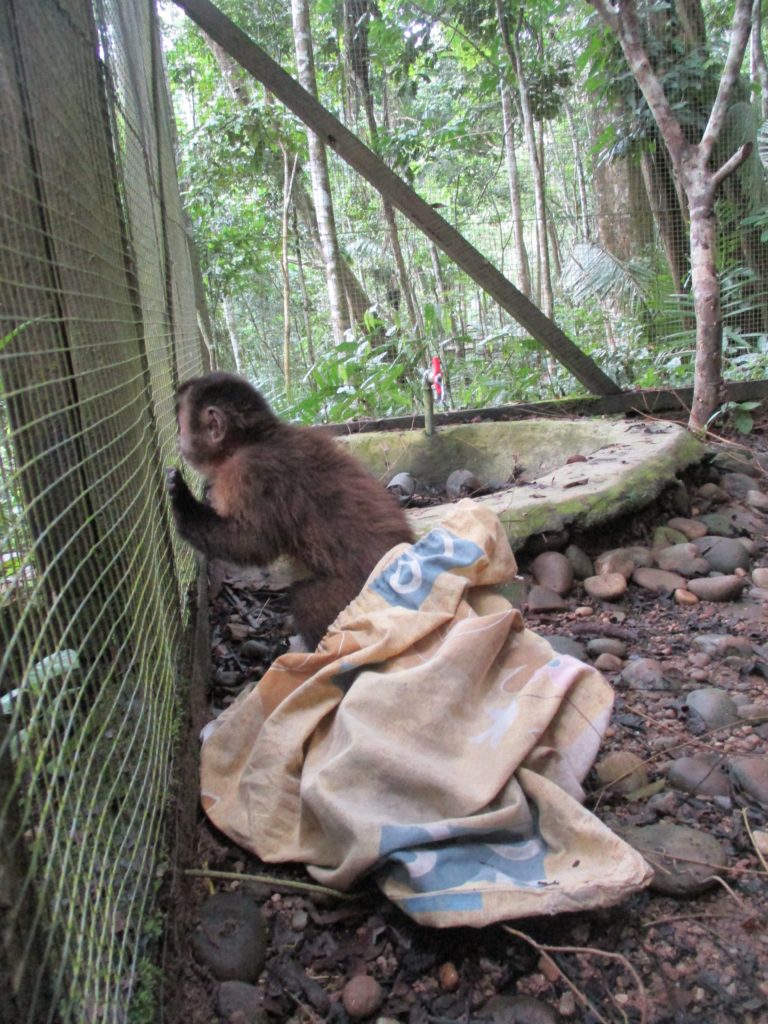
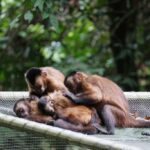
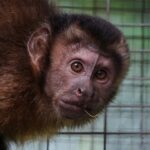
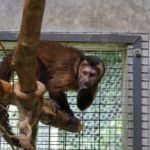
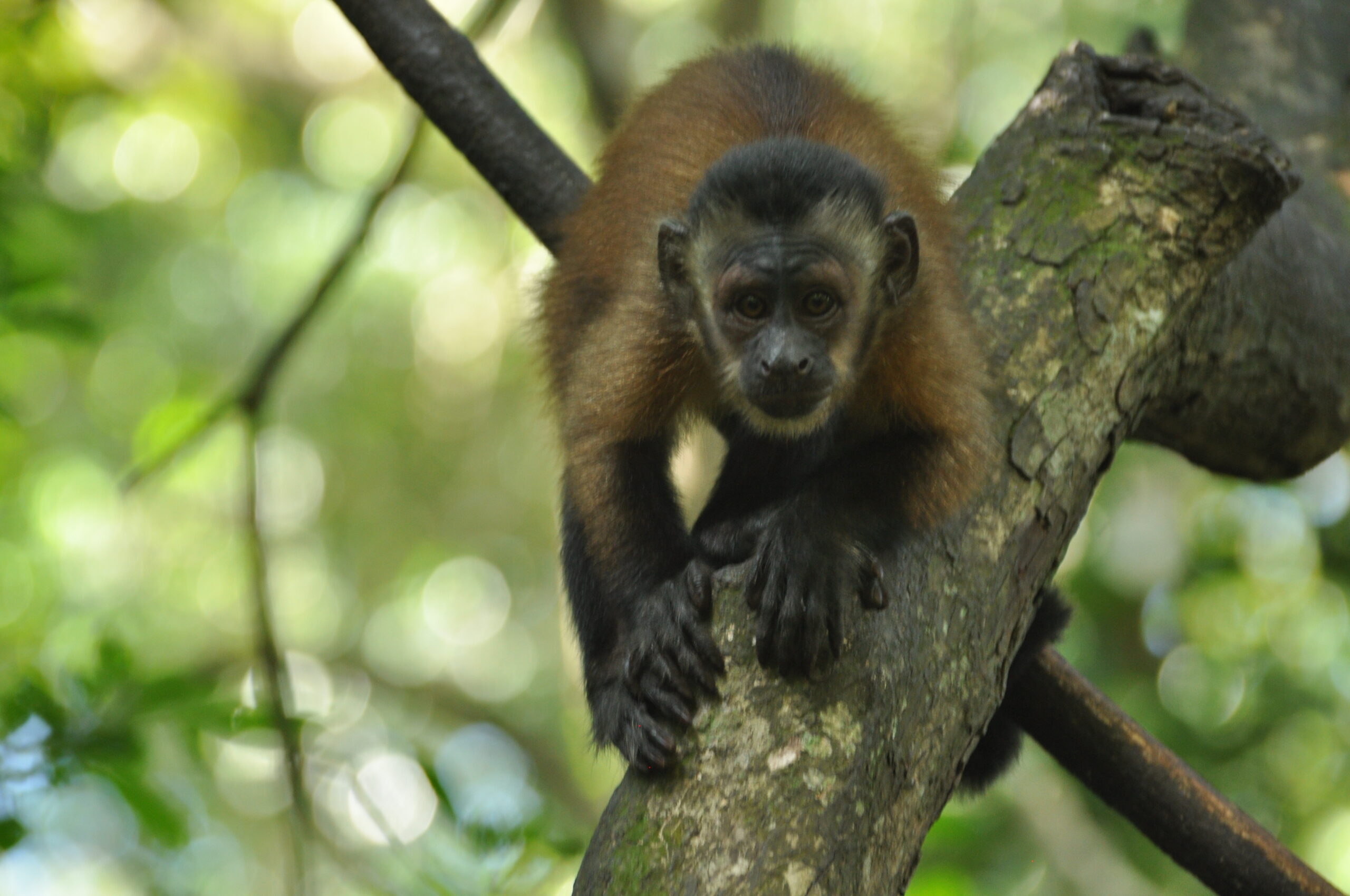
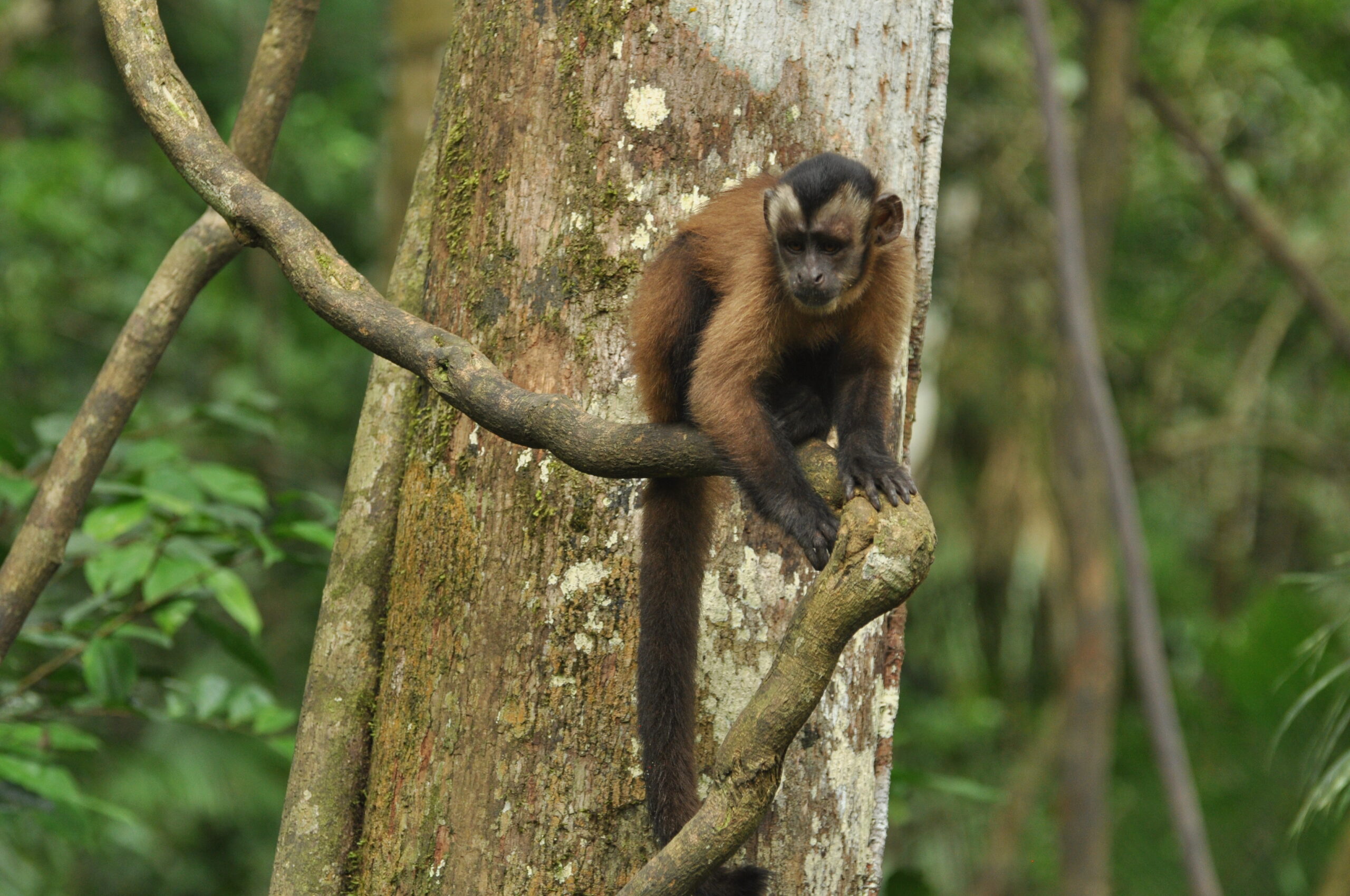
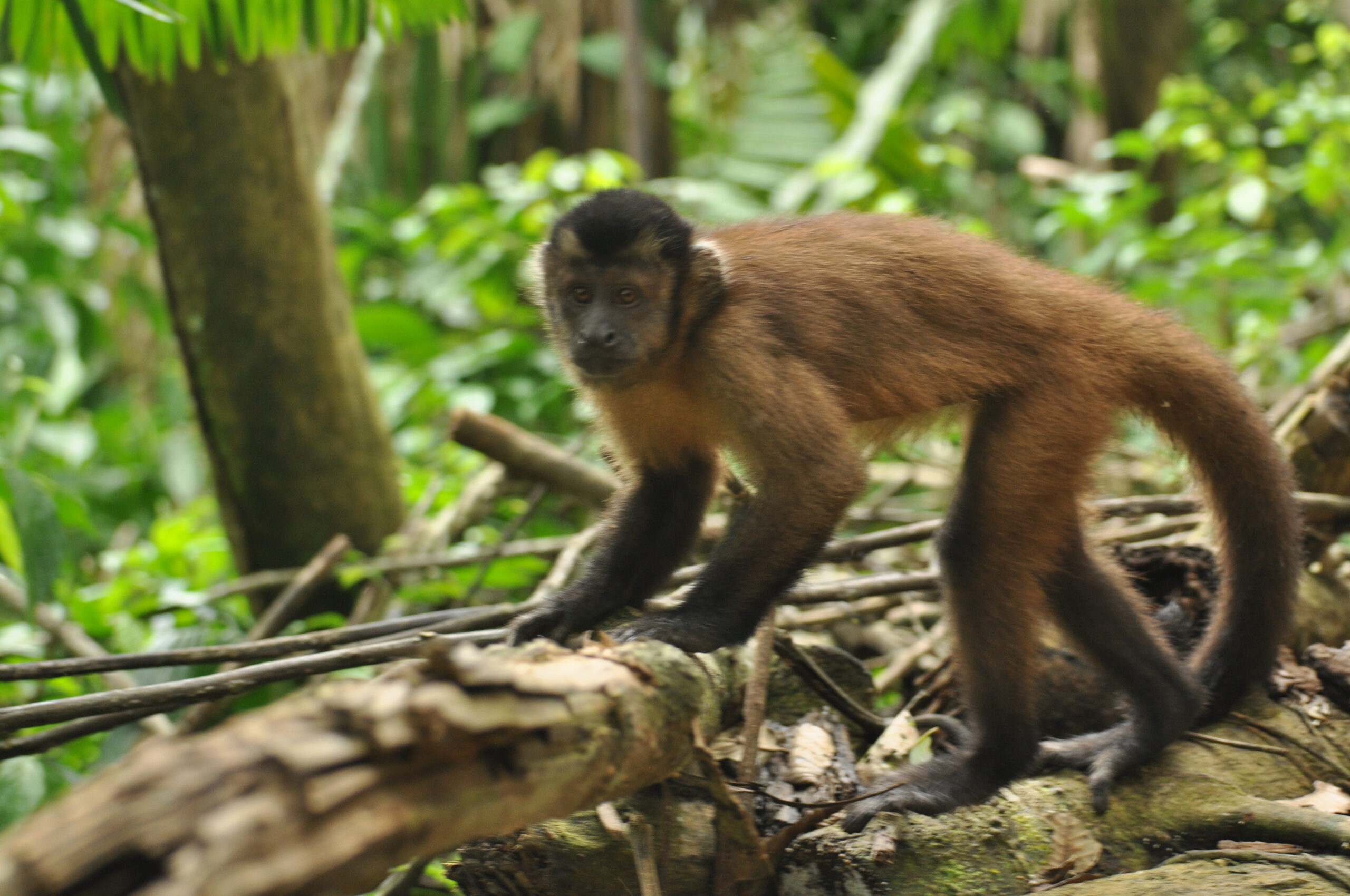
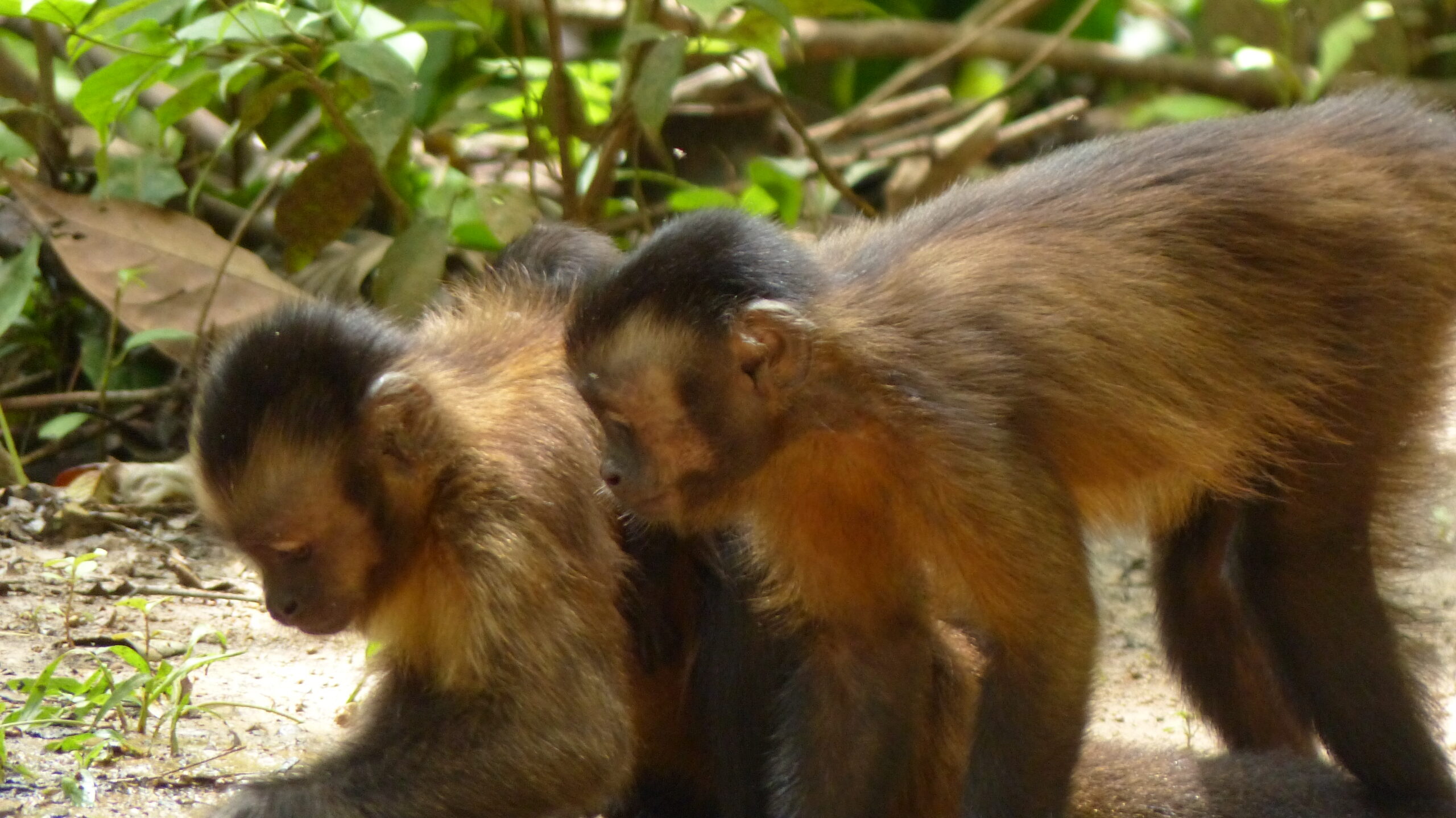
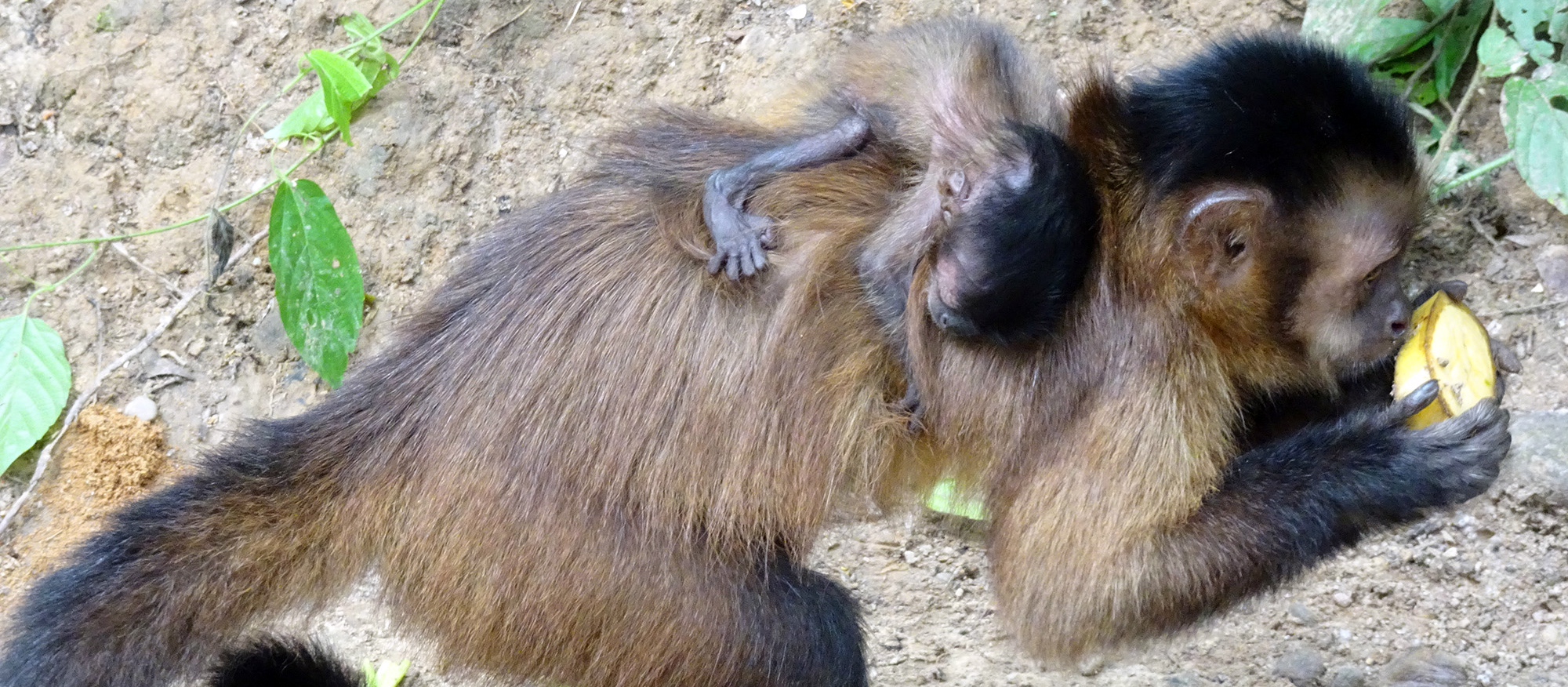
Nayro and Burbujas, two male capuchin monkeys, arrived at EV some months ago. Their rehabilitation period had gone well and so we decided to try and release them. Burbujas was the first to venture from the enclosure and took it all in his stride. Nayro took a little longer and only ventured outside when Kres, a female capuchin monkey, ventured into the enclosure and carried him on her back. For their safety Nayro and Burbujas were intensely observed for the first few days in the jungle. The first interactions with the wild group are a tense period and we can never be sure if a new monkey would be accepted. Nayro encountered the wild alpha male Maku briefly in the first few days and even went on to harass an older male shortly after. He was testing his boundaries as all monkeys of his age do and thankfully the group took it well. Over the next few weeks their confidence appeared to grow daily and they were seen socialising with the high raking females. Despite their initial success, Nayro and Burbujas recently disappeared. The reason remains unknown. Whilst we hope for the best, there are many dangers in the jungle and despite our best efforts we cannot defend our animals from them all.


Other mammals

Kiko and Kila september 2016

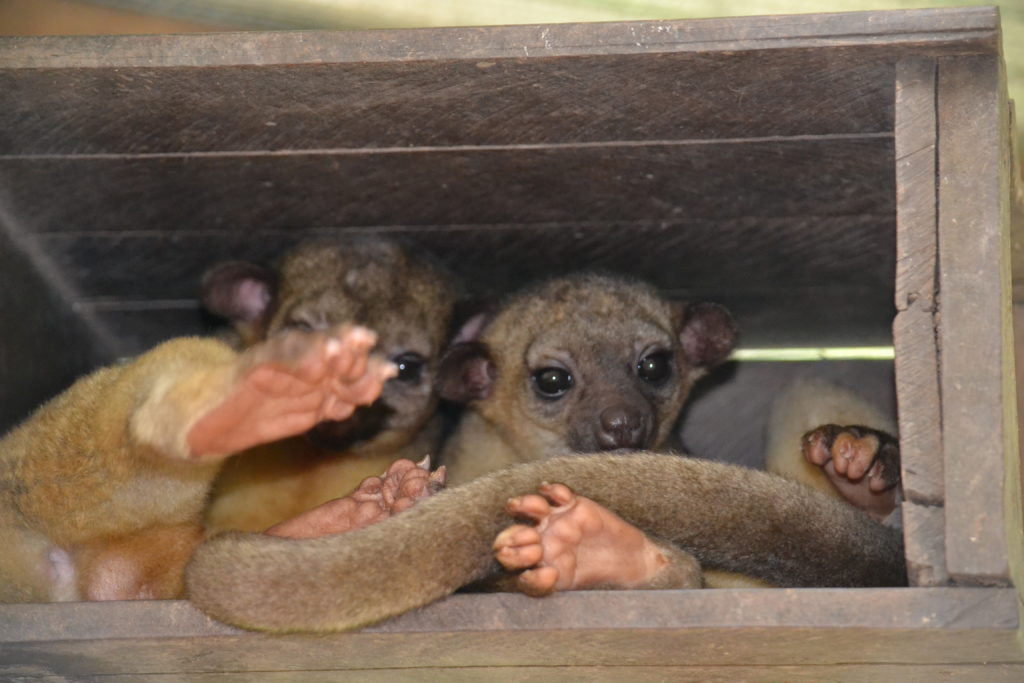
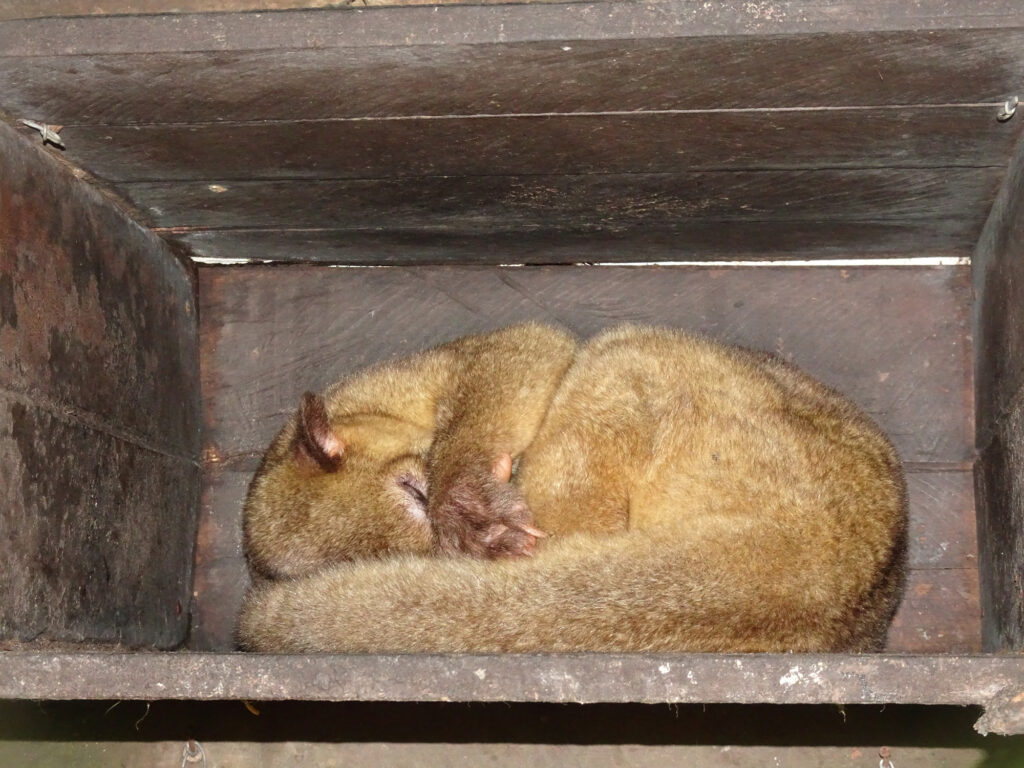
You might well have read about the earthquake in Peru earlier this month. During the night Douwe and Olivia were woken by the earth shaking, and then to their surprise they heard the call of a kinkajou. Douwe said it sounded like a young one, but as Kiko (a male we released) had often been found sleeping in a trunk under the house, they thought it was him. As the crying noise did not stop, Douwe went to investigate…. Turns out that the kinkajou that had been sleeping under the house was not Kiko but in fact Kila, the female we had released alongside him. Kila was nowhere to be found but had indeed been nesting in the trunk, as Douwe found a small baby kinkajou. Kila was out foraging. The little kinkajou was also woken up by the earthquake and was calling out for her mum. The baby is doing well. Kila is taking good care of her and is with her during the day. At night she leaves the nest to go look for food. Kila is a smart one and picked a safe spot for a nest, as no predator will dare to come close to her baby with Douwe and Olivia as guardians!

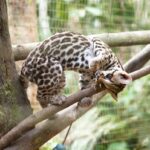
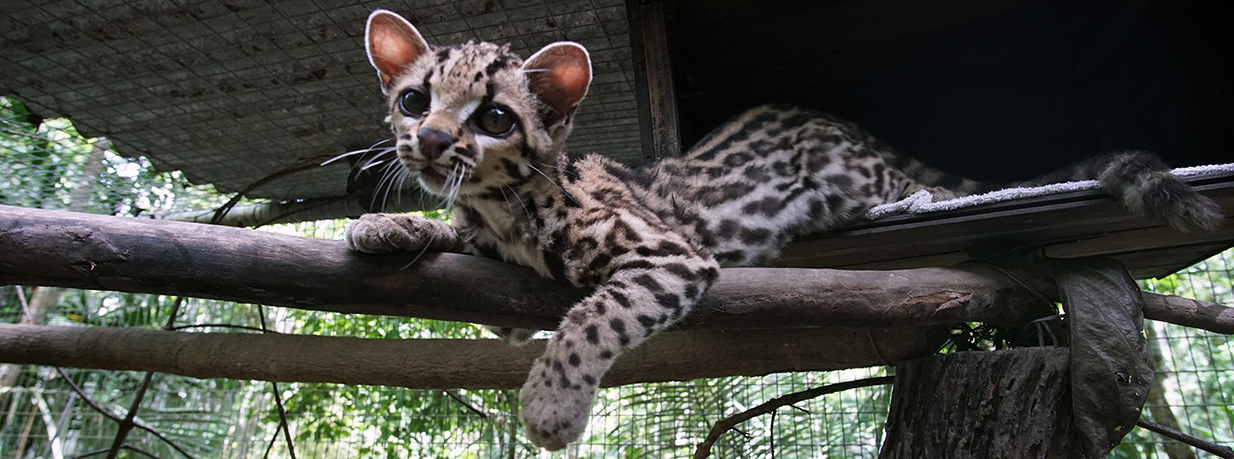
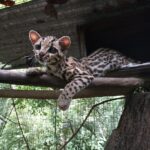
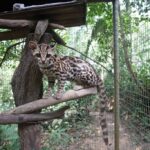
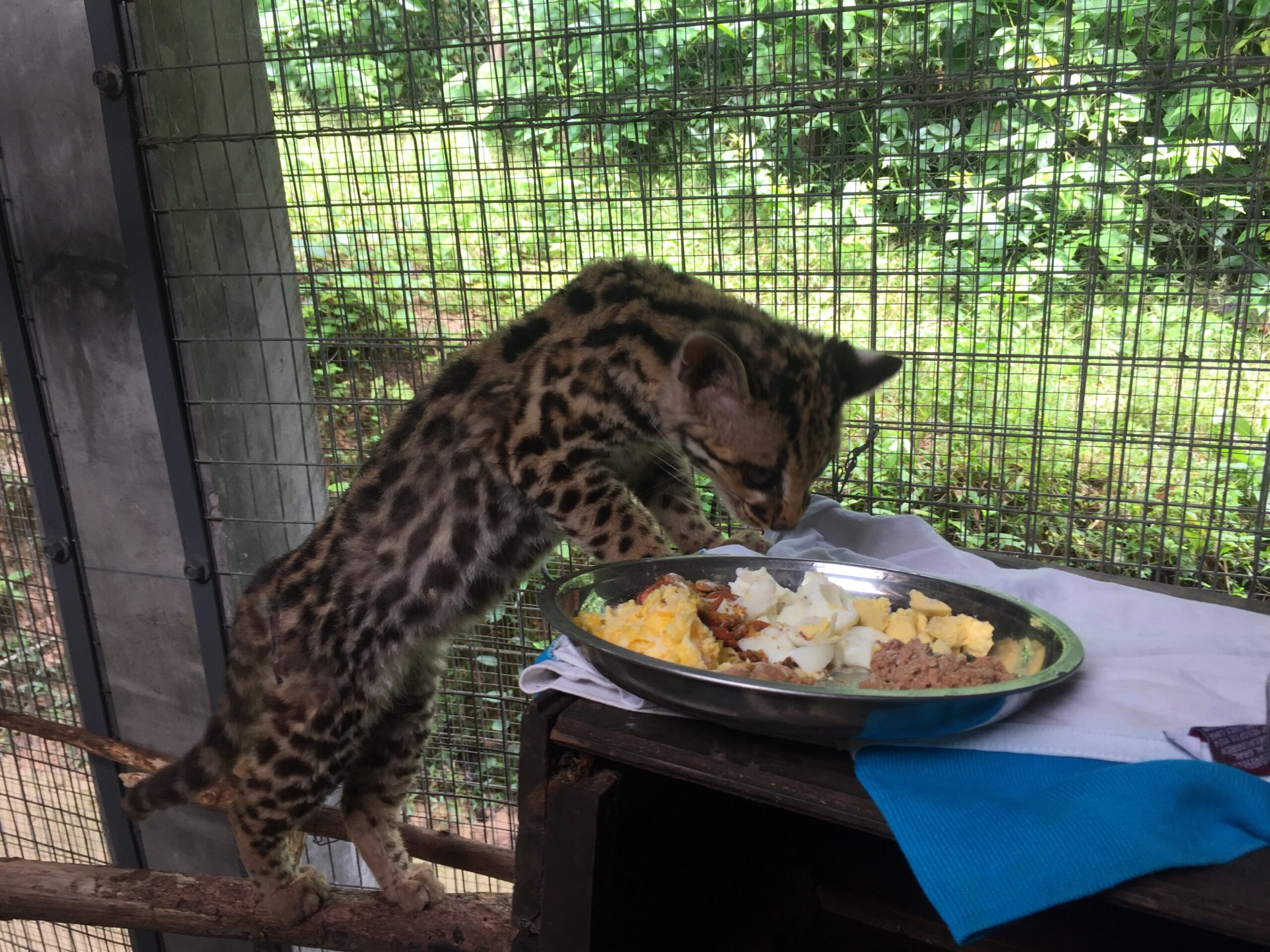
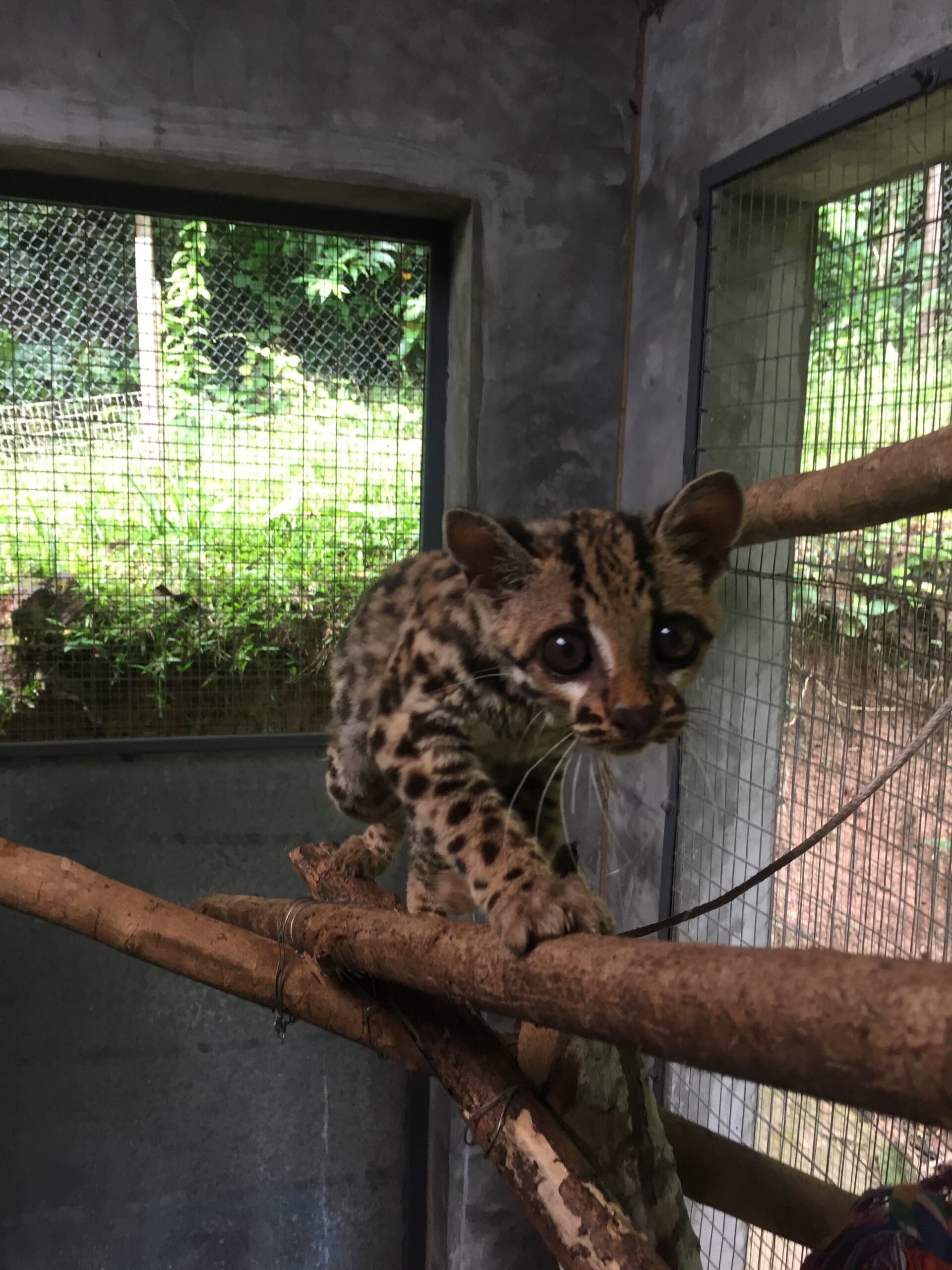
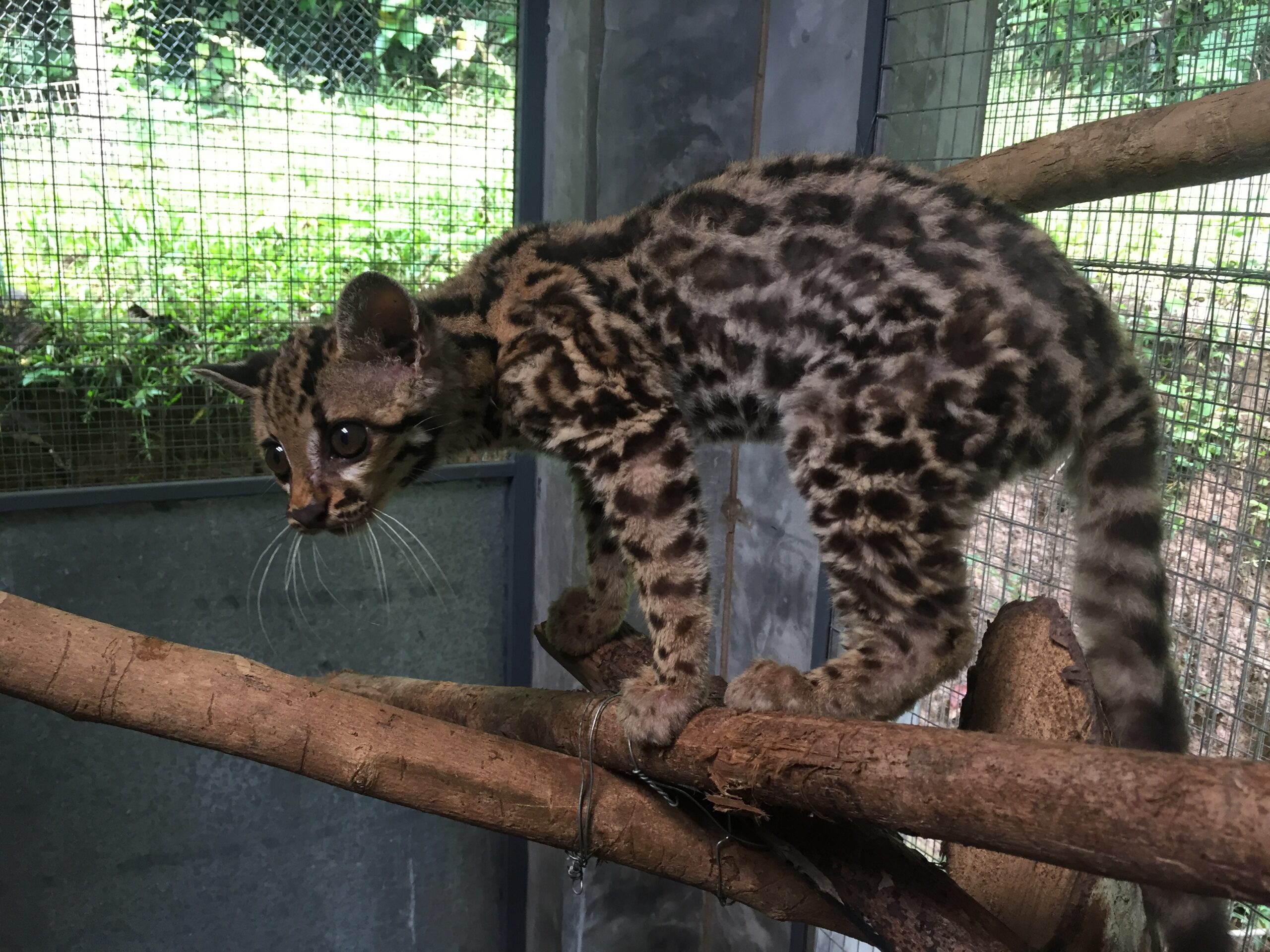
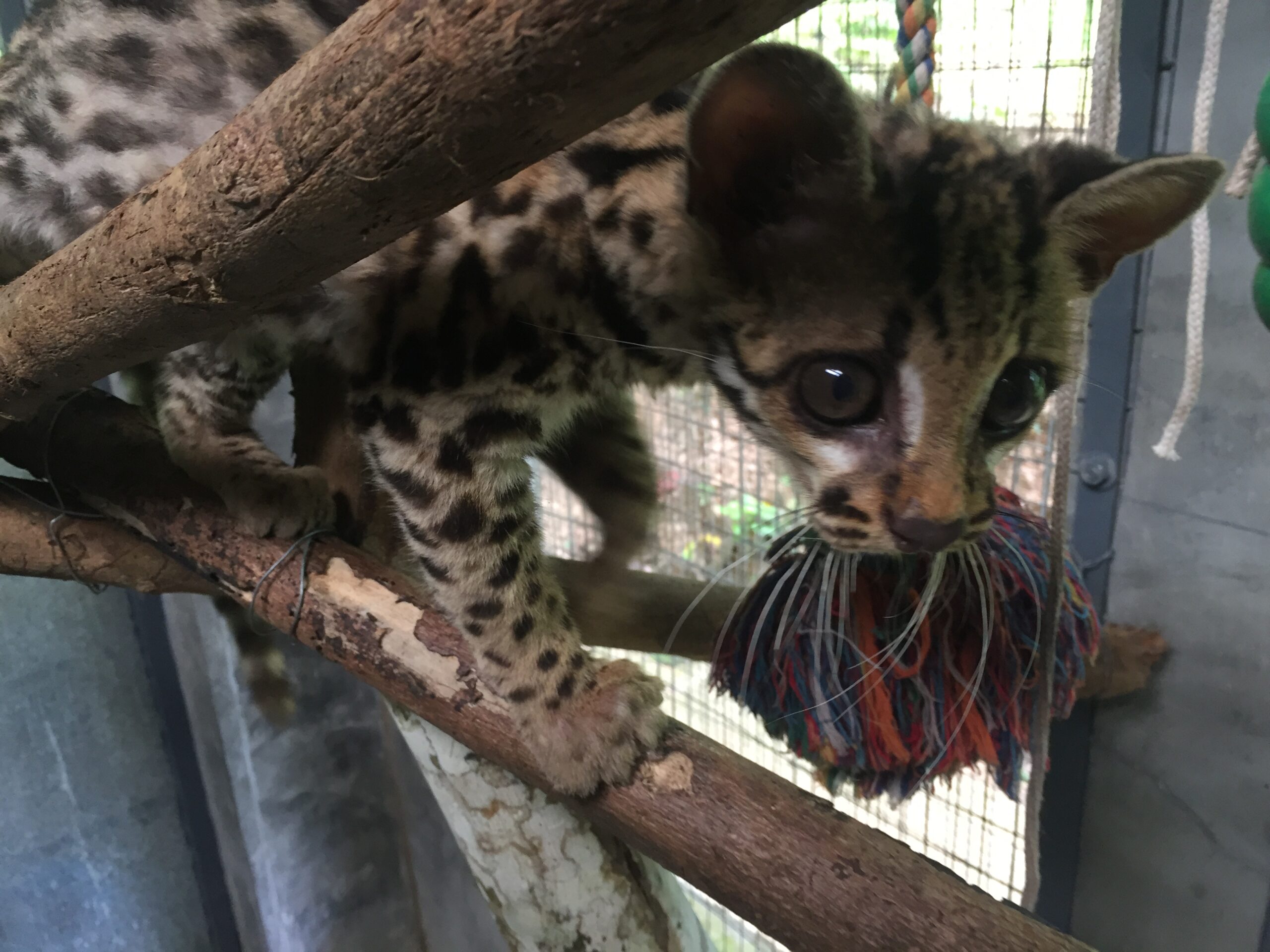
Grety, the female margay, is doing well and growing everyday. She gets a little more confident and a little more feisty each time we visit her. Grety is always happy to see us coming, as our volunteers bring new enrichment or her daily leaf parcels of meat or chicken.

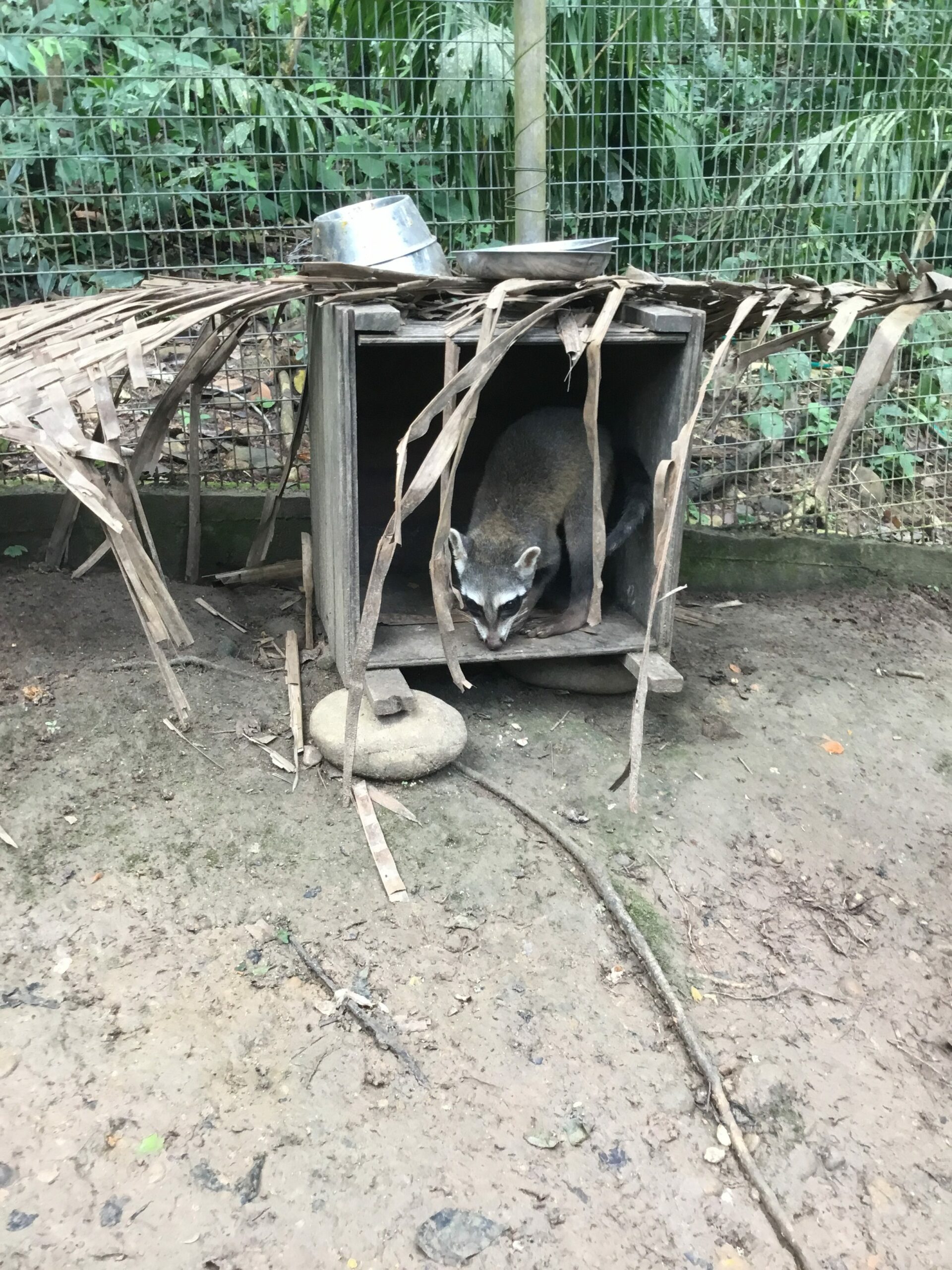
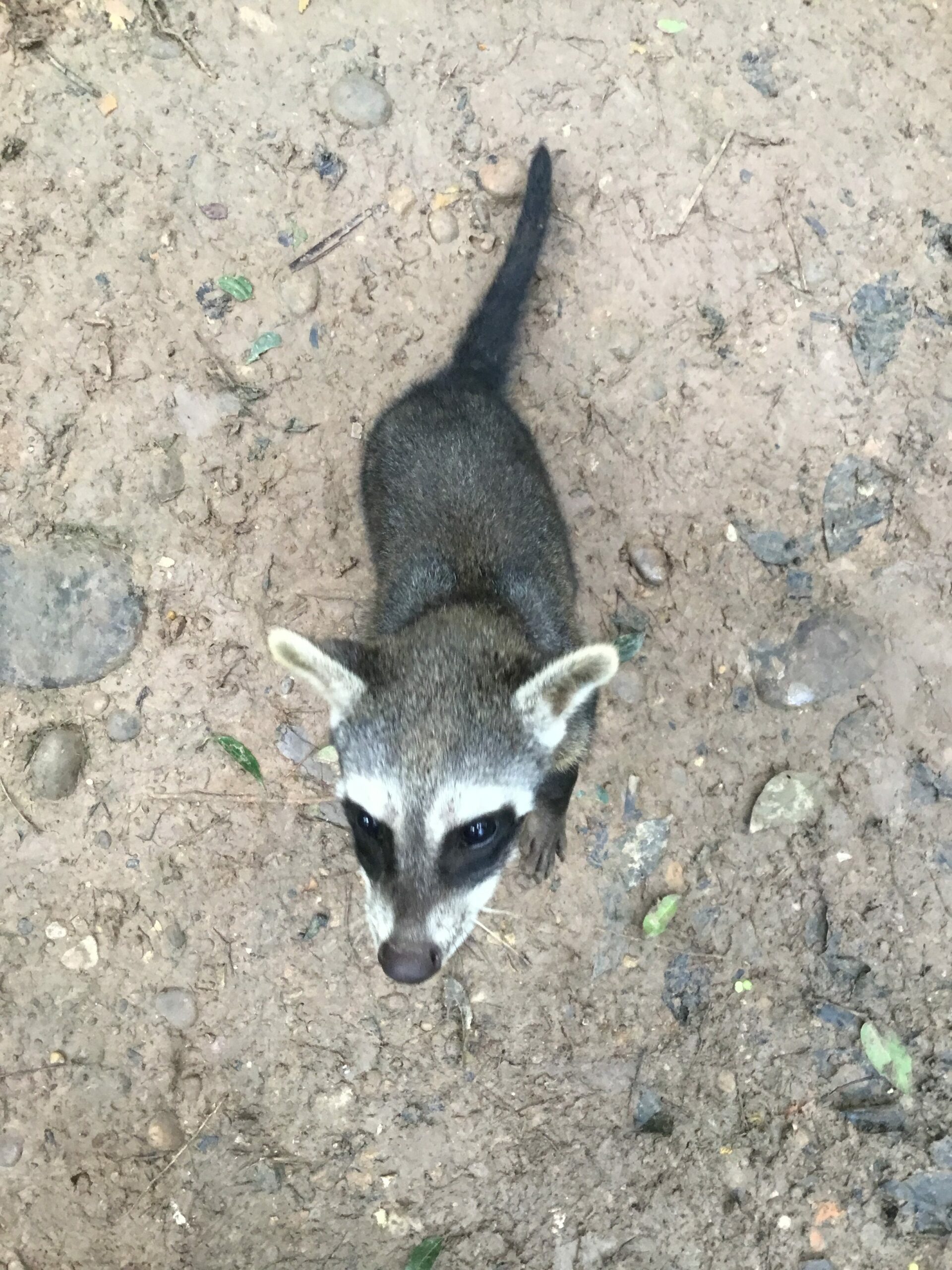
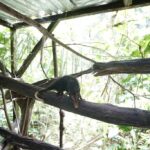
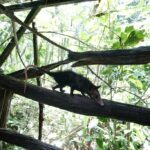
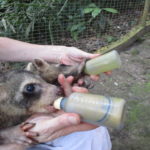
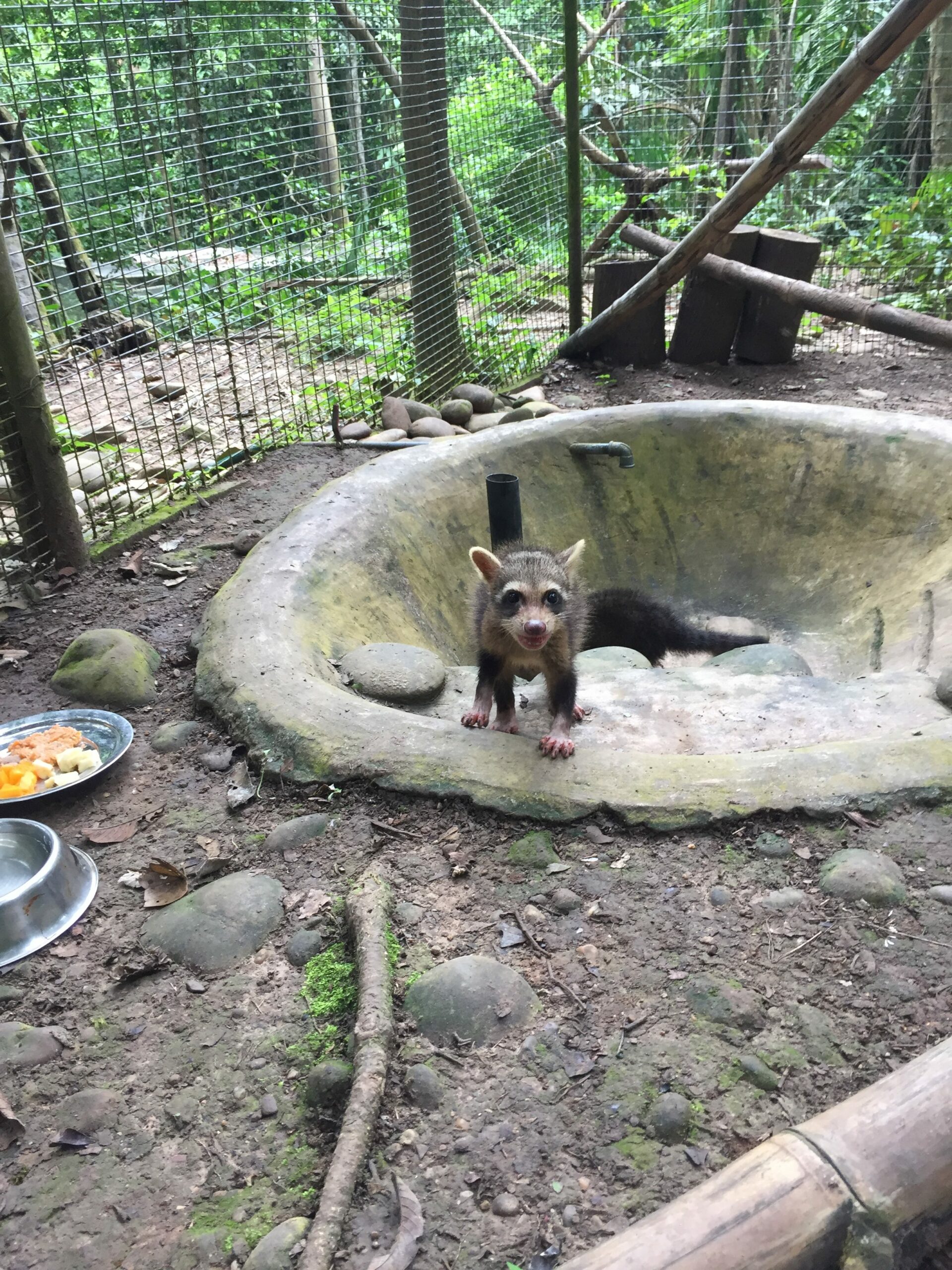
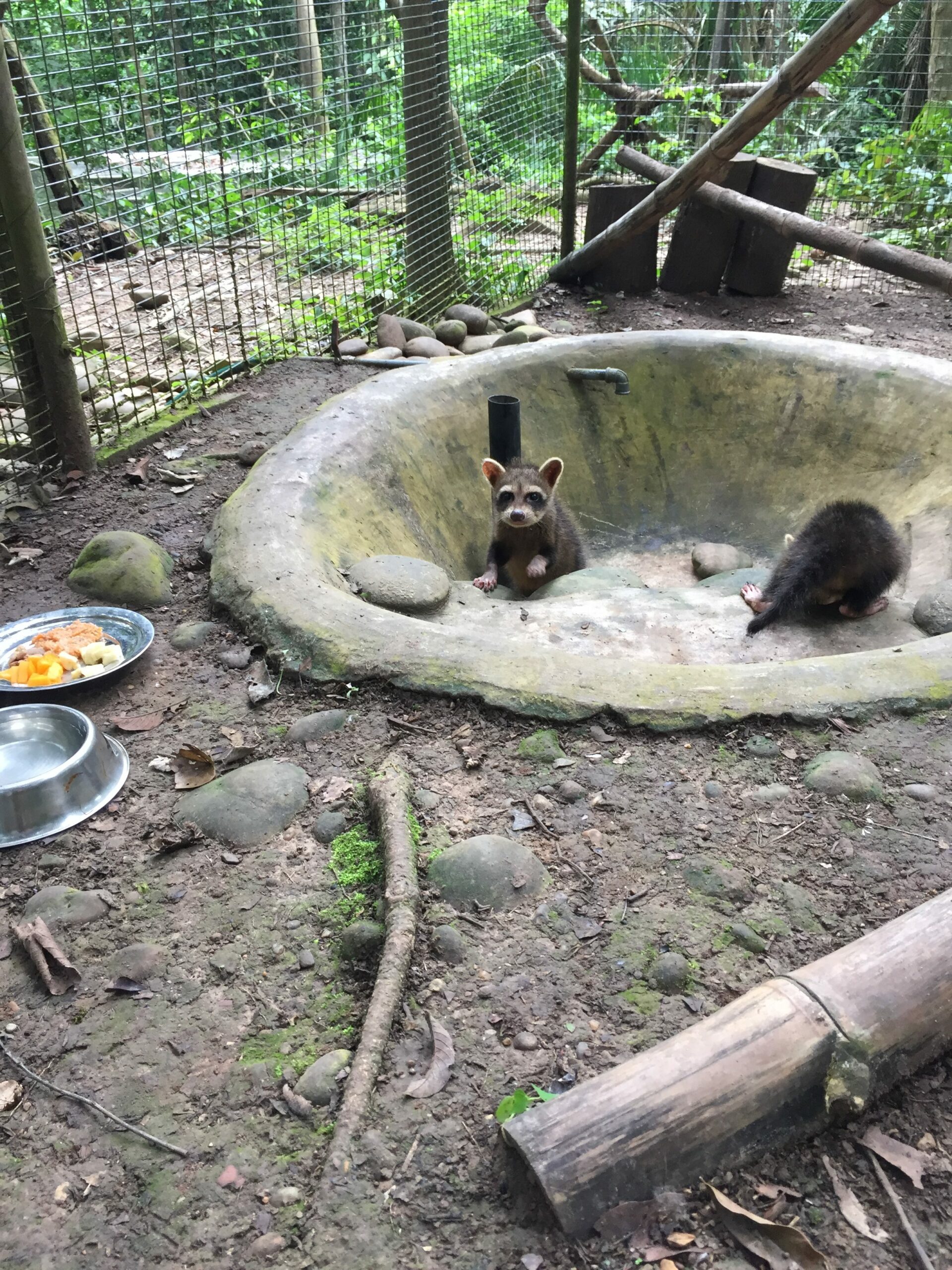
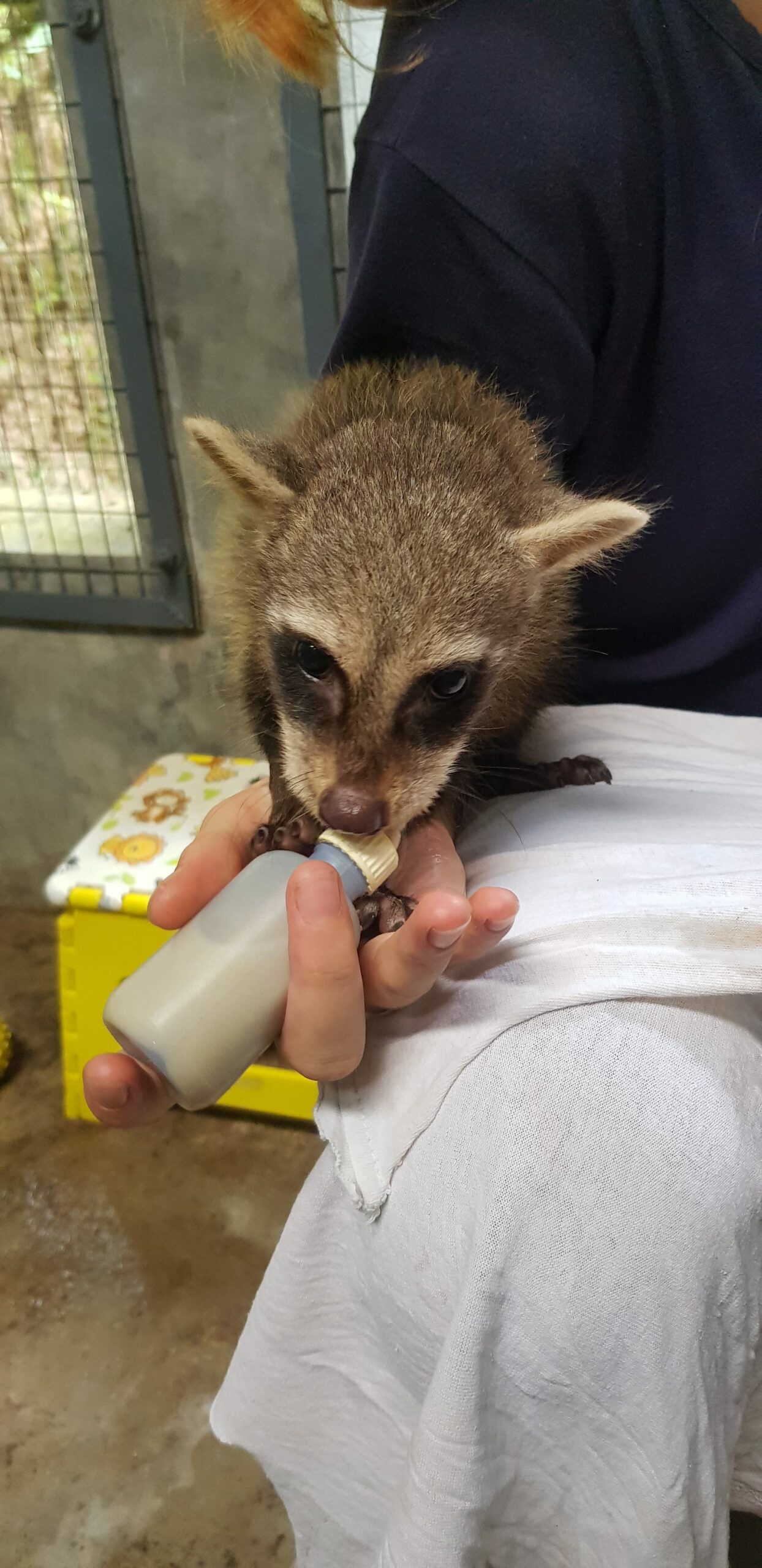
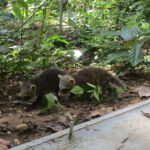
Our crab eating raccoons, Mokwai and Rumani have been growing big time! They always enjoy their daily fish portion and venturing out with our volunteers to explore the local jungle. These walks are an important part of their rehabilitation process. The more confident they are in the jungle and the more their independence grows, the better chance they have a surviving in the wild.


SUST Animal Orphan Hospital

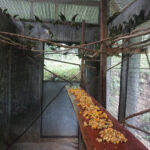
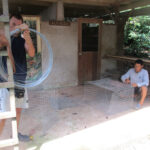
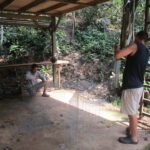
This month we finally had some enclosures empty in the clinic and so we were able to finish the improvements started a few months ago. Our team have been working hard putting in new cement feeding tables. By taking advantage of the empty cage we were able to shuffle the residents around, and all four cages have now been upgraded. These new instalments will make the enclosures easier and faster to prepare when new animals arrive.


New arrivals

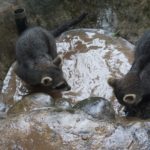
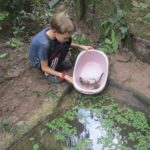
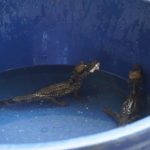
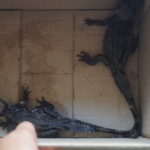
Two young dwarf caimans were handed over to Douwe in the village. The parent had been caught in a fishing net and was killed for meat. Thankfully the two young ones were taken by a good Samaritan and given to EV. After a short stay with us they were released, as there is plenty of fish in the nearby river to keep them sustained.

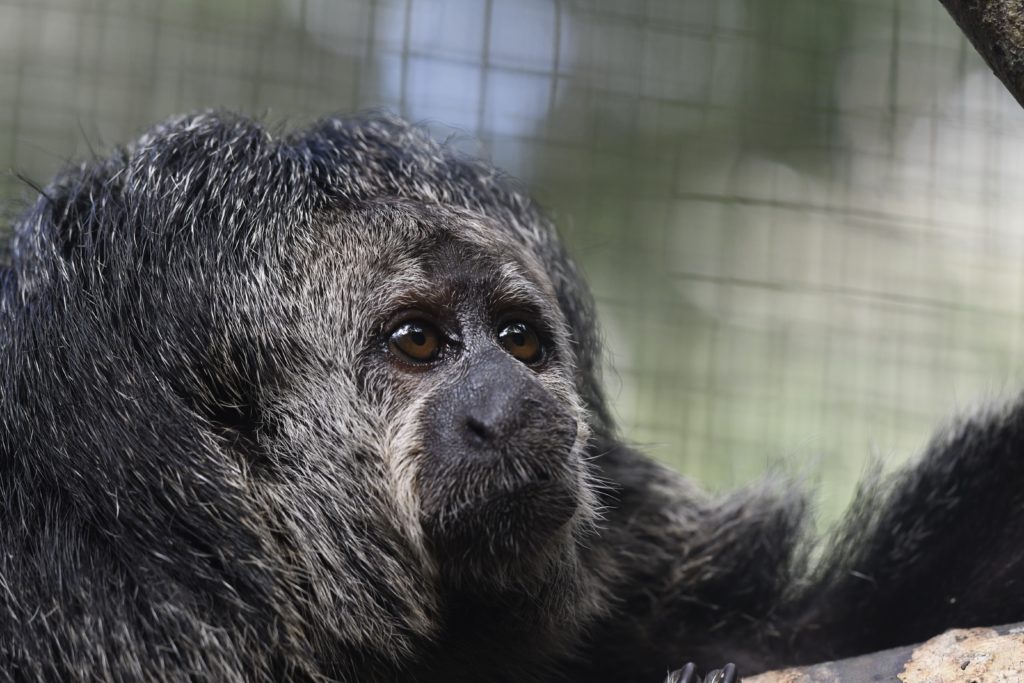
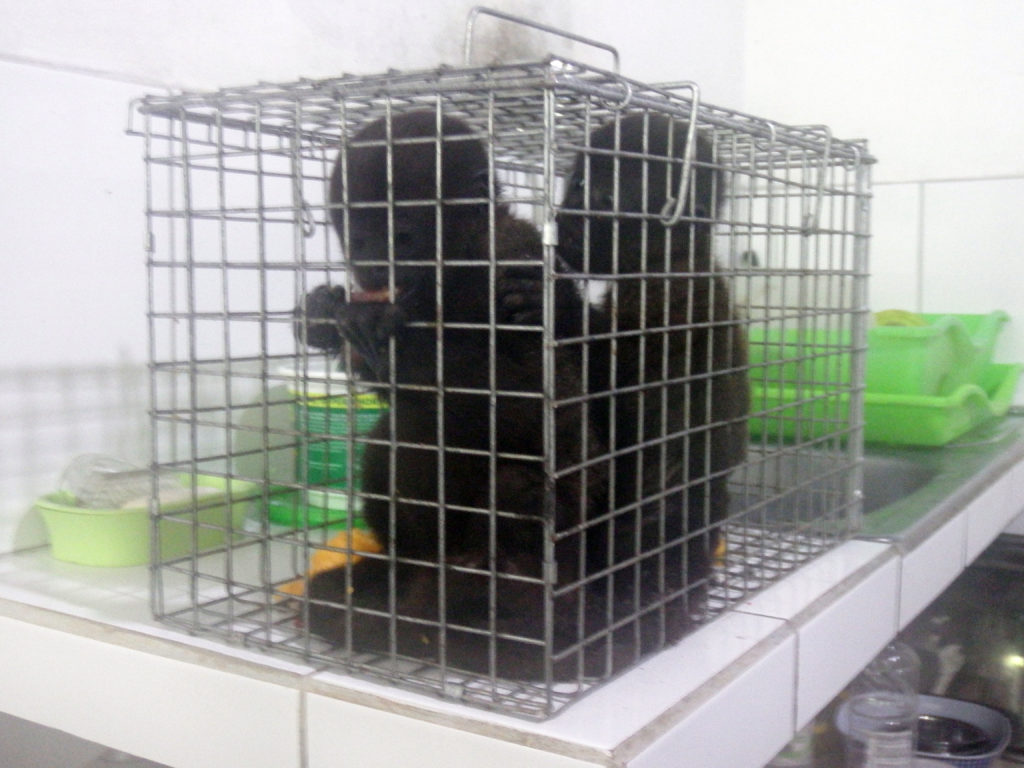
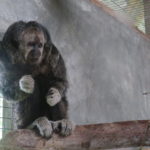
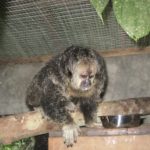
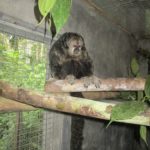
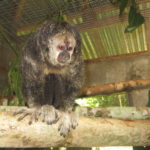
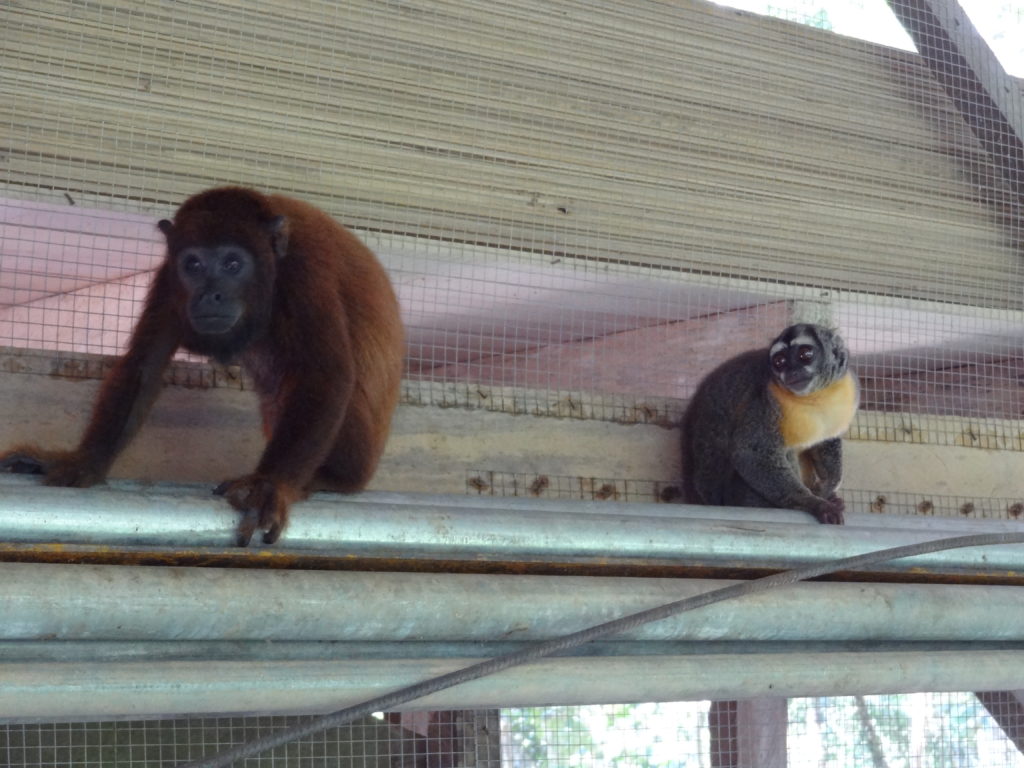
On Olivia’s return from Pucallpa, we were all privileged to meet her latest travel companion Yuria (female Equatorial Saki). Yuria is another first for EV as we have never had a Saki monkey before. At approximately 12 months old she is a sub adult. She has spent her entire life in a cage and was seized by the government. As our experience with this species is limited, it has been a slow process to establish a routine for Yuria and to work out her preferences and the ideal healthy diet. As her requirements are similar to that of the howler monkeys, it is envisaged she will join both Ramon and Darwin in the Pepe enclosure at the end of her quarantine period.

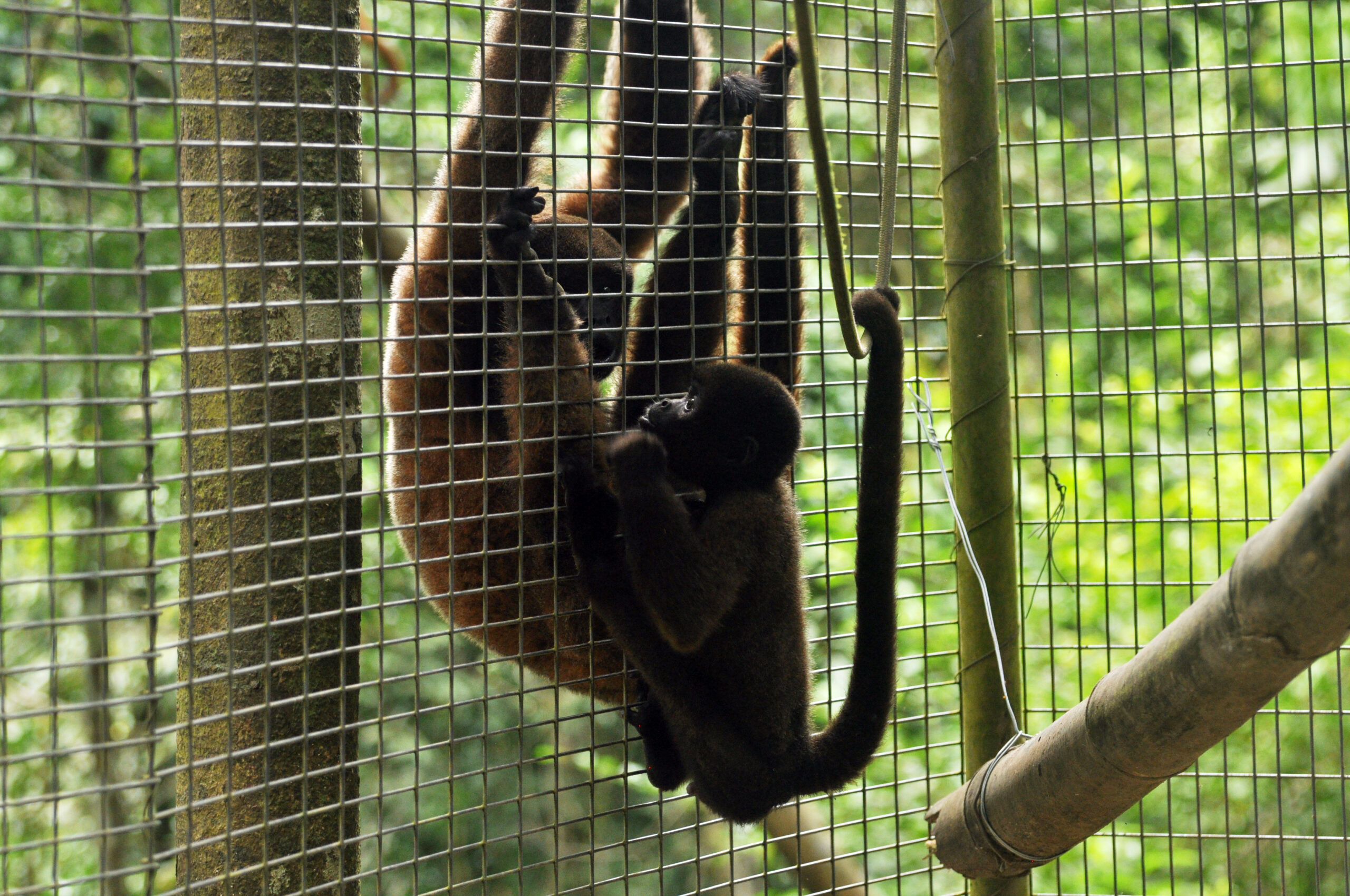
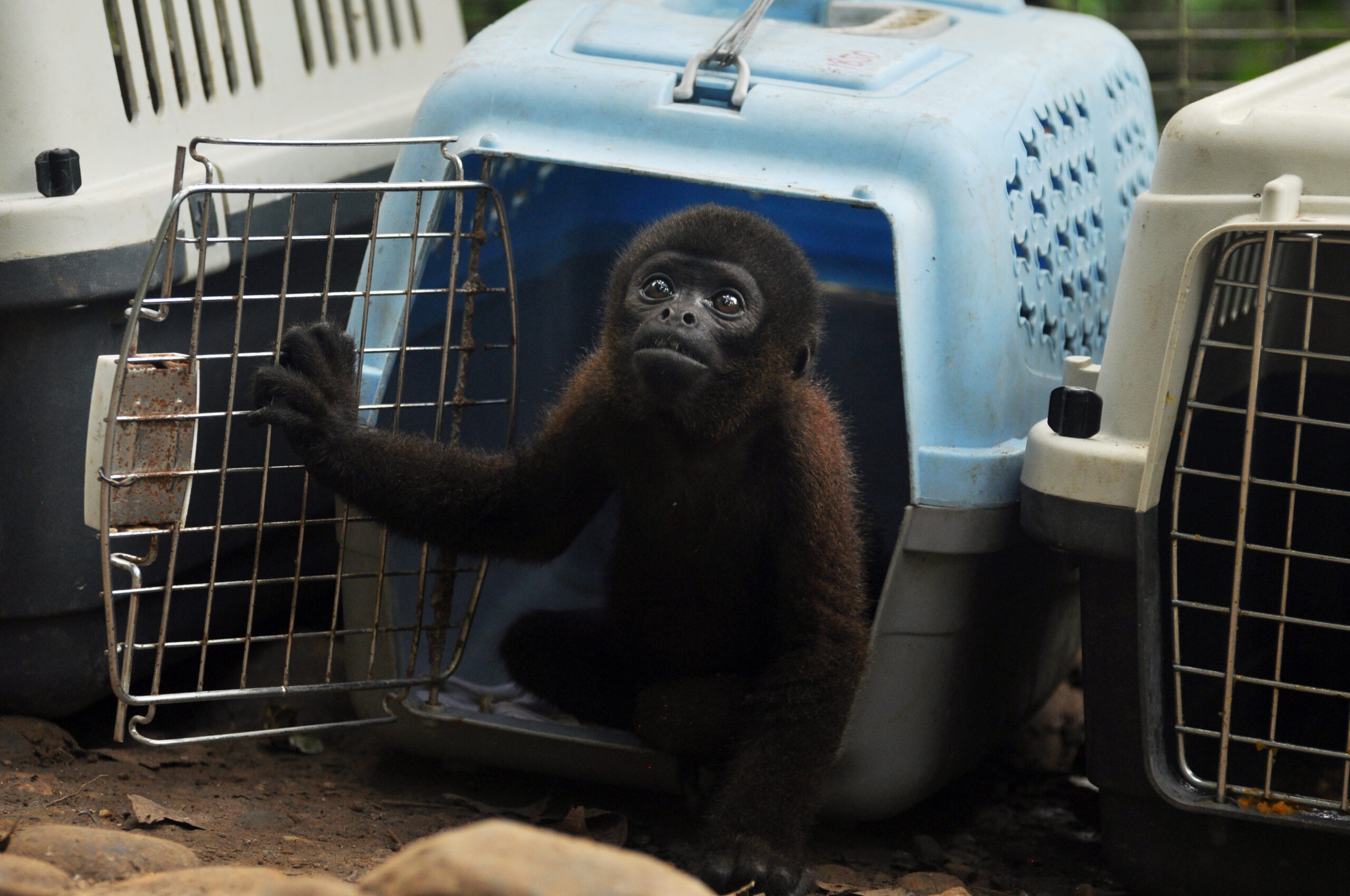
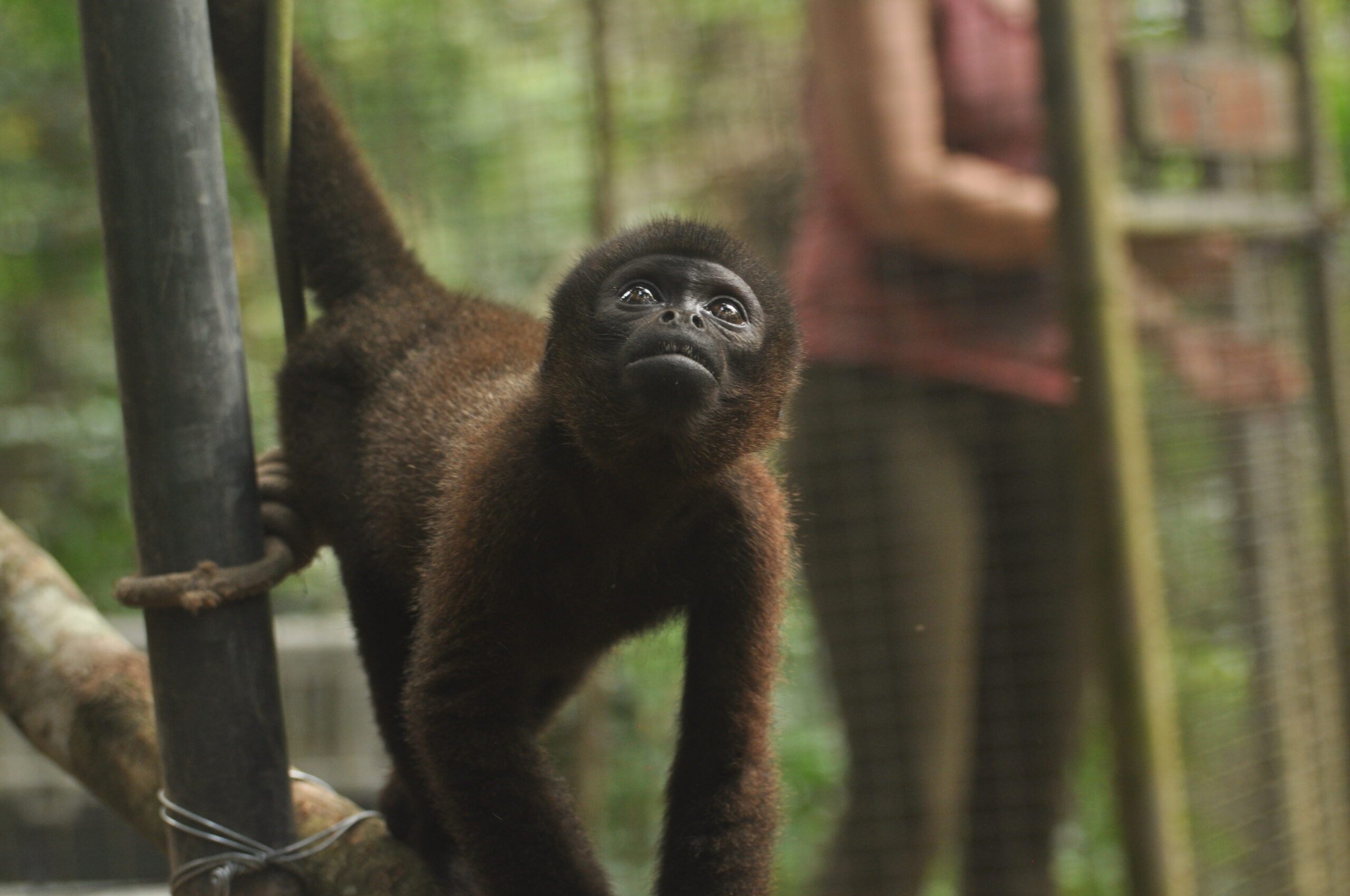
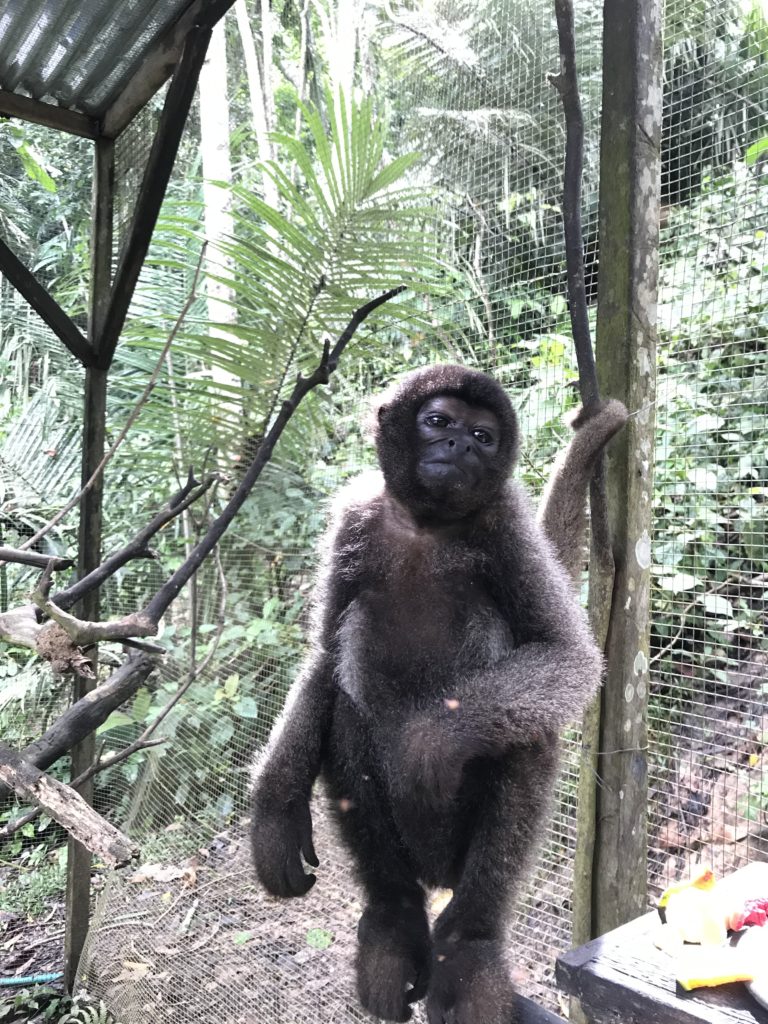
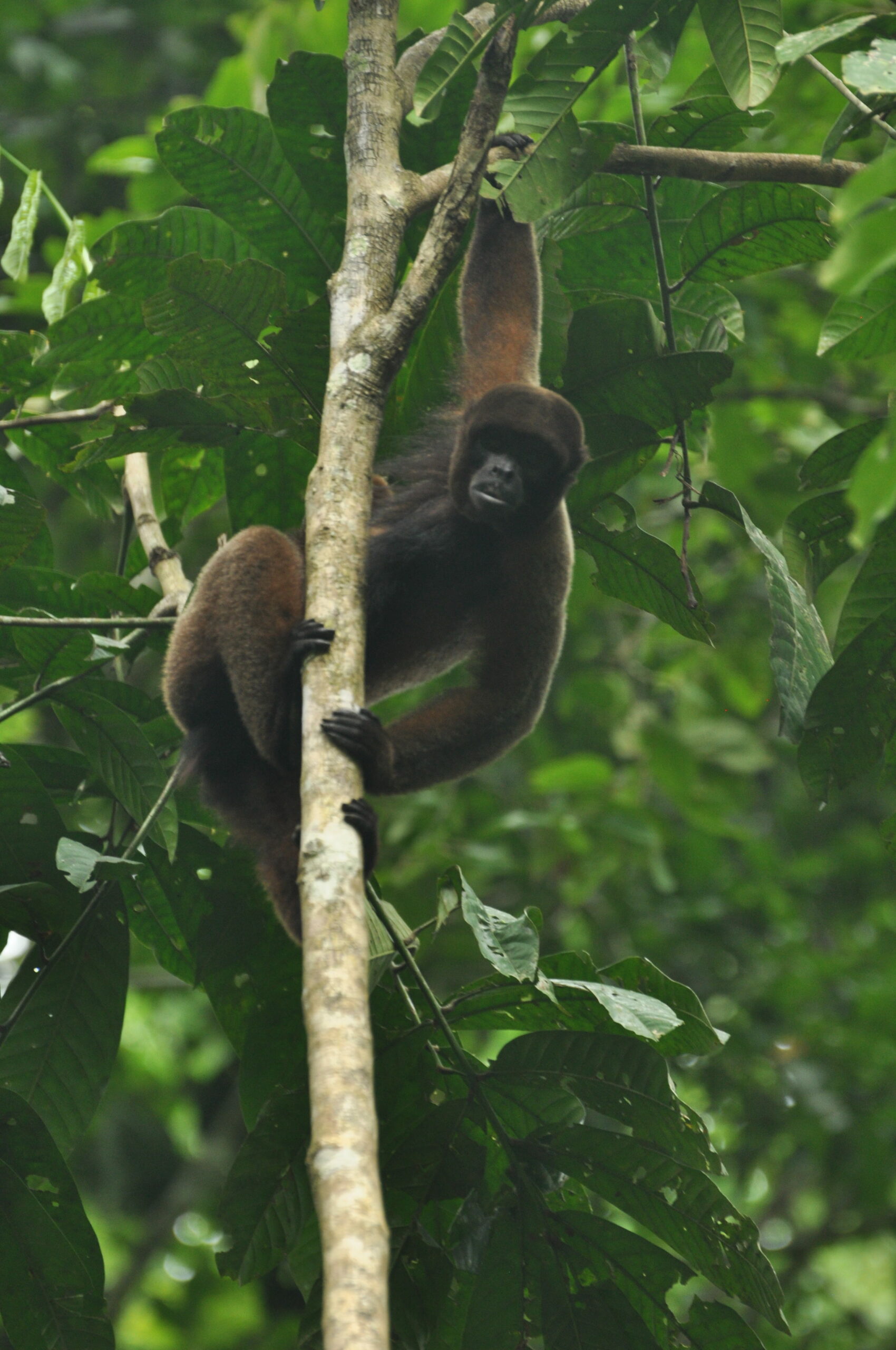
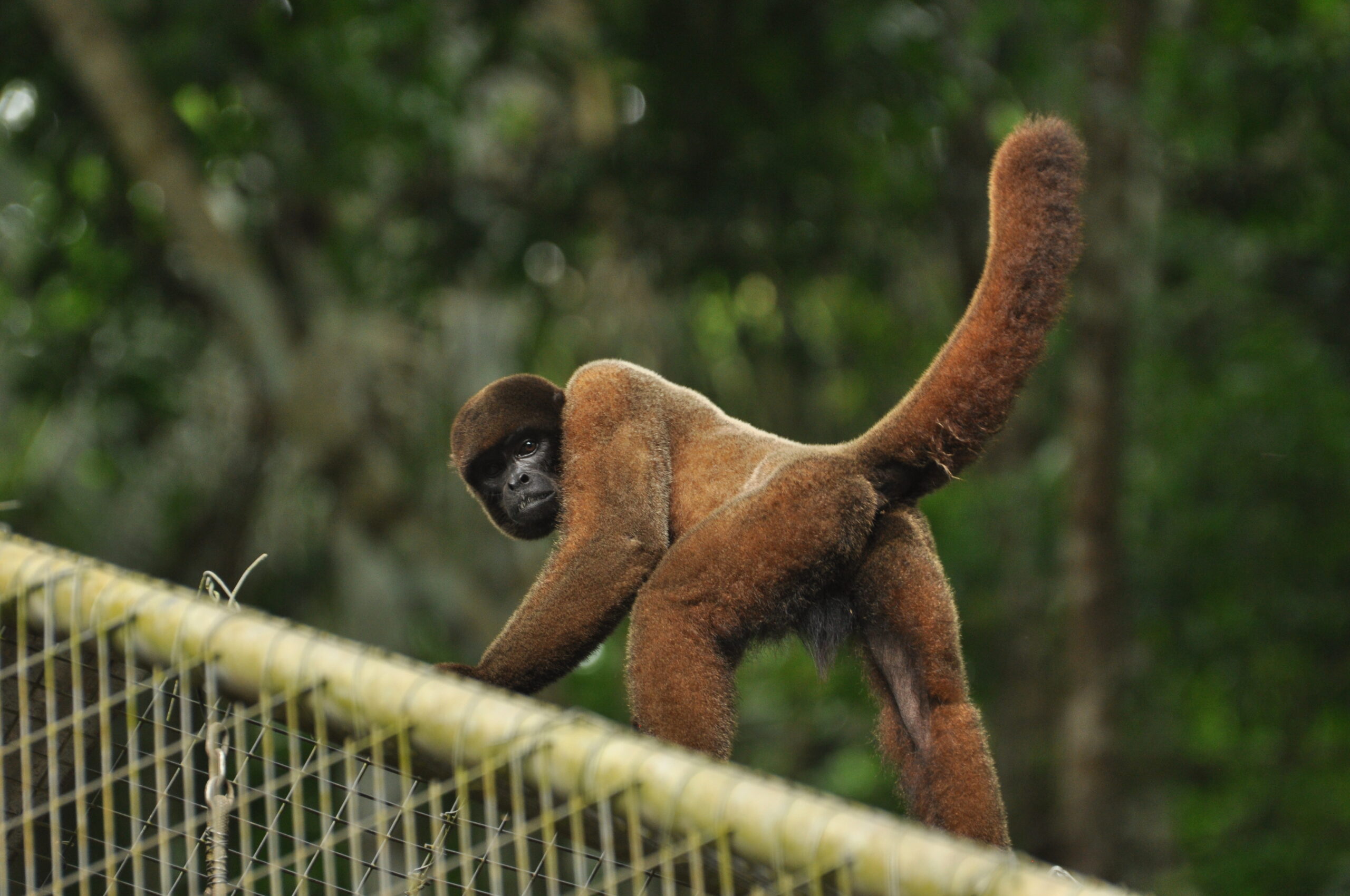
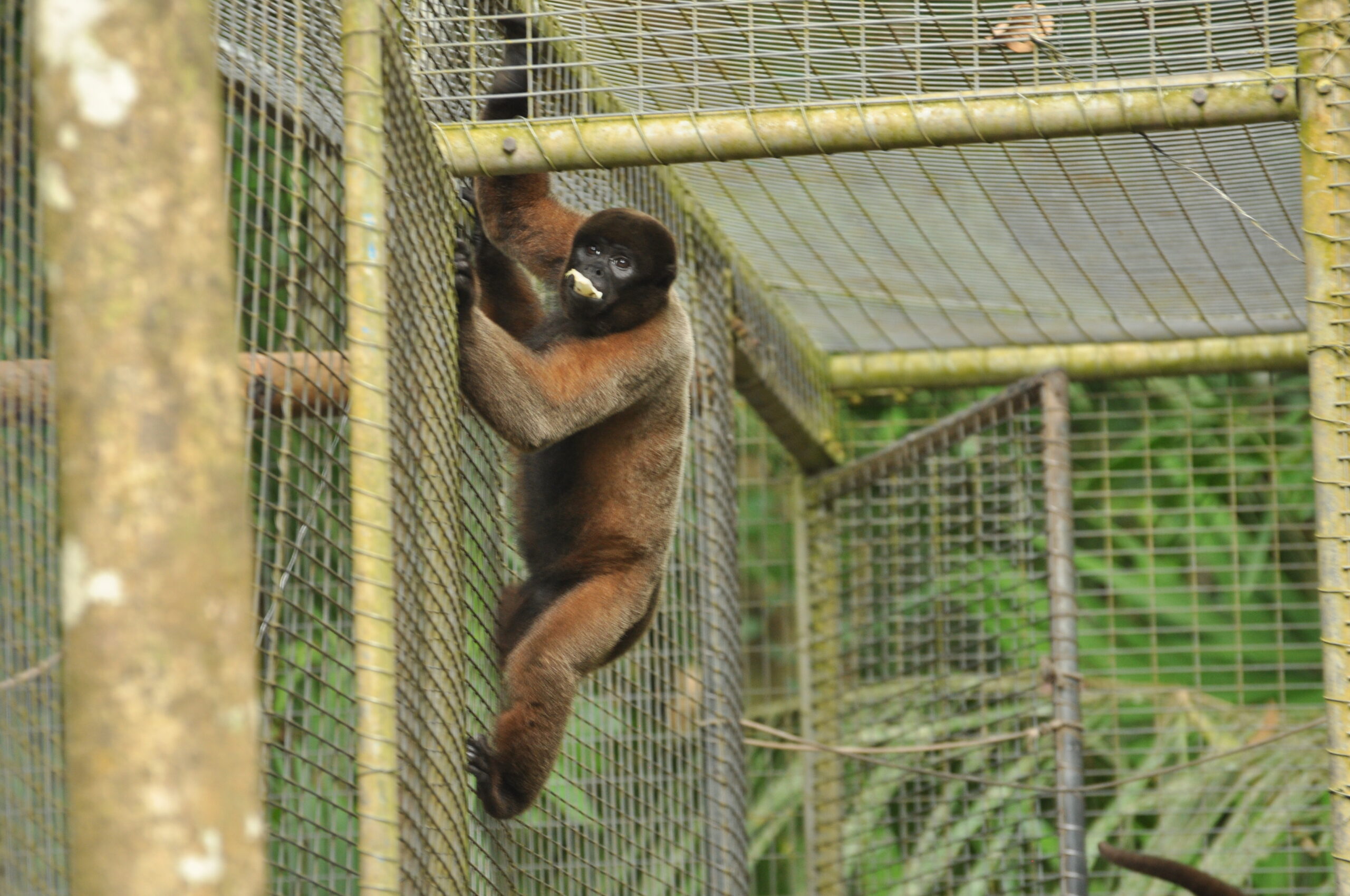
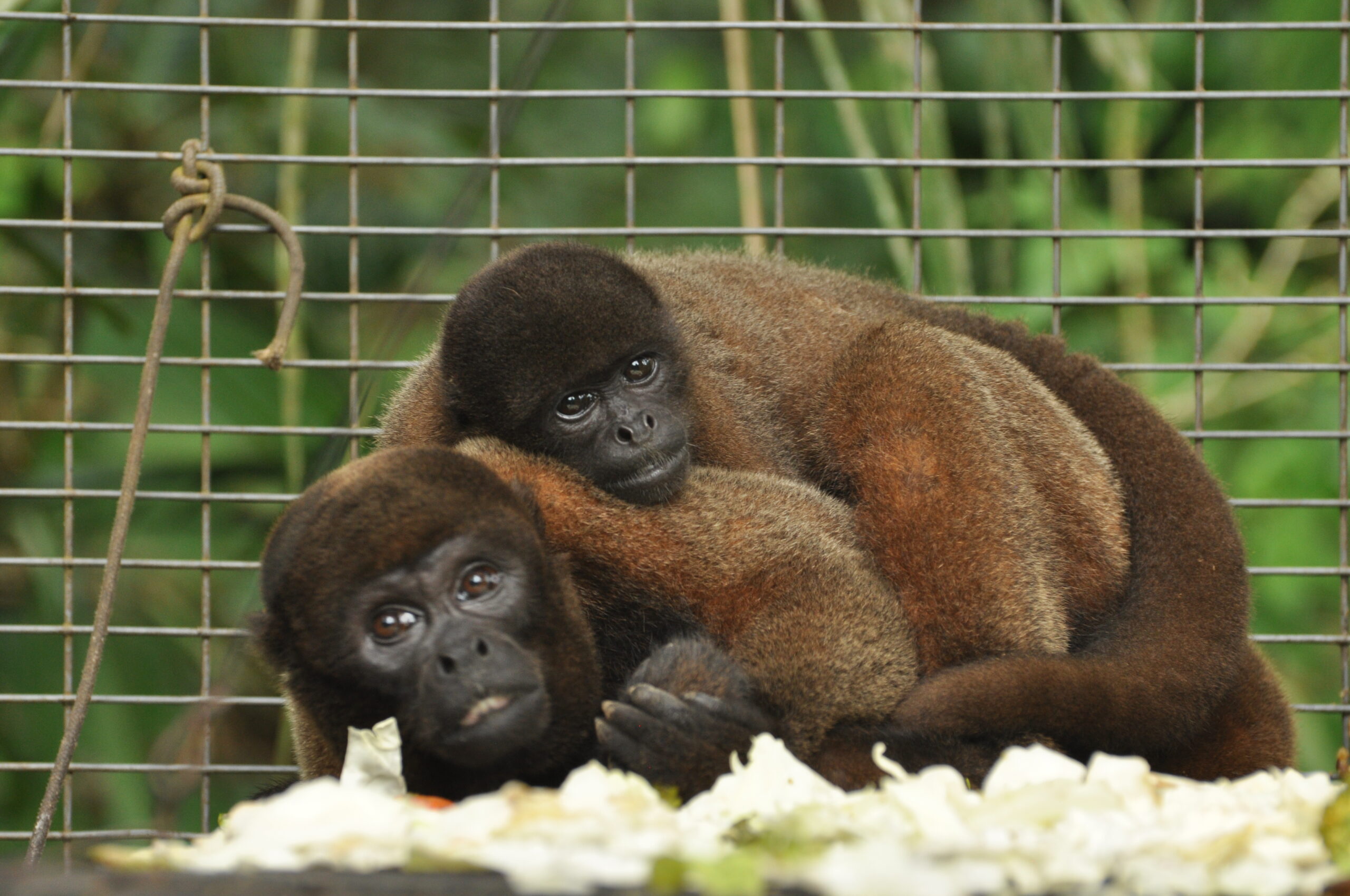
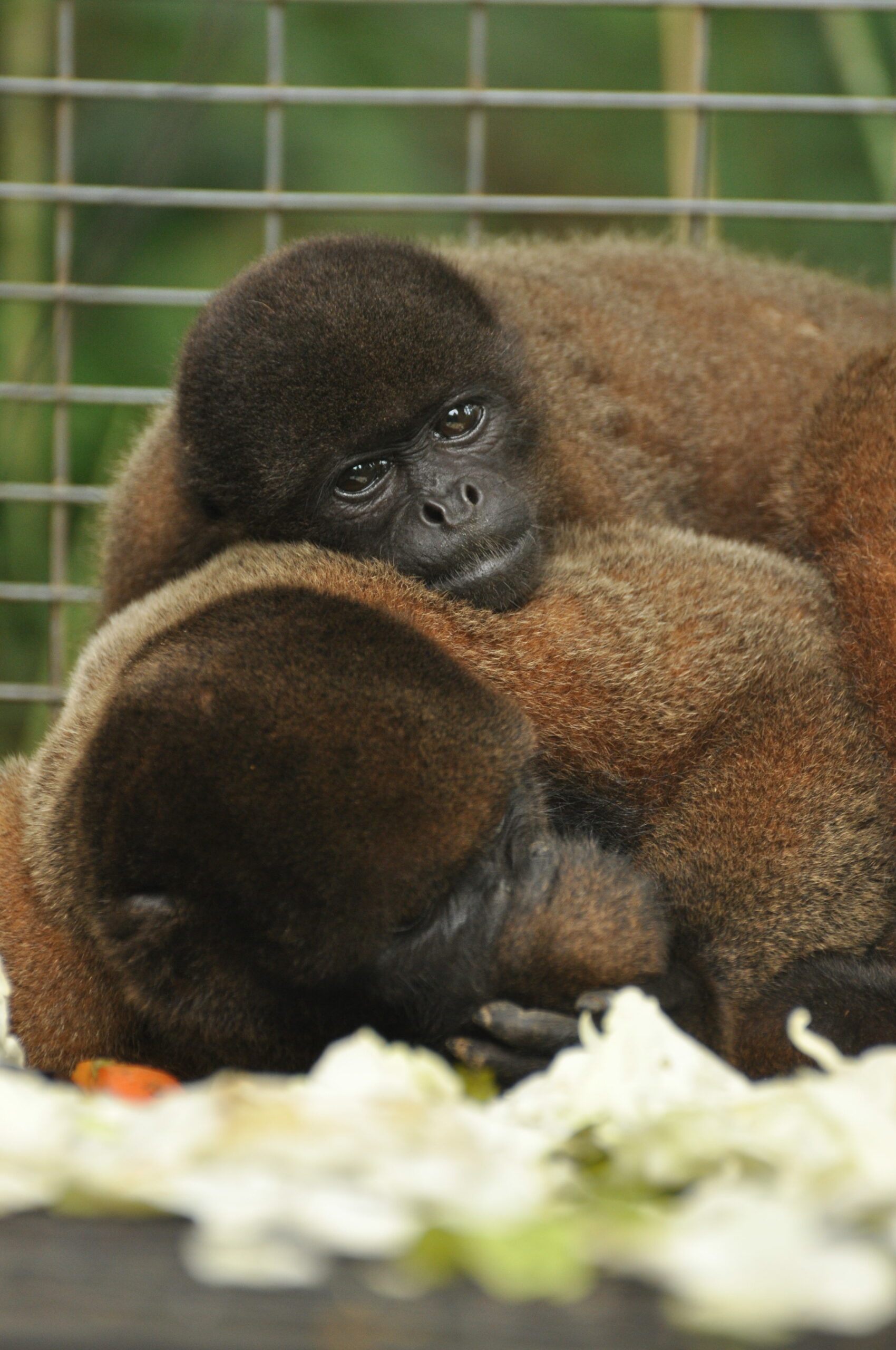
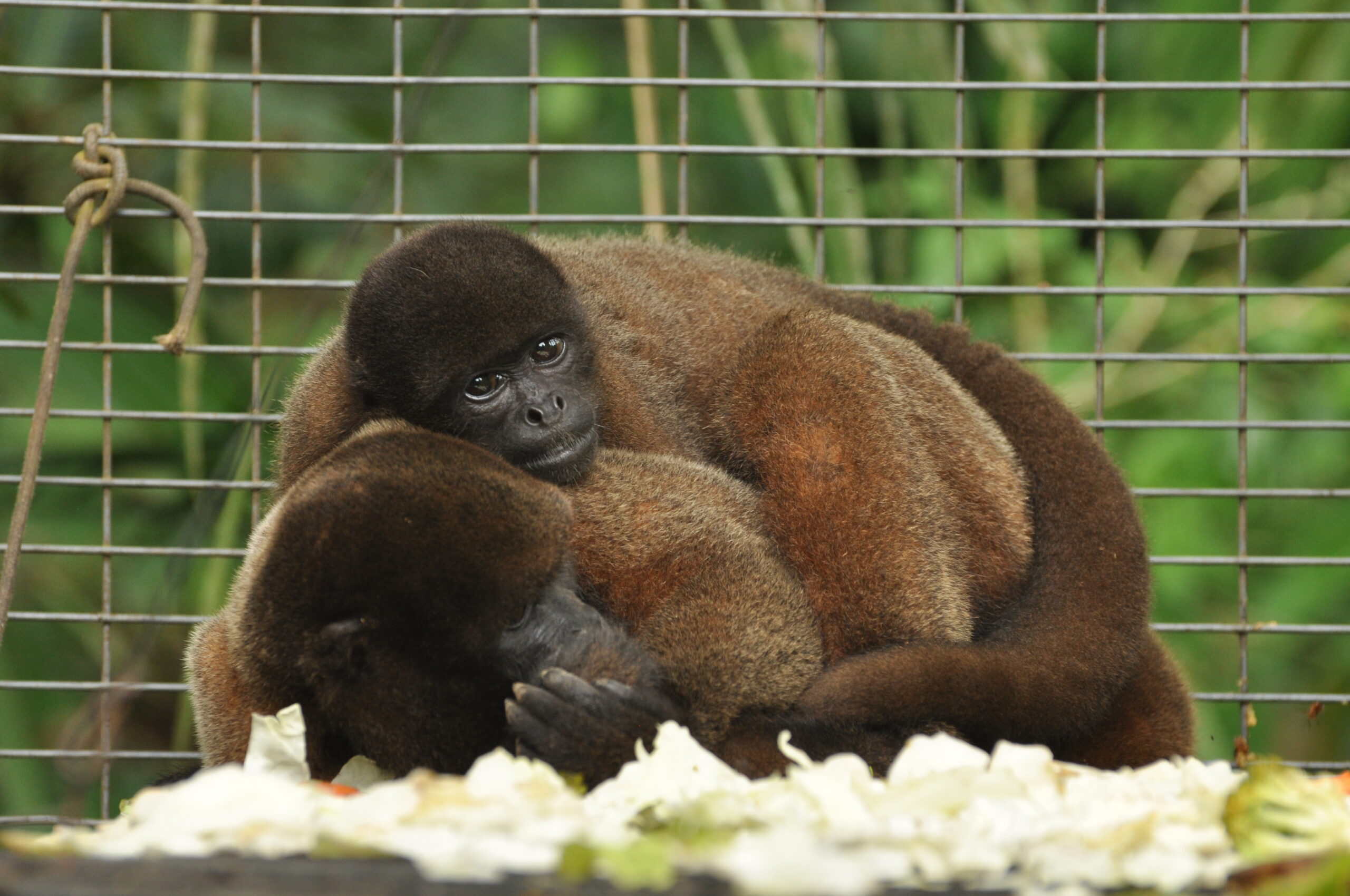
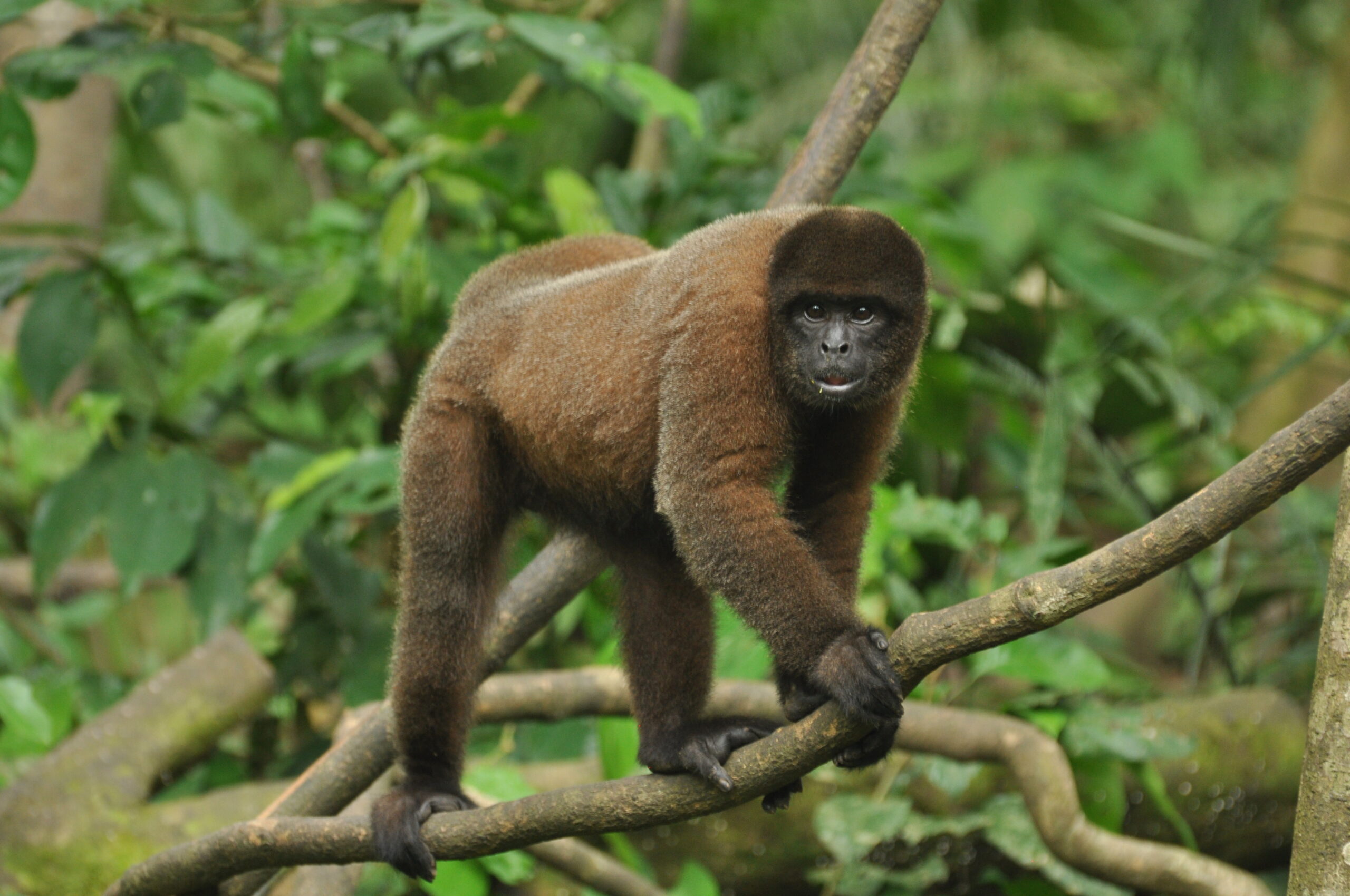
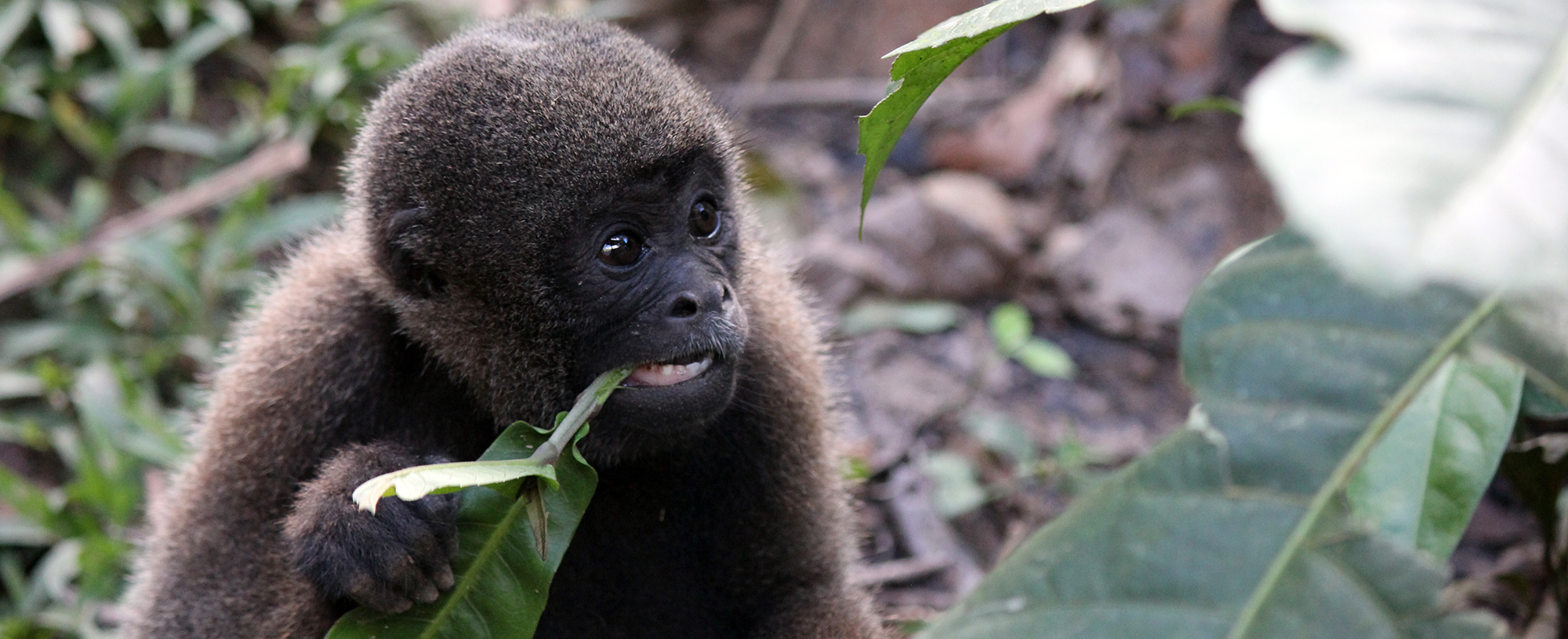
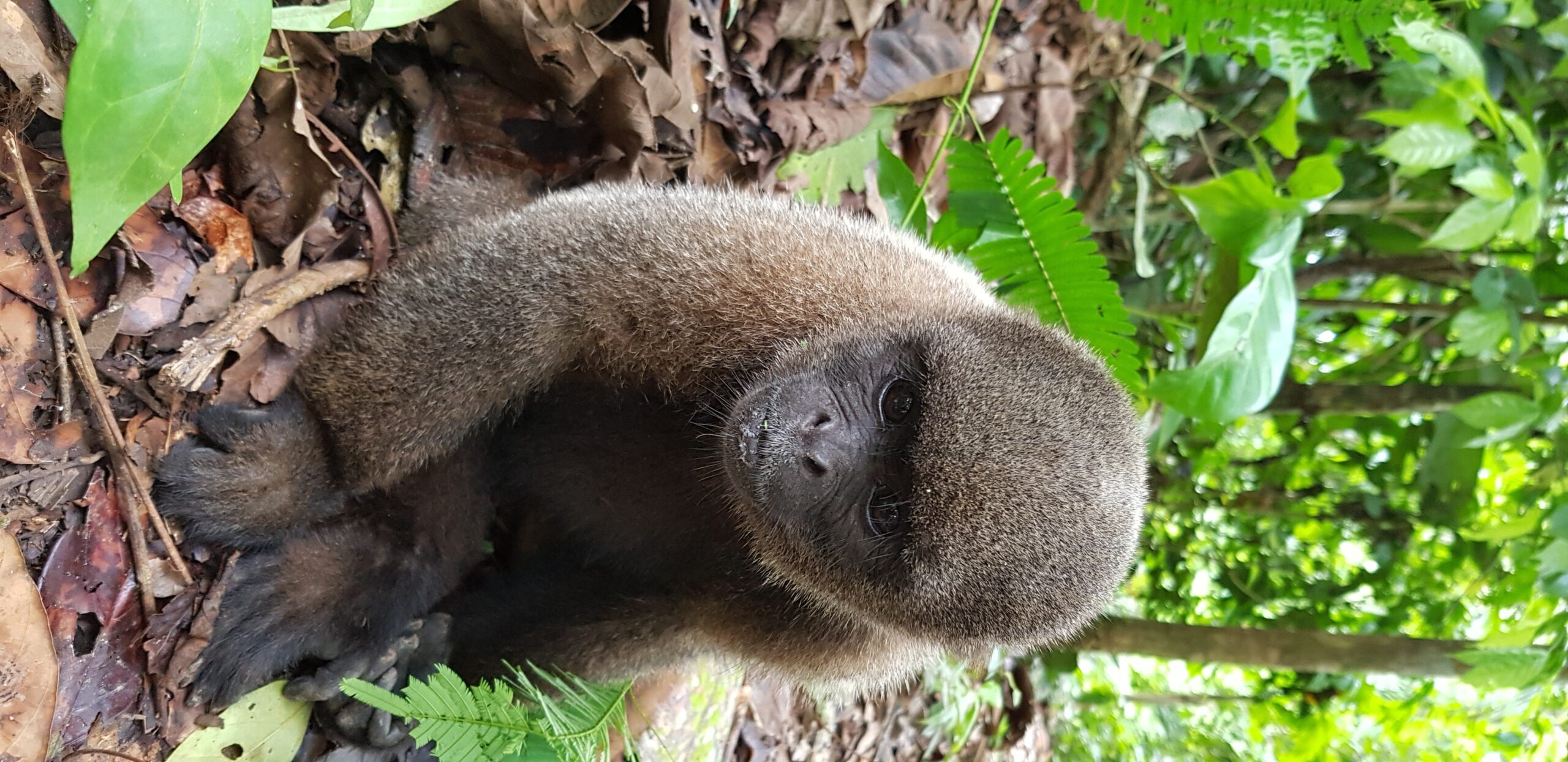
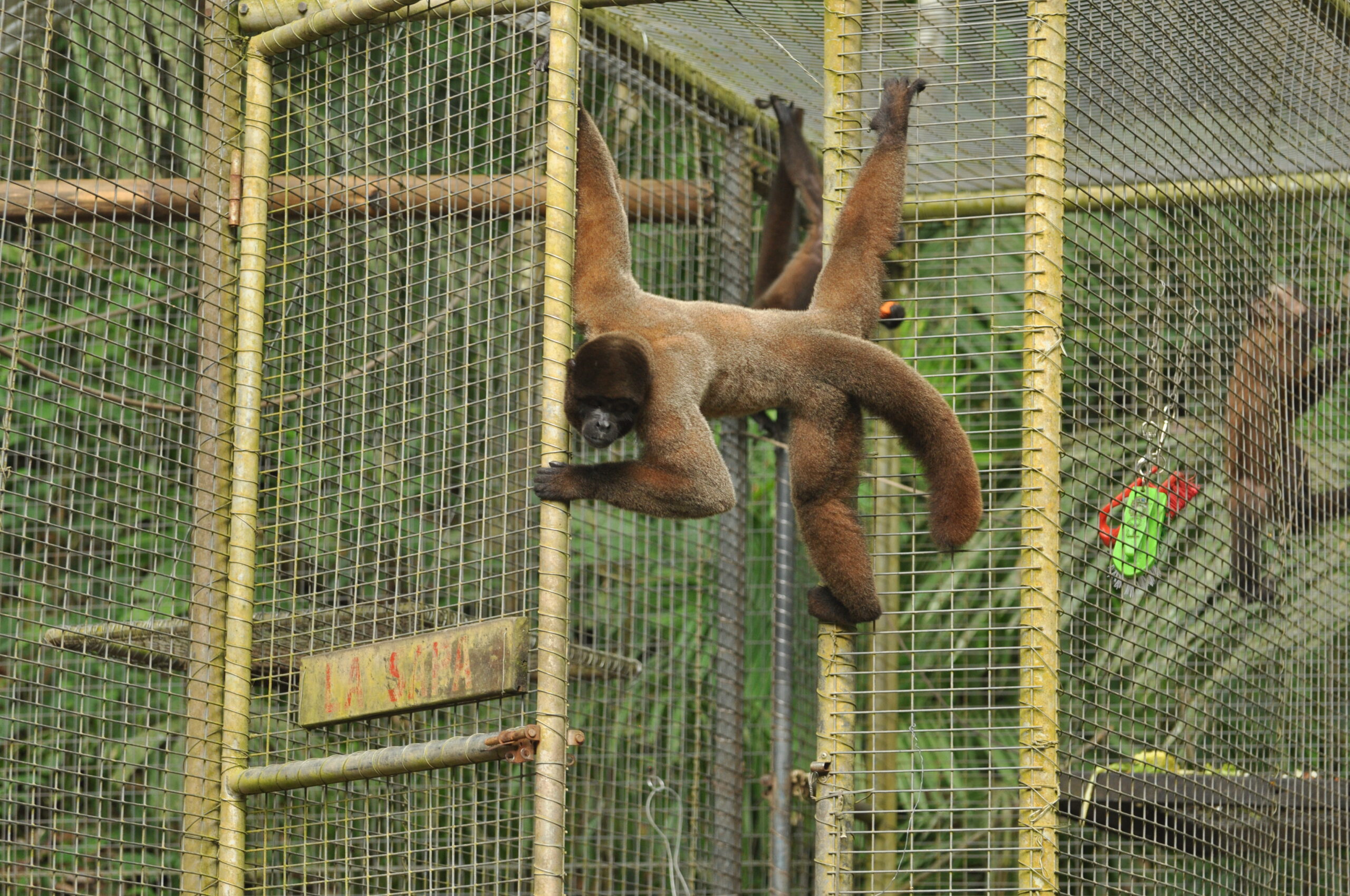
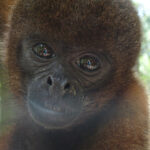
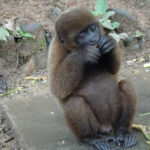
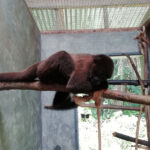
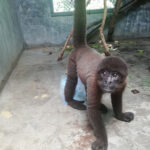
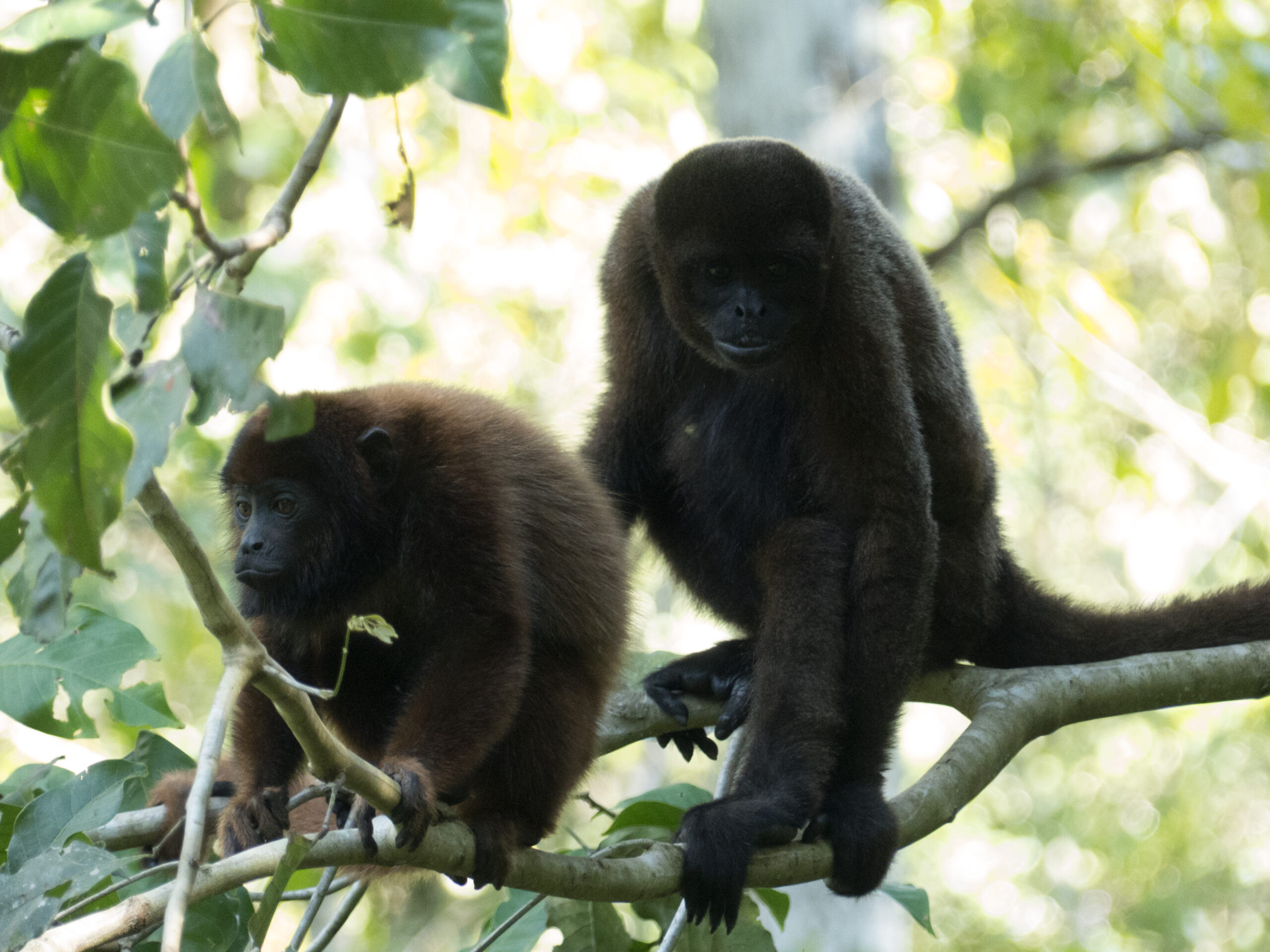
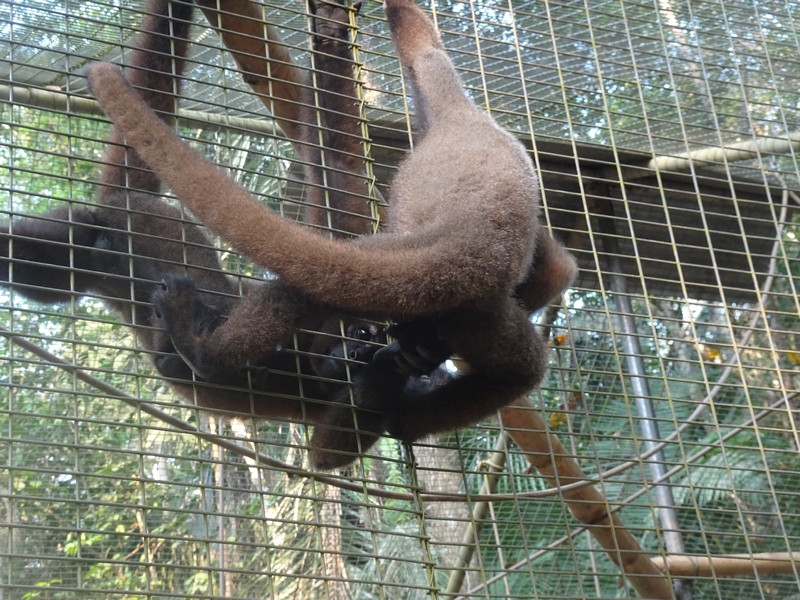
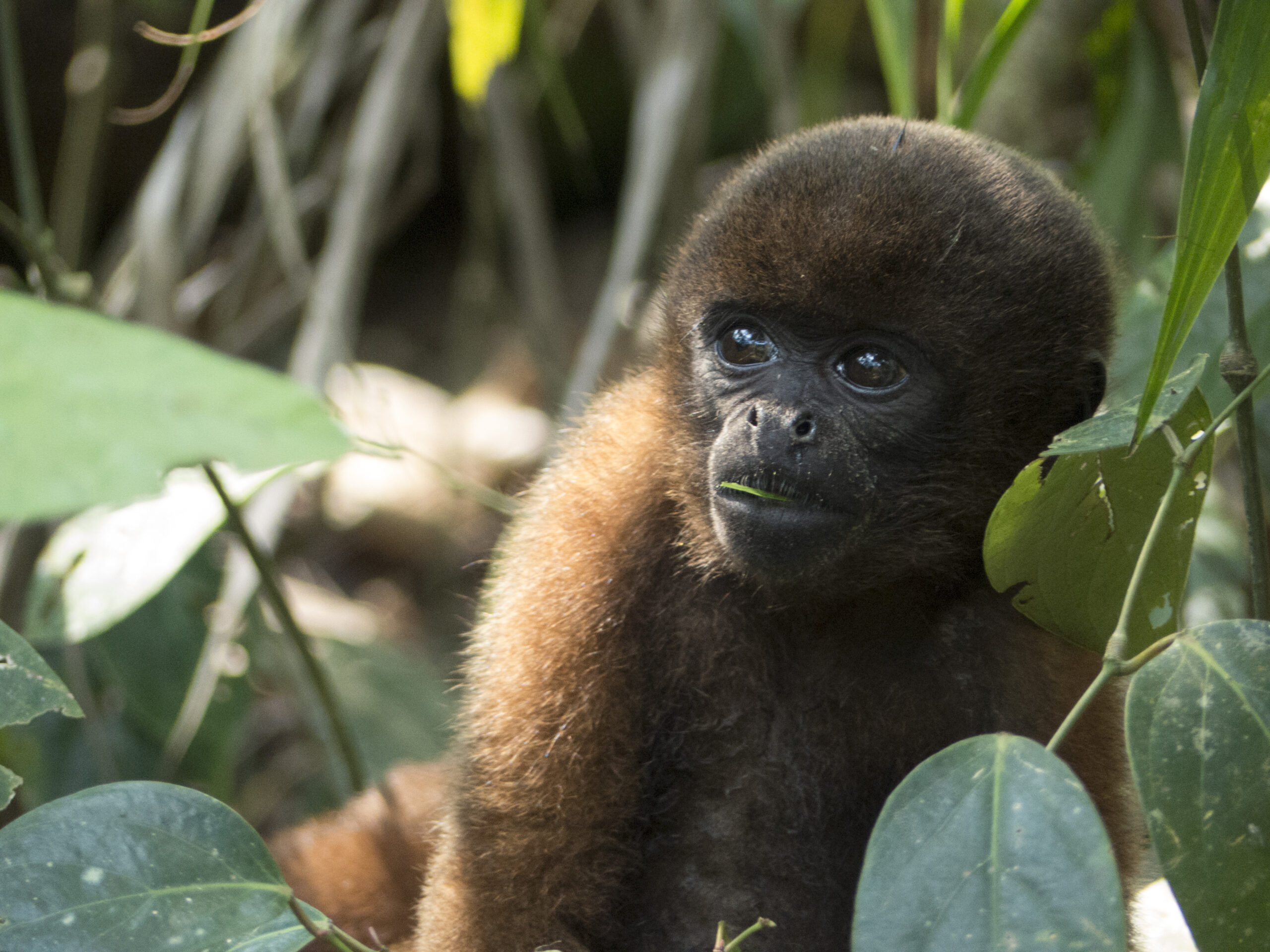
Unsurprisingly, as it always seems to work this way, no sooner than some enclosures were empty, they filed up again! On the weekly Monday shopping, Olivia was called to pick up a woolly monkey that had been held as a pet for about 6 months. The owner had left Curimana and left the monkey behind. Thankfully we managed to get hold of him before he was sold on again. He is called Panki and is now in the SUST Animal Orphan Hospital undergoing anti-parasite treatment. Our outside woollies are showing a lot of interest in him and Loki especially is spending a lot of time hanging in front of his window, which is always a good sign.

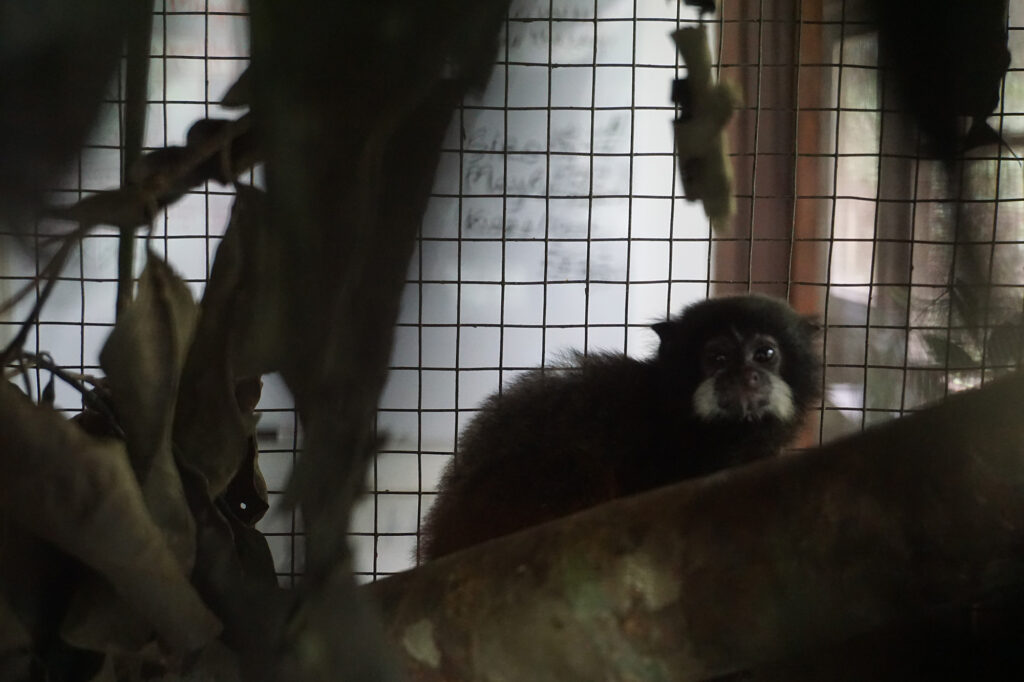
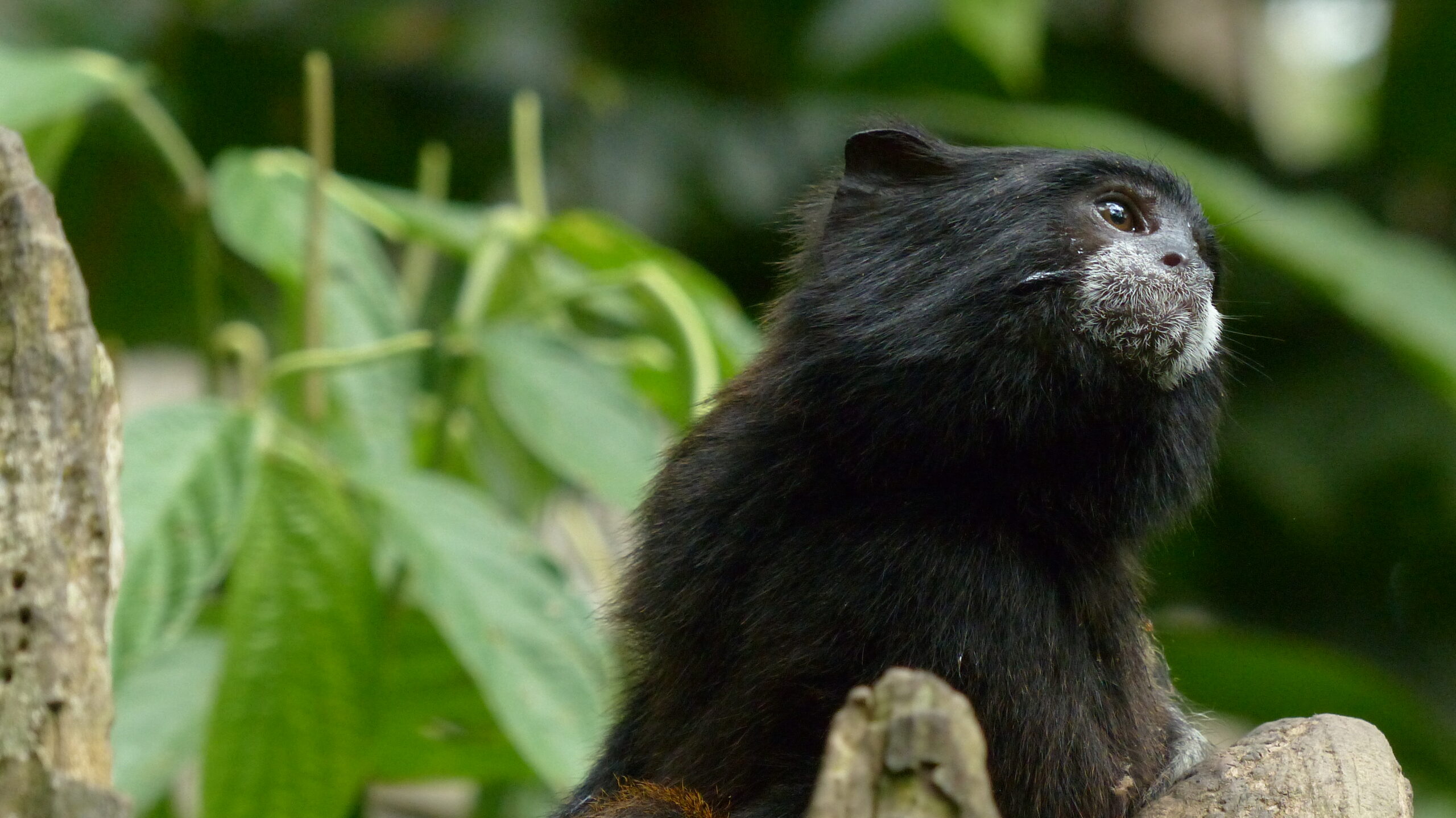
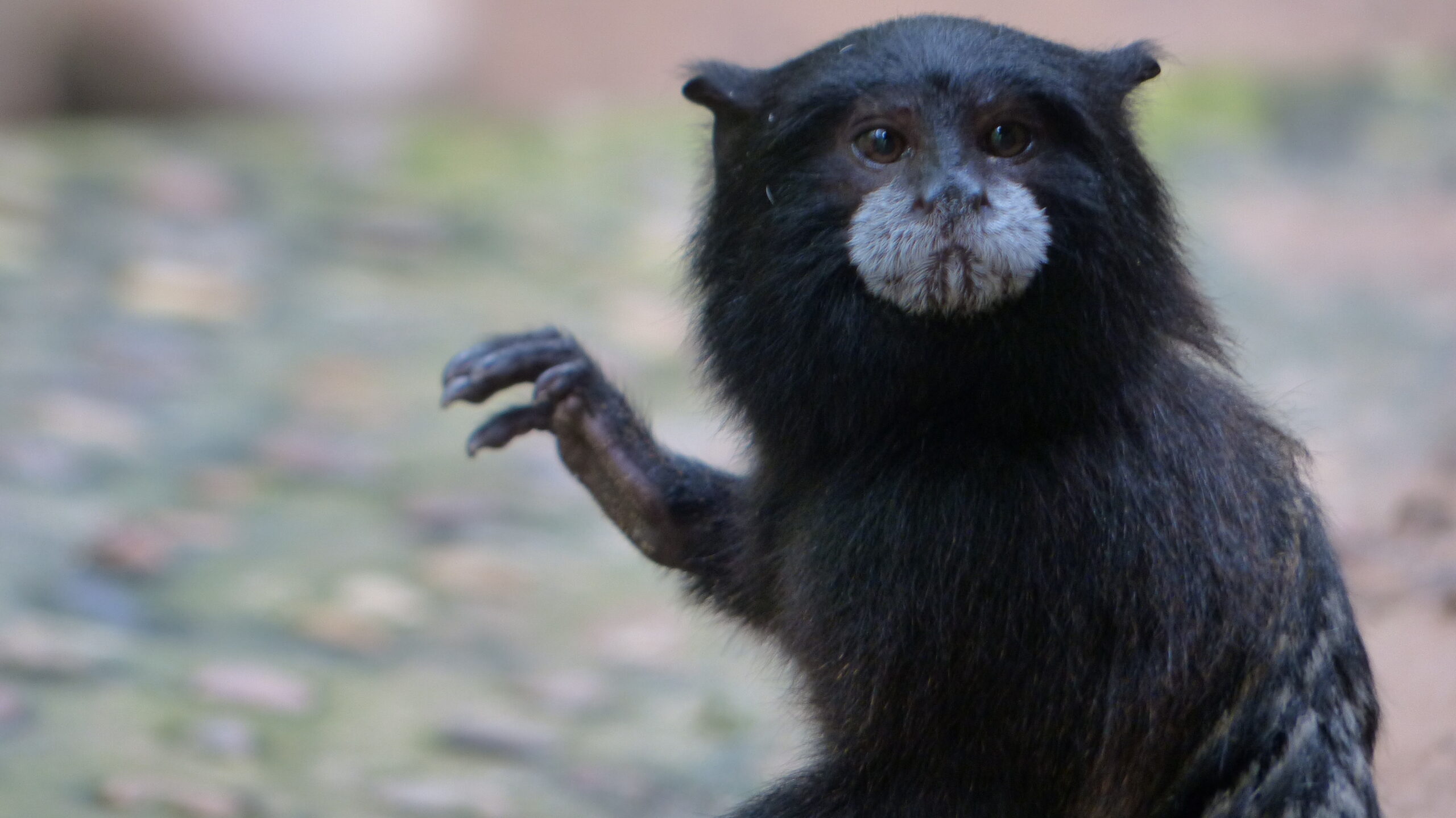
Tonka (male Andean Saddleback Tamarin) has settled well into a larger cage within the clinic. With consistent weight gains we feel he will soon be ready to release, all we need is the group of wild tamarins to show interest. Under normal conditions, the group should accept him and take him along with them.

Mayla and Sayani. Chilling, no Netflix

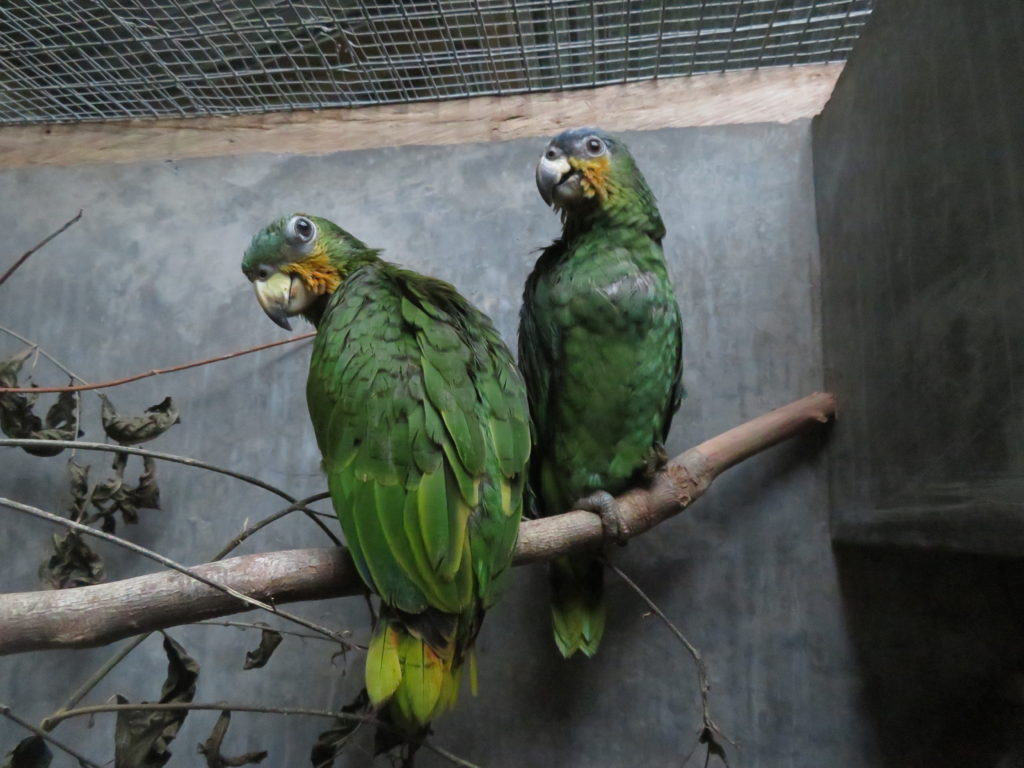
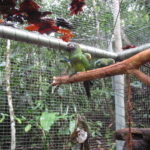
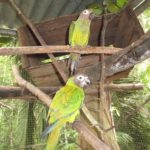
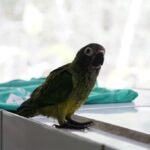
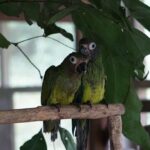
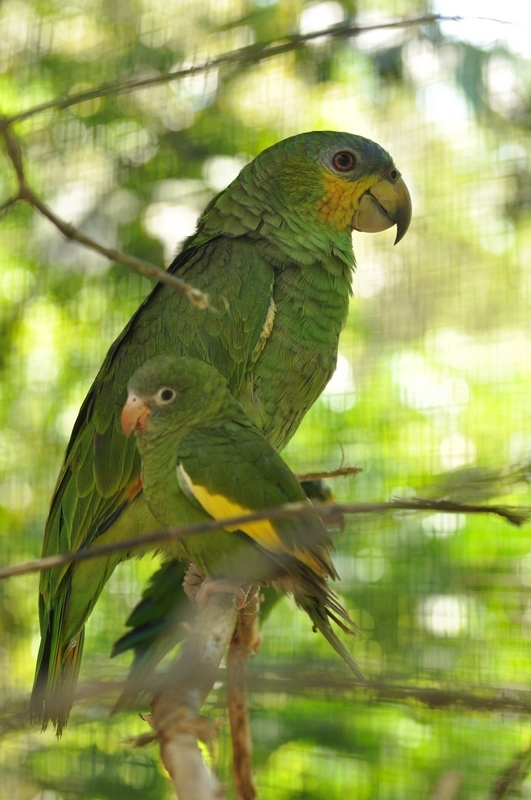
Sayani, and Mayla (orange winged amazon parrots) remain in the clinic and are being treated and readied to join the other birds in the Igor enclosure. Sayani has made good weight gains (6%) in the last month, while Mayla remains static neither gaining or losing weight.


Construction and other

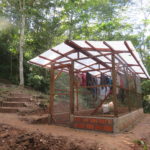
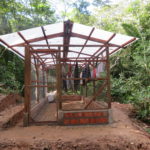
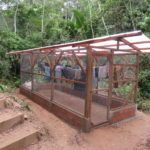
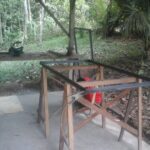
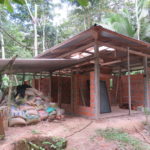
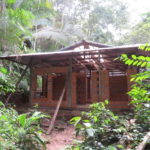
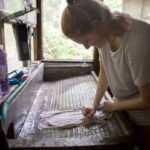
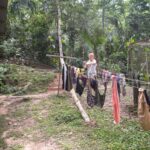
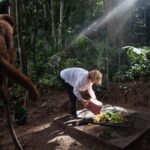
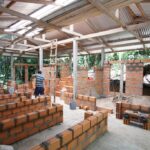
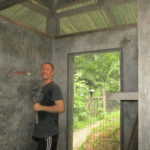
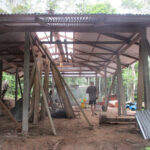
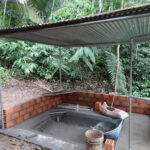
EV living just got a little bit easier. The Secadoria (new drying room) was completed and within the day, full of volunteers washing. Everybody is grateful to have a weatherproof area secure from monkeys to hang their washing to dry.

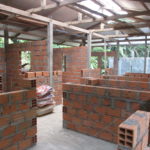
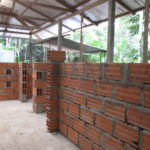
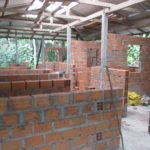
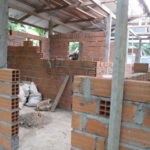
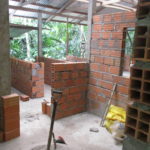
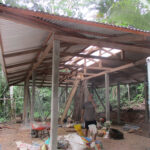
As reported last month, a great deal of moving of animals has taken place in the previous 10-12 weeks, which has had a huge impact on the new quarantine. Although visually it appears that progress has stalled, that is not entirely the case. Across the river, Douwe and Geiler have been hard at work constructing doors and windows. At last count there were eight windows and ten doors near ready. We don’t yet have anywhere to hang these doors, but it is still impressive to see the amount of work done, given all the ongoing general maintenance required for a project of this size.


Volunteers

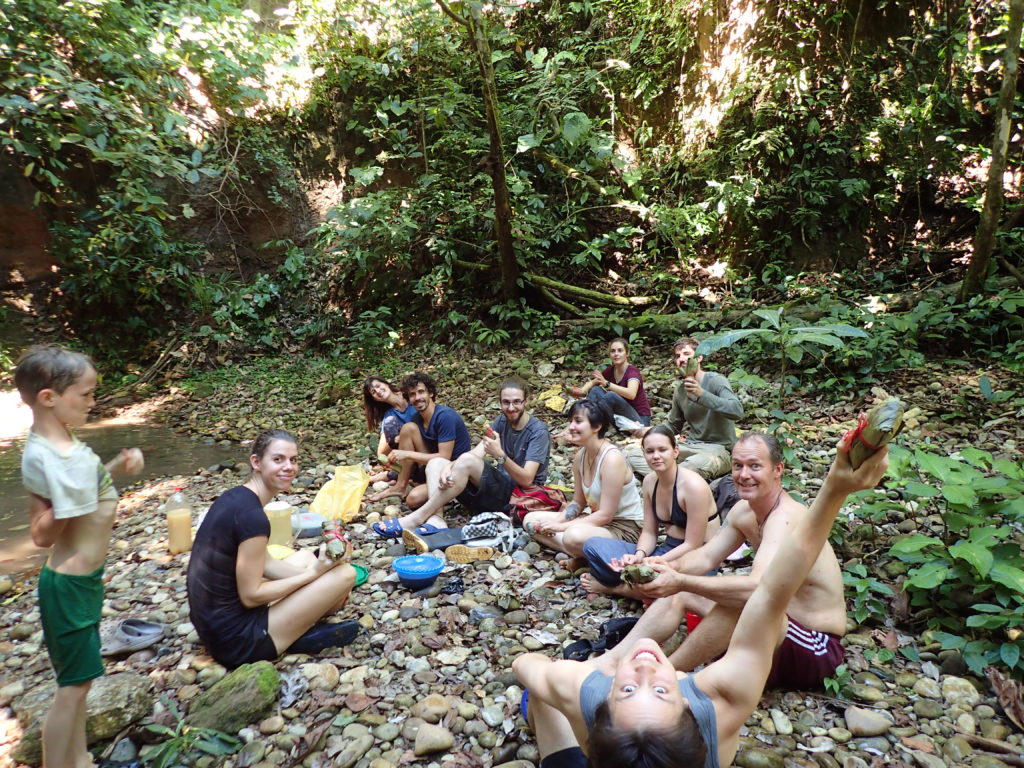
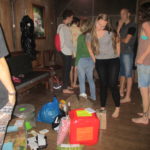
This month the volunteers organized a quiz night one Saturday night. With four teams randomly selected and bragging rights up for grabs, enthusiasm was high! Douwe was dragged from a seldom empty family house to come and join the revelry, and we all had high hopes for him being on the winning team (because the boss should always win). Sadly, this was not the case and like his, many others’ hopes were crushed too. The winning team of “Three Tree Turkeys” won by a resounding two points and managed to rub salt into the wounds of everyone else for the next two days. We all look forward to a rematch!

April 2019 Newsletter

April was a very hot month with very little rain except for the occasional storm. Nevertheless the high temperatures didn’t stop the volunteers from working hard to look after all the animals.


Monkeys

Uma

This month we had to say goodbye to Uma (female woolly monkey). She had been treated several times in the past few months for the parasite Prosthenorchis Elegans. Sadly her condition became worse and worse in the last few weeks and despite our best efforts we couldn’t save her. This is a very sad loss for everyone who worked so hard to give this monkey a second chance in the wild.

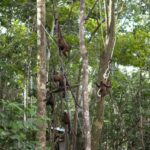
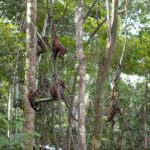
Despite the loss of Uma the rest of our monkey troop are doing well. At times like this we take comfort in watching these monkeys exploring the jungle and enjoying their newfound freedom. Like Uma nearly all of these monkeys were rescued from the illegal wildlife trade and later released back in to their natural habitat. Our team work tireless to give as many animals as possible this opportunity.

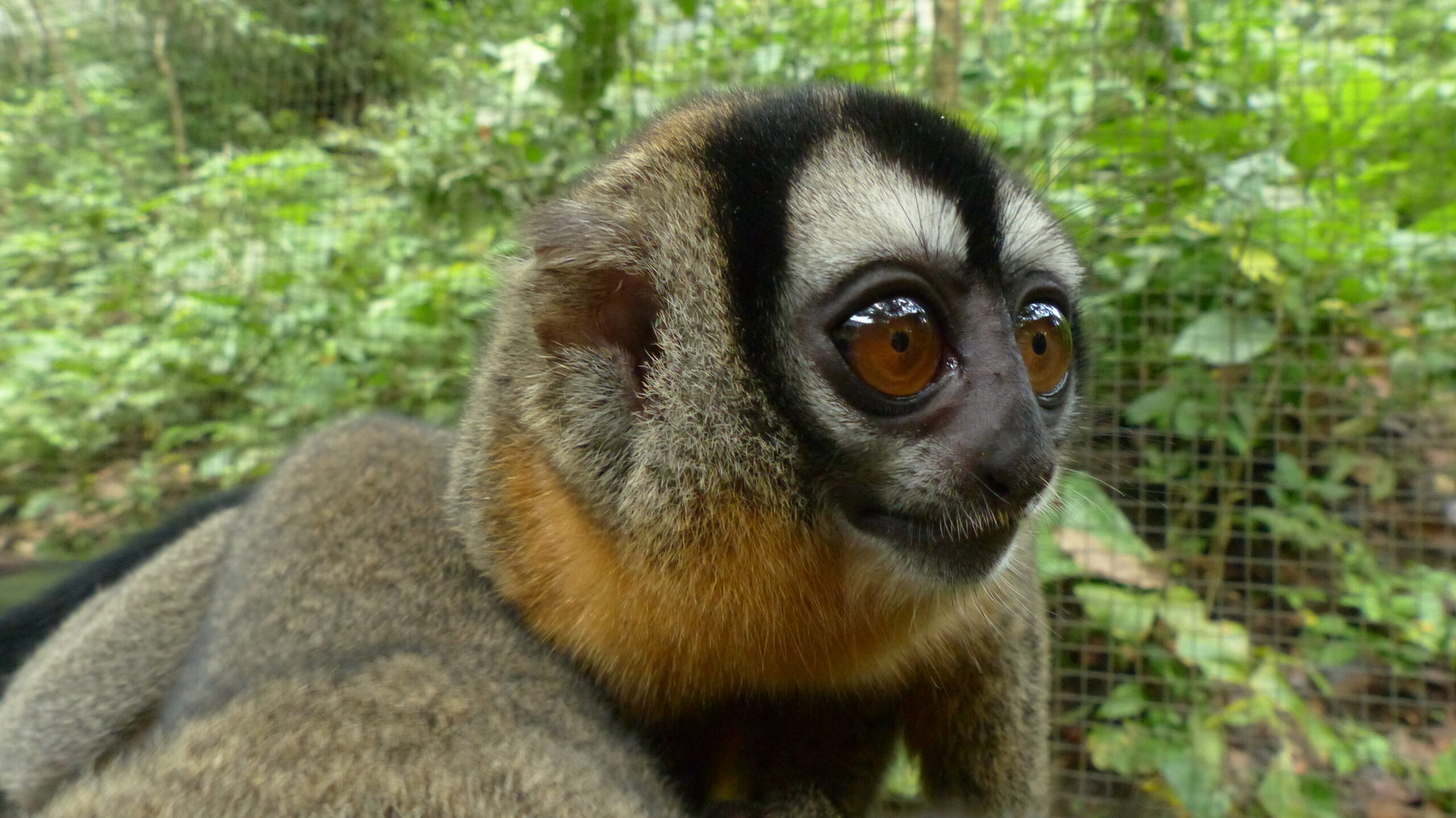
Nayro and Burbujas were moved to the Roko enclosure. This is the former home of our female and male night monkeys, Luna and Otis. However in truth Luna and Otis haven’t fully vacated as they are still using the front section of the enclosure to rest and eat from during the day. Despite this, the two capuchins Nayro and Burbujas seem to like their new home. Also the bond between them is growing stronger every day. These two boys really look out for each other!

Rimaq and Lucio (male Spider Monkeys) are both undergoing a long-term treatment against fungus. It has been diagnosed as ringworm, but these monkeys do not seem to mind the treatment one bit as now they receive some bread with jam (and medicine) every day.


  Other animals

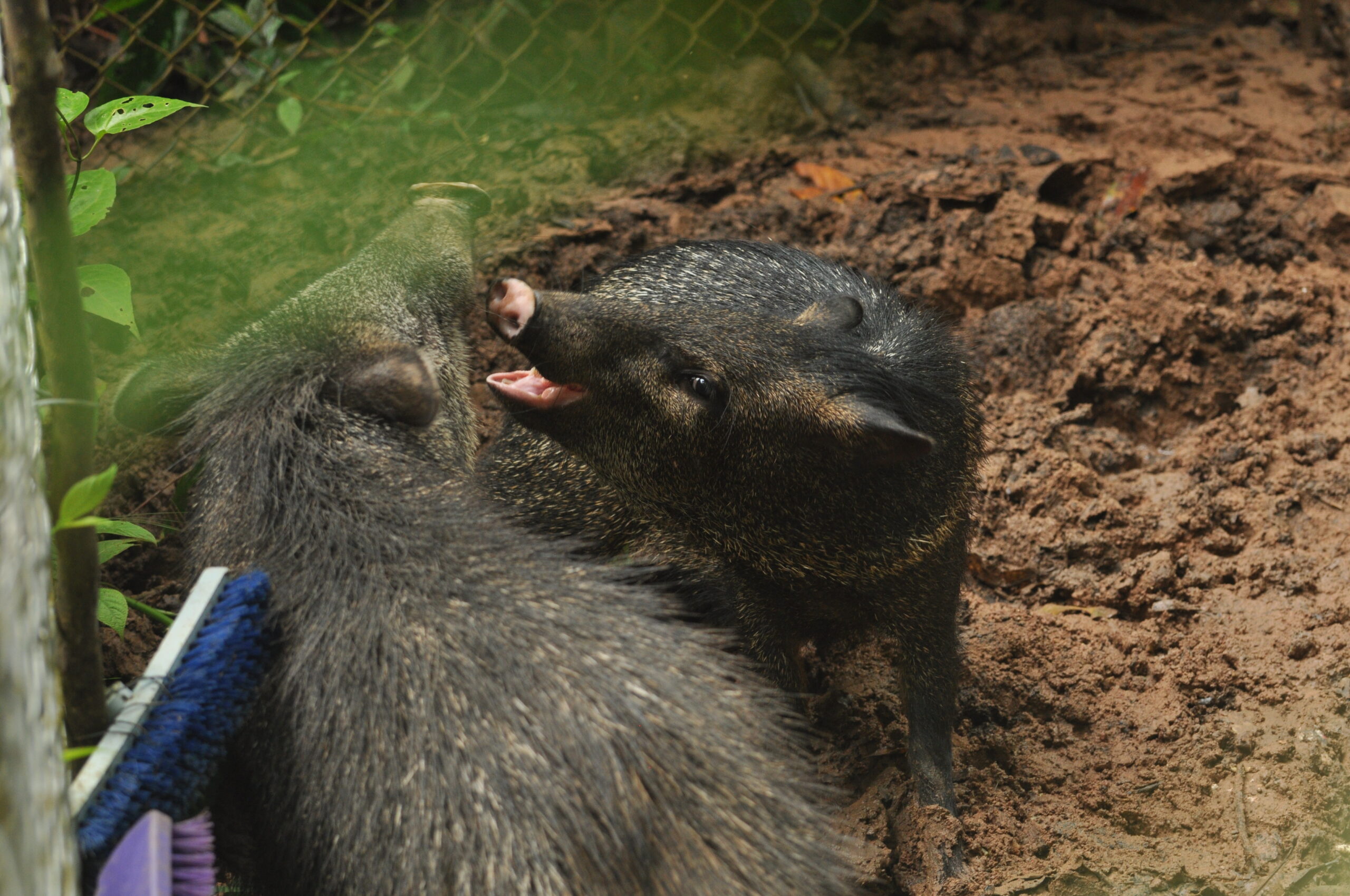
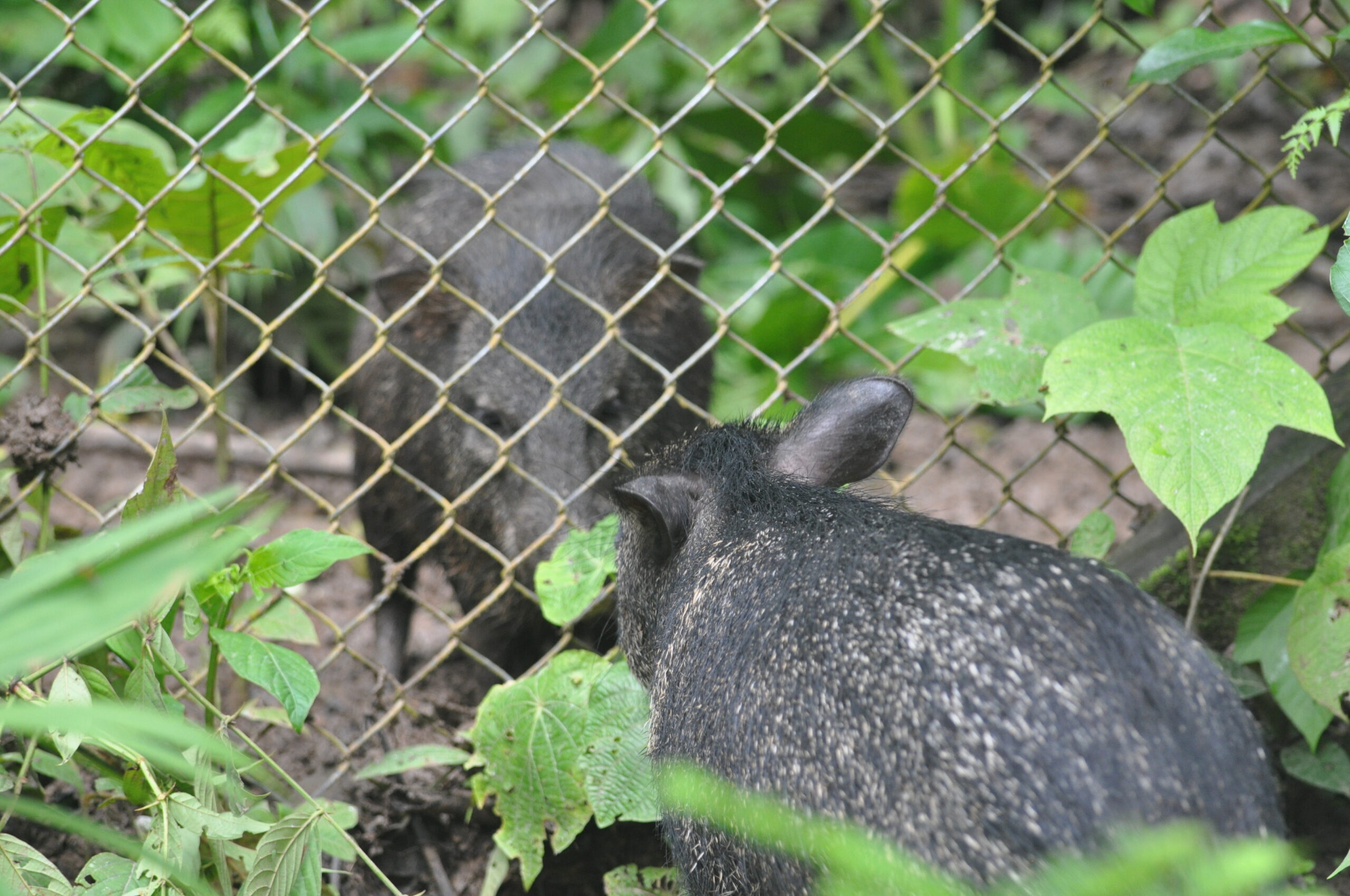
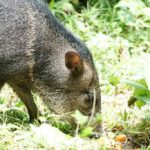
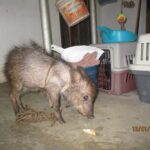
Roxanna (young female peccary) recently moved to an enclosure with Kohana and Timo, one adult female and one adult male peccary. During the introduction we all held our breaths to see the reaction of Kohana, as the first encounters can get pretty rough with peccaries. Kohana directly showed interest and was following Roxanna around. Although the noises they initially made were a little concerning, it seemed to all go well. Kohanna followed Roxanna around, and although there was some rough teeth-clicking, Roxanna seemed to enjoy the company and did not run away. We are all relieved that it went well and happy to see the three of them peacefully living together.

Rafiki moved back to the clinic again. The macaws and parakeets moved out of the clinic, so we had more than enough space to move Rafiki in to a brand new bigger cage. He seems to be happy and he is taking huge steps towards recovery, thanks to physiotherapy treatment he is receiving.

We were lucky enough this month to say hello to an old friend once again. One night when a volunteer went to check if all the baby monkeys were sleeping safe in a tree, she saw something big and furry high up. Sure enough, it was Elmo! Elmo is a male two-toed sloth that we raised from small and released some years ago. It has been about 6 months since we last saw him. Seeing this released animal doing so well living in the wild, gives us all a huge pat on the back.


SUST Animal Orphan Hospital

Tonka

This month we welcomed two new baby monkeys in to our care. The first one is a young male Tamarin named Tonka. He is currently staying at the clinic but is in very good health. He is gaining weight quickly and seems to be enjoying eating the crickets the volunteers catch for him. These crickets are a great source of protein for a growing Tamarin.

The second baby we welcomed is Armando (male howler monkey) and everyone is already completely captivated with him. The baby is about 3 months old, has a chocolate colored fur and big brown eyes. Howler monkeys have a very sensitive digestive system and are known to fall into a depressed state when separated from their mothers at a young age. With as this is mind we need to keep a close eye on this new arrival and so Armando is currently staying in the manager’s house under 24/7 supervision. The little guy is in very good condition but there is still has a long way to go to until he becomes a big howler male and can hopefully be released.

In the clinic, April was another month where birds were at the center of most of the work undertaken by our team. But thankfully this month was a lot calmer than the last, and the thousand of new birds have finally settled in. At the beginning of the month the birds were still suffering from a fungal infestation Aspergillus that damaged their respiratory system but after a few weeks the majority recovered well. Each day they grew in strength, thanks to the efforts of our team, an enriched diet, increased vitamins, and some anti-fungal treatment.

Overall it has been a tough time for everyone but it is beautiful to see that our hard work paying off and the birds slowly regaining their health and happiness. Such a large arrival of the birds was a big challenge for Esperanza Verde but thanks to everyone’s efforts and working together as a team, many of these birds will likely be released in to the wild once again!


Construction and other

Anyone fortunate enough to have been a volunteer at EV will appreciate the challenge of drying clothes in such a humid environment, and if you’re not battling the ever changing elements you are fending off the thieving monkeys.
Just outside the volunteer house, where the oldest animal enclosure (‘Casa’) was standing, a new facility is being built so clothes (human clothes as well as the famous ‘monkey’ clothes) can then be hung up to dry under a roof. To many this will seem a small thing but for those of us living in the rainforest it is a huge improvement! Sometimes we have to enrich the lives of the humans here…as well as the animals.

A lot of enclosure preparing happened this month. Tupak had to be prepared for the parakeets from the clinic and needed bigger feeding tables to feed more birds. Roko was prepared for the new inhabitants Nayro and Burbujas and their previous enclosure, Araña, was prepared for more parakeets from the clinic. A lot of moving and rebuilding was required to ensure all the animals have a comfortable and enriched habitat.

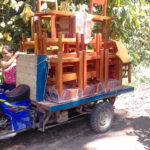
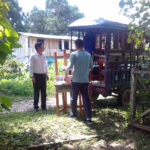
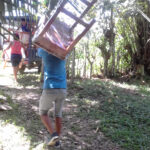
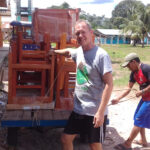
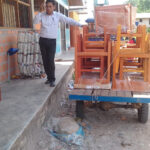
This month also saw us give something back to the local community. The children at the local school are increasing in number and as a result many had to share desks and sometimes even their chairs in the classroom. Thanks to several volunteers and friends who donated and little top-up from the EV fund, we donated 20 desks and chairs to the primary school in Bello Horizonte.


Volunteers and visitors

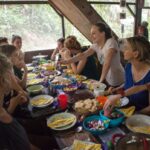
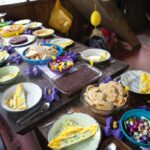
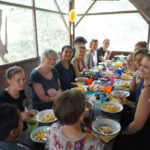
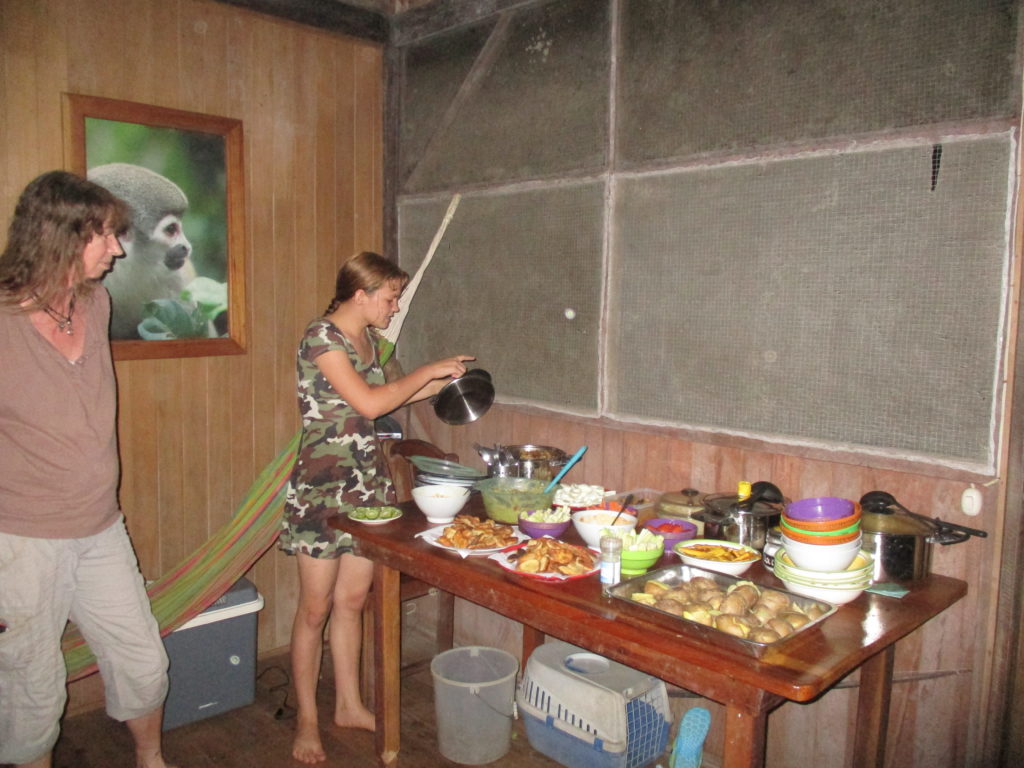
E.V. was happy to welcome some visitors this month. We were delighted to have several good friends of the managers visiting from Holland. With them we celebrated Easter, having a cozy brunch and, according to the tradition in Holland, a real egg hunt! After the search for the eggs we all ate together and enjoyed the many treats they had prepared for us. Chocolate, bread, pasta and potato salad … A lovely meal!

Since one of the visitors is a professional photographer, she also took her chance to take many pictures of all the animals we have here. She went along with some of the volunteers on their tours, making the most beautiful photos, of which many are accompanying this months’ update!

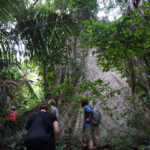
A few of the volunteers were this week lucky enough to join Machico (one of the workers) on a big walk through the jungle. Machico knows the forest like the back of his hand so this was an opportunity to share his knowledge about the forest with the volunteers and everyone loved it!

March 2019 Newsletter

This March was another relatively dry month with unusually infrequent rain. Normally this would surprise us but this month we barely seemed to notice. Read on and you’ll find out why.


Monkeys

Uma

Unfortunately, Uma (female woolly monkey) isn’t doing very well. Our released woolly monkeys are all struggling with a parasite called ‘’Prosthenorchis Elegans’’. This parasite, carried by beetles living on the ground, attaches itself into the inner wall of the intestines. All our woolly monkeys have been treated with anti-parasite medication however currently there is no known cure for this parasite. Unfortunately re-infestation in the jungle is continuous, so any treatment never cures the problem. The other monkeys have responded well to a course of treatment but Uma appears to be very unwell and has lost nearly 30% of her body weight in the last twelve months. Uma is now in the Roko enclosure where we are able to monitor her progress more closely and ensure she is getting the best diet, medication and care we can provide. So far this has had positive results and Uma has gained just over 100 grams (4% of her current body weight) in the first seven days of treatment.

Sira on her day spot at EV in 2019

Sira (adult female night monkey) recovered well from the wounds she most likely received from another monkey. She returned for a few nights to her favourite resting spot however one day she wasn’t there and she was seen instead at the quarantine site. After that she was seen on one occasion during the night, before disappearing for good. We think she most likely has had enough of the other species of monkeys and has moved deeper into the jungle. We hope Sira is well and someday finds herself a mate out there in the wild.


Other animals

Mokwai and Rumani (Crab eating racoons) are taking their first steps into the wild. Over the last month we have seen them initially being walked by Douwe on a leash, and as they have become more comfortable, walking freely with Douwe and some of the volunteers. It is slow going but also very positive to see them out enjoying and experimenting in the unfamiliar territory that will one day be their home.


SUST Animal Orphan Hospital

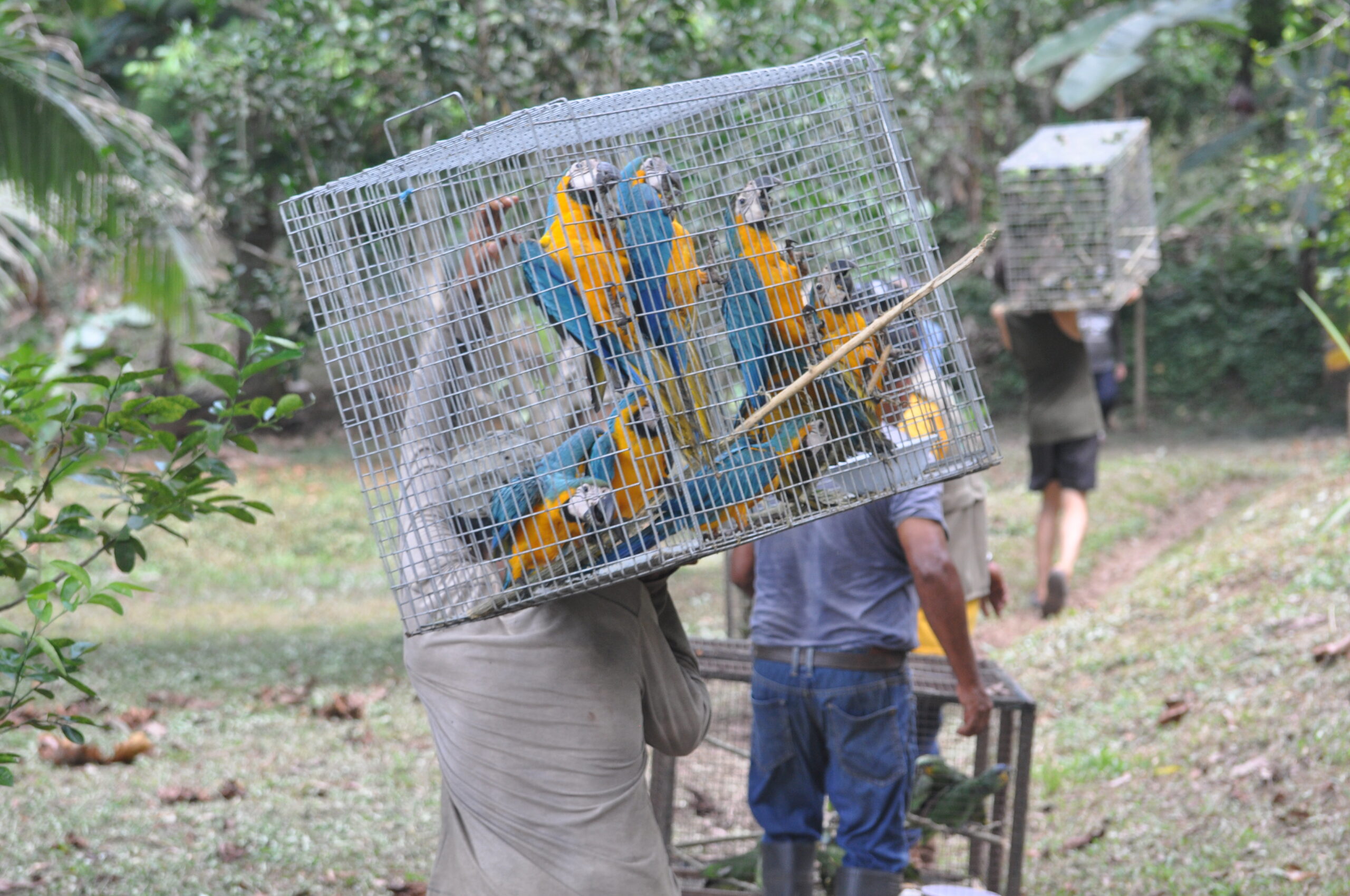
If February wasn’t as frantic as previous months, March more than made up for it. Fortunately, Olivia was given a days’ notice that a thousand birds had been confiscated from a bus travelling to Lima to be sold on the local and international market for exotic pets. In just one afternoon, all the animals currently in the clinic needed to find new lodgings, and all clinic cages were thoroughly cleaned and set up to accommodate the new arrivals.

Roxanna (Collared peccary) was moved to the front cage of the Rincay enclosure, right next door to the two older peccaries (female Kohana, and male Timo). This move will allow them all to become familiar with one another prior to formal introductions. So far this seems to be going well and all three have made contact through the wire fence.

Jope, Dakiri and Rabito eating together

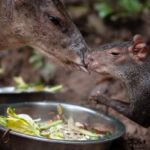
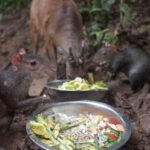
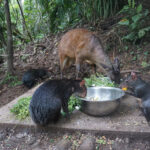
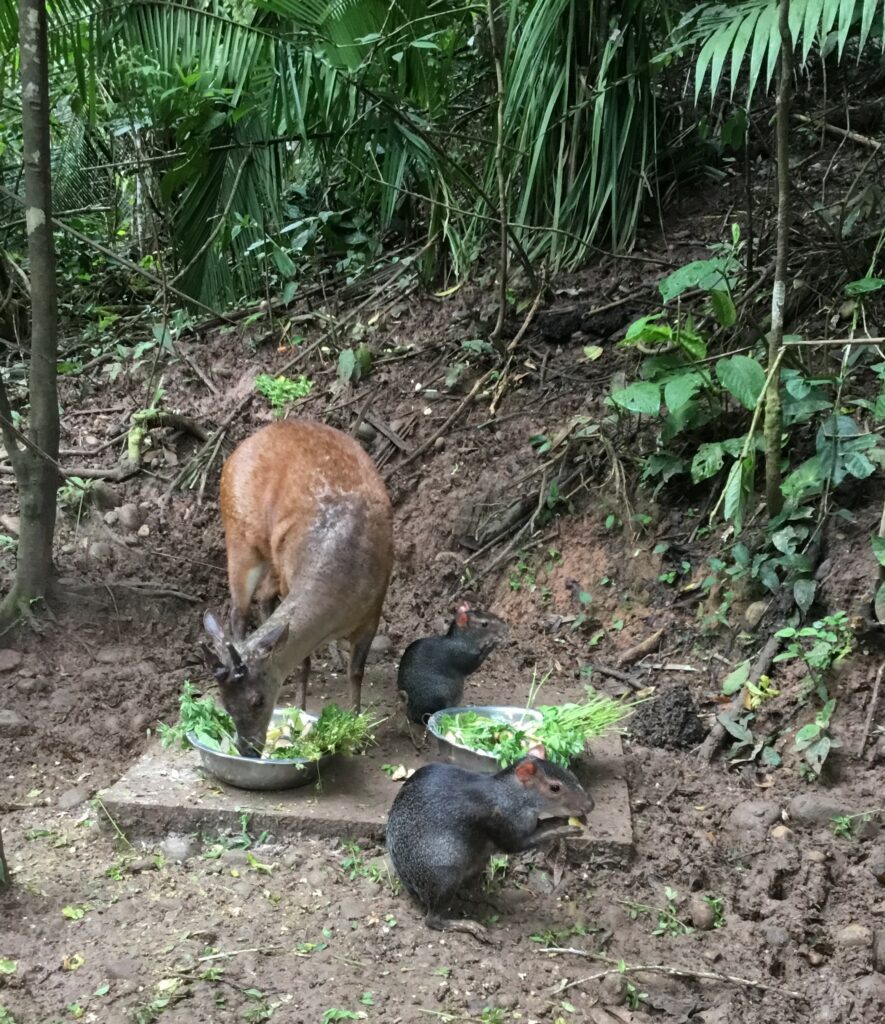
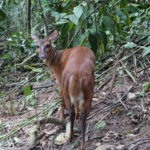
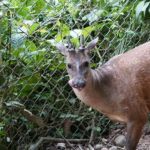
Jope (male agouti) and Dakiri (female agouti) were moved to the Pepito enclosure, where they joined Ringo and Rabito (red brocket deer) and Doquino (male agouti). Initial introductions saw Jope asserting his authority but as the days progressed all three agouti and the two deer appear to have accepted the new living arrangements and life is peaceful once again.

Nayro (baby male large headed capuchin) is growing up fast. This month he took the huge step of moving out of the clinic into an enclosure with the slightly older male Burbujas (large headed capuchin). The introduction was done step by step. At first, he started with short visits, staying for only a few hours at a time. As he became more confident the visits became longer. As they both got along so well, Nayro has now officially moved to Burbujas’ cage permanently. They both share one plate of food, and Nayro still gets his milk 3 times a day. This is a positive change for all; Burbujas has some company and Nayro has someone to look after him.

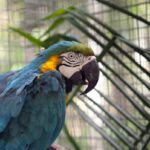
Although recovering well, Rafiki (Blue and yellow macaw) was still a resident at the clinic, as he still needs attention and care. So as not to put him at risk of infection or disease from any of the arriving birds and due to the lack of available enclosures, Rafiki was moved to the living areas of the Volunteer Accommodation. Rafiki is enjoying all the additional attention and has even been talking again. He hasn’t spoken since his fall earlier in the year, so this behavior suggests his condition has improved greatly. We are fortunate enough to have a veterinarian volunteer on site this month and she is undertaking some physiotherapy with Rafiki who appears to be responding well.

Optimus

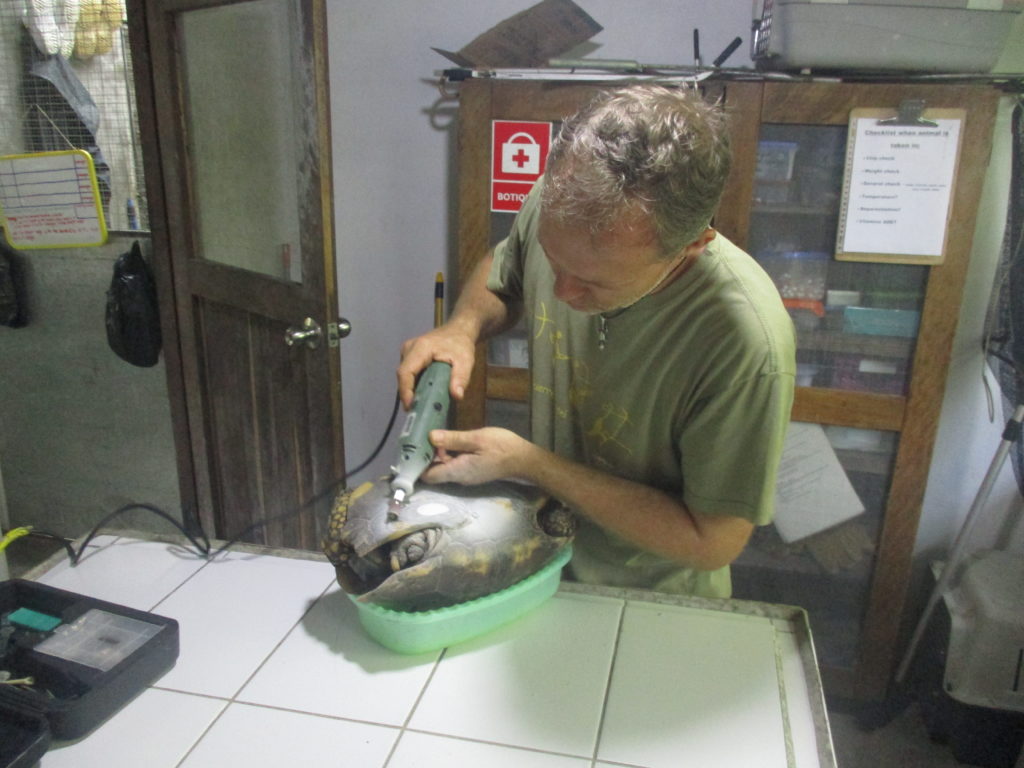
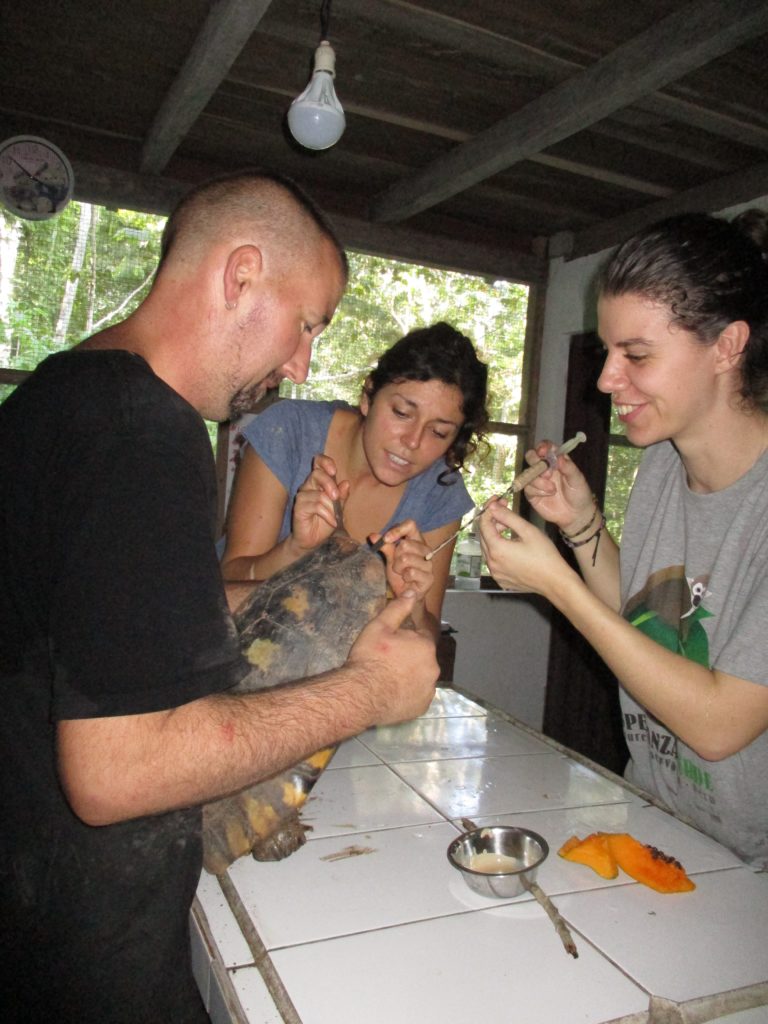
A long-term clinic resident Optimus (yellow footed tortoise) was found to have a wound on her chest. She is a tortoise with a missing leg and because of this, there was too much pressure on her chest. This pressure caused a crack at the bottom of her shell. Douwe thankfully was able to fix the crack, and now we await Optimus’ original injury on her front leg to heal. Once fit she will join some of the other tortoises in the Reptile enclosure.


New arrivals

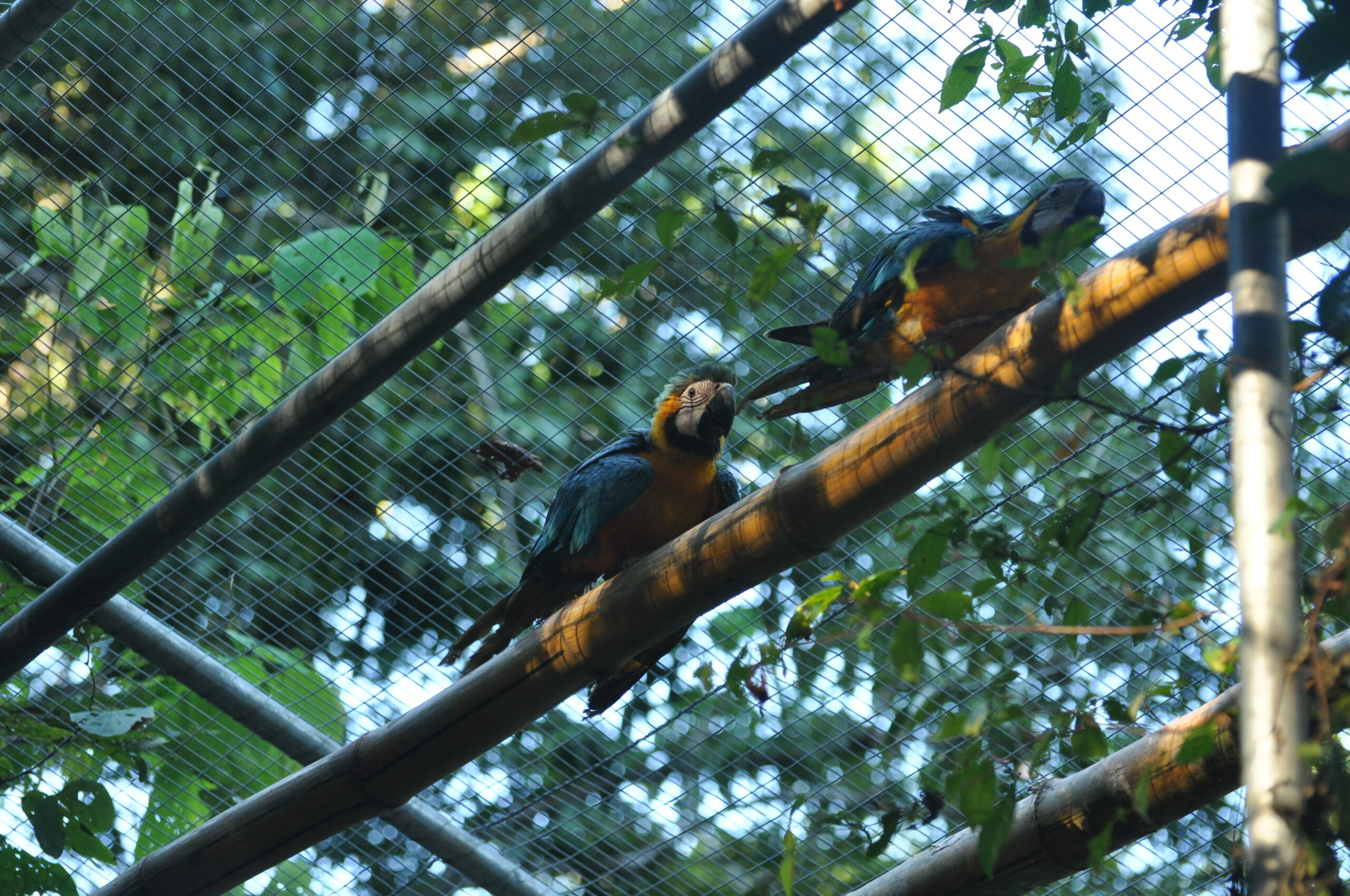
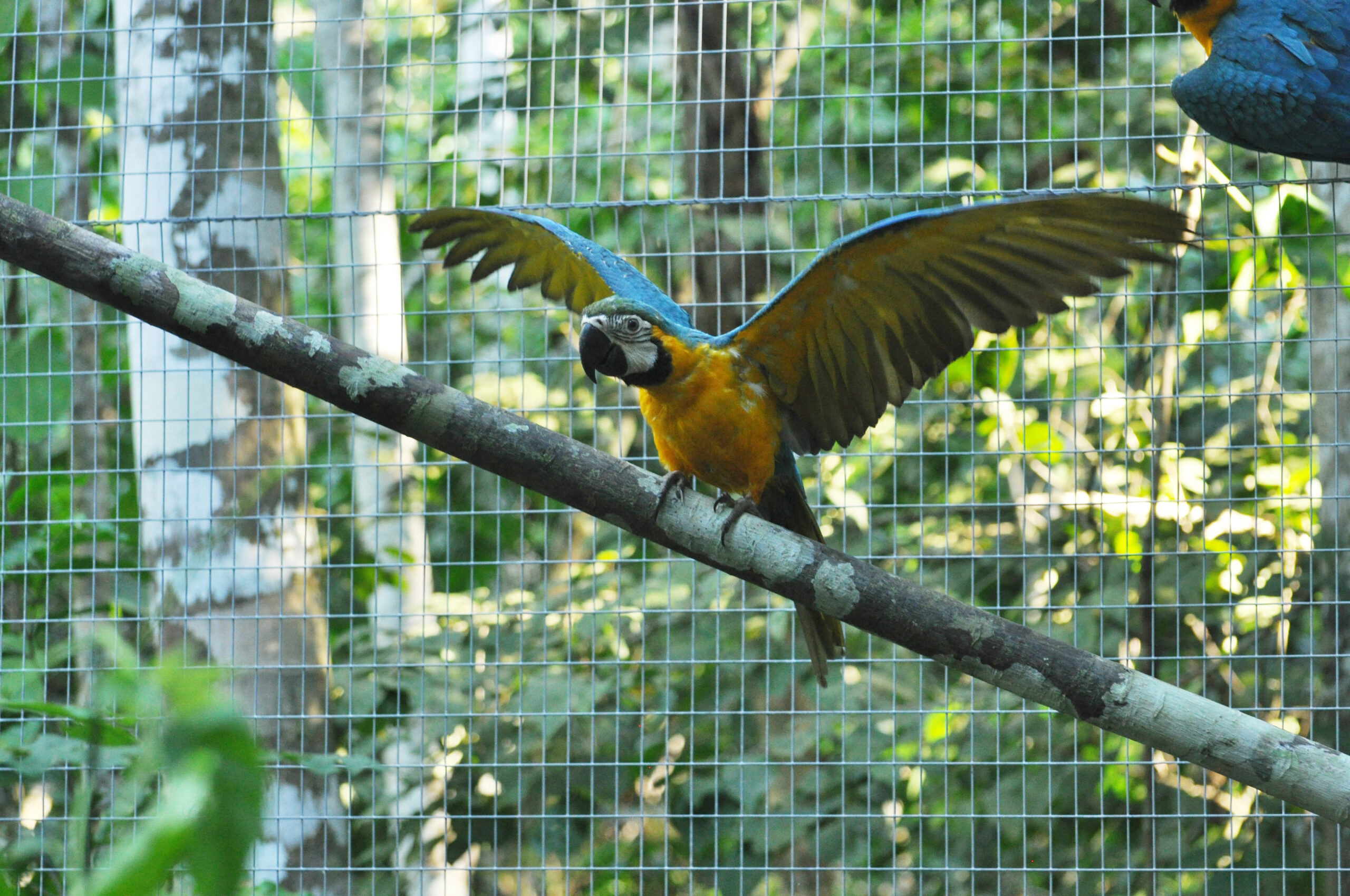
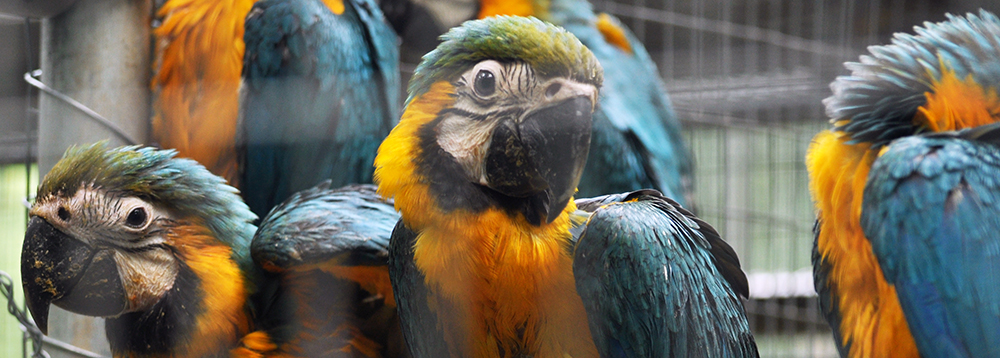
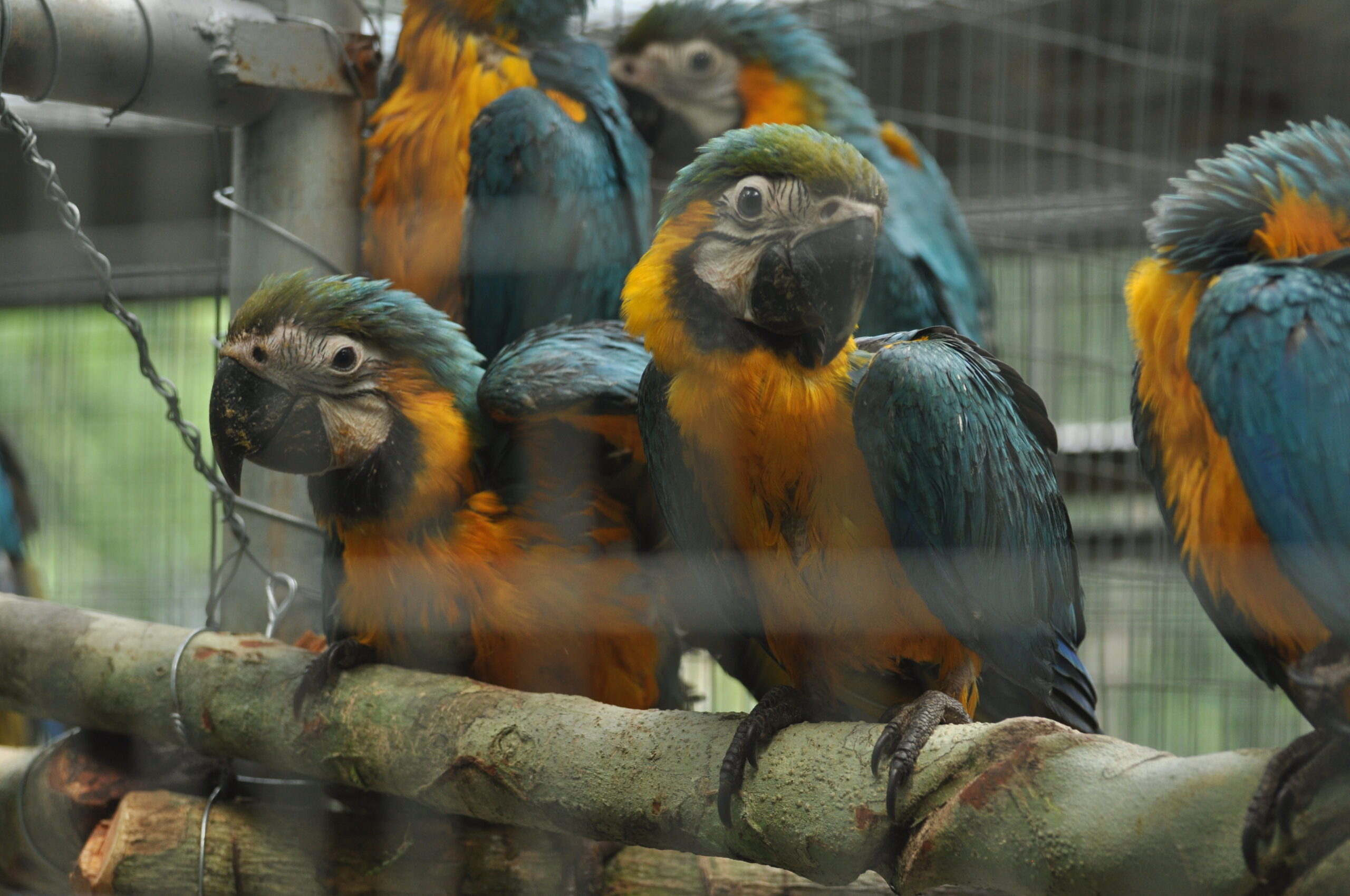
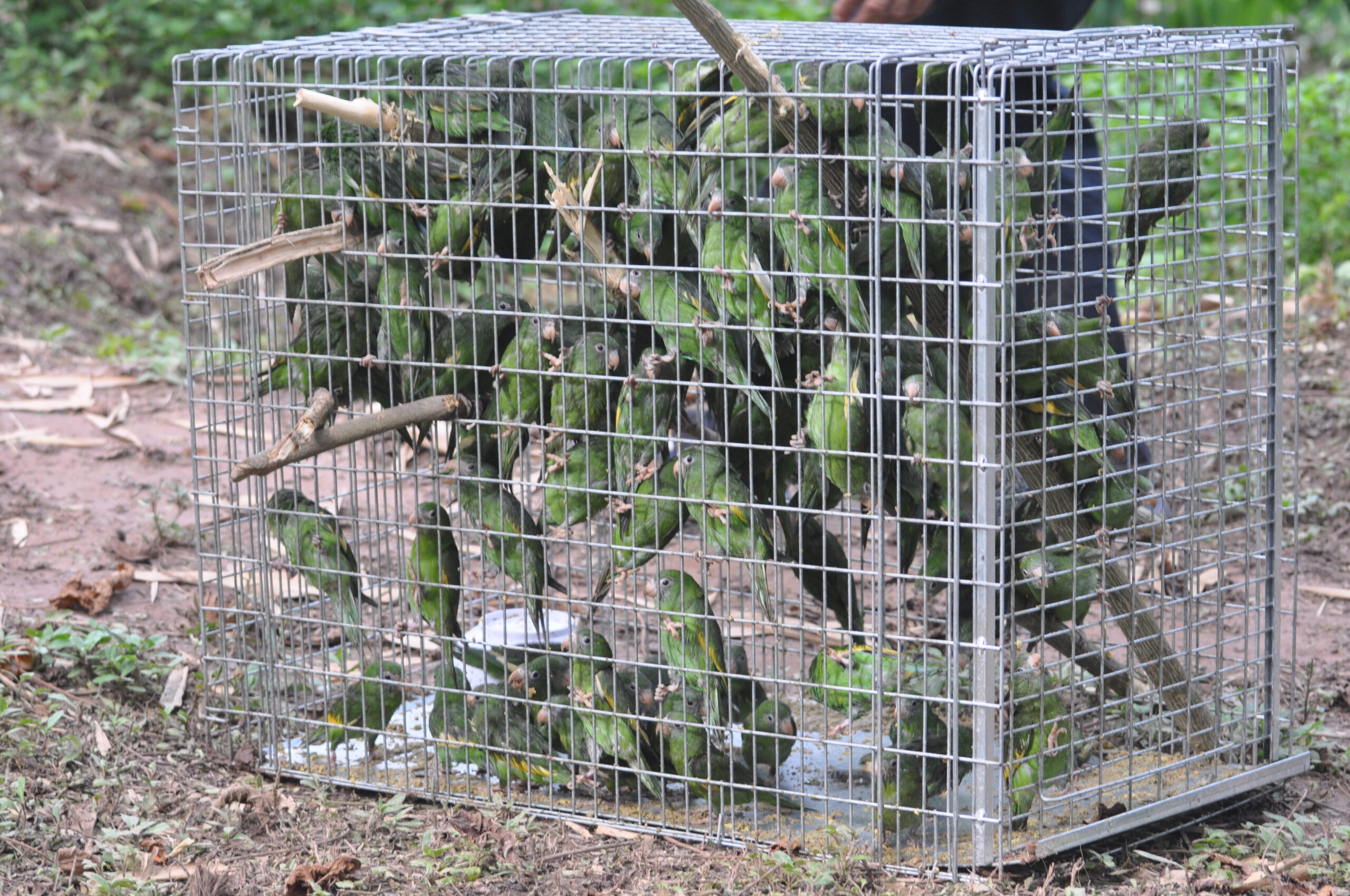
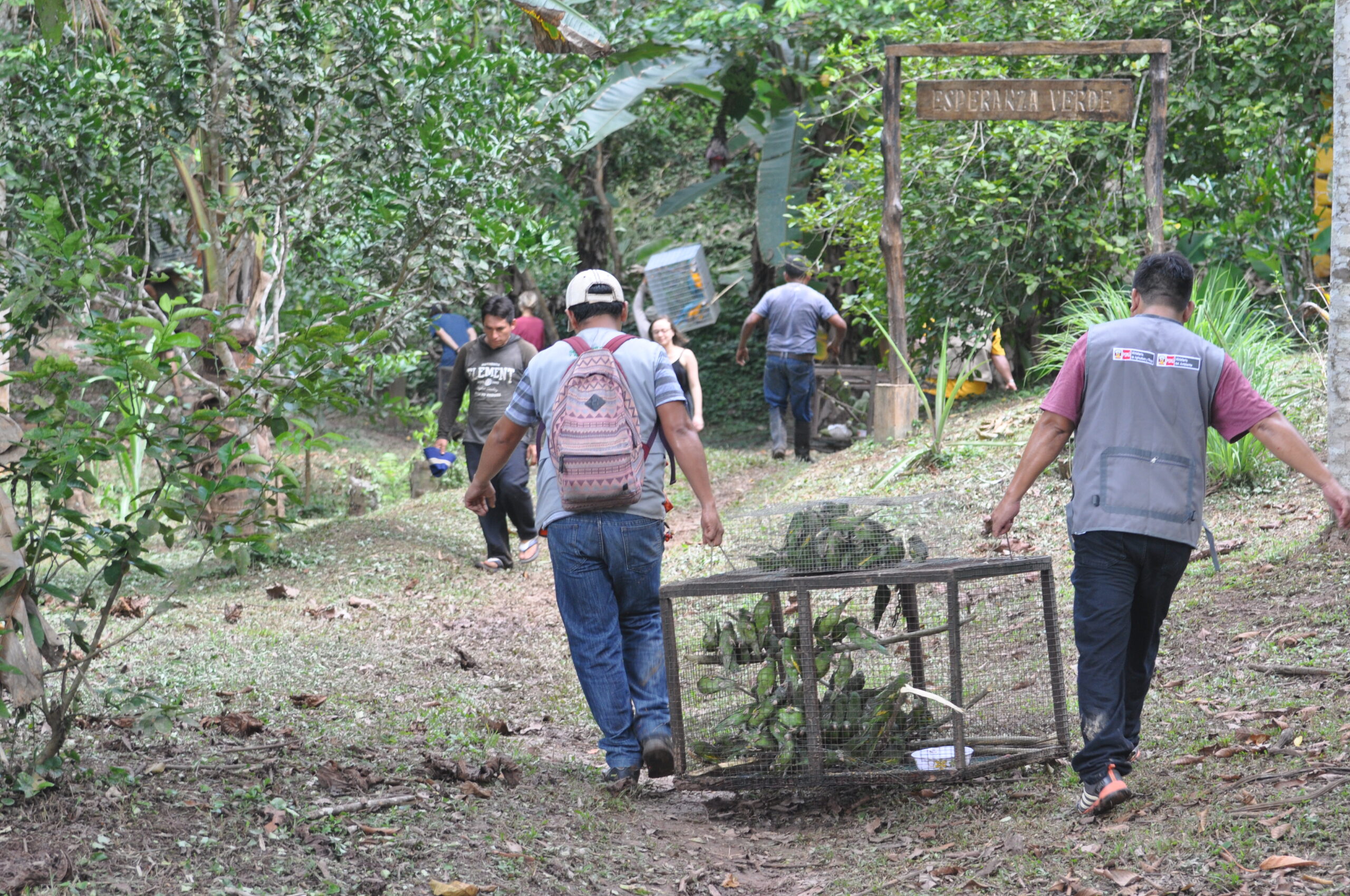
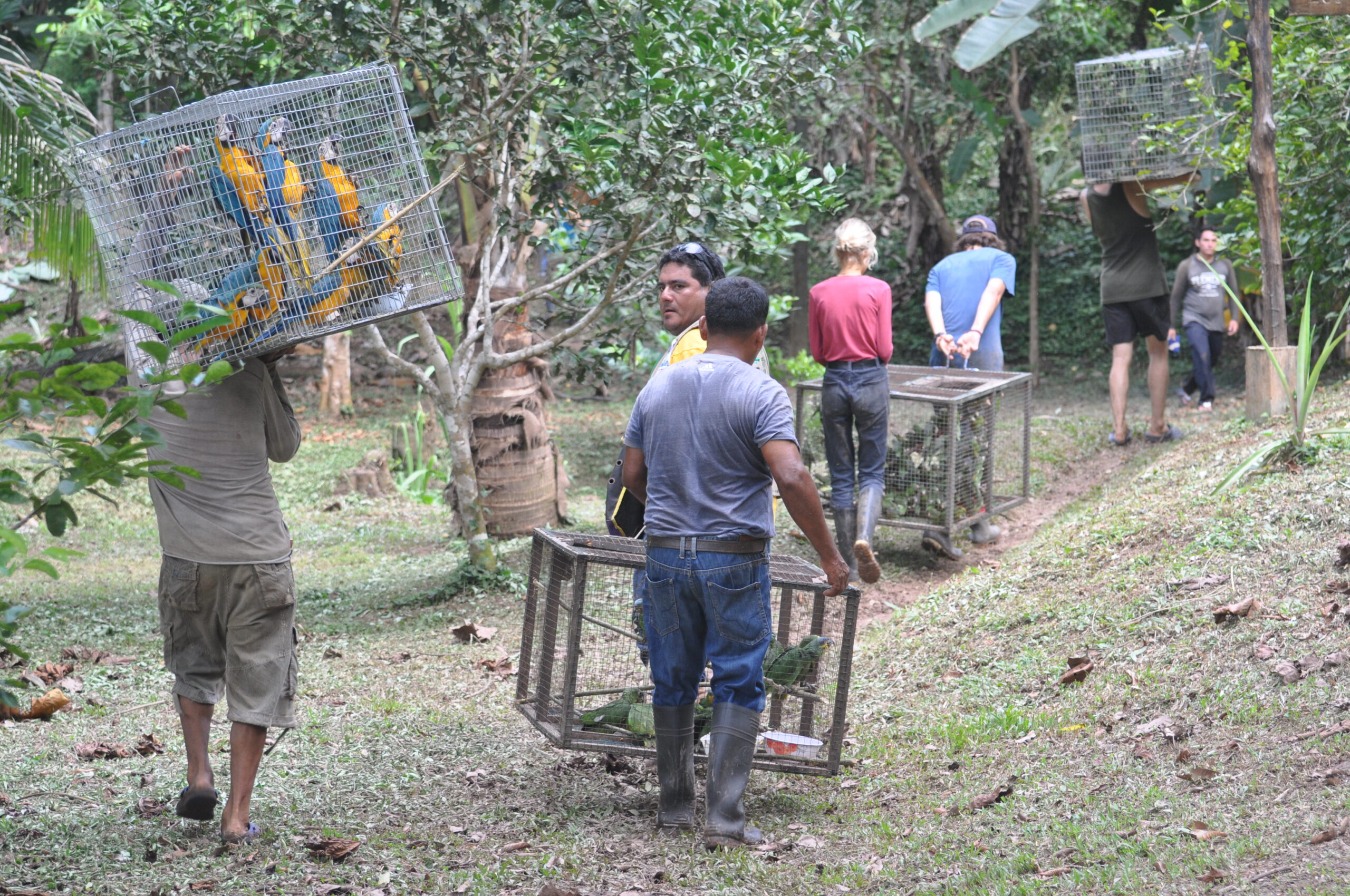
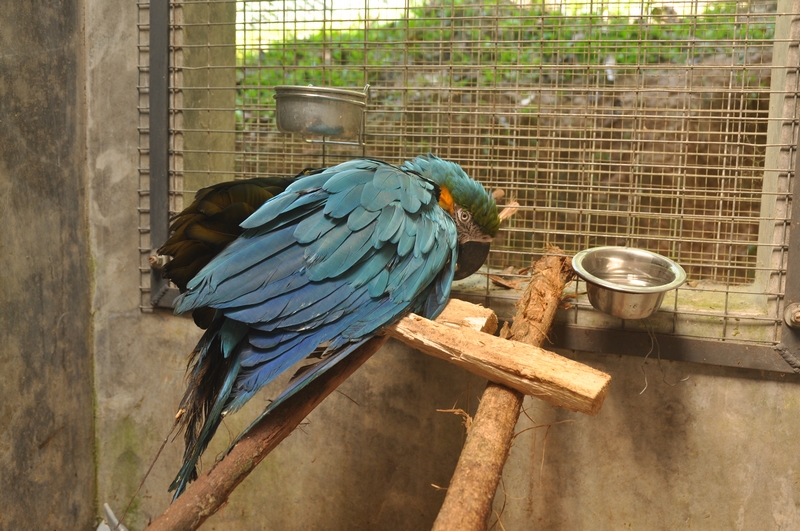
796 white winged parakeets, 14 orange winged amazons and 11 blue and yellow macaws.
As the statistics would suggest this many birds at one time was a logistical nightmare…

Although a little daunted, our team took it all in their stride. The experience of the management team combined with the enthusiasm of every volunteer ensured all these birds were quickly assessed and settled into their new home. Every Amazon and Macaw was weighed, given a thorough health check and treated with anti-parasitic prior to being housed. These enclosures will be their home for the next six weeks during their quarantine period.

Unsurprisingly given the cramped conditions of transport there were 13 parakeets dead on arrival. The first few days of quarantine also saw many birds dying, on the worst day the count numbered 40.

There was a huge range of emotions felt by everybody involved on that initial evening – feelings and emotions that intensified over the weeks, and at times boiled over. It is hard to watch these once wild animals suffer and die, all because of the illegal wildlife trade. Animals you care for and share you body warmth with, which you are later forced to witness take its last breaths. Dealing with these scenes and the emotions that come with them are some of the hardest aspects of the work we do. Olivia and Douwe have been dealing with the scenes for nearly twenty years, but it is humbling to watch them at work. Their attention, care and compassion is still so very apparent with every single animal. Truly admirable!

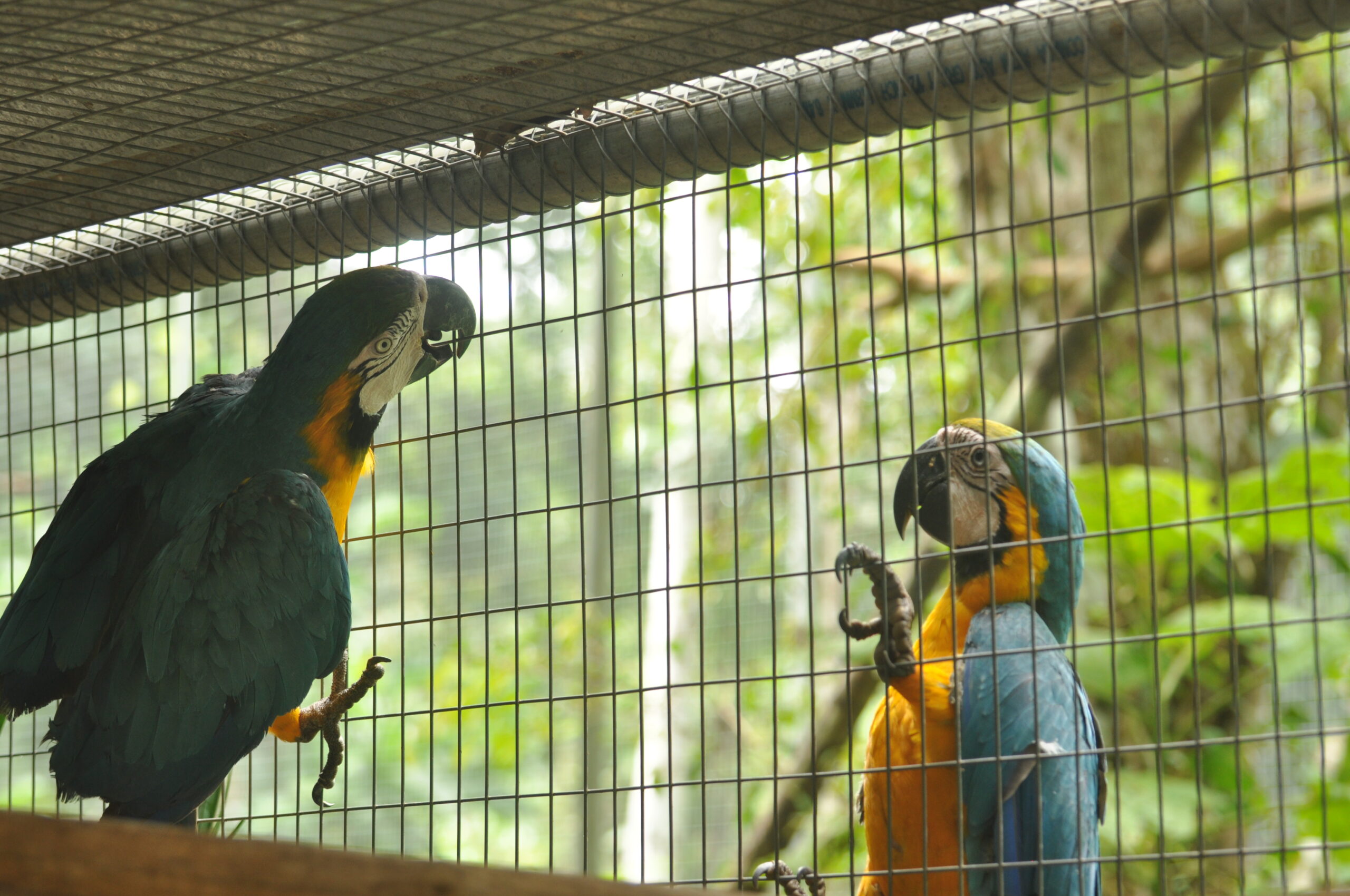
All these Macaws and Amazons, 25 in total, had been removed from the nest at a very young age. Unfortunately they will need to remain resident at Esperanza Verde as they do not possess the necessary skills to be released. Thankfully in the case of the Parakeets we aim to get them healthy and strong enough to be released back into the wild. We hope that they will eventually integrate themselves with wild groups we have nearby.

During this quarantine period, a lack of suitable enclosures means that conditions are cramped and each day presents a new challenge. For now we all look forward to the minor victory of getting these animals into more spacious accommodation once the quarantine period is over. In the interim full credit goes to the entire team who are working tirelessly to ensure all animals at our rescue centre are getting the care and attention they deserve.

These times prove over and over again how valuable our work is and how important the volunteers are for Esperanza Verde. It is amazing how everybody pulls together to care for these animals, even if it means working late into the night and even giving up some of our human food! However hard we work, the harsh reality is that we cannot save them all. We knew that we would have some harsh weeks ahead of us, in labor as well as in emotions. For one person to have one parakeet as a pet, so many have to die. Sadly most people are ignorant to this fact and do not realize that their pet has cost so many other lives.

For anyone who would like to see how they were confiscated have a look at this link : http://www.actualidadambiental.pe/?p=54893

Without our devoted team of volunteers we would not have made it through this month. We would like to take this opportunity to say a very special thank you to the team of volunteers that was with us during this time: A huge thank you for all your hard work and devotion!


Construction

Where February saw the completion of the Elmo enclosure and great progress on the new quarantine, March demonstrated what can happen when we are forced to be reactive.

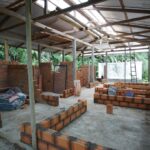
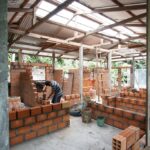
So much of this month has been lost to making cage modifications, moving animals as required, or just dealing with new issues as they arise, that progress has been slower than desired. However as the pictures show, perseverance pays off, and another layer of new bricks has been added to the walls of the quarantine.

Other minor upgrades are always necessary around the facility, such as new locking mechanisms in the Pepito enclosure. It seems the capuchin monkeys had again worked out the system and kept letting the deer and agouti into the front cage. Rather than secure the secondary gate with a wire, it has now been modified to require the monkeys to use two hands at the same time. This is working well so far and has already led to other gates being upgraded in a similar fashion.

Although rain has not been what we expect for this time of the year, paths within EV still require constant maintenance, and so stones were carried from the quebrada whenever we have spare (and willing) volunteers. Not an exciting point of construction, but still a vital task that takes up time in what often seems very short days.

February 2019 Newsletter

February is traditionally the height of the rainy season. There have been impressive downpours, where views were obstructed and paths became nothing more than shallow rivers running throughout the project, but there were many fine days in between to lift the spirits and fortify the soul before the inevitable next rainfall.

.

Monkeys

Darwin and Ramon (male red howler monkeys) are feeling the tough love at the moment. Howler monkeys have a low survival rate when separated from their parents at an early age, and so Darwin and Ramon were given extra attention by volunteers. When they first arrived the “no touch” policy was relaxed to allow extra care and to ensure the correct diet is observed. As Darwin and Ramon are now getting bigger it has been a gradual process of weaning them off the extra attention and now the “no touch” policy is being enforced. It is amusing to see their disgust at being ignored, but it is necessary to ensure their health and both theirs and volunteers’ safety, as they get bigger.

Camu

Camu, the young male spider monkey, and son of Cumala, has disappeared. He was a real character who was always pushing the boundaries and trying to get attention. At a little over 18 months it is normal behaviour for spider monkey young to become more independent and so it was not seen as weird for Camu to be away from his mother, Cumala, for long periods during the day. But one night he did not sleep with his mother, which was strange, and the next day he was absent from the monkey group. Extensive searching turned up no sign of Camu. At his age he should have been back with his mother at the end of the day. Being located in the jungle is a huge advantage. At Esperanza Verde many animals, especially the monkeys, learn to climb in the trees and encounter other members of their species for the first time, they have the freedom to form a group, and learn to forage for themselves. Unfortunately it also comes with certain risks, as it we can’t control all that happens in the forest.

.

Other animals


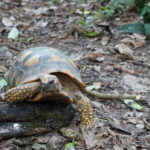
The “Rincay” enclosure is now populated by ten of E.V’s largest yellow footed tortoises, who were recently moved from the reptile enclosure. It was also the perfect time for a health check, with all tortoises being weighed and given deparisitation. Interestingly Pepito is the largest tortoise onsite, but Martha tipped the scales and came in 210 grams heavier than him at 9780 grams. Pepito was happy to be back in his old enclosure again. Many will remember that he spent several years in this enclosure with his best friend Rincay the tapir, who sadly passed away in 2017.


Grety (female margay) benefitted from a relaxed “no touch” policy when she first arrived at EV. Given the unlikeliness of release, volunteers were encouraged to interact with her on a daily basis to provide enrichment. This interaction is still encouraged, but there is now a no direct contact policy in place. Grety’s feisty nature is shining through and injury prevention/volunteer safety is always our prime concern. Daily enrichment for Grety is very important to keep her active and lively, and is vital until we are able to finance and build a larger enclosure.

.

SUST Animal Orphan Hospital

Deparasiting tortoise before moving

Thankfully February was not as frantic as the beginning of the year, with only one new arrival. Although new arrivals were lacking, a lot of ongoing health issues were addressed, be it deparisitation, botfly removal, ongoing veterinary care, as well as emergency operations.


Rafiki (Blue-and-yellow macaw) unfortunately took another fall this month and was experiencing limited movement is his limbs. He is now under intensive care at our veterinary clinic and is receiving physiotherapy for his legs. His disposition is improving daily.


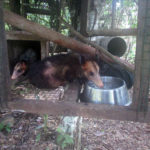
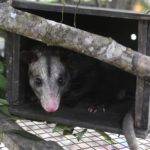
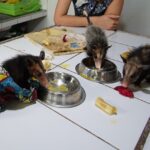
Rubai (male opossum) and Cia (female opossum) are gaining weight. They are doing well in their outside enclosure and now share the space without any separations. Aeris (female opossum) had to be separated as she had the tip of her tail bitten off, whilst in a small cage with Cia. Aeris recovery went well and she has now been reintroduced to both Cia and Rubai in the larger enclosure. Soon they will outgrow this enclosure and will be moved to a larger and more remote enclosure, where we hope to be able to release them back into the wild.

Nayro (baby male capuchin monkey) is progressing well having already moved from his small cage into a larger enclosure in the clinic. Although still getting extra attention due to his age and size, Nayro’s independence is still shining through and is expected to join Burbujas in the outside enclosure “Arana” later this month.

Burbujas in outside cage

Burbujas (young male monkey) has begun his rehabilitation moving him one step closer to the great outdoors. He recently was moved to the “Arana” enclosure, giving him the ability to mix with the other monkeys from within the security of an enclosure. As with Nayro, he is getting a great deal of attention from the capuchin females, Mica, Kres and Mayantu.


Dakiri (young female agouti) is currently still a clinic resident but there are plans to move her in the next few weeks. The plan is to introduce her slowly to Doquino, our male agouti, so she can later join him and the deer, Rabito and Ringo. When introducing any animal into a mixed environment it is essential to get the timing right. We cannot rush the rehabilitation process and try to plan for every eventuality.

Xiomara (female collared peccary) was recently released into the Xena enclosure with Timo (male adult peccary) and Kohana (female adult peccary). Every effort was made to ensure this introduction went well and the three pecarries had been separated by mesh for some time to familiarise with one another. Once Xiomara was released into the main enclosure the introduction appeared to be going well but after 4 days she was sadly fatally attacked by one of the others. Xiomara had been a favourite of many and we were all very sad to loose her. Her death is a stark reminder that despite our best preparations, animal behavior is unpredictable and we can never be sure that an introduction will be successful.

Inuk and Zasu (dusky headed parakeet) were released into the Tupak enclosure this month. For the first few days it was necessary to check in on the birds and to show Zasu where to eat. At times we made Zasu a separate bowl of food to ensure he was well fed whilst adapting to the new enclosure. Both birds have now adapted to the new living arrangements well. Although checks are still taking place, our direct intervention is no longer required.

.

New arrivals

At thirteen months old, Jope (male agouti) was brought to our rescue centre as his owner felt he could no longer care for him. After a quarantine period and thorough deparisitation, we will have to decide where he will be kept. We hope he can be placed in the same enclosure as the other agoutis and deer, however many factors will influence this decision. The sex, age and the individuals behavior must all the considered.

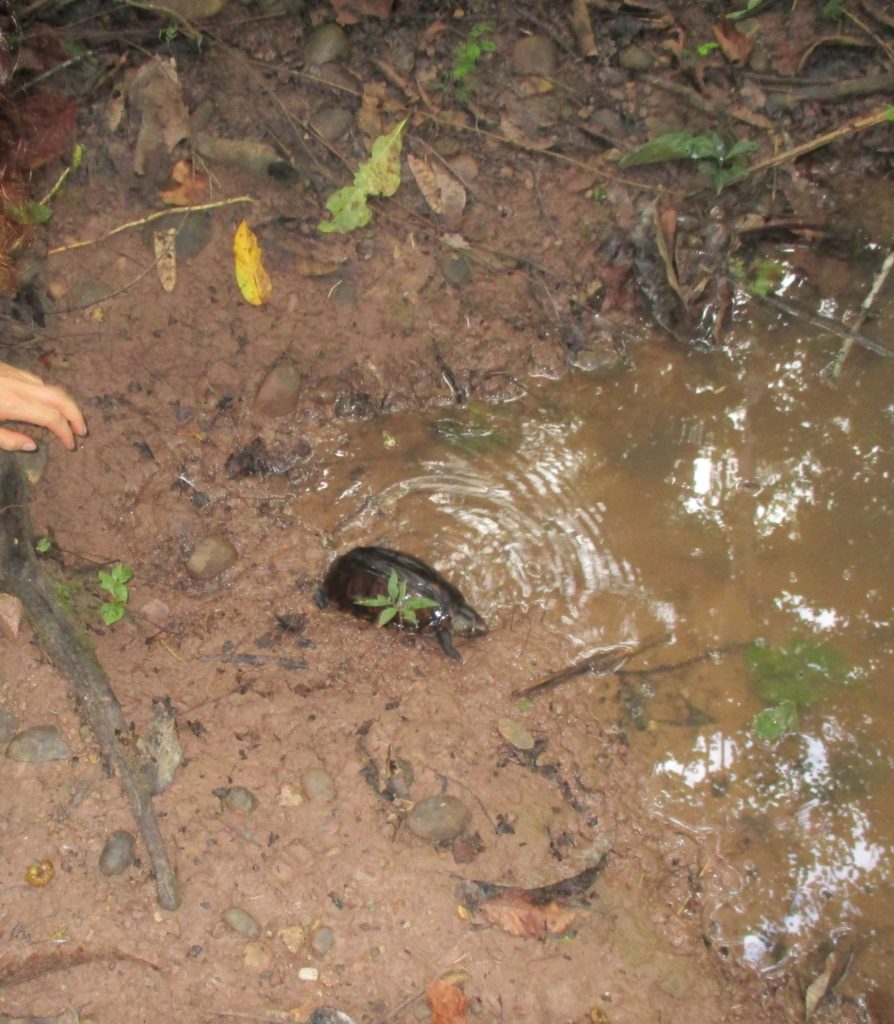
Release of Amazon mudturtle

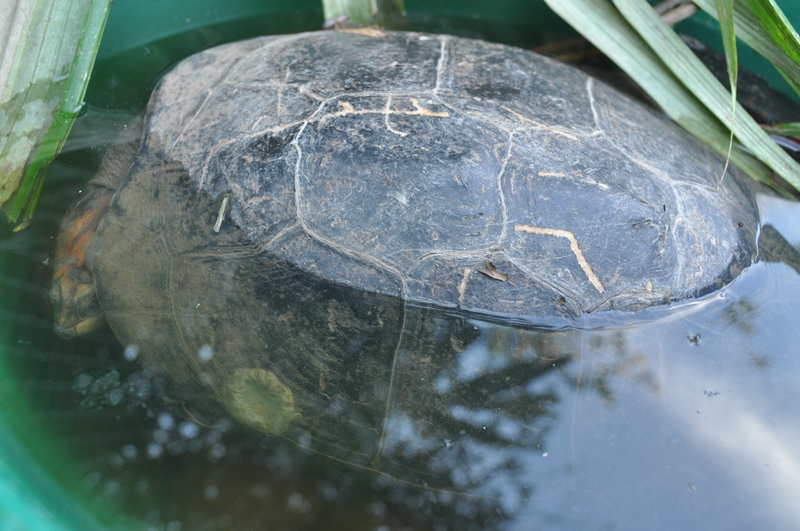
Our permanent staff member, Geiler, found a small Amazon mud turtle, while working at his plantation. For fear of it being found by other people and being eaten, he brought it to us. After a short medical check, we released it on the land owned by Esperanza Verde, giving it a better change of survival.

.

Construction

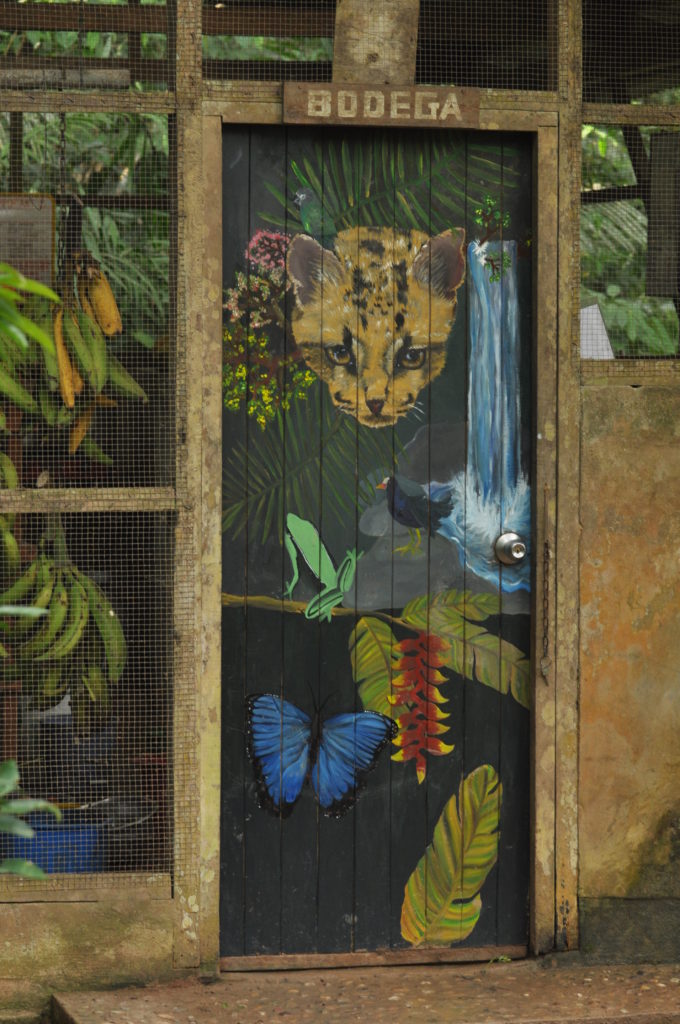
New art on Bodega door

February has been a fabulous month for construction.

The Elmo enclosure has been completed, and at over 90m2 it is one of the largest enclosures onsite. This amazing feat would not have been possible without LUSH Cosmetics, who generously funded this new facility.

At 60m2 the new dedicated quarantine building is a major undertaking. This project was only possible by the generous donation of the Dutch foundation “Jaap van de Graaf”. This project has progressed in leaps and bounds this month. The walls are gaining height each day as row upon row of bricks are laid and the new drainage on the outside of the building was also completed. Every opportunity is being taken to utilise any spare volunteers or workers and this is paying off.

Modifications were made to the water supply this month with Douwe improving on what was already an impressive achievement. Cement lids were made and carried up to the collection point to stop the build up of mud that collects and blocks the water intake when there are substantial heavy rains.

February has been a big month for planting, with over 500 native hardwood trees being planted around the extremities of Esperanza Verde. Anybody who has had the pleasure of doing this will appreciate the amount of work and effort that goes into reforestation of this beautiful paradise.

Esperanza Verde Update / January 2019

January started in a similar fashion to the way December ended, with all volunteers and the family gathering together to see in the new year. A bonfire at the volunteer house, burning effigies, fireworks across the river, great food and great company meant a fantastic time was had by all. Work life balance is so important, and celebrating the new year with new friends was the perfect way to equalize the scales.


Monkeys

Loki, Martin, Monano and Moyo (male woolly monkeys) released in November are now well and truly comfortable in their new outside surroundings. Loki true to his namesake, is the trickster. Constantly trying to grab attention from volunteers as well as the occasional pounce to see if the newest volunteers have their wits about them. Never a dull day at Esperanza Verde with so many characters to deal with. The other three males released are always present and interact well in the group of monkeys within the direct vicinity.

Khali (male large headed capuchin) who was a familiar face to any volunteer in the last twelve months, hasn’t been seen since the beginning of the year. It is believed he may have been pushed out of the group by one of the wild males, being either Macu, the alpha who has been with us for more than a year now, or the newer big male. We can only hope for the best. We just hope he did not get hurt and will be able to find another group to join. Esperanza Verde gives every animal onsite the best opportunity for a second chance, but there is no denying nature and the course it can take.


Other animals

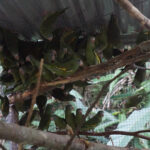
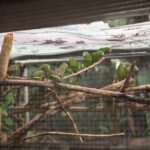
Parakeets. To secure the parakeets from outside interference (the monkeys!) Douwe mounted electrified wires around the top of the enclosure and at several points along the walls. When birds are illegally trafficked their feathers are cut and wings often damaged. This makes them increasingly vulnerable while they recover as the only method of gaining altitude is by climbing the sides of the enclosures, where they can be targeted by outside living animals. We hope these new measures will allow the parakeets to rehabilitate in peace. The majority of them are not able to fly yet, however six parakeets from this group have already been released back into the wild.

Yellow footed tortoises are all doing well with plans to move a portion of the group to give them all more room to roam. We currently have 28 in one enclosure and although not crowded, more space is always of benefit. 10 will be chosen (including Pepito, our most senior tortoise) to live in the Rincay enclosure.


Grety (female margay) is fast becoming one of the favorites of the resident animals. Although the “No Touch” policy applies to many of the animals at EV, it is encouraged to spend time with Grety and enrich her each day (hardly a chore). She can likely never be released, as she is already used to the experience of petting from being kept as a pet prior to arriving at EV. Currently Grety is only 2.3 kilograms, the size of a large domestic cat, but it may get interesting in the future as her species can grow to 9 kilograms.


SUST Animal Orphan Hospital

January has proven to be a busy month in the clinic with two new capuchin monkeys, two peccaries, two parakeets and an agouti joining the ranks of animals getting a second chance at our rescue centre. Needless to say, the clinic volunteers have been on the top of their game and done themselves and the team proud!

Mokwai and Rumani (crab-eating raccoons), were moved out and are now permanent residents in the La Sapa cage. Their feet and eyes have healed nicely. Feeding is still being supplemented with milk but they are eating lots of snails, small fish and solids too.

Rubai (male opossum) moved in his smaller enclosure to an outside cage. He was joined this month by Cia and Aeris (female opossums) in a separate cage within the larger enclosure. These two opossums were under Kayla’s care at the family house. After some weeks sniffing each other out through the mesh, Rubai, Cia and Aeris were weighed and were introduced to one another in the clinic under watchful eyes. Once we were satisfied that they had become friends, they were let out together to roam in the bigger enclosure, but with the option to go back in to the safety of their own small cages and sleeping boxes. They got along well rather quickly, especially as they are solitary creatures in the wild. However as they are still young we hope they can stick together for a bit longer so we can slowly get them ready for a possible release.

Community outreach. Being fortunate enough to have both a veterinarian and a veterinary nurse in the volunteer group at one time was an opportunity not to be missed and so a day was spent in Bello Horizonte Spaying and Neutering dogs.


New arrivals

Nayro (baby male capuchin monkey). Nayro was approximately ten weeks old and was only 580 grams when one of our volunteers convinced a local that Esperanza Verde was the way to go to give him the best chance of a natural life. He adapted very quickly and with his already independent character, he is living during the day in a small cage in the clinic. He only needs some minor attention from us, while he is being visited frequently by three capuchin females on the outside, Mica, Kres and Mayantu.

Burbujas (young male capuchin monkey). It is heartwarming when you see the effort people make when it comes to doing the right thing for an animal, with one person driving over 14 hours from another region in Peru with Burbujas to meet Olivia in Pucallpa. He is approximately ten months old and after his quarantine period, he will stay for some time in an outside cage, so he can have safe contact with the outside monkeys before joining them.
Esperanza Verde volunteers often stand out when visiting Curimana (the nearest city with internet), and this was the case when one was offered Dakiri (a young female agouti). A short visit from Douwe was all it took to uplift and bring this energetic ball of nerves back to the clinic for her quarantine period. Later we hope she will join Ringo, Rabito (male red brocket deer) and Doquino (male agouti). In the meantime, she is being looked after in the clinic and so long as nobody moves too quickly she is settling in nicely.

Roxanna and Xiomara (female collared peccary) both arrived within a week of each other under varying circumstances. Roxanna is four months old weighing 3.6 kg and was found alone in a neighboring plantation. She was kept as a pet briefly before she was delivered to EV one Saturday morning. Meanwhile Xiomara is seven months old and nearing 14 kg. Xiomara had been acquired by a family in Curimana whilst she still had an umbilical cord attached. After many months of being hand fed and being part of the home consisting of parents, two children and at least three dogs, she was brought to Esperanza Verde. There was obvious love shared amongst this family unit, and it took a huge amount of strength to make the right decision for Xiomara and bring her to us. While in quarantine Xiomara is getting a lot of extra attention from the volunteers and will no doubt flourish when released along with Roxanna into an outside enclosure.

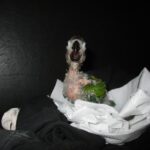
Inuk and Zasu (dusky headed parakeet) both came from neighboring Bello Horizonte. Zasu was found in a nest after a tree had been cut down and is showing great progress as the photos illustrate. Zasu has gone from a semi naked bird of 60 grams to a strapping almost fully feathered bird of over 110 grams in less than a month. Although still being hand reared his meals are being drawn out giving him a nudge in the right direction to start feeding himself. Inuk being a fledgling was found on the ground and unfortunately only came to us after people already had cut his feathers. He is eating well and although jealous of his cage mate being hand fed, he will no doubt join the other parakeets in Tupak in the coming weeks.


Construction

January is officially part of the rainy season, and although the last two weeks showed shades of what is normally expected, a particularly dry start to the month meant that the water tanks had to be topped up by pumping water from the river. This is a great reminder of just another thing we all take for granted! The dry weather has allowed good progress to be made on current construction projects as well as maintenance and upgrades across the centre. Over 300 sand bags have been collected, filled and carried to the construction site. As the vital component in cement, this was a task that was approached with surprising enthusiasm and was made so much easier by the earth being dry underfoot. No time has been wasted in putting it to good use with layer upon layer of new brick going in to the new quarantine at every available opportunity. The busy month in the clinic also highlighted the necessity of this seperate quarantine facility and what an asset this new building will be when it is up and running!
Continuing efforts are being made to place new mesh on the windows, especially with the dreaded mosquitoes swelling their ranks in anticipation of the upcoming (or is that current) rainy season.

Esperanza Verde Update / December 2018

December is always a month of celebrations. As we have a Dutch family running the place, we got to celebrate the birthday of San Nicolaas at the beginning of December. With poems and treasure hunts it resulted in a really fun night full of laughter, gifts, food and drinks.
On the 25th of December all the volunteers and all of the workers and their families were invited to the family’s house to celebrate Christmas, with a great dinner and some wine. Kayla put a lot of effort into the decorations, the menu and the cooking. It was a great evening.


Monkeys

Last month we released Loki, Martin, Monano and Moyo (male woolly monkeys). They all seem to be doing really well finding their way to the monkey tables and are spending a lot of time in the trees. For a monkey that had been raised in a household in Lima, Moyo, is doing amazingly well. So far he does not want any contact with us; neither does he try to get into our houses. Loki on the other hand is trying to get a lot of attention, especially from new volunteers, by touching them and trying to ‘play’. As we want him to be able to live freely around the center we need to teach him that he should leave us be and stick to his own species. When he is older, with his canines fully emerged, we will need to be able to walk around without him trying to dominate humans as the alpha woolly. This is one of the reasons why it is so important for our volunteers and other staff members to stick strictly to the no-touch policy. By following these rules the chances are greater that Loki will develop natural behaviour patterns and spend more time up in the trees with the other monkeys, which is safer for us and healthier for him.

Baby news

It seems that Capuchin Alpha-male Macu is doing very well in passing his genes. With both Nikita and Lia giving birth recently. Nikita’s baby (large headed capuchin) was growing up beautifully, although often without her mother, as Rioma (another but younger and more dominant capuchin female) often takes possession of the young. The baby, was already moving about on its own. Unfortunately the day after Christmas we saw Nikita walking around with her dead baby in her arms. Capuchin females are known for doing this, carrying their dead baby around for a day or two. Nikita never comes close to us, so we have not been able to see what happened to the baby. She carried it around for a half a day more and then probably let it go somewhere in the forest.


Other animals

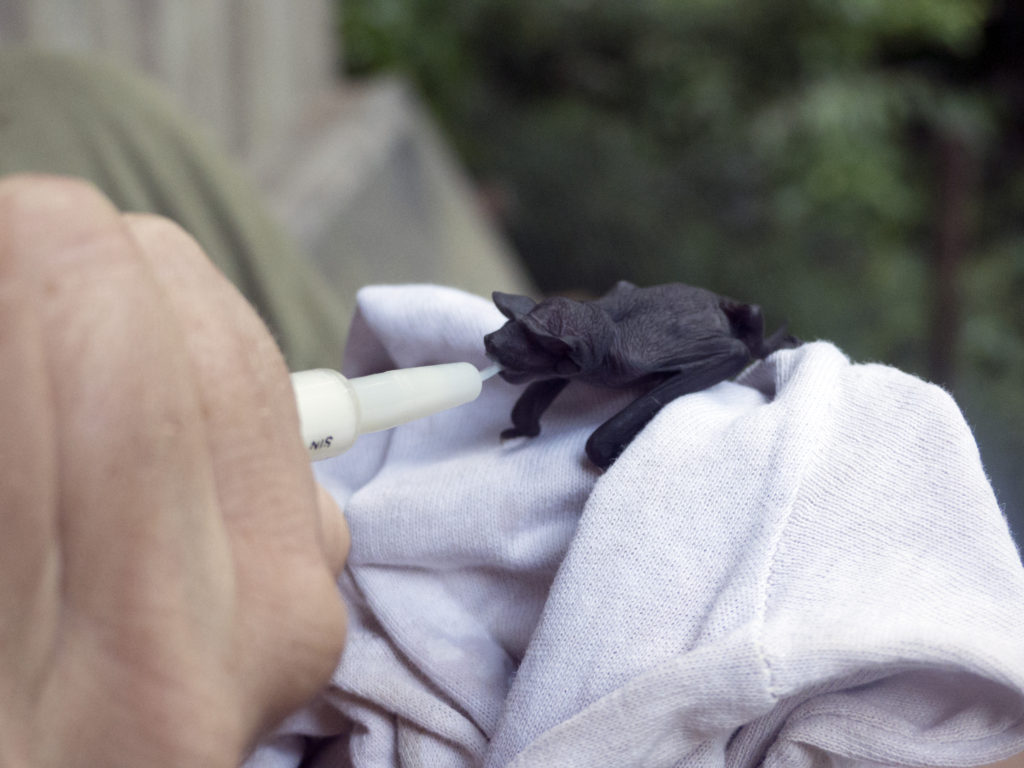
Natasha, the baby bat which we took care of for several months, unfortunately died in an attack of what was most likely a rat. She was just recently moved to a bigger cage to start her fly-training. The rat was able pull her wing through the mesh and bite her. We are really sad that we lost her.
The yellow footed tortoises are all doing fine, and there has lately been a lot of mating activity in the reptile enclosure. The monkeys got their hands on an egg, which we quickly recoveted and have now safely in the clinic. Let’s see if it is still viable…it will take some time as tortoises are inherently slow.
Ringo, Rabito (male red brocket deer) and Doquino (male agouti) are all doing great. It is for many their favorite part of the resident tour, as they are always happy to see you coming. And of course there will always be a monkey around to steal some of their nice veggies.
Let’s not forget our two resident female and male peccaries, Kohana and Timo. Since they moved back into their old enclosure again there have not been any mishaps with monkeys, and they are enjoying a scratch once in a while from the volunteers. They love being scratched by a stick!


SUST Animal Orphan Hospital

Last week two people from a nearby village came by to ask us if we could take care of Grety (margay, around 6 months old). They found her near their plantation and kept her as a pet for five months. She became too expensive (always needing chicken) so they decided to bring her to us. We showed them around Esperanza Verde and explained the importance of our work. Now Grety is in the SUST Animal Orphan Hospital where she is being taken good care of. She looks healthy, a bit skinny and she needs some brushing. She cannot be released in the future so she will be one of the residential animals at Esperanza Verde. That is why, next to feeding and caring, we also put a lot of effort in giving her a lot of enrichment.
Mokwai and Rumani, the crab-eating raccoons, are doing good. Some small problems with their eyes and paws means that they need to stay in the SUST Animal Orphan Hospital for a while but they now spend some time outside as well. During the day they are staying at the La Sapa cage where they seem to enjoy being outside exploring. They have also started eating little snails alongside their normal food and milk.
Rubai (young opossum) moved into another enclosure at the SUST Animal Orphan Hospital. Because he has Guiardia we cannot reunite him with the other opossums yet, but in the near future all opossums will move into the Arana cage. In the meanwhile, Rubai seems to enjoy his new enclosure very much.


Construction

Elmo Cage (Lush Cosmetics)

Construction is not only about building new enclosures, but also about maintenance of existing buildings. This month a lot of effort was put in replacing the mesh at the volunteers’ house and kitchen, painting the walls of the SUST Animal Orphan Hospital and making sure everything works as it should. Of course the work at the quarantine and Elmo-cage are gradually moving forwards too.


Enrichment

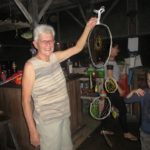
Last month we had some great enrichment projects again, such as a swing for the parakeets, all sorts of different food games for the parrots and hide and seek with food for the spider monkeys. We put a lot of effort in creating enrichment for the resident animals and the birds. The reason for this is that we want to make sure they get challenged enough and live a happy life. They enjoy this enrichment a lot and it is something we are continually focusing on.

Esperanza Verde Update / November 2018

November was a relatively quiet month at Esperanza Verde with a lot of new volunteers arriving at the beginning of this month. No new animals came in so we could focus on our resident animals and transitioning our most recent group of animals out of quarantine.

Unfortunately this month we had to say goodbye to one of our dear animals, Tawaki, one of the younger male woolly monkeys.


Monkeys

At the end of last month Tommi (young male squirrel monkey), Aritha, Inka, Benito and Tagu (2 female and 2 male tamarins) were released into semi-captivity. To begin with they slowly explored the area, slept in their release cage at night and slowly began to interact with the wild Saddleback Tamarin group. The majority of them seem to have joined the wild group with the exception of Aritha (older female). In the matriarchal Tamarin groups it is often females that find it harder to integrate. Fortunately the wild group didn’t attack her, however she is far more interested in humans than other Tamarins. This behaviour isn’t uncommon in primates that have spent long periods of time as pets. Our no-touch policy seems to be working though and Aritha has started to spend more time in the trees with the Woolly monkeys.

Luna and Otis (female and male night monkeys) were ready to live outside and so we started opening the door of their cage at night. At first they found their new release cage, which is specifically designed for Night Monkeys, quite scary. However, after a few days they wanted to go out as early as five in the afternoon. They are exploring outside at night and return to sleep in their cage in the morning.

At the beginning of this month Tawaki (juvenile male woolly monkey) was grabbed by one of our peccaries whilst stealing food from their enclosure. Despite two rounds of surgery to try and save him, he died during the night. This was a blow to everyone at Esperanza Verde and Tawaki will be deeply missed.

After this the peccaries were moved into their old enclosure again as we didn’t have any incidents in this enclosure. We have adjusted our feeding routine, volunteer training and procedures to try and ensure this doesn’t happen again. In all these years of rehabilitation we have never had this experience between these two species. There were many influences that might have caused it to happen, e.g. the large woolly males disappearance (Willow and Kamari), the death of Quintisha (oldest female peccary) or the change of enclosure. We just hope that, with all the adjustments we now have made, it will never happen again.

Never a dull moment when capuchin monkeys are around. Notorious duo Kres and Khali smashed the window of our Almacen (food storage) with a stone. Our volunteers caught them testing all types of food. Although we were not happy with them sneaking in to the Almacen, it shows once again how intelligent capuchin monkeys are.

Martin (young woolly monkey) from the clinic joined Moyo and Loki (male woolly monkeys), after which they all were released from the La Sapa enclosure. This was very recently, and for the first day all went well. Loki enjoyed being outside again, jumping around and re-establishing his position amongst the outside females and youngsters. Moyo and Martin took some time in coming out, but then enjoyed being in the trees getting in touch with the others and stayed close to the La Sapa enclosure the whole day.


SUST Animal Orphan Hospital

After some good care at the family’s house for a couple of days the crab-eating raccoons Rumani and Mokwai are back in the clinic. They get milk four times a day and are slowly starting to eat some solid food as well.
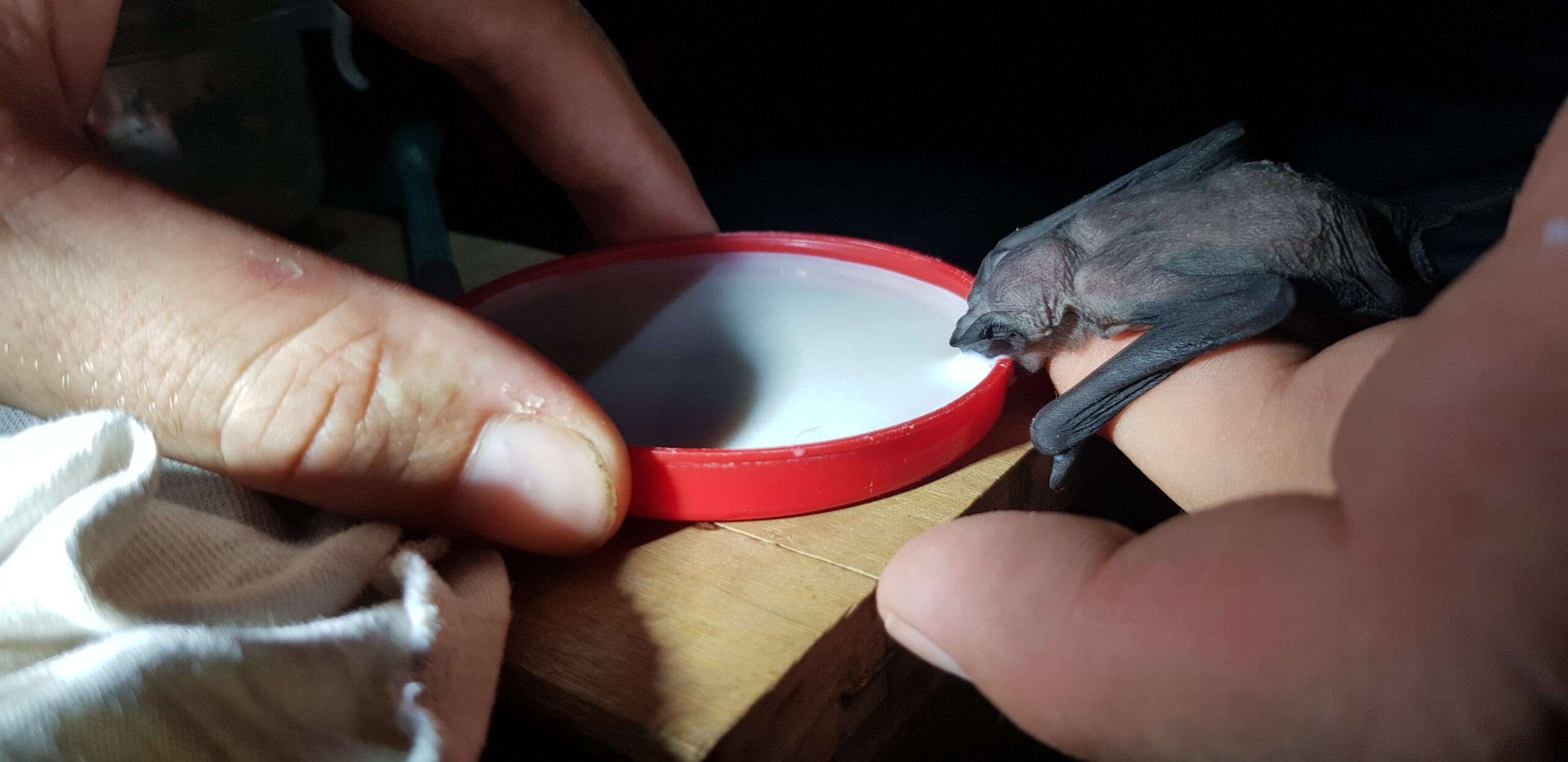
Natasha, (young Pallas’s mastiff bat) that was found by Kayla near her school, is still doing great. She finally learned to drink her milk from a lid instead of a pipet and she is very popular amongst our volunteers. When Natasha first arrived, she weighed only three grams. Now she’s grown to an impressive eight grams. Next step is to get her to eat some flies.
Martin, a young Woolly monkey, was moved out to stay with the big boys in La Sapa the male woolly monkeys Loki, Monano and Moyo. Loki immediately took care of him and the others also seem to have accepted him straight away. Martin still needs milk twice a day and with Loki protecting him, it’s a very challenging job for the volunteers giving it to him.
Monano and Tushko were admitted shortly to the clinic for feces sampling and deworming treatment, after which both were both immediately released.

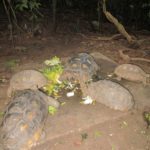
The group of yellow footed tortoises that came in a few months ago, passed their quarantine period and joined the others in the reptile enclosure. Before releasing them, we had to make sure they are able to get out of the pond in the enclosure when necessary. Our volunteers let all tortoises do a swimming exam by letting them walk out the edge of the pond three times. Fortunately all of them passed.

One of the tortoises, Optimus, misses a front leg and lost some weight. We kept him for observation in the garden at the clinic, and after a week he had already gained weight. He moves well enough, so we hope we can shortly move him in with the others in the reptile enclosure.

Alyak (the yellow spotted river turtle), was doing well and was moved together with two others, which were passing their quarantine in the MOMO-enclosures, to the new quarantine for reptiles (named Aguatena and financing was possible thanks to Herpetol Switzerland) next to the new (under construction) quarantine.


Construction

The number of animals at Esperanza Verde is always increasing and that means that more animals are being fed. In order to make it easier to prepare food, the bodega is being improved bit by bit. Douwe started with making new shelves for herbs and vegetables.

Recently the water level rose so much that all the bricks could easily be moved from the other side (our work shed in Bello Horizonte) to our side. Additionally we could move a lot of sand for the concrete floor of the quarantine (Jaap van de Graaf donation), as we could get very close by canoe to the site. We always try to profit from these situations, as the other option would be to carry all by hand. The rolls of mesh for the Elmo enclosure (Lush funded) have also been brought to the site.
Work is being done at both constructions simultaneously. When it rains, we mostly work at the quarantine (as there is a roof) and when it doesn’t at the Elmo-enclosure. Again it shows how dependent we are here on the climate.


Volunteers

Kayla presenting the buffet she made

At the beginning of the month, all volunteers were invited at the family’s house where they enjoyed a delicious meal Kayla prepared.
Since last week, volunteer Niels is teaching English to the children at the secondary school in Bello Horizonte. Niels is a professional English teacher and will work at the school twice a week. We are happy to also help out in the local community.

Esperanza Verde Update / October 2018

Rainy season has begun! This month brought us a lot of rain and the river rose quickly. Drains were cleaned out by the volunteers to make sure all the water could drain away. There has been a lot of volunteer changeover with some of our long term volunteers leaving, but there are always new faces to take their place! The clinic had been quite empty for a while but has been getting busier over the last few days. The building of the quarantine made a lot of progress and the new turtle enclosure in front of it as well. The new volunteer group visited the big Regalia waterfall where they had a blast and Martin (a young male Woolly monkey) arrived in the clinic. Last but not least: after a five week stay in the Netherlands and the celebration of Marlon’s ninth birthday, Olivia and Marlon are home again.


Monkeys

Ramon

Ramon (young Howler monkey) is getting more independent every day and explores the area of Esperanza Verde on his own nowadays. From this week on, the Ramon person won’t babysit him constantly anymore but will help out with other jobs with monkey checks throughout the day. This also means he can sneak off to the monkey tables every now and then to steal some juicy fruit. Ramon loves to join us on the leaf walks so he can grab some of his own leaves.


Suly and Tushko (youngest woolly monkeys) were both doing great outside. They played together while becoming friends with the other monkeys. However, after some weeks, Suly missed a couple rounds of milk and was found on the ground a day later by a volunteer. She was in a poor state and had a high fever. She spent the night at the ‘intensive care’ at the family’s house, but died during the night. Necropsy did not give any clarity on why she died so suddenly. The volunteers had a hard time on Sully passing away and she will be deeply missed with her beautiful big black eyes and her rare red fur.


Katinka (female young spider monkey) left her cage last month and is doing great outside! On her first days she was already going on adventures on her own ignoring all the other monkeys.


After two weeks she started making friends with the baby woollies, Ramon (howler monkey), Cumala and Camu (spidermonkeys mother and son) who got re-released successfully last month too. Katinka sleeps in the Pepe cage together with Darwin (male howler monkey) and Tushko, the young woolly. The first couple of nights, they didn’t manage to sleep in the same box, however, after a few nights they became friends and started sleeping together in one box. At night, Katinka, Tushko and Darwin cuddle up with the three of them in one box. Which is adorable to watch.

More good news, this month we had the honour to welcome a new-born Capuchin monkey into the family. Nikita (female Capuchin outside) had a little one which means we can brainstorm on a new name again.


Tommi

Tommi (Black capped squirrel monkey) and the Andean saddleback tamarins, Tagu, Benito (males), Aritha and Inka (females) were moved from the clinic to the Arana cage earlier this month and seemed to like their bigger enclosure a lot. In the last week of October, we released them. While Tommi already likes to wander around on his own the tamarins take some more time to get used to their free life and sometimes come back to sleep in their cage at night.


Other Mammals

Ruena (tayra) couldn’t be happier because this month she turned into an official tour! This means that volunteers are taking her on a long walks twice a day so she can get used to life outside the cage. She really seems to enjoy it and is getting so independent that she sometimes finishes her walks by herself. Leading our volunteers on a search through the jungle to find her again. We have also provided her with some new environmental enrichment like a rattle with a bottle, stones on a rope and perfume that is sprayed on certain places in her cage. Tayra’s are known for scent marking their territory so this enrichment really fitted her.


Kiko, kinkajou

Last week Kiko (male kinkajou) was spotted again! Our kinkajous have an open cage so they can decide by themselves whether they go out or stay in their cage. Kiko was nowhere to be seen for some time but now we know he’s fine.


Unfortunately, we have to end our ‘other mammals-section’ with some sad news. Roknar (young male Red brocket dear) who was living with the family passed away. Thinking he was getting better, this was some hard news to accept.


SUST Animal Orphan Hospital

Rafiki (Blue-and-yellow-macaw) is still in the clinic, where he was treated for an infected wound. He is no longer receiving medicine and is improving a lot, slowly gaining more strength and weight.
After a long visit of two white-winged parakeets in the clinic, our ‘concern-cage’ was suddenly empty at the end of this month. For one bird it turned out better than for the other. One was doing so well it moved to Tupak-cage to join the other parakeets. The other one (white whinged parakeet) had a fracture at the top of one leg. Despite our best efforts the parakeet did not survive it.
The empty ‘concern-cage’ did not stay empty for long.


Our litter of new opossums have been receiving a lot of care and attention. Unfortunately, being so young, some fell ill and although antibiotics were administered, the treatment was not in time enough to save them all. Two survived, and they are now finally gaining weight as well as strength, living in a small enclosure where they have room to climb and explore.


Natasha (young Pallas’s mastiff bat) has grown more than twice her original size already. She is getting some hairs on her back and she is drinking a lot of milk. She is spreading her wings more often, washes herself a lot and even ate some little insects. Such an achievement!


New arrivals

This month Kayla brought us some new treasures from the Village of Bello Horizonte.

Let’s start with Dorian (a dusky headed parakeet). This parakeet was the pet of someone in Kayla’s class; the parakeet was biting everyone, so they wanted to get rid of him. Dorian was named by a volunteer and he is currently housed in the clinic.


Second, we have Martin (young male woolly monkey, estimated 9/10 months). He was spotted in a garden a couple of times by volunteers who went to Curimana. Kayla managed to get in contact with the owners and convinced them to bring him over. He is a bit nervous and not really used to people and we’d like to keep it that way. After a few of weeks in quarantine he will go to an outside enclosure before he will be released to the outside group. Lastly, we have another opossum, which is a family member of the other two we have, but twice the size (as ours had some problems). The person who gave us the opossums kept one herself and it was roaming freely at her house. Her family did not want the ‘pet’ anymore so she gave the opossums to Esperanza Verde too. It now lives in a big cage in the clinic.


Just in time to make it for this update, two young male crab-eating racoons arrived, now named Mokwai and Rumani. Their mother was killed by a dog, and the litter of 5 pups was taken by the dog’s owner. As she has cows she provided them with fresh cow milk, which they drank well, but their body was not used to this kind of milk, so 3 died. She then decided to leave them with our cook in Bello Horizonte, so she could bring them to us. They are for now under intensive care at the manager house. They are not out of the woods yet, as they still are coping with bad diarrhoea and a lot of fleas. The fleas have been taking care of, and they are under treatment for the diarrhoea. They drink milk eagerly, but will have to adjust to the milk replacer and food we can provide for them. This is often a difficult transition for young babies, as their own mothers milk would of course be the best.


Volunteers

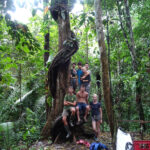
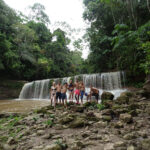
Most of our volunteer group visited the big Regalia waterfall. Because of the heavy rain fall the night before the river was very high and the waterfall very strong. It was a beautiful experience and a lovely day. Of course a group picture was taken at the big tree.


Construction

This month, a lot of volunteers helped with the construction of the quarantine and the new addition, a quarantine enclosure especially for turtles/tortoises. This is particularly important as their slower metabolism means their quarantine period is longer. Lots of great progress is being made!


Extra

Kayla and her classmates are busy joining a competition powered by Samsung from which the winning team will obtain a ‘digital’-room in their school with laptops, tablets and a whiteboard. Kayla and her team worked out the idea of a garbage-free village and made a movie about it. They already got to semi-finals and now we are awaiting the outcome for the finals. The last five schools will be invited to explain and present their project to a jury in Lima. We will keep you posted. You can find a video in which Kayla is presenting their project, on Youtube : https://www.youtube.com/watch?v=Sq0dwR7rz5g

Esperanza Verde Update / September 2018

September had been relatively quiet, up until the end of the month. A monkey, two baby bats and 5 baby opossums have been the only new arrivals this month which makes a nice change from the 88 that arrived last month. Olivia and Marlon went to the Netherlands at the beginning of the month and are expected to return in the middle of October. Many animals have moved out of the SUST hospital and a number of animals have been released.

Towards the end of the month we did have a bad day which started out with finding out that Kaya, one of our beloved howler monkeys passed away and an hour later Douwe found Rafiki, one of the blue and yellow macaws wounded on the floor of the aviary. We always try and expect the unexpected.

Monkeys

Kaya, young, female howler monkey moved to the manager house where she received round the clock special care. Her state was fluctuating but we could see a steady improvement in her as she spent a lot of time with the woollies, mainly Chiquita and Lupa who kept her company every day. Her friend Darwin, our other howler monkey around the same age, also frequently came to visit her. However, even all the extra care and attention couldn’t save her. She passed away and we are unsure why exactly. She was a favourite of many of our volunteers and is deeply missed. We all admired her fighting spirit in the last month and enjoyed seeing her out and about with the other monkeys towards the end of her life.

Spider monkeys on food table

Then we recently also had some changes to the Spider monkey group. Yanay, Cumala, and Cumala’s son Camu, were released from the Rimaq enclosure where they spent about a month and a half together with our two males Rimaq and Lucio. The females were placed in the enclosure as both were in heat and started showing too much interest in people. Both Rimaq and Lucio were very happy to have some company and all of us enjoyed seeing the spider monkeys together as a group. Before their release we tried introducing new spider monkey baby Katinka to Yanay, in hopes that she would carry her and look after her. Unfortunately neither of them seemed very interested in each other and so Yanay was released with Cumala and Camu. It is also very nice seeing the spider monkeys outside again and on the first day Cumala could be heard making her typical happy noises.

Moyo and Tawaki

Monano and Loki, our biggest male woolly monkeys, have now spent some time with our newer adult woolly monkey Moyo in the La Sapa enclosure. They seem to enjoy each other’s company and they will be released to join our outside group of monkeys as soon as possible. Unfortunately all of them have developed a skin condition, especially in their faces, but also on limbs and tails. They will now stay enclosed as we don’t want it to spread to the outside monkeys. Giving them their medication is a challenge every day as our team tries to come up with new ways to offer them their medicine to try and trick them into taking it as it does not taste very nice. So far it has worked out and we hope their condition improves soon.

Suly, Tushko (female and male woolly monkeys) and Katinka (female young spider monkey) have finally made the big step to leave the Araña enclosure to get to know the outside baby and adult monkeys. This is always an exciting time where we pay close attention to see how they respond to being outside and to see who they make friends with. They have been doing great; they are integrating and making friends, for example with Talisha, one of our youngest female woolly monkeys and with Ramon (young male howler monkey). Katinka is the only one of the three who has not yet learnt how to sleep in the trees. She seemed to prefer the sleeping box of Yara (the volunteers’ dog). Poor Yara! In the last week she has been spending the nights with her friend Darwin in the Pepe enclosure, where she has her very own box in a tree to sleep in.

Birds

Koru, our purple gallinule is now beautifully purple. Our team takes extra care to make sure we spot him every day. This has become a bit more challenging as he no longer responds to his name now that all the parrots have taken to calling his name frequently throughout the day. However, all seems well and Koru can often be spotted taking a bath in the pond or going up on the feeding tables.

SUST Animal Orphan Hospital

Our new arrivals from last month, Inka, Aritha and Tommi, two female saddleback tamarins and one male squirrel monkey were doing very well and could leave the clinic. They were introduced to our other two tamarins, Tagu and Benito, in the Lucia enclosure. They all really enjoy their new, bigger group and still work on sharing given crickets fairly among each other. Our older released tamarin Shambito returned recently when the tamarins moved out of the clinic. He returned with two other tamarins and all three wild ones are frequently spotted around the Lucia enclosure. We are hoping the young ones may join their group once they are released.

Ramon, our baby howler monkey, has changed “parents’’ and moved house over the last month. After Ian and Lauren left, our returning, long-term volunteers Carlotta and George moved into the guest house to look after Ramon and he took this change into his stride. He has become even more independent and is still as playful as ever. He is steadily improving his climbing skills and keeps surprising us with how far he can jump now! He loves swinging on lianas and playfully attacking much bigger woolly monkeys. At the end of this month Ramon moved into the Cabaña with our assistant manager Laura as Carlotta and George returned home.

Legolas, our white-winged parakeet who is under intensive care with a broken leg, has improved a lot over the past couple of weeks. Because he has regained almost full use of his left foot we decided to let him join the other parakeets in the Tupak enclosure. Back with his old companions he is as happy as ever, still greeting us with his excited nodding but also blending in nicely with his kind.

Parrots

Our group of Parrots from the SUST animal orphan hospital, Zonia, an orange-winged amazon, Tupara and Teslo, mealy parrots, as well as Thesia, a white-eyed parakeet were finally ready to move to a bigger enclosure and meet some more birds. They are now in the Igor enclosure, enjoying the space and their new group. We are very happy it worked out well, even though we will also miss having them in the hospital with us. Especially Zonia who was a joy to have around and a favourite of everyone as she picked up different tunes, whistles and words very quickly and was always excited to see us. You can still hear her happily singing and calling out though, teaching the other new orange-winged amazons Ulisho and Roshca. She quickly made friends with a new song!

Rafiki in Clinic

Rafiki, adult blue and yellow macaw, who’s been with us since 2014, has had a nasty fall in the aviary. Douwe found him screaming, laying on his back on the ground and immediately took him to the SUST hospital. It is still very early to say what his internal injuries might be but so far he has been active and eating which are hopeful signs.

Alyak

Alyak, yellow spotted river turtle, which arrived with the big group of animals in August, is still not well enough to join the other turtles. We are currently treating the wound on her right hind leg and are hoping she will improve. We make sure that she is eating well every day and keep a close eye on her.

New arrivals

Sarah, an adult female howler monkey. One story of a monkey moved our whole team deeply. In the beginning of September two local men brought us a wild, adult, female howler monkey. They had to watch as hunters tried to shoot her out of the tree to get to her and to her baby. Her baby managed to escape and stayed with its family group but she was severely injured and brought to Esperanza Verde. She had multiple wounds that needed treating and many bullets were removed. She stayed in the SUST animal hospital under intensive care but unfortunately she died on her fifth night with us. The necropsy afterwards showed that we could not have saved her.
We were all touched by how strong she was despite what happened to her and how long she kept on fighting. We decided to name her Sarah after Sarah Hardy, a primatologist who studied social behaviour, particularly the role of woman and mothers in evolution. Sarah showed all of us how important and vital our work here is.

Two baby insectivorous bats. Kayla brought home two baby insectivorous bats which were found on the ground at her school. Both were not even a week old when they arrived but once they learnt how to drink milk from a tiny pipet they seemed healthy. Unfortunately one of the bats died after a week. The other baby, called Natasha, is doing very well. It is sometimes hard to feed her milk because she is so active, crawling around and spreading her wings.

5 Common Opossums. These babies were handed over by a woman in the village to Kayla. After the mother was killed, the woman took care of them for some days before handing them over. They are for now under Kayla’s care in the manager’s house.

Volunteers

Our volunteer group always is under steady changes. At the end of September we had to say goodbye to our long-term-volunteer and veterinarian Lisa, who did an amazing job as our veterinarian and in the management of the centre. She stayed for six months in total and will be deeply missed. Returning volunteer Jessie, as well as returning long term volunteers Carlotta and George are also going back home. They are leaving space for a new volunteer group under our assistant manager Laura. Everyone is enjoying the warm dry season and we’ve been spending our evenings playing games or going on night walks, to spot nocturnal animals. Douwe took all volunteers on a night walk and during the day Machico led a group of volunteers through the jungle on a tough hike, where he showed them many different plants and trees and explained about their different uses.

Construction

There is always construction going on in Esperanza Verde, always stairs, cages, taps, houses, paths or bridges to be fixed. Machico, and Geiler from the village, Douwe as well as volunteers have been keeping our entire infrastructure together beautifully. And they still managed to make progress in our bigger projects!

The quarantine for example is starting to take form. Many bricks arrived and the workers aided by the volunteers have spent every spare minute carrying them from the river to the quarantine. Other materials, such as mesh for the new Elmo enclosure have also arrived which means that Douwe and the team can soon start laying the finishing touches on that new enclosure. This enclosure will be similar to the big Rimaq enclosure, which houses our spider monkeys.

Esperanza Verde Update / August 2018

There is never a dull moment in the jungle. With a lot of new arrivals and lots of changes to enclosures and volunteers this month has been especially exciting.
With our new assistant manager Laura arriving, Lisa stepped down to do more veterinary practice and Carlotta filled her shoes as head volunteer.

.

Monkeys

Moyo (male adult woolly monkey), has been moved to La Sapa enclosure where he will have a lot more space to move around and practice climbing. Monano has also been enclosed with Moyo to help him get used to other monkeys and to hopefully teach him how to behave more naturally. The hope is still that Moyo will be able to join the rest of the monkeys in the trees but as he has been a pet for so long, it will be a long hard journey.

Our outside monkeys are doing well in lieu of recent events. The capuchin group are doing really well especially with Maku as the alpha-male. It is an impressive sight to see him commanding his group. The woollies are doing well and are now often around Moyo and Monano’s enclosure chatting and playing with them.

Benito
and Tagu, the two male tamarins, have been moved to Lucia enclosure with the hopes to release them soon and with the re-emergence of Shambito one of our released Tamarins we are hopeful they will be accepted into this group. However with the arrival of 2 new female tamarins (among other animals, more on that later) their release has been delayed to allow all 4 to hopefully be released together.

Kaya, our female howler monkey, fell ill. Howler monkeys are one of the most difficult animals to keep healthy, mainly because of their complicated diet and digestive system. With the loss of Wallace and shortly after, Cesar, we are beginning to get desperate on how to help her in the best way. She is still hanging in there, and is under Douwe and Olivia’s care in the manager house. She has good and bad days, but has been losing a lot of weight. Her buddy Darwin, our juvenile young male howler, is now on his own at night, but enjoys the company of the woollies and Ramon (baby howler male) during the day. He even came to visit Kaya once at the manager house. At the moment her condition seems stable, so we hope from here we can get her up and going again.

.

Other Mammals

Ringo and Rabito have been doing very well together in Pepito cage. The fence between there 2 enclosures has been closed off to allow for other animals to use the Xena enclosure so they are now in Pepito enclosure together.

Doquino
, has been moved from La Sapa enclosure into Pepito enclosure where he is happily living out in a more spacious enclosure with our 2 Red brocket deer Ringo and Rabito. All 3 seem to get along really well and are often seen wandering their enclosure together.

.
SUST Animal Orphan Hospital

Soraya, after a long time the decision was made to let Soraya go. After losing her leg she began eating her own tail which was then shortened to stop infection. The decision was made after she could no longer walk and her quality of life was severely affected. There was a great deal of stress for her every day when receiving treatment and in all liklihood she would never be able to climb trees properly again. We are all very sad to not see her in her box sleeping during the day or eating her porridge mix at night.

.

New Arrivals

Tushko, a new baby woolly monkey arrived and with his distinctly Elvis looking side burns he is quickly becoming a new favourite of many of the volunteers. He arrived from the zoo in Pucallpa where he was being bullied by jealous female woolly monkeys. He is already very independent and it is looking very hopeful for him to join the outdoor monkeys along with Suly.
Roknar, a new infant red brocket deer came with Tushko and 2 Orange winged amazons. Roknar is now living at the manager house with Olivia and Douwe and the kids. He is still young so he is being bottle fed milk but he enjoys his time playing around the manager house with the rabbits and ducks that live there.

Ulisho and Roshca are 2 orange winged amazons were confiscated and as many birds from the trade their wing feathers were cut. After spending their quarantine period in the SUST animal hospital and the arrival of all the new animals, they were moved to the Igor enclosure with the other non-flying parrots and parakeets. When they have their new feathers in some months they can join the parrots in the aviary.
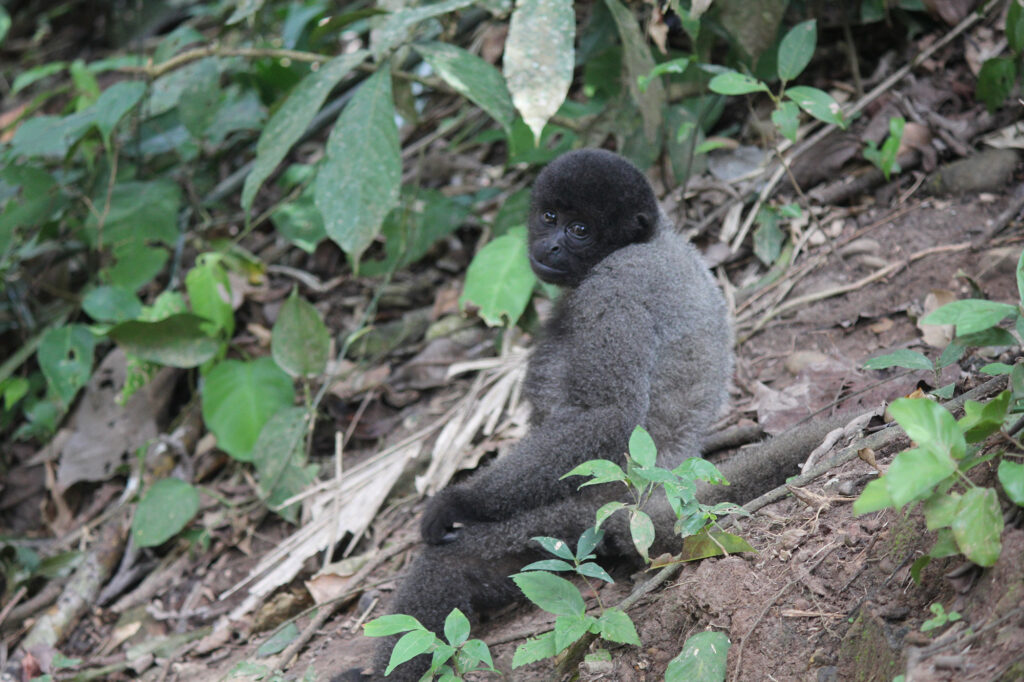
There was a particularly busy when Douwe came home from Pucallpa a day early and in the dead of night, with a large variety of resciued animals, 88 in total:

Katinka is a baby spider monkey who is a real character, she is very attached to humans but she is spending her time with Tushko and Suly in the SUST animal hospital and we are trying to get her to be less human oriented. She also has a habit of sleeping on the floor which we are trying to discourage by putting a hot water bottle in her sleeping box to try to get her to sleep there more, which is working.
Tommi, Aritha and Inka, 1 squirrel monkey and 2 tamarins, all came with strings wrapped around there waist, all were extremely scared at first. However now they all enjoy causing mischief while people are trying to clean their enclosure. Tommi (male squirrel monkey) is still juvenile. Aritha is an adult tamarin and Inka is still a youngster.

43 parakeets arrived, all packed together in small cages. We received 5 cobalt winged parakeets, 4 Tui parakeets and 34 white winged parakeets. Some died in the first 10 days due to the malnutrition and bad condition in which they arrived. For these the treatment with antibiotics unfortunately was already too late. Most parakeets were moved after 10 days, for the rest of their quarantine period, into the outside cage Tupak, so they are more comfortable and receive sunlight. Some are under more intensive care still in the clinic in a smaller cage, and one special one, with a broken leg, has been treated and named Legolas, by Lisa, our veterinarian.

Zonia, Tupara, Teslo and Thesia, are a few larger parrots that live in the operation room of the SUST animal hospital because of a lack of room for all the animals that came in. Zonia is a very tame orange winged amazon who loves the attention of the people who are cleaning the enclosure. Tupara and Teslo are new mealy parrots and Thesia is a white eyed parakeet they all spend most of their time avoiding people.
Yellow spotted river turtles, we received a lot of turtles varying in size. Almost all were released by the volunteers into the nearby river and 4 turtles were kept behind. 3 of the biggest turtles are now being kept in Momo enclosure where they surprisingly spend most of their time in the shade of the trees rather than in their pond. The last turtle is being kept just outside the clinic because of a hole in her shell and a deep wound in her leg. Geiler made her a nice enclosure with a pond for her and a shaded area.

Yellow footed tortoises, 8 tortoises arrived as well after an examination they were all put in Momo cage along with the 3 turtles.
Among all the arrivals there was also a three toed sloth. After a health check he was released. He was caught out of the wild only a day ago, taken before people would kill him. Douwe took it down to the river with all the volunteers and family at the end of the night for it to be released.
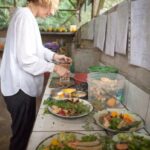
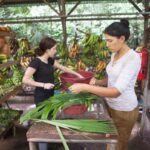
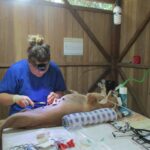
.

Volunteers

This month Douwe, Geiler and 3 volunteers were over in the village fixing bikes for the kids. It is a government sponsored programme to help more children that live in rural areas to get to school. They received the bikes about a year ago so most of the bikes were in need of a fix up. It took 2 days but almost all of the 23 bikes managed to get fixed with only 2 beyond repair.
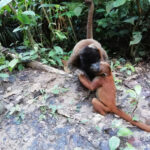
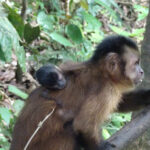
Even though it has been a super busy month here at Esperanza Verde spirits are still high and the volunteers even found time to visit Regalia the large waterfall. It was a great day out that everyone really enjoyed.