Esperanza Verde Update / August 2018

There is never a dull moment in the jungle. With a lot of new arrivals and lots of changes to enclosures and volunteers this month has been especially exciting.
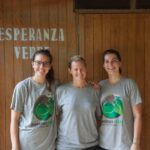
With our new assistant manager Laura arriving, Lisa stepped down to do more veterinary practice and Carlotta filled her shoes as head volunteer.

.

Monkeys

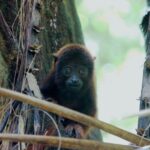
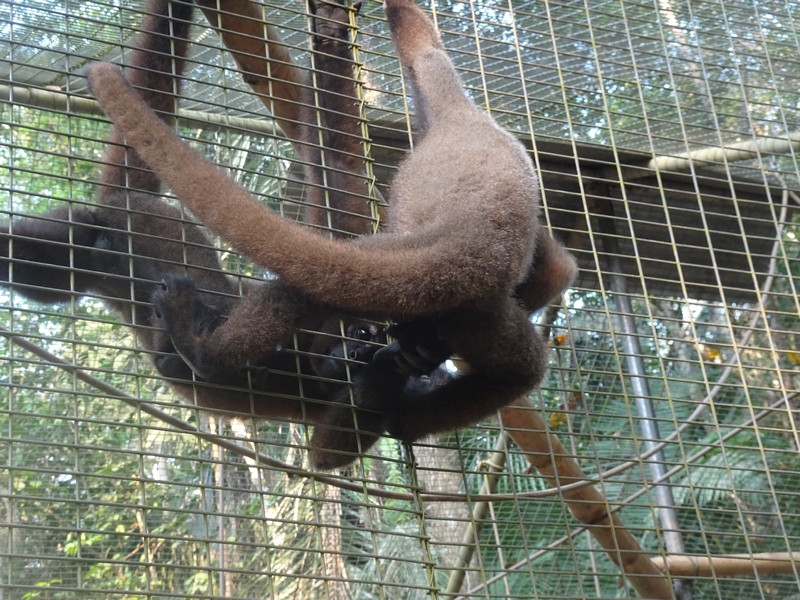
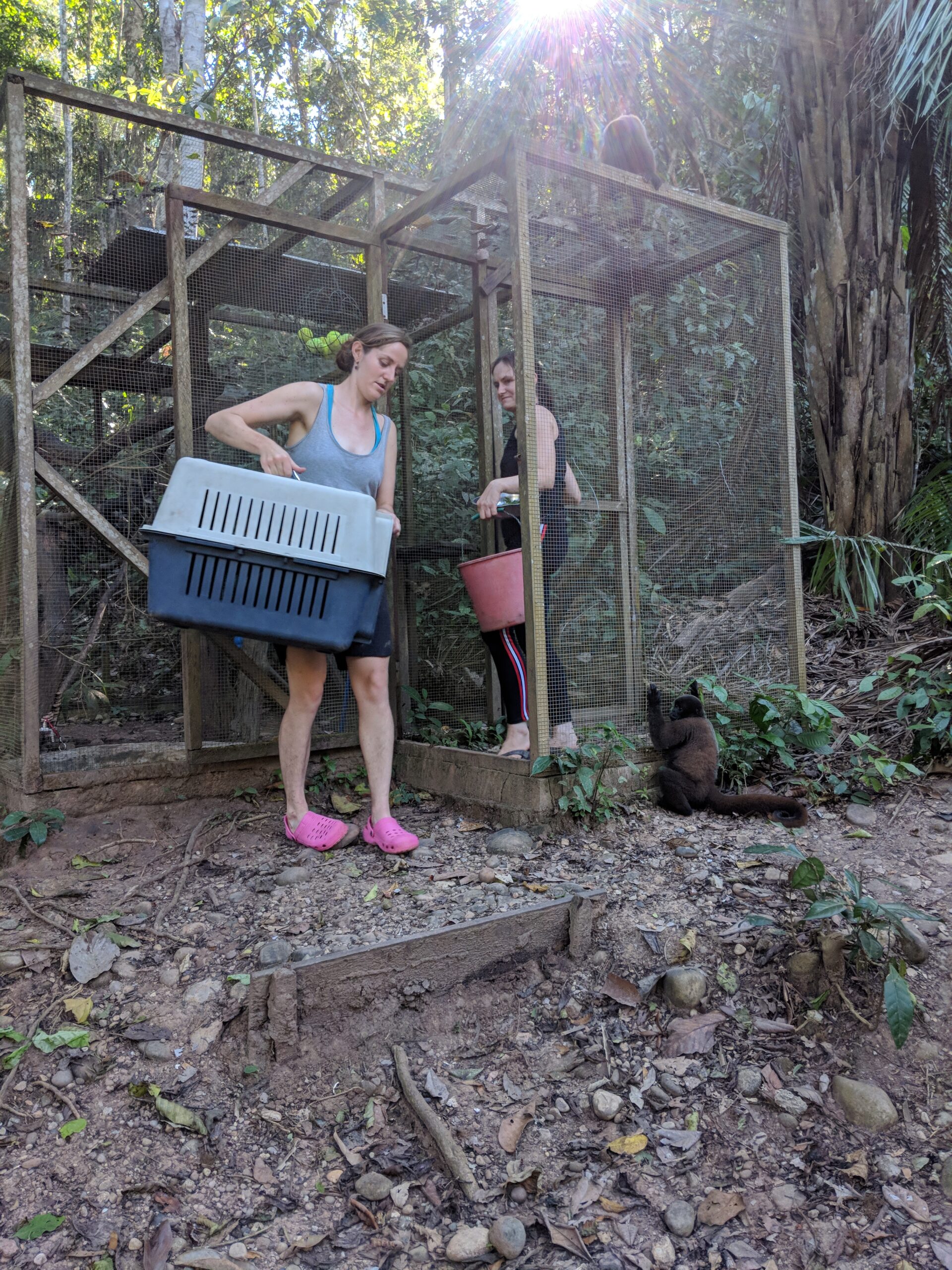
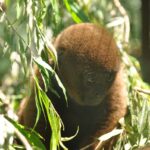
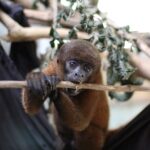
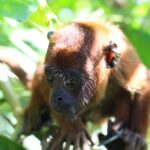
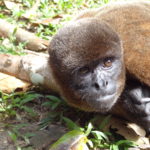
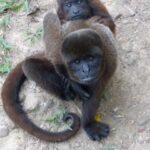
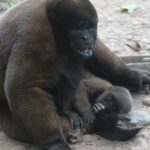
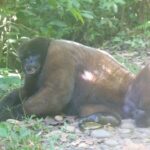
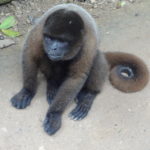
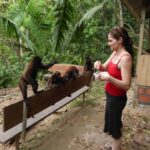
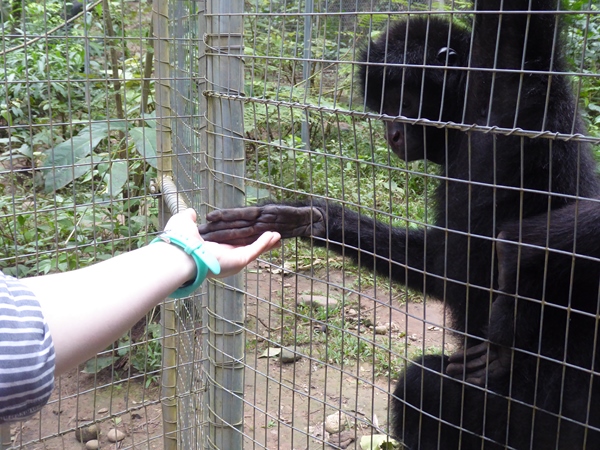
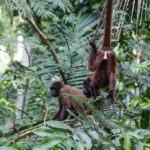
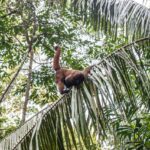
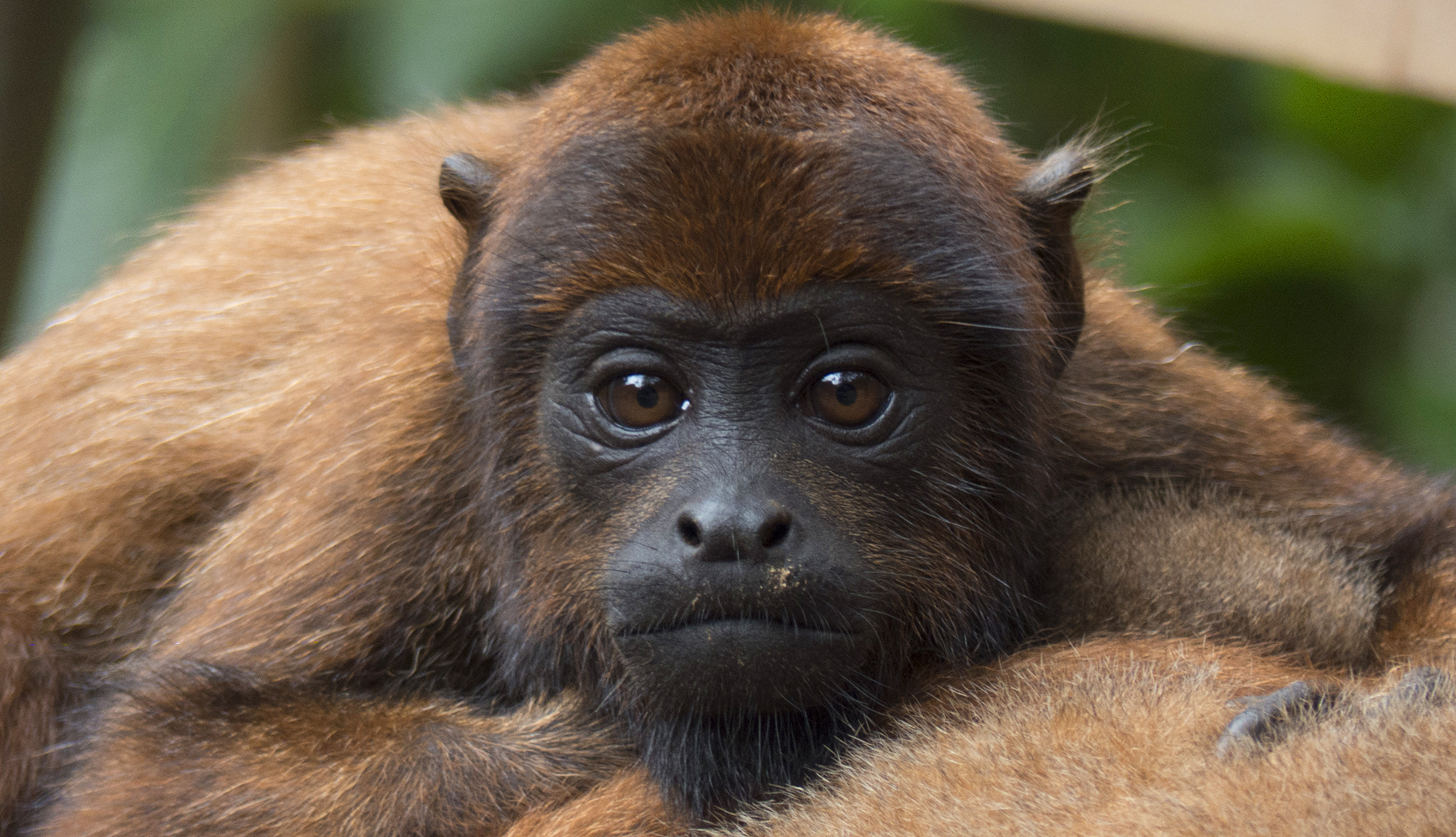
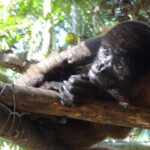
Moyo (male adult woolly monkey), has been moved to La Sapa enclosure where he will have a lot more space to move around and practice climbing. Monano has also been enclosed with Moyo to help him get used to other monkeys and to hopefully teach him how to behave more naturally. The hope is still that Moyo will be able to join the rest of the monkeys in the trees but as he has been a pet for so long, it will be a long hard journey.

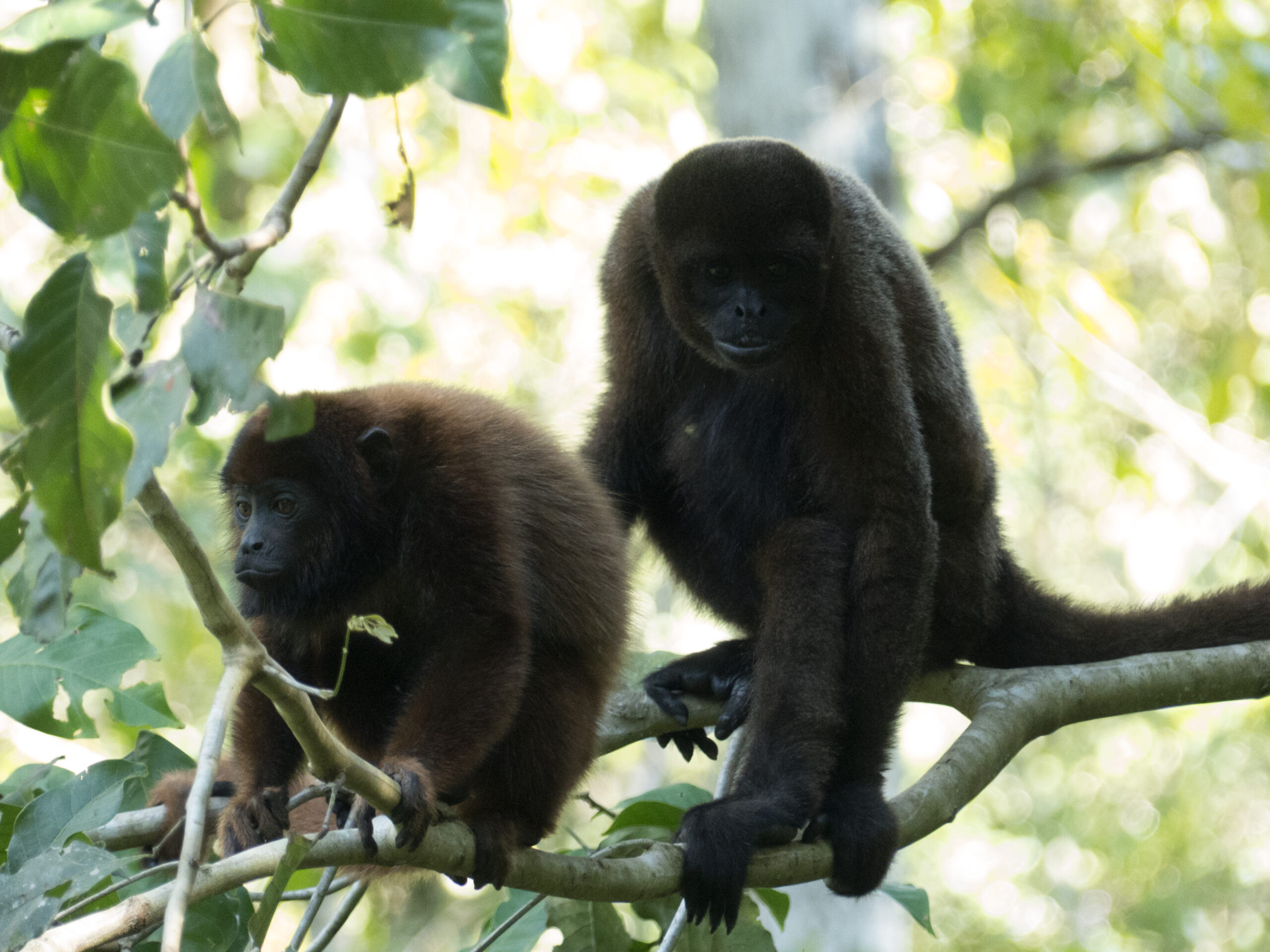
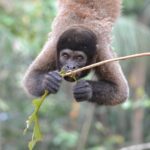
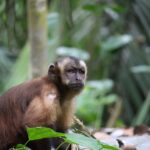
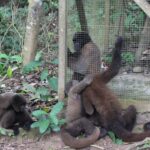
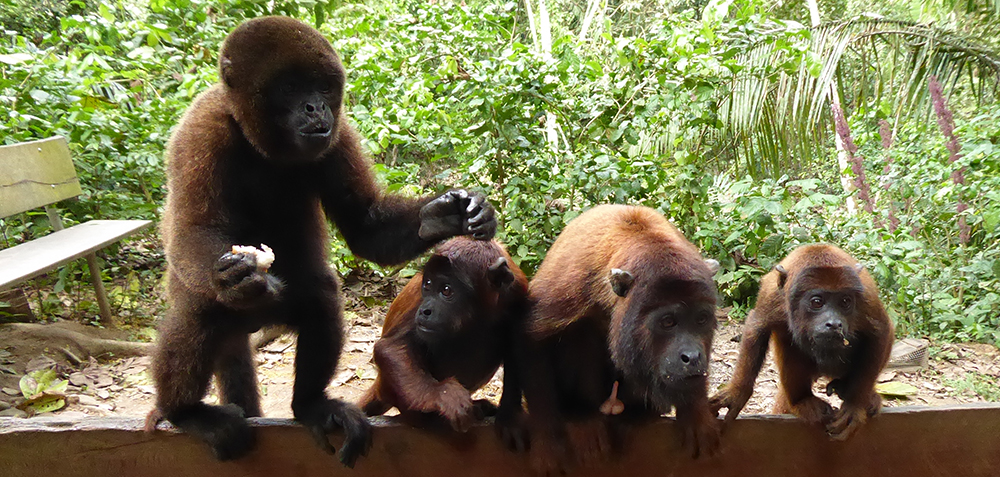
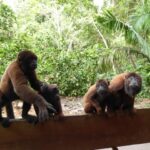
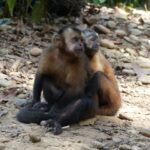
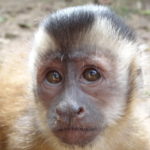
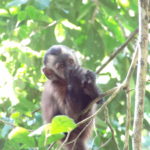
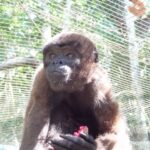
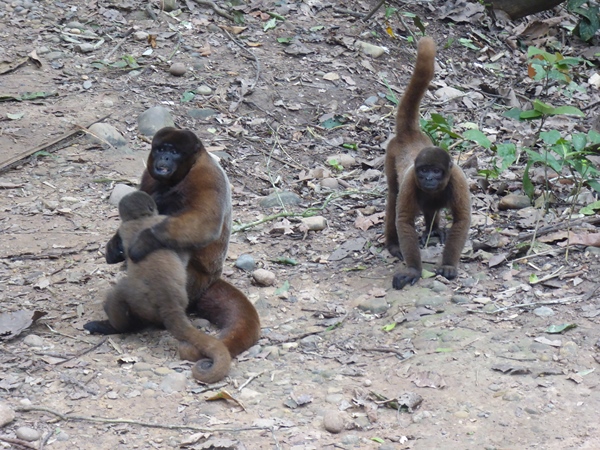
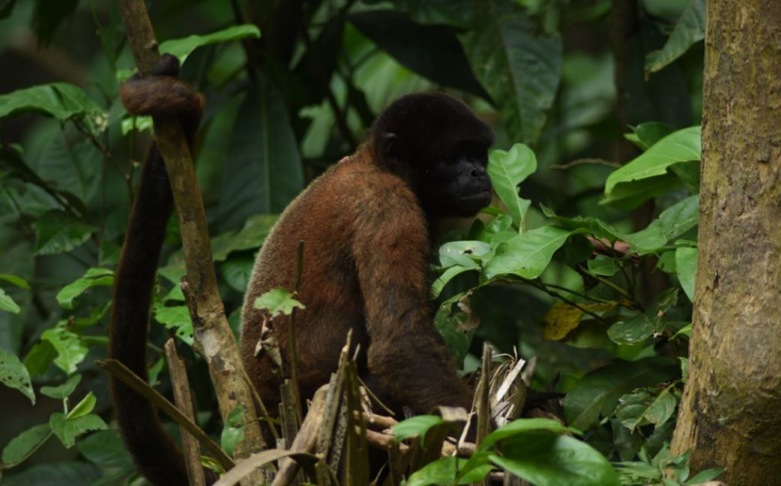
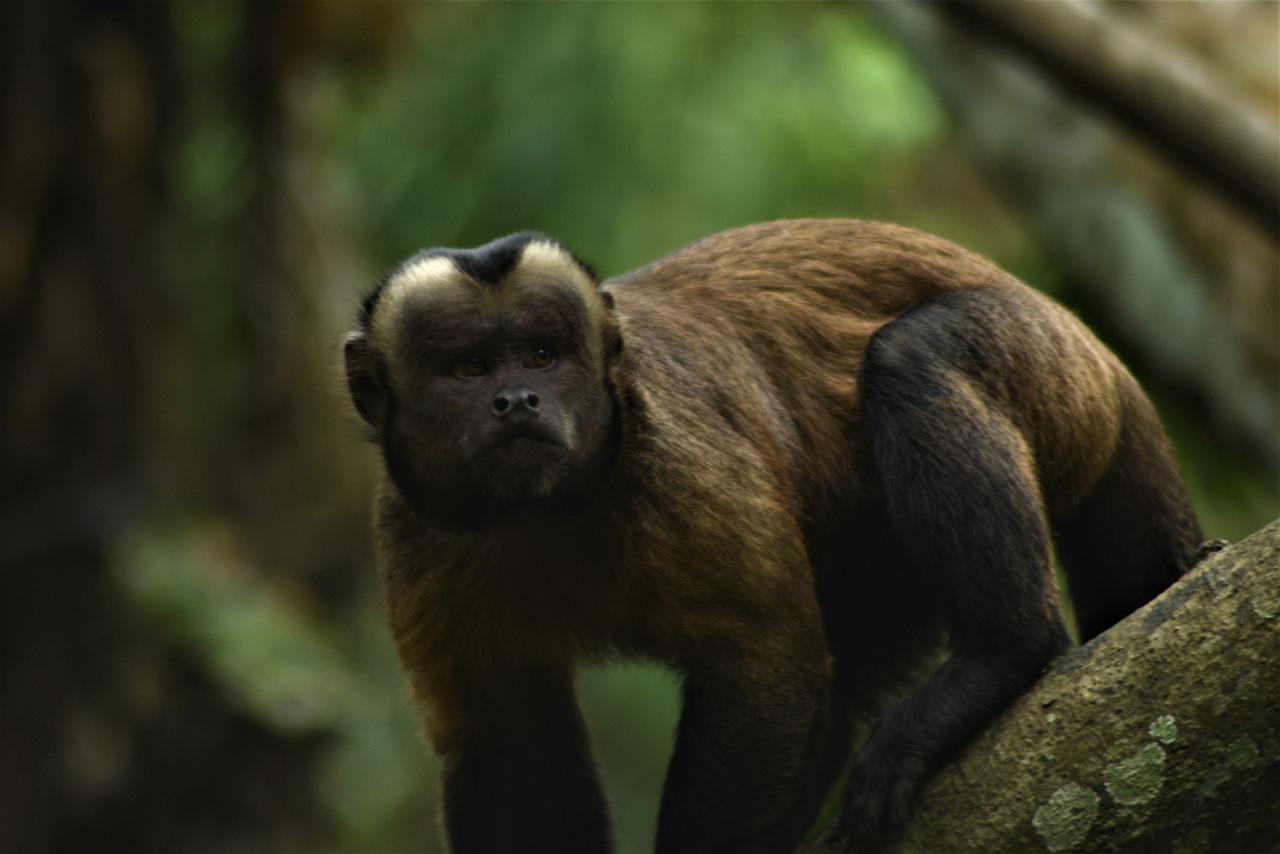
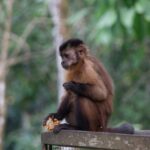
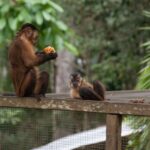
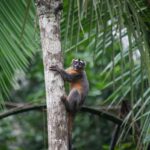
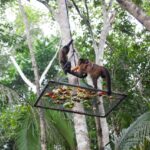
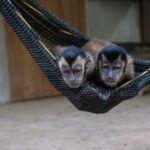
Our outside monkeys are doing well in lieu of recent events. The capuchin group are doing really well especially with Maku as the alpha-male. It is an impressive sight to see him commanding his group. The woollies are doing well and are now often around Moyo and Monano’s enclosure chatting and playing with them.

Benito
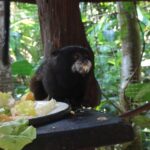
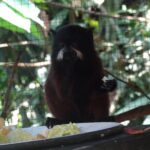
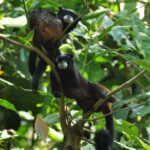
and Tagu, the two male tamarins, have been moved to Lucia enclosure with the hopes to release them soon and with the re-emergence of Shambito one of our released Tamarins we are hopeful they will be accepted into this group. However with the arrival of 2 new female tamarins (among other animals, more on that later) their release has been delayed to allow all 4 to hopefully be released together.

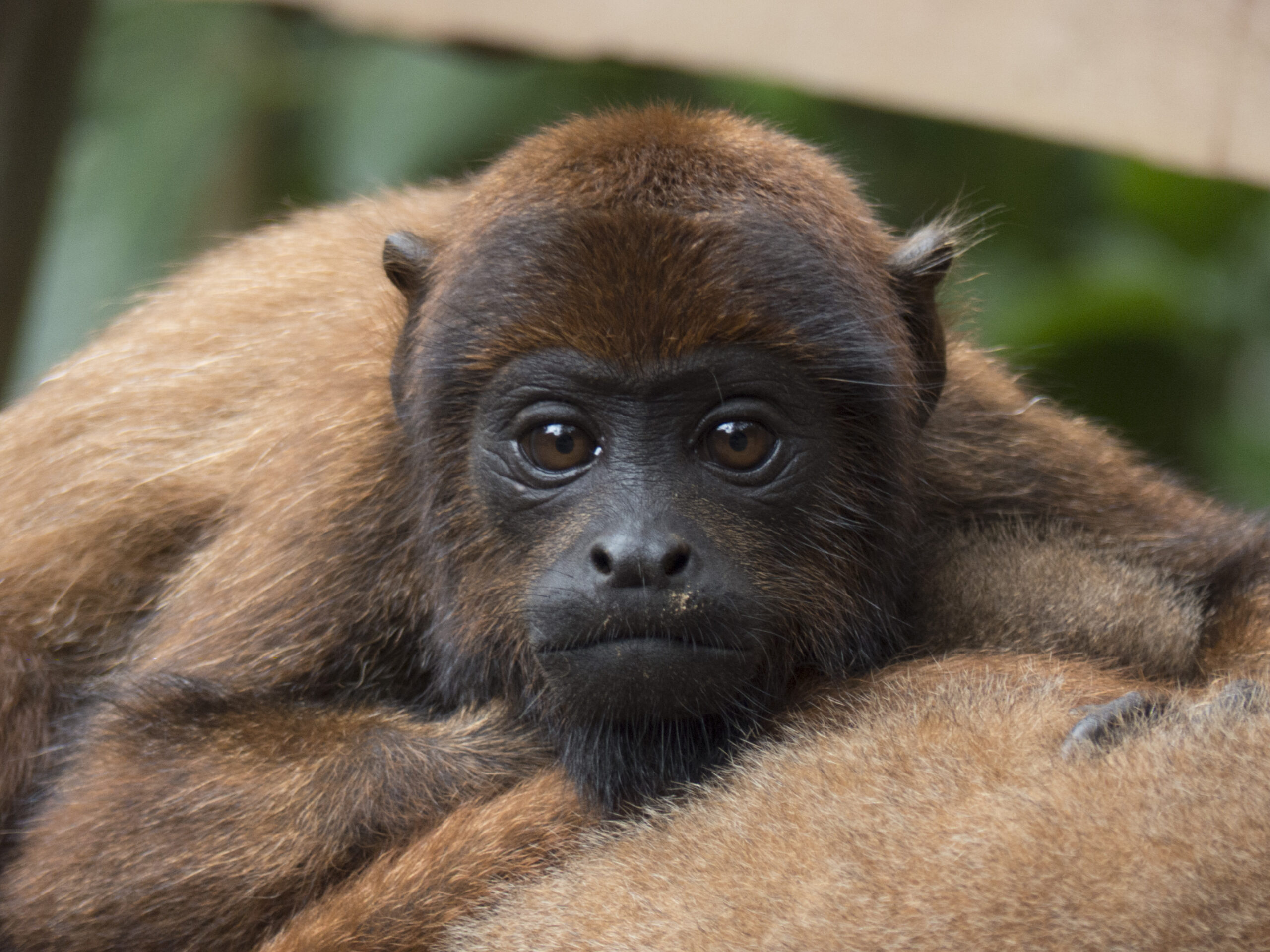
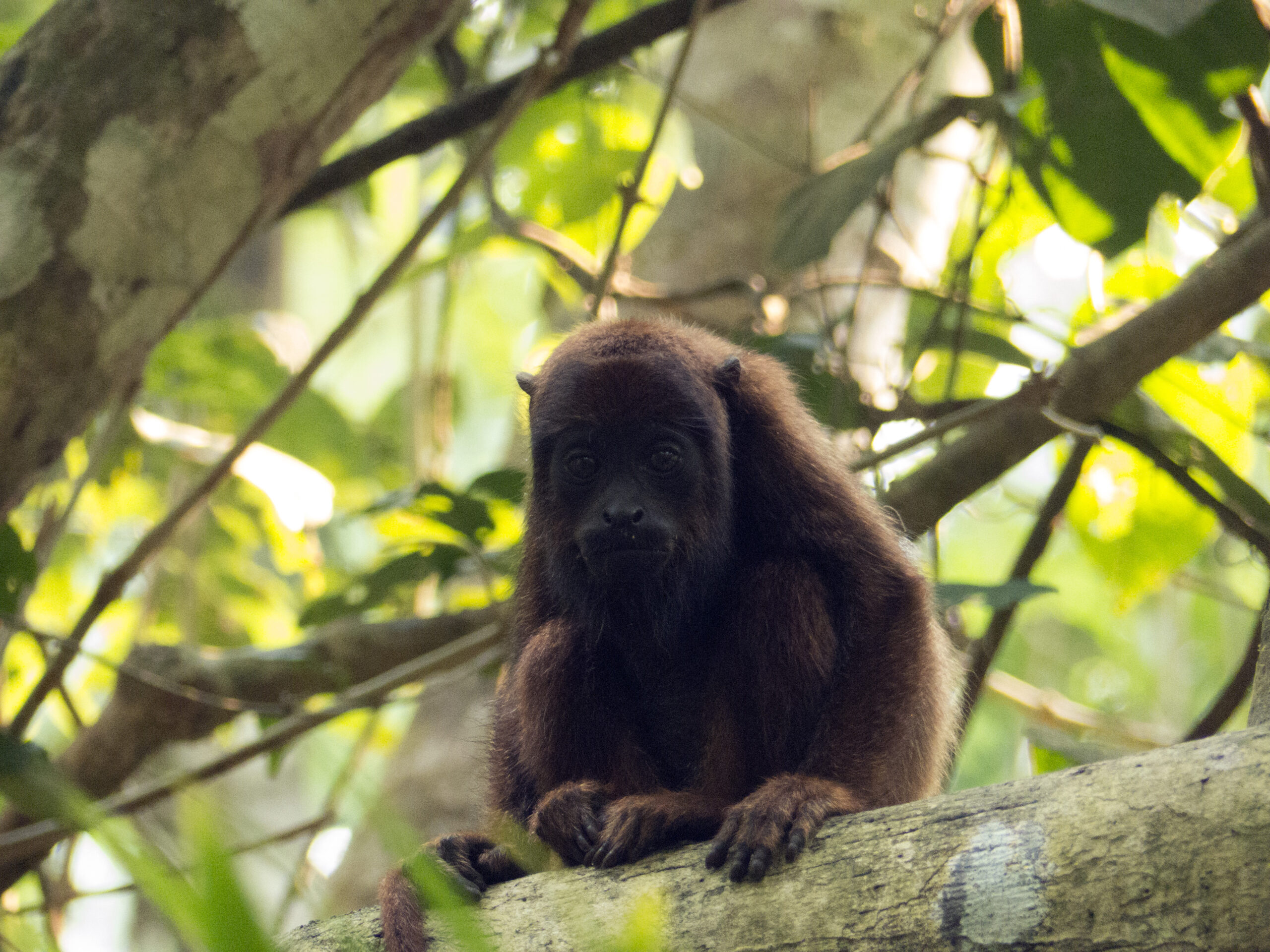
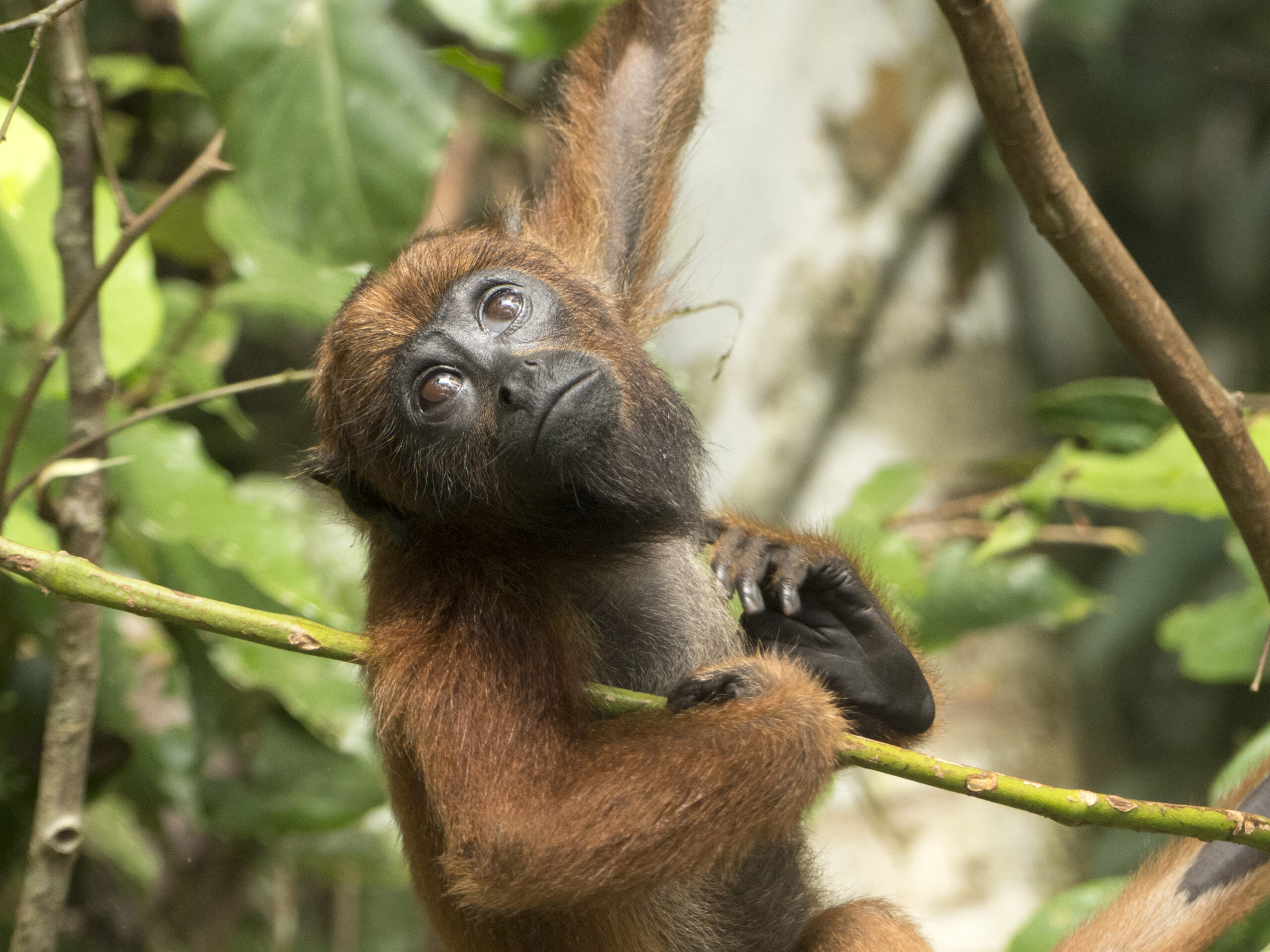
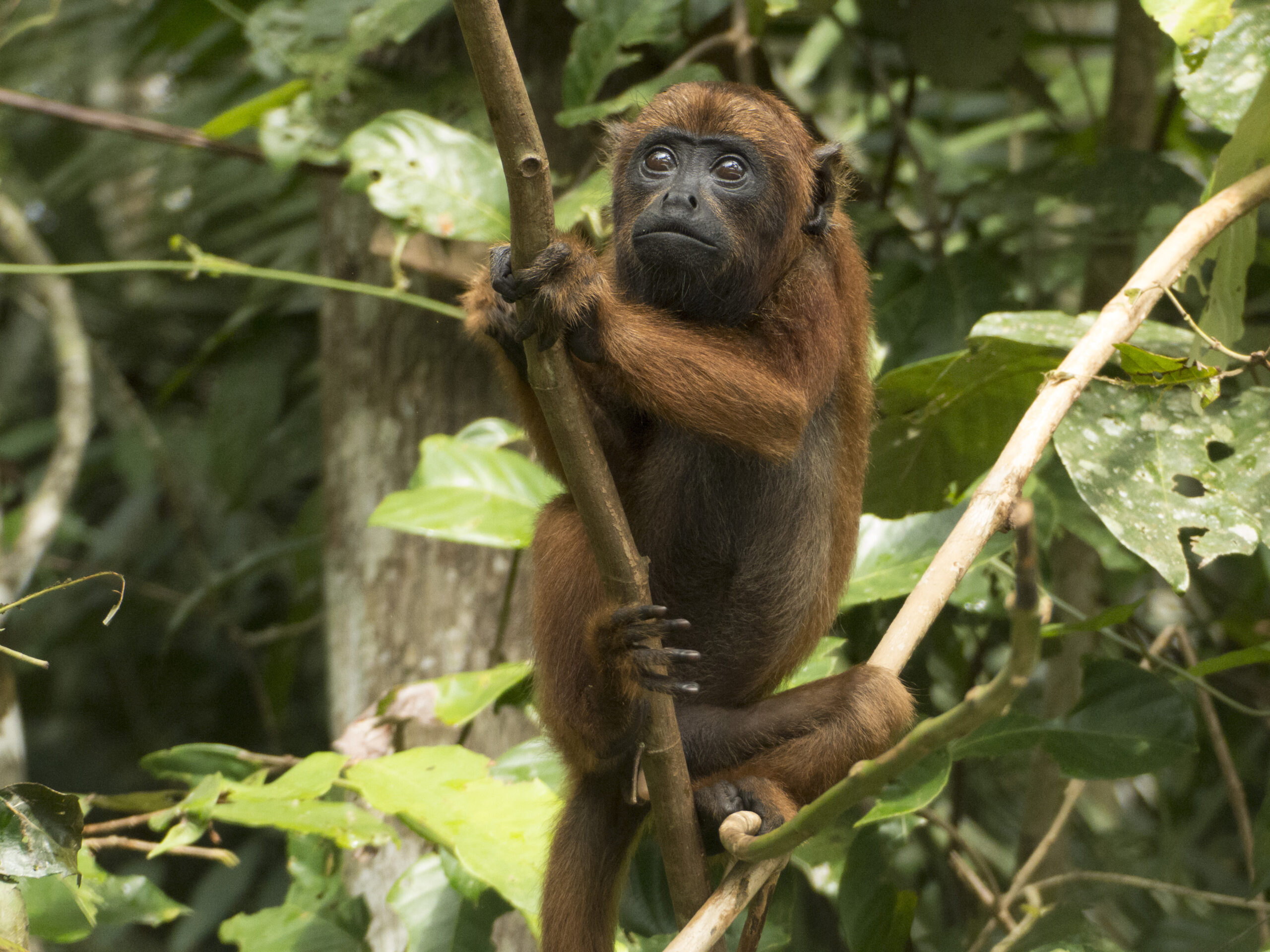
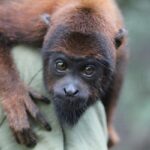
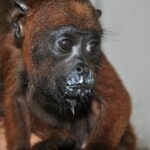
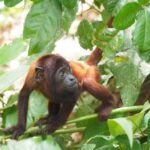
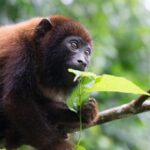
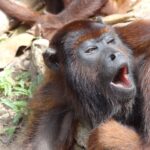
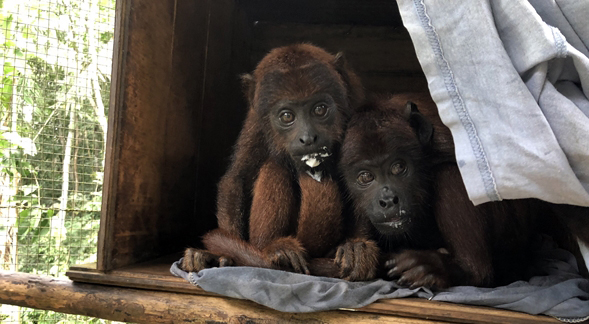
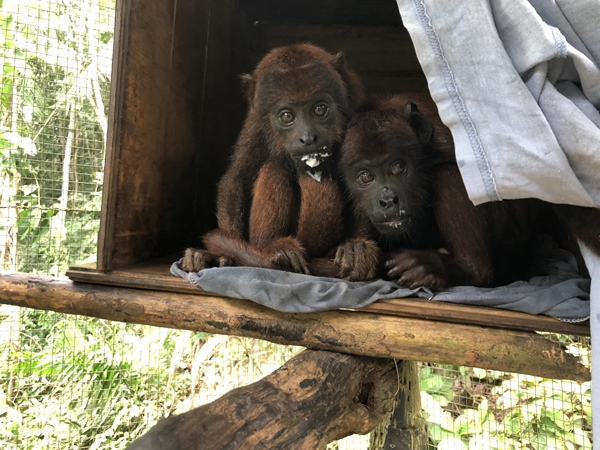
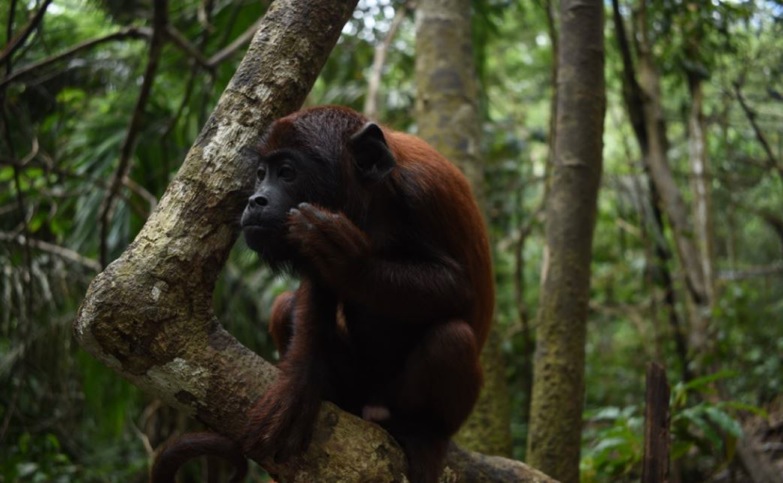
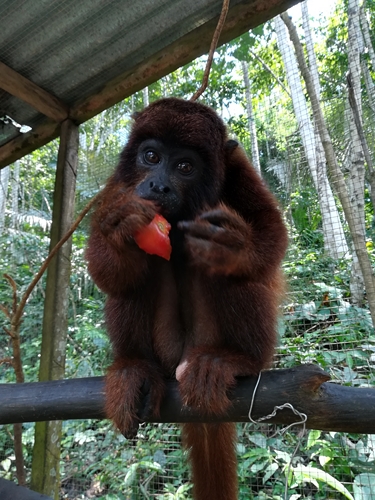
Kaya, our female howler monkey, fell ill. Howler monkeys are one of the most difficult animals to keep healthy, mainly because of their complicated diet and digestive system. With the loss of Wallace and shortly after, Cesar, we are beginning to get desperate on how to help her in the best way. She is still hanging in there, and is under Douwe and Olivia’s care in the manager house. She has good and bad days, but has been losing a lot of weight. Her buddy Darwin, our juvenile young male howler, is now on his own at night, but enjoys the company of the woollies and Ramon (baby howler male) during the day. He even came to visit Kaya once at the manager house. At the moment her condition seems stable, so we hope from here we can get her up and going again.

.

Other Mammals
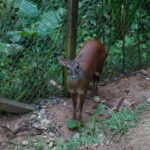
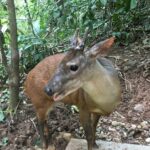
Ringo and Rabito have been doing very well together in Pepito cage. The fence between there 2 enclosures has been closed off to allow for other animals to use the Xena enclosure so they are now in Pepito enclosure together.

Doquino
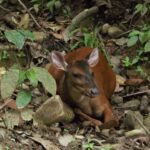
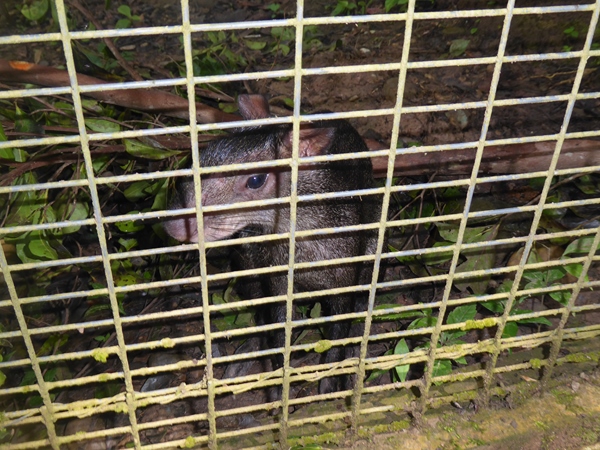
, has been moved from La Sapa enclosure into Pepito enclosure where he is happily living out in a more spacious enclosure with our 2 Red brocket deer Ringo and Rabito. All 3 seem to get along really well and are often seen wandering their enclosure together.

.
SUST Animal Orphan Hospital

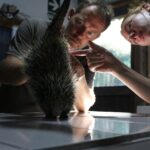
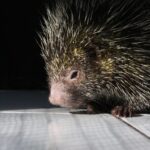
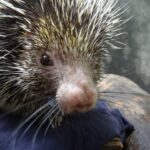
Soraya, after a long time the decision was made to let Soraya go. After losing her leg she began eating her own tail which was then shortened to stop infection. The decision was made after she could no longer walk and her quality of life was severely affected. There was a great deal of stress for her every day when receiving treatment and in all liklihood she would never be able to climb trees properly again. We are all very sad to not see her in her box sleeping during the day or eating her porridge mix at night.

.

New Arrivals

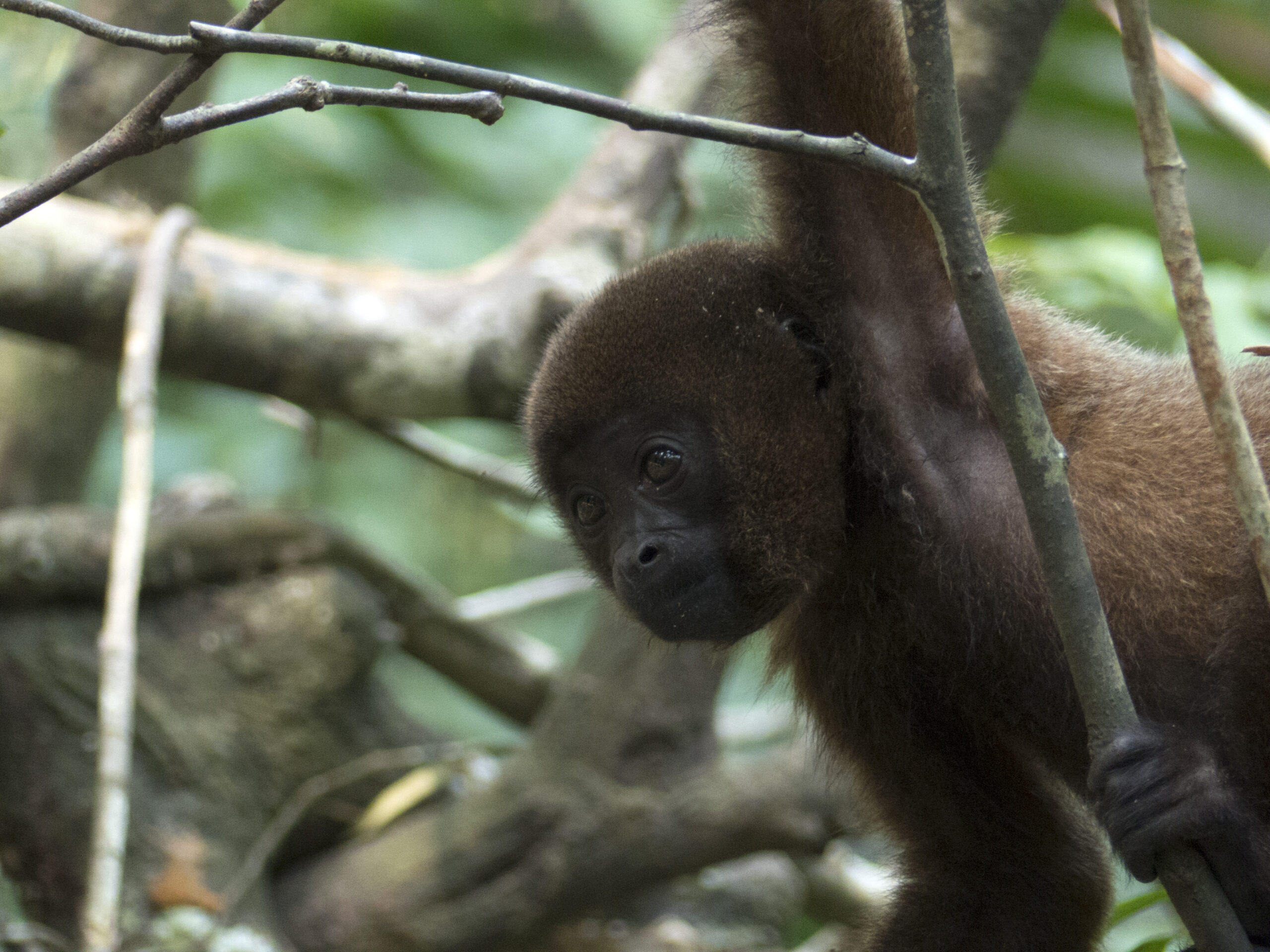
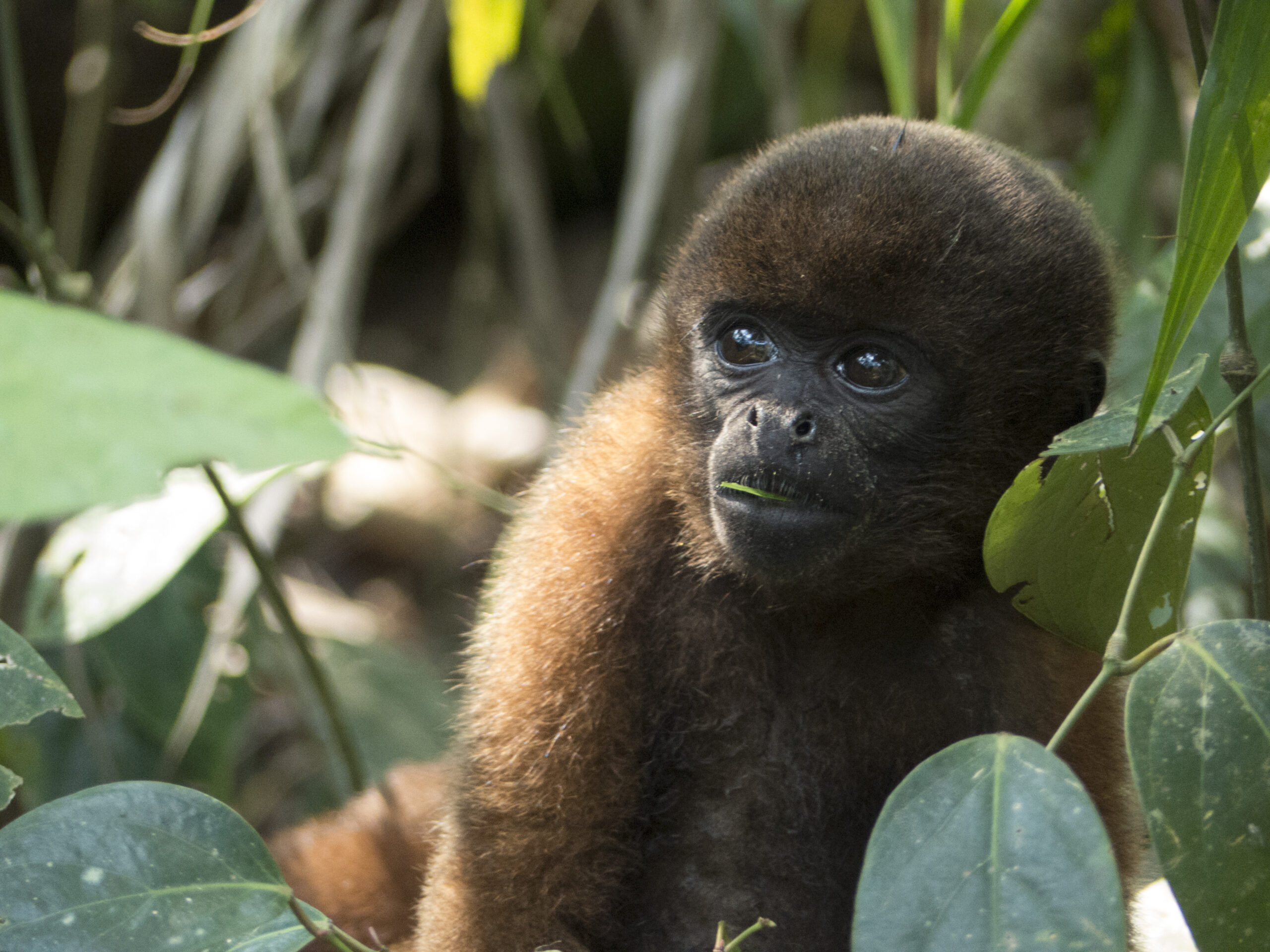
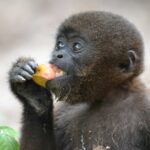
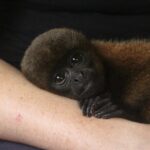
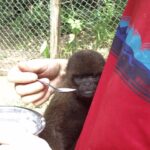
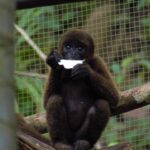
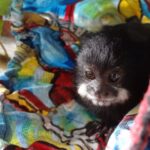
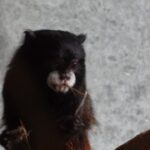
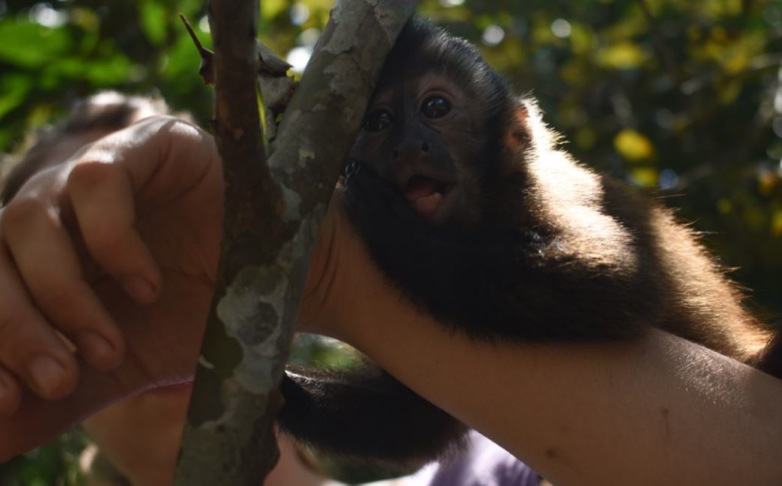
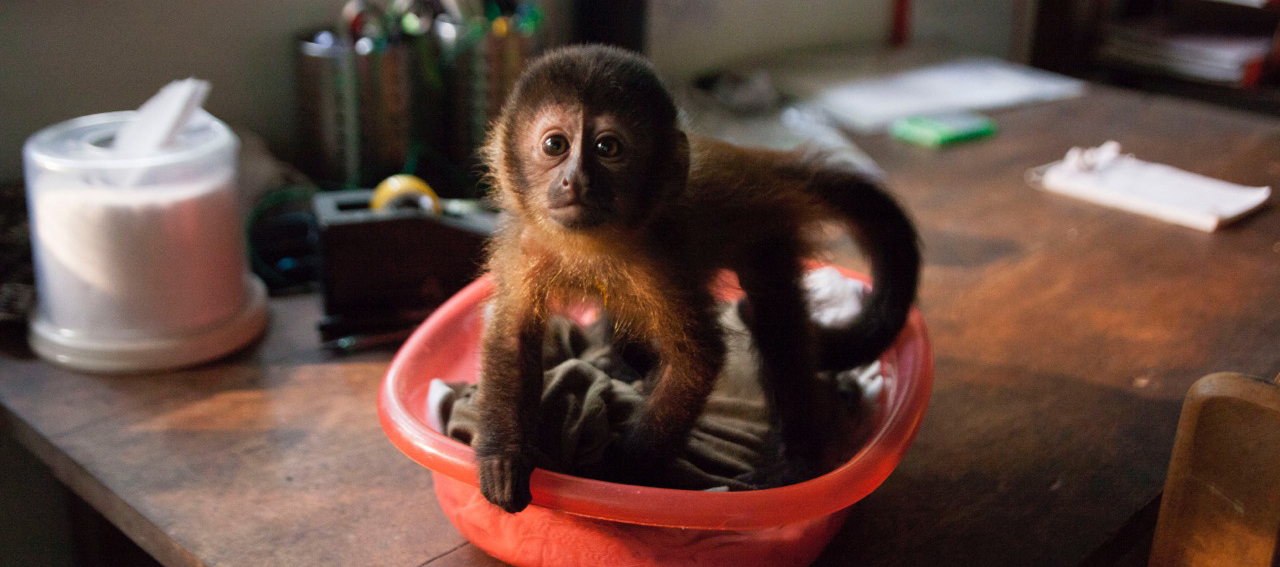
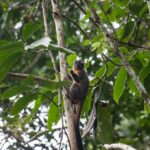
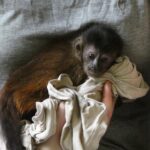
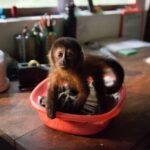
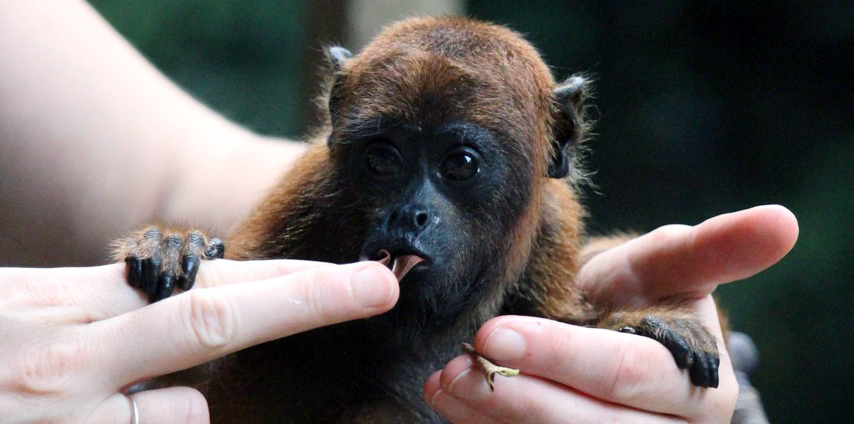
Tushko, a new baby woolly monkey arrived and with his distinctly Elvis looking side burns he is quickly becoming a new favourite of many of the volunteers. He arrived from the zoo in Pucallpa where he was being bullied by jealous female woolly monkeys. He is already very independent and it is looking very hopeful for him to join the outdoor monkeys along with Suly.

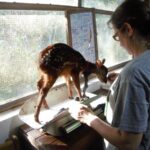
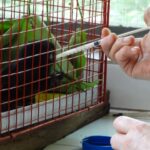
Roknar, a new infant red brocket deer came with Tushko and 2 Orange winged amazons. Roknar is now living at the manager house with Olivia and Douwe and the kids. He is still young so he is being bottle fed milk but he enjoys his time playing around the manager house with the rabbits and ducks that live there.

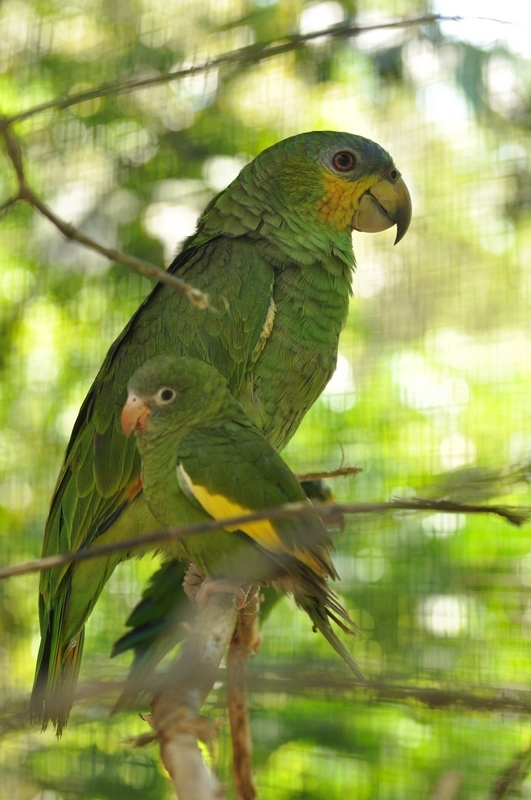
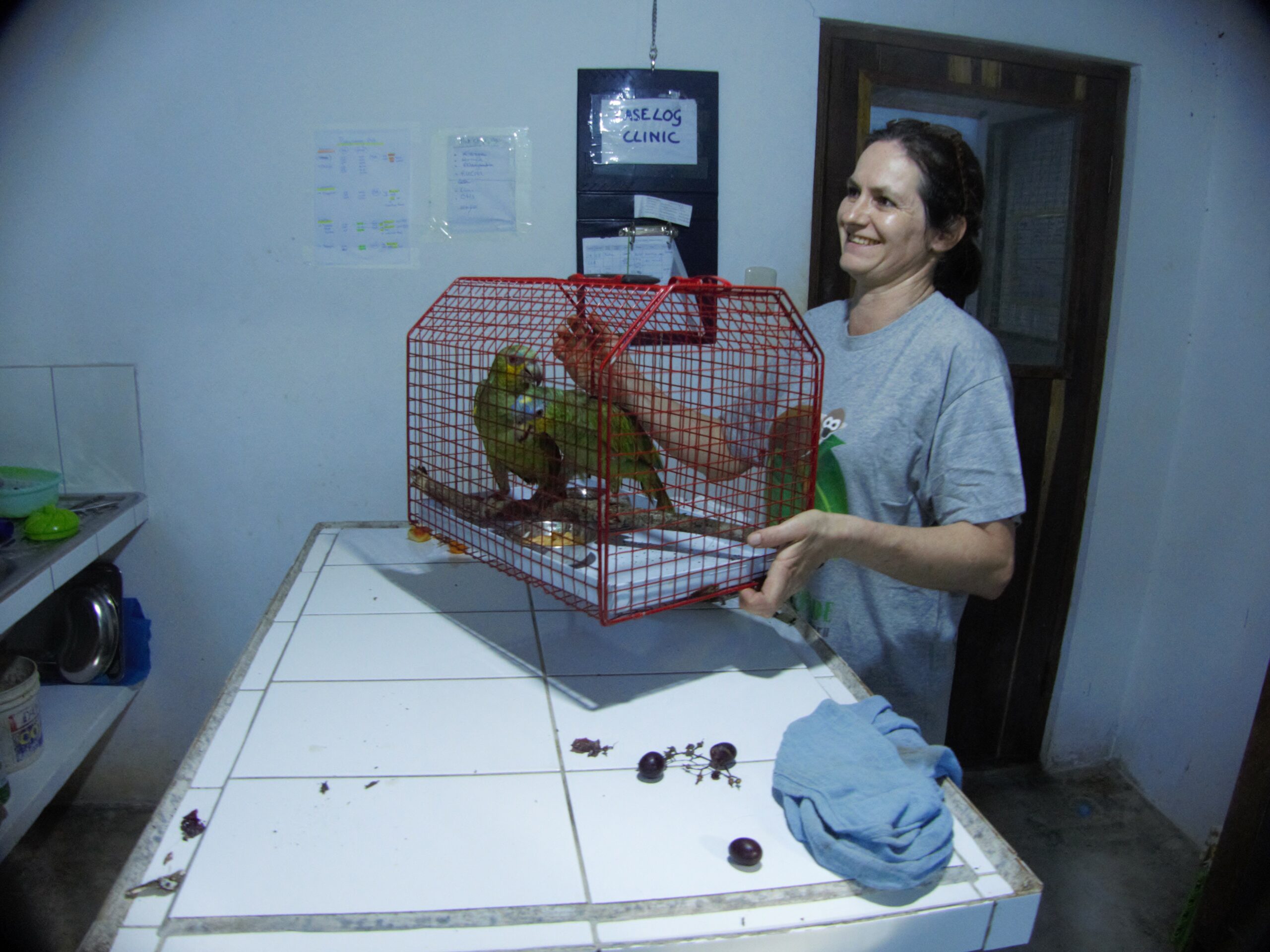
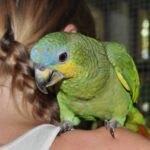
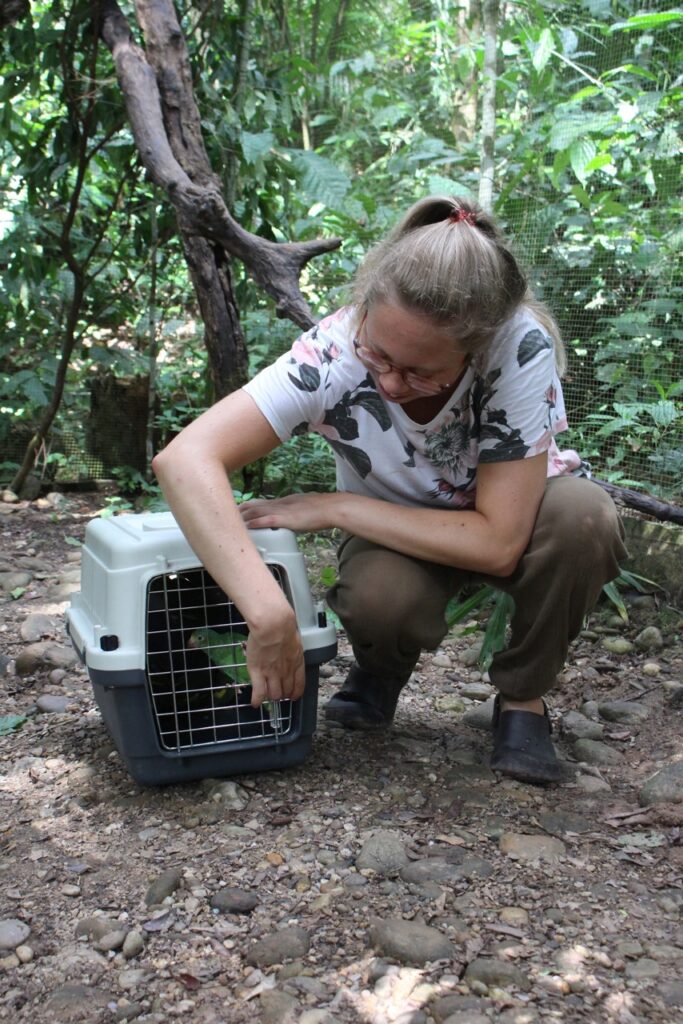
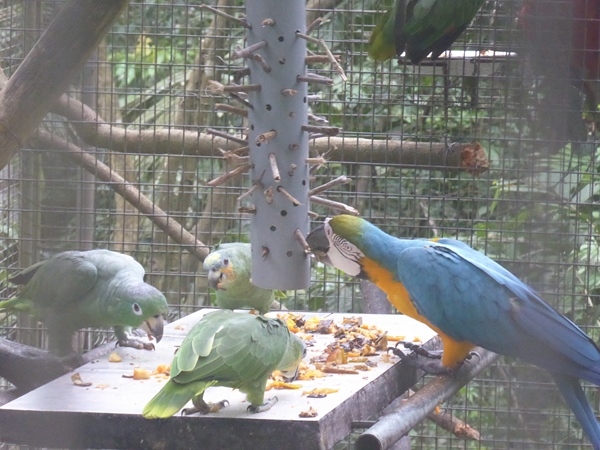
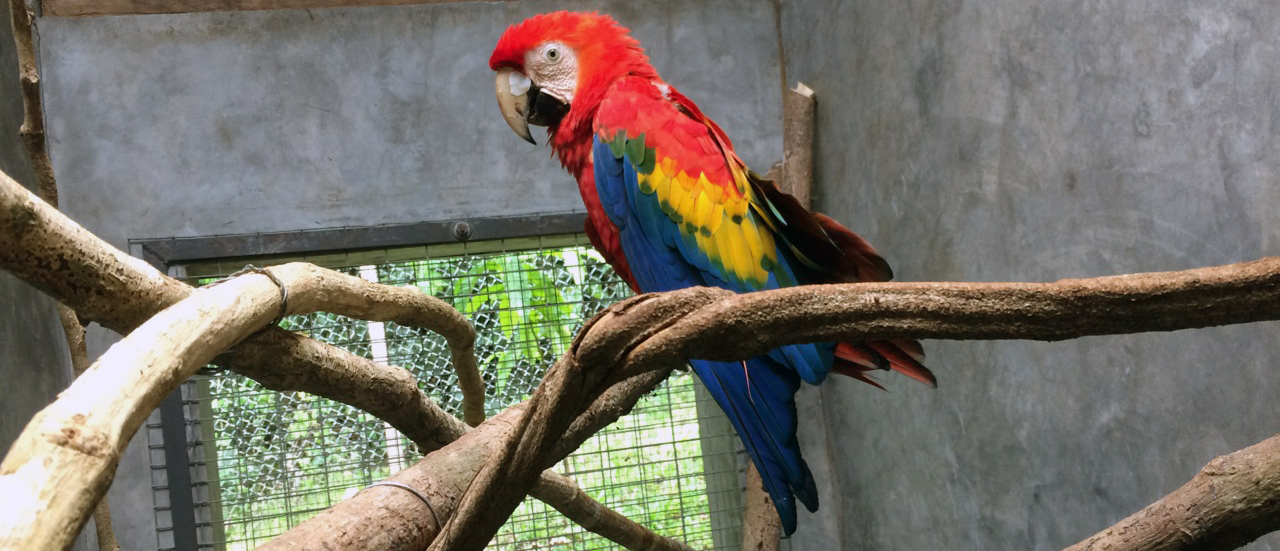
Ulisho and Roshca are 2 orange winged amazons were confiscated and as many birds from the trade their wing feathers were cut. After spending their quarantine period in the SUST animal hospital and the arrival of all the new animals, they were moved to the Igor enclosure with the other non-flying parrots and parakeets. When they have their new feathers in some months they can join the parrots in the aviary.
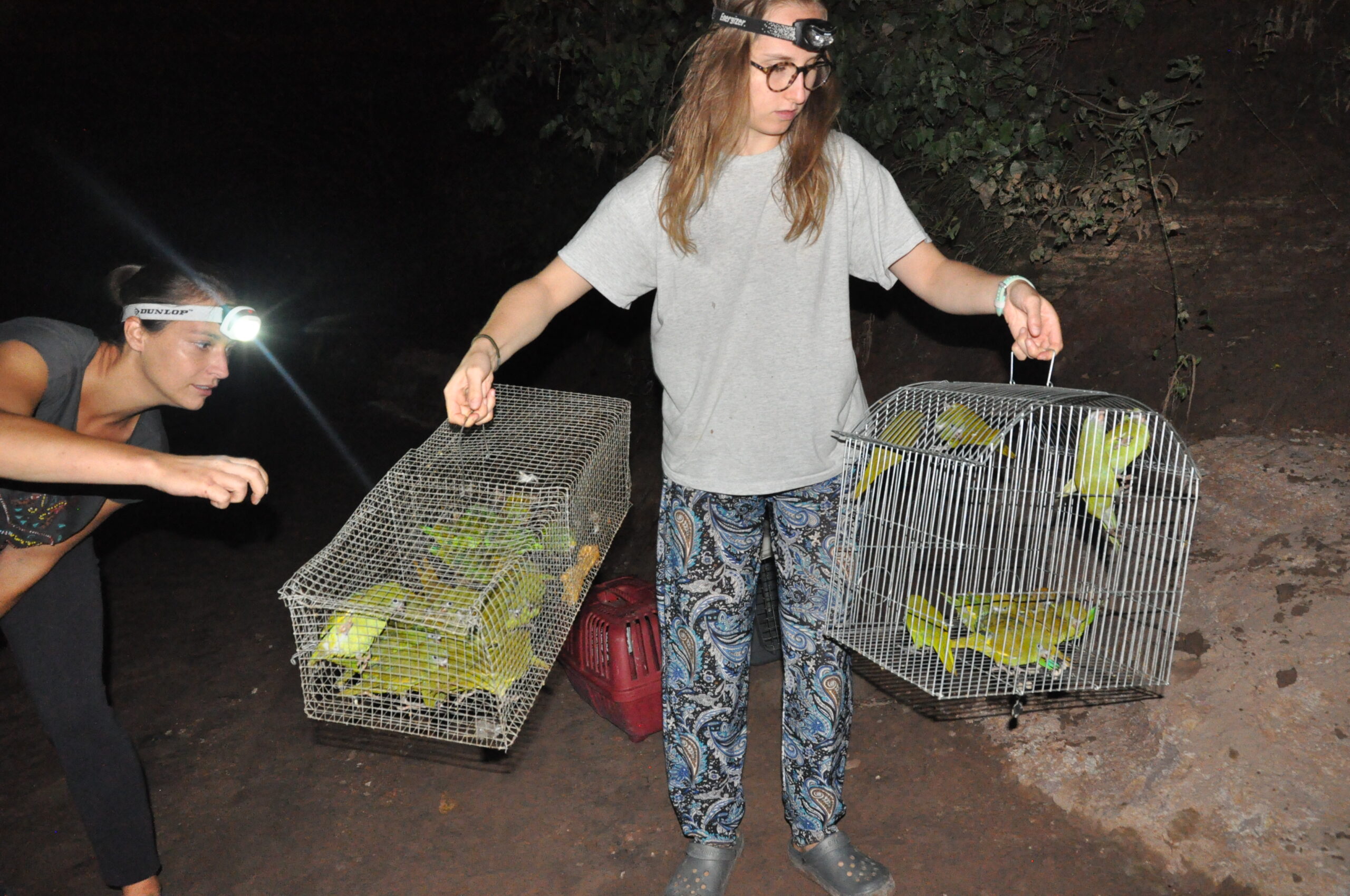
There was a particularly busy when Douwe came home from Pucallpa a day early and in the dead of night, with a large variety of resciued animals, 88 in total:

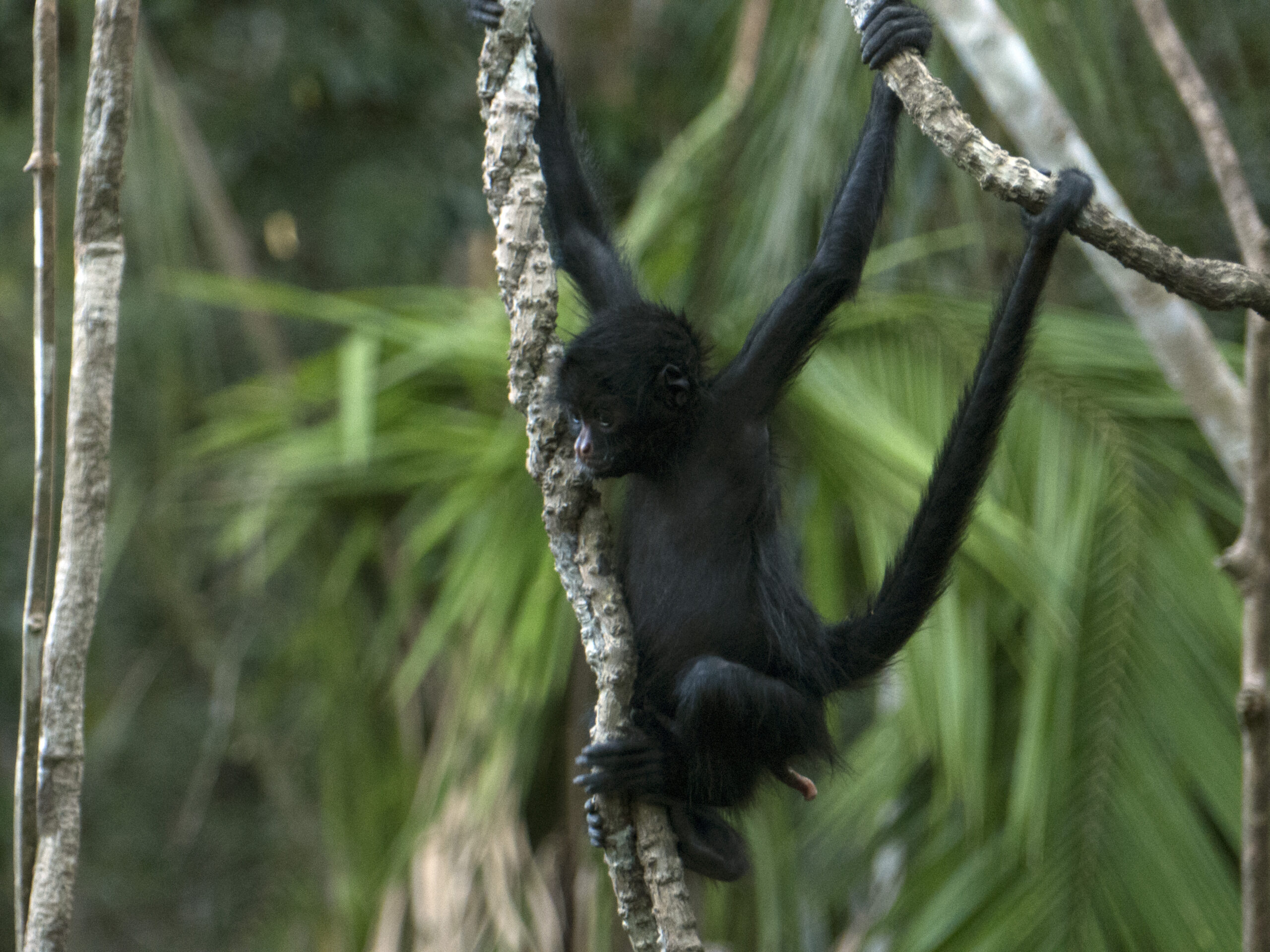
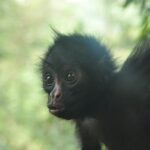
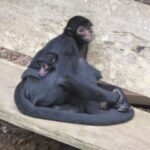
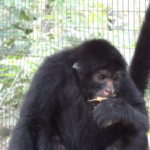
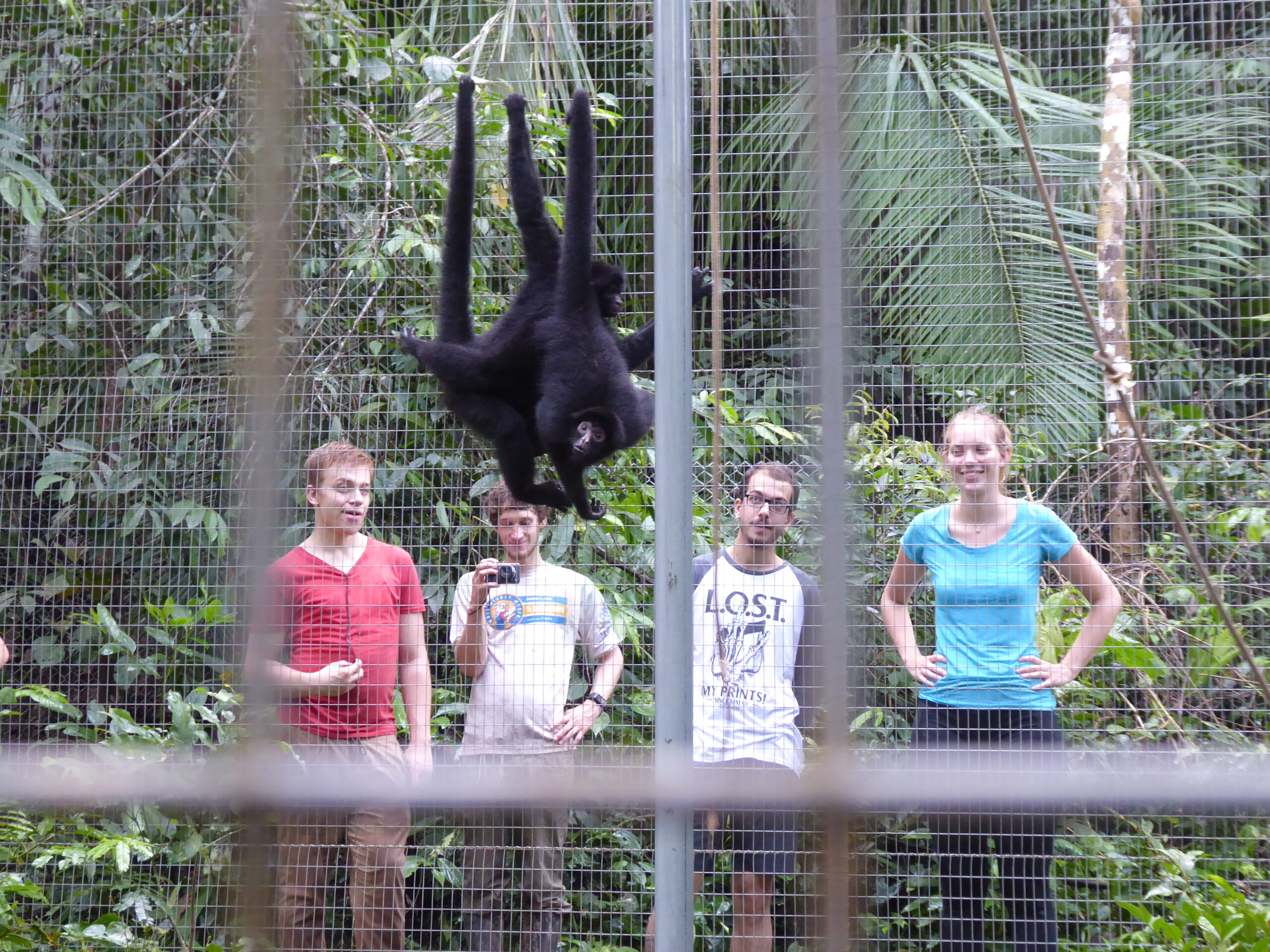
Katinka is a baby spider monkey who is a real character, she is very attached to humans but she is spending her time with Tushko and Suly in the SUST animal hospital and we are trying to get her to be less human oriented. She also has a habit of sleeping on the floor which we are trying to discourage by putting a hot water bottle in her sleeping box to try to get her to sleep there more, which is working.

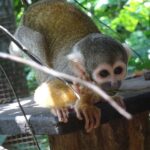
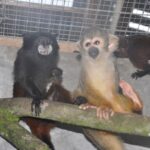
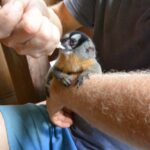
Tommi, Aritha and Inka, 1 squirrel monkey and 2 tamarins, all came with strings wrapped around there waist, all were extremely scared at first. However now they all enjoy causing mischief while people are trying to clean their enclosure. Tommi (male squirrel monkey) is still juvenile. Aritha is an adult tamarin and Inka is still a youngster.

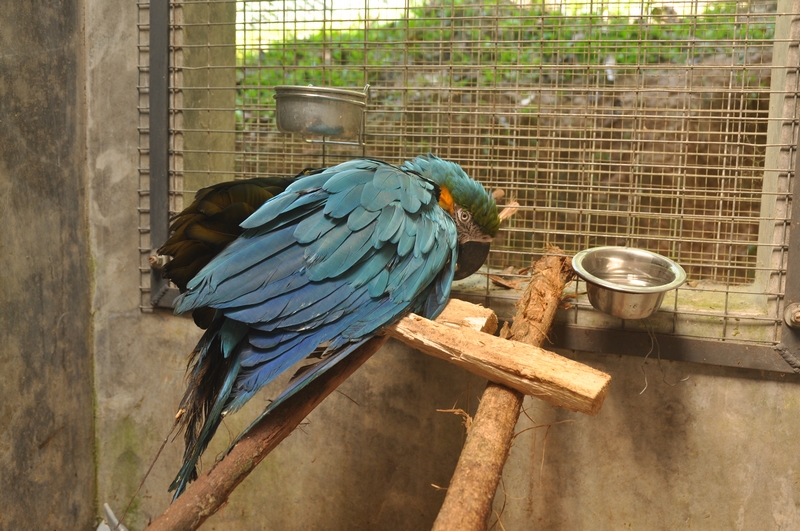
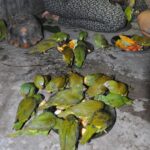
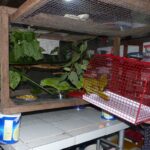
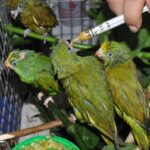
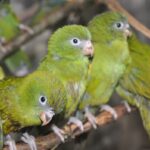
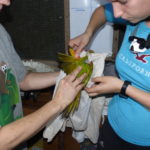
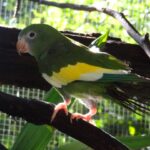
43 parakeets arrived, all packed together in small cages. We received 5 cobalt winged parakeets, 4 Tui parakeets and 34 white winged parakeets. Some died in the first 10 days due to the malnutrition and bad condition in which they arrived. For these the treatment with antibiotics unfortunately was already too late. Most parakeets were moved after 10 days, for the rest of their quarantine period, into the outside cage Tupak, so they are more comfortable and receive sunlight. Some are under more intensive care still in the clinic in a smaller cage, and one special one, with a broken leg, has been treated and named Legolas, by Lisa, our veterinarian.

Zonia, Tupara, Teslo and Thesia, are a few larger parrots that live in the operation room of the SUST animal hospital because of a lack of room for all the animals that came in. Zonia is a very tame orange winged amazon who loves the attention of the people who are cleaning the enclosure. Tupara and Teslo are new mealy parrots and Thesia is a white eyed parakeet they all spend most of their time avoiding people.

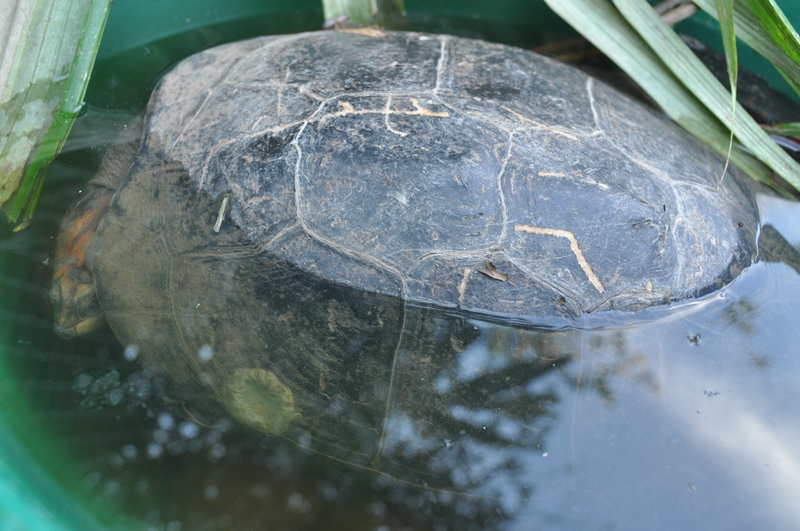
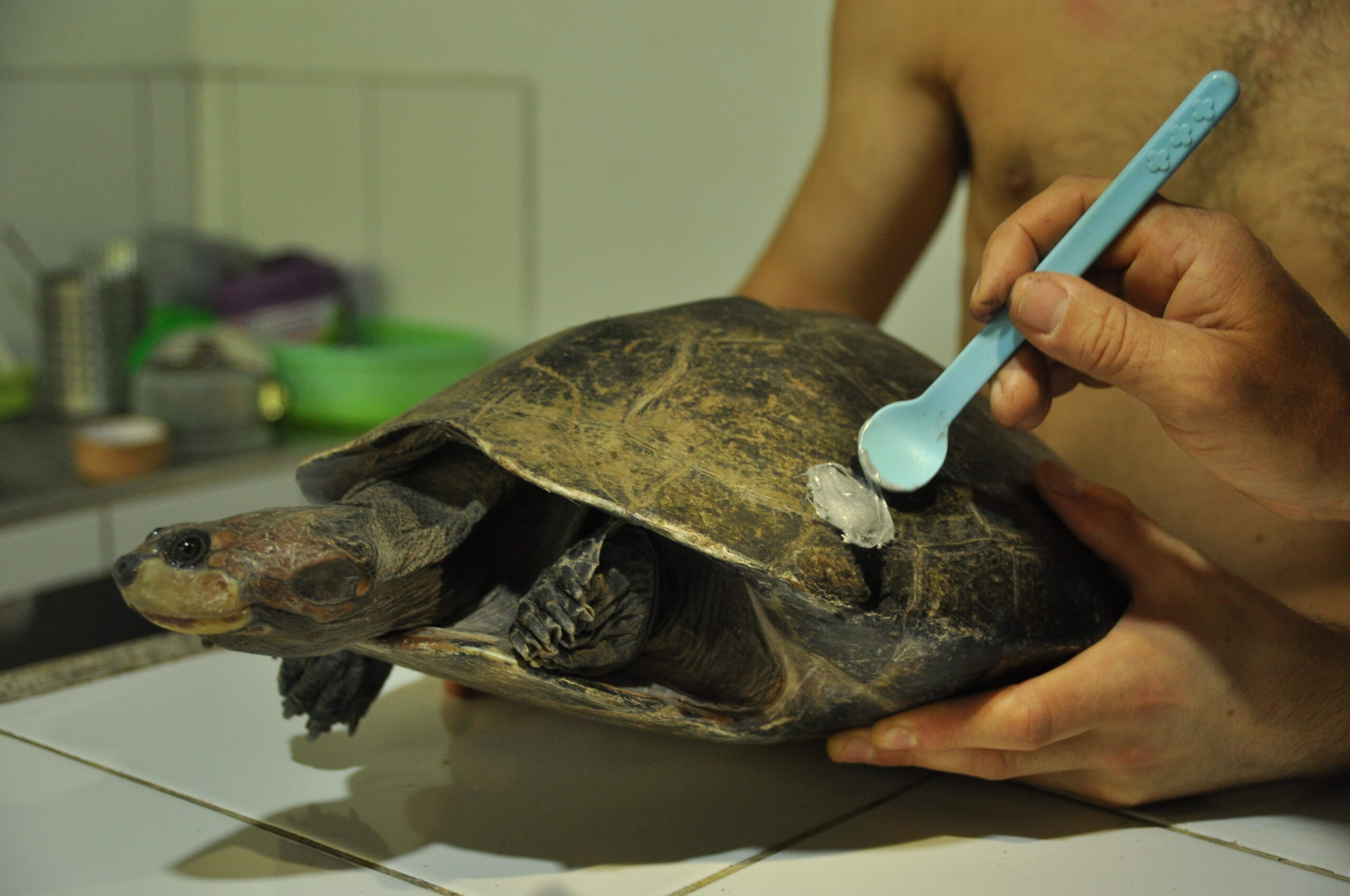
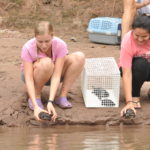
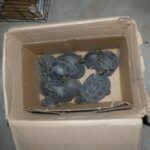
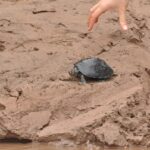
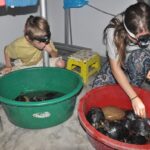
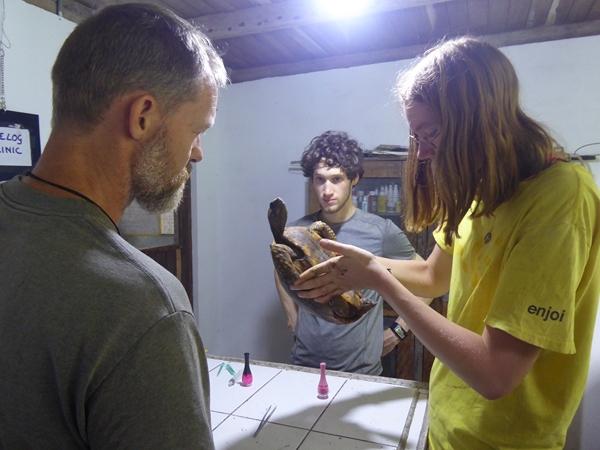
Yellow spotted river turtles, we received a lot of turtles varying in size. Almost all were released by the volunteers into the nearby river and 4 turtles were kept behind. 3 of the biggest turtles are now being kept in Momo enclosure where they surprisingly spend most of their time in the shade of the trees rather than in their pond. The last turtle is being kept just outside the clinic because of a hole in her shell and a deep wound in her leg. Geiler made her a nice enclosure with a pond for her and a shaded area.

Yellow footed tortoises, 8 tortoises arrived as well after an examination they were all put in Momo cage along with the 3 turtles.
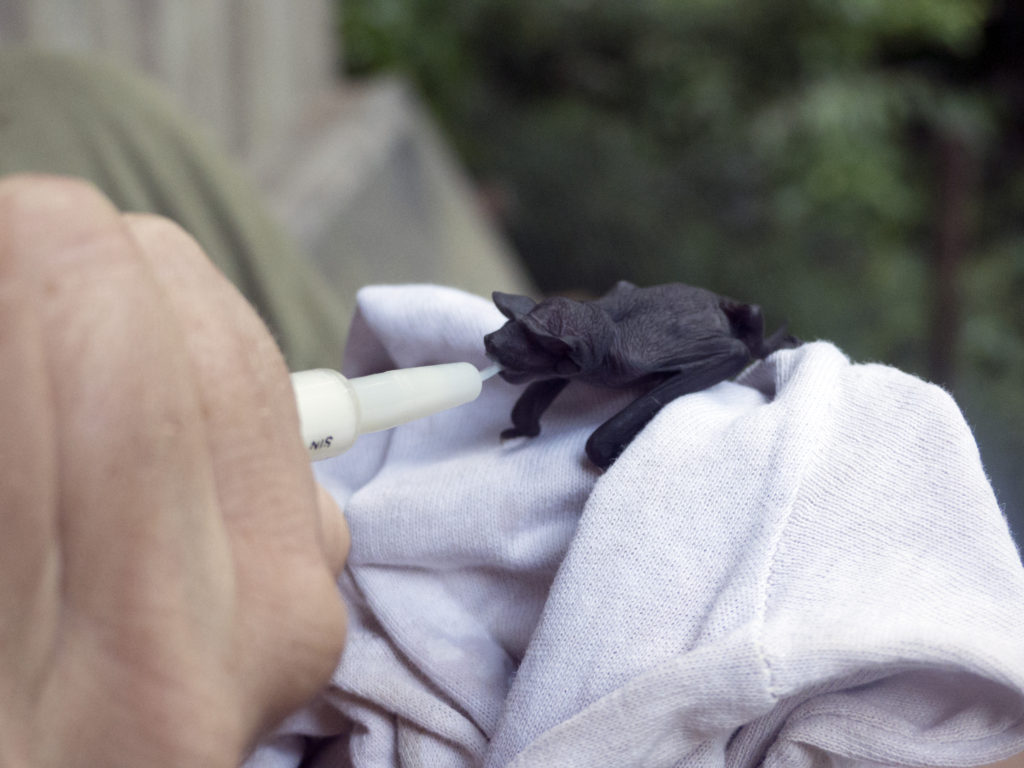
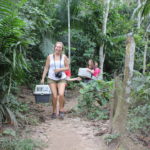
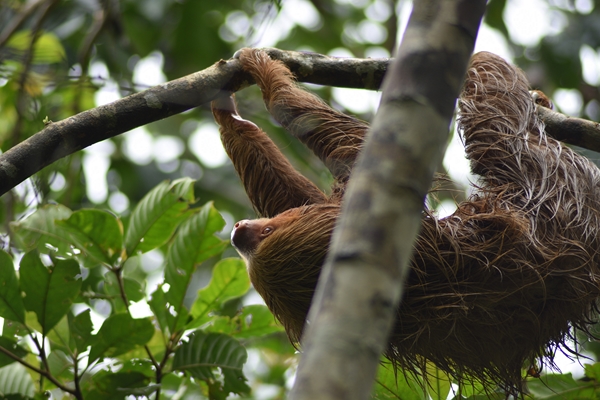
Among all the arrivals there was also a three toed sloth. After a health check he was released. He was caught out of the wild only a day ago, taken before people would kill him. Douwe took it down to the river with all the volunteers and family at the end of the night for it to be released.

.

Volunteers

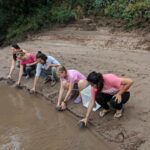
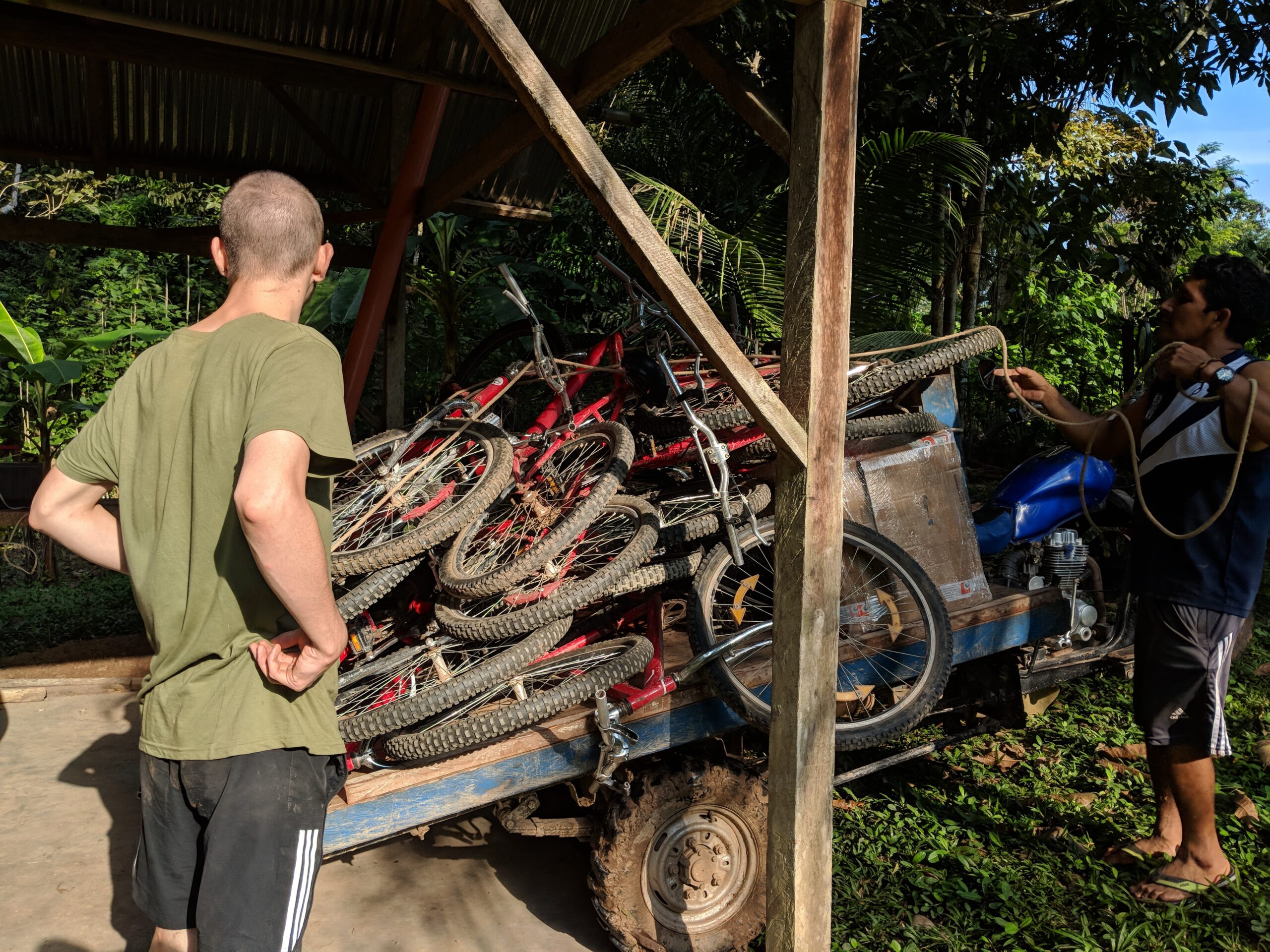
This month Douwe, Geiler and 3 volunteers were over in the village fixing bikes for the kids. It is a government sponsored programme to help more children that live in rural areas to get to school. They received the bikes about a year ago so most of the bikes were in need of a fix up. It took 2 days but almost all of the 23 bikes managed to get fixed with only 2 beyond repair.
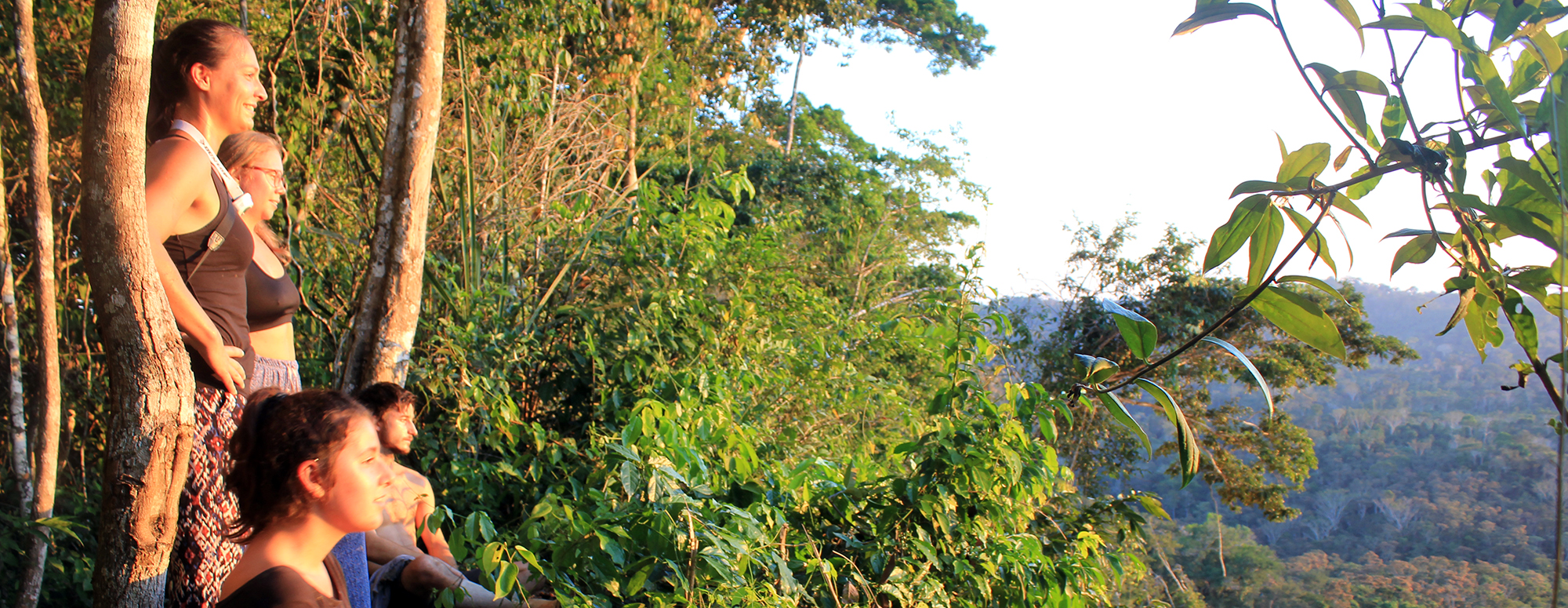
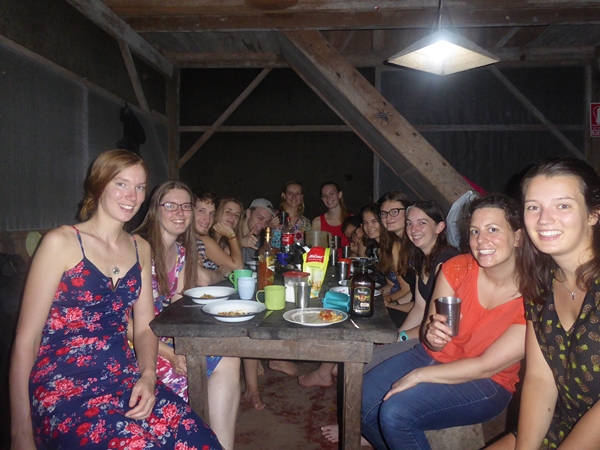
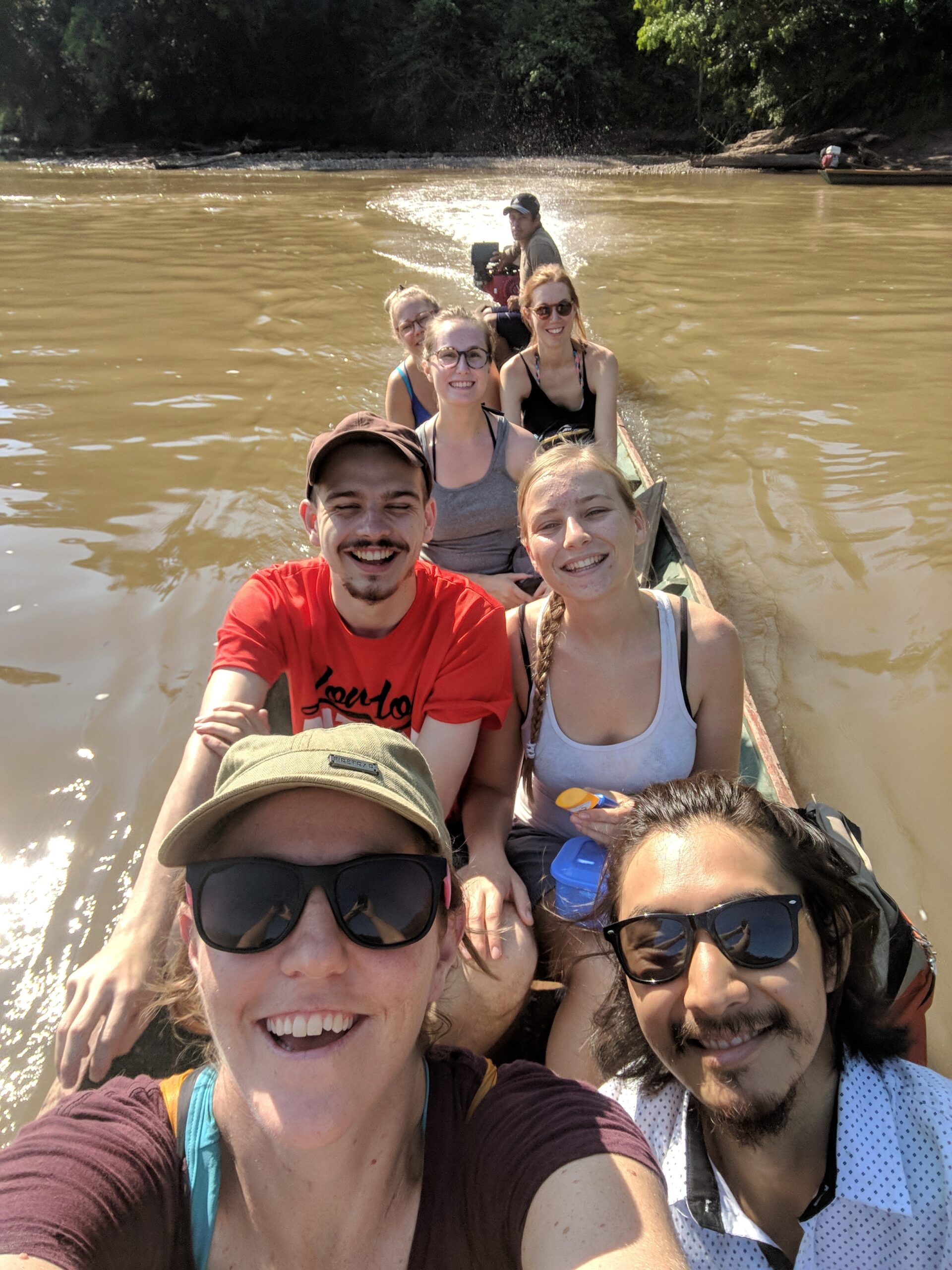
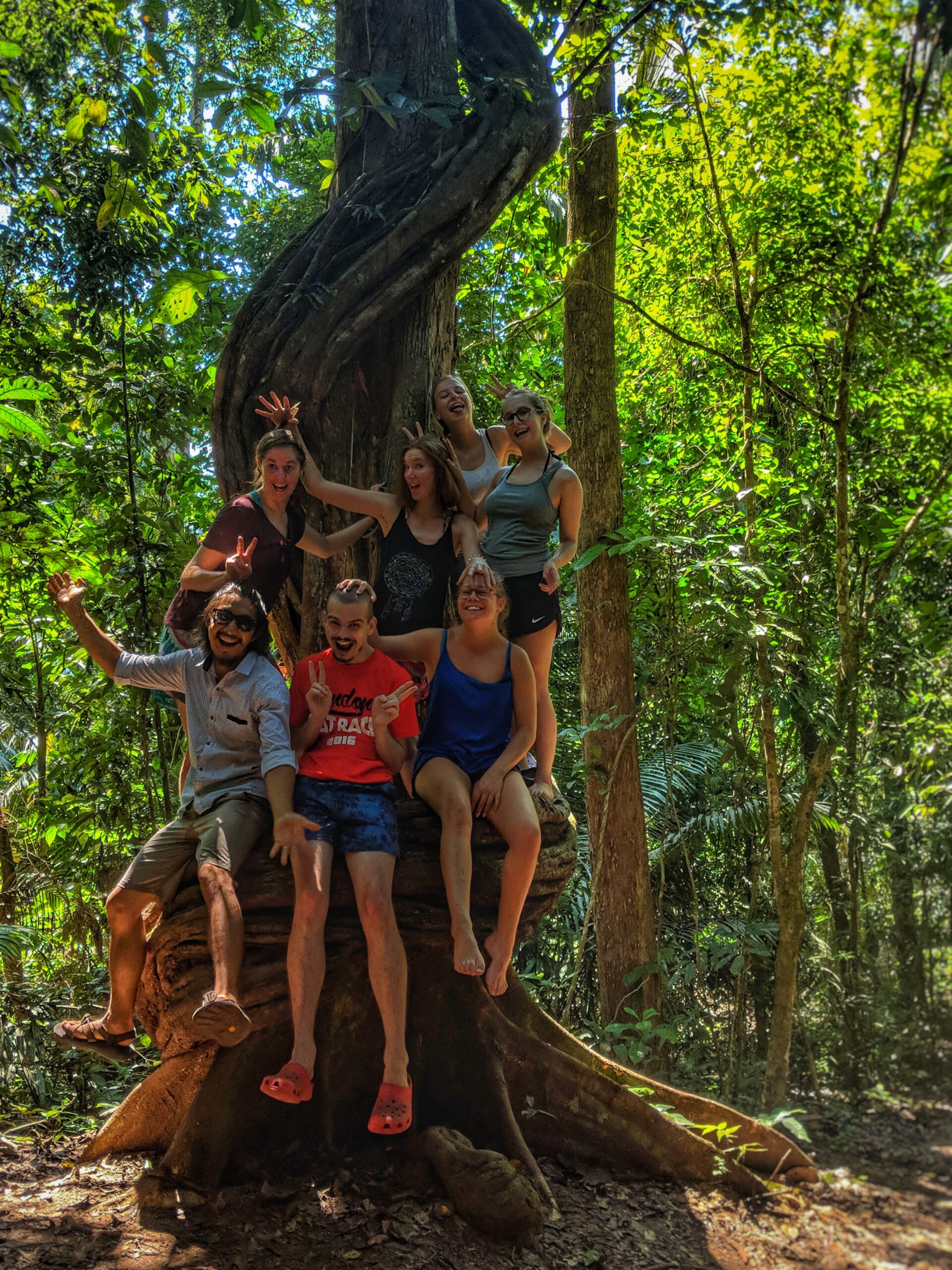
Even though it has been a super busy month here at Esperanza Verde spirits are still high and the volunteers even found time to visit Regalia the large waterfall. It was a great day out that everyone really enjoyed.

Esperanza Verde Update / July 2018

It’s been a tough month here at Esperanza Verde. We’ve had to say goodbye to some of our older animals but also welcomed new additions to our family.

Visit Jan and Ad, Jaap vd Graaf

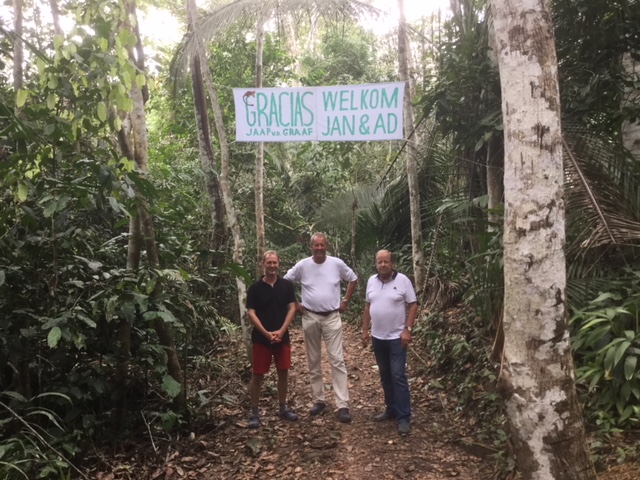
We had several visitors during this month. Ad Boom and Jan Plaisier from the Foundation Jaap van de Graaf came to visit us to see our project and the start of the quarantine which they are financing.
Lauren and Iain came over from England to give us a hand with everything, and Silvia Canelos (from amaZOOnico) and her boyfriend Leonard came to visit and helped us with new arrival baby Ramon (male howler monkey).
With enough volunteers here and Lauren and Iain back again, the family got a chance for a quick holiday in Pucallpa.

.

Monkeys

Talisha, female woolly monkey, was released together with Nakoya and Samara (female woolly monkeys). She has been regularly carried by Loki (male woolly monkey) and is playing a lot with the rest of the woollies, as well as with Darwin and Kaya (male and female howler monkeys). In the first nights we brought her in to stay with Darwin and Kaya, but soon she got adjusted and she is now staying outside with the others.
Samara, female woolly monkey, has been fully recovered and was happy to be outside again. Unfortunately, we lost her closest friends in the woolly monkey group – Pashko and Nakoya (male and female) were both bitten by the peccaries while they were trying to steal food from the peccary enclosure and we were unable to save them. The way the peccaries are being given there food has now changed to make sure that this kind of accident will not happen again. After a short period of being a bit of a loner, Samara now is hanging out more with Chiquita and Lupa (female woolly monkeys).
Cesar, one of our male howler monkeys had been sick on and off for a long time. Recently his condition became worse, he was very ill for over a month and was staying for intensive care at at Douwe and Olivia’s. He became unresponsive and after 24 hours we made the tough decision to help him go.
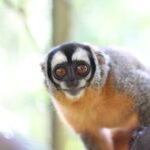
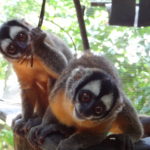
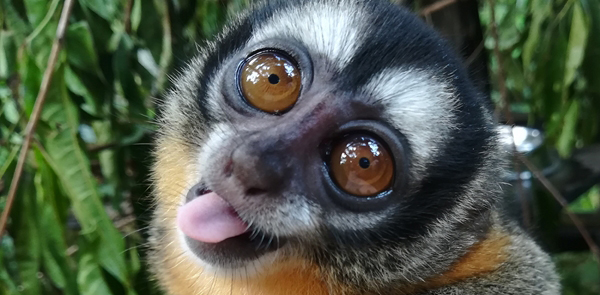
Luna and Otis (female and male night monkeys) were moved to a more suitable cage for their release, the Roko cage, from which we released Sira (female night monkey now living outside) almost two years ago. After some time adjusting they we will let them explore life outside at Esperanza Verde.

.

Other Mammals
Ruena

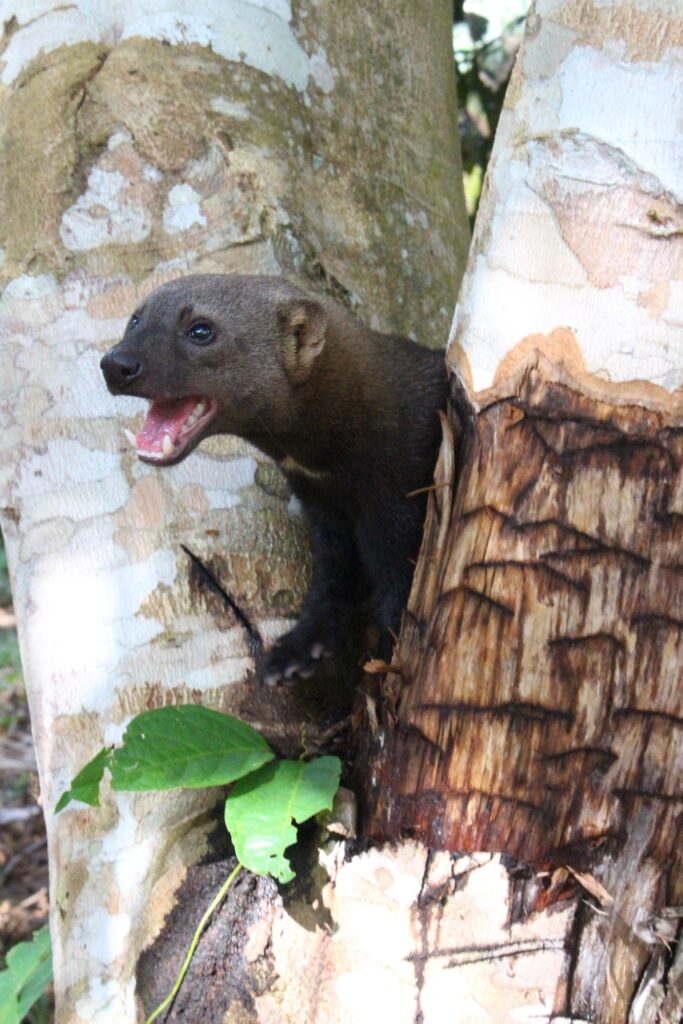
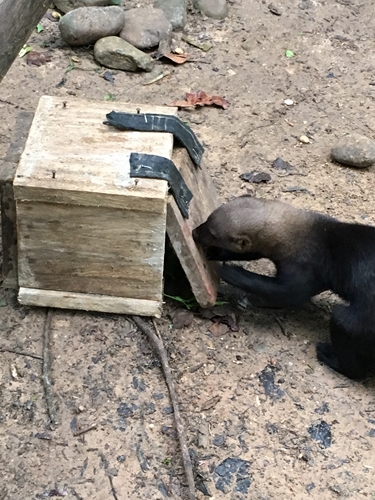
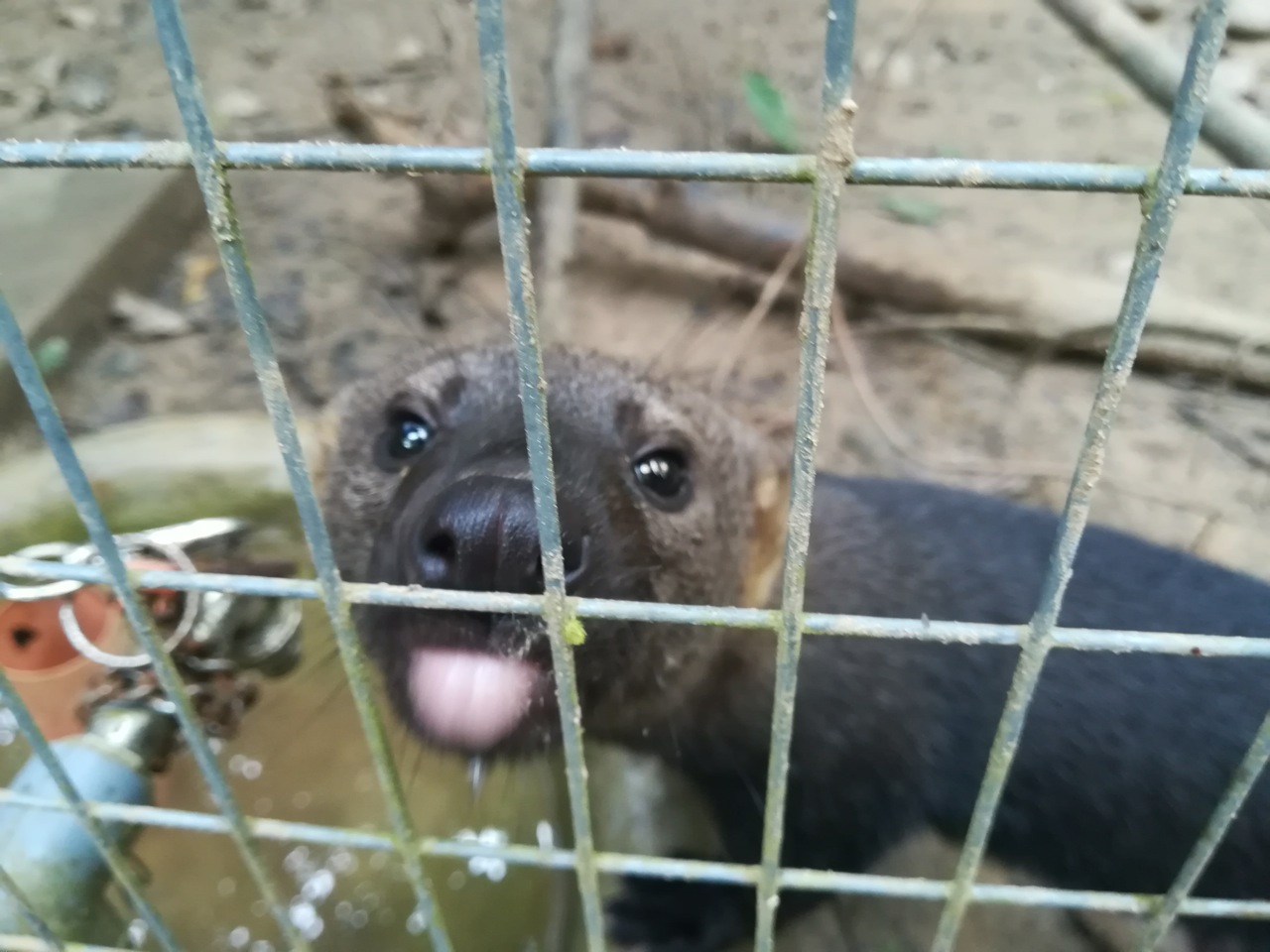
Ruena our female tayra has had a tiring month as Douwe has been teaching a few volunteers to walk her. The walks have been very successful and she loves finding new smells and discovering new fruits from jungle. She is learning the ropes of being a wild Tayra and we hope that these walks will hone her skills for life in the jungle. As she explores, the trees and rotting wood provide her with many climbing experiences as well as natural enrichment.

.

Birds

Parakeet Move

Our non-flying parakeets have been moved to a new enclosure. The Igor enclosure is slightly more isolated than our other enclosures and will give them a more natural setting as they continue their rehabilitation. They have already been visited by some of our already released white eyed parakeets (Aratinga Leucophthalma). This was a really positive experience for both the birds and people as this shows that our work is having a continued effect on local wildlife. It’s always nice to have some of our released animals drop in from time to time.

.

SUST Animal Orphan Hospital

Benito and Tagu, our two saddleback Tamarins continue to do well. When the SUST Hospital was built, we had dividing doors placed between cages to allow for controlled introduction of similar species. This seemed an excellent opportunity to use this system as introducing Tamarins is often a stressful experience. Fortunately Tagu and Benito have quickly taken to each other and have become good friends. Tagu has become more relaxed and Benito has become less tame as Tagu teaches him the ropes of being a wild Tamarin.

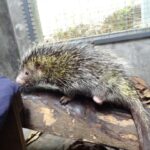
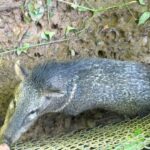
Soraya our Amazonian dwarf porcupine has been moved out of the SUST animal hospital and moved to an outside enclosure to help with her recovery. She seems to be enjoying her outside enclosure, moving around a lot chewing on the wood inside her enclosure and the volunteers are enjoying making new enrichment for her.

.

New arrivals

Suly is a new female woolly monkey who was brought to us by a woman from the village. She recognized that she was unable to care for the monkey properly and had wanted to sell her, but was encouraged by some of the locals to bring Suly to Esperanza Verde. This is a really encouraging sign that attitudes toward wildlife conservation are improving in the local community. While she has spent time with humans, she is showing a few wild characteristics such as sleeping on branches rather than in one of our sleeping boxes. We have high hopes for her and look forward to introducing her to released woolly group.

Ramon, our newest baby howler monkey, has been doing great. He spends the night with Lauren and Iain and his days with the volunteers. He is a very playful and happy young monkey who particularly likes men with beards. He has already started to play in the trees and spends his day eating wild leaves and playing outside. He always has someone with him to take care of him as he is still too young to be outside alone. He regularly spends time inside the Howler enclosure so that he gets a chance to get used to Darwin and Kaya. Howler monkeys are particularly susceptible to depression, so when they are this young they are one of the few animals that receive human contact here at Esperanza Verde as our hands off policy would, in this instance, be detrimental to the animal. Fortunately Ramon is already becoming more independent by the day.

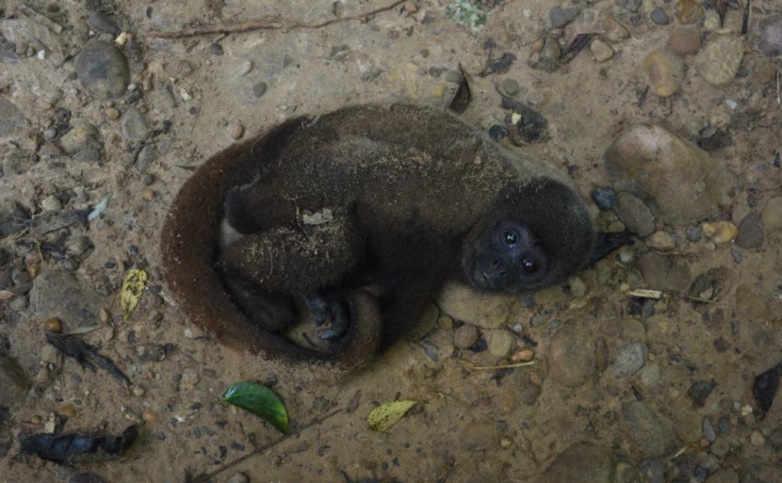
Moyo is a new male woolly monkey who was brought to us by a local Peruvian woman from the nearby town of Curimana. He is 4 years old but currently very submissive. He spent his quarantine period in the SUST animal hospital where he was received a lot of attention from some of our released woolly females. He was then moved to one of our re-introduction enclosures where he is developing a friendship with Maruja and Tawaki.

.

Volunteers

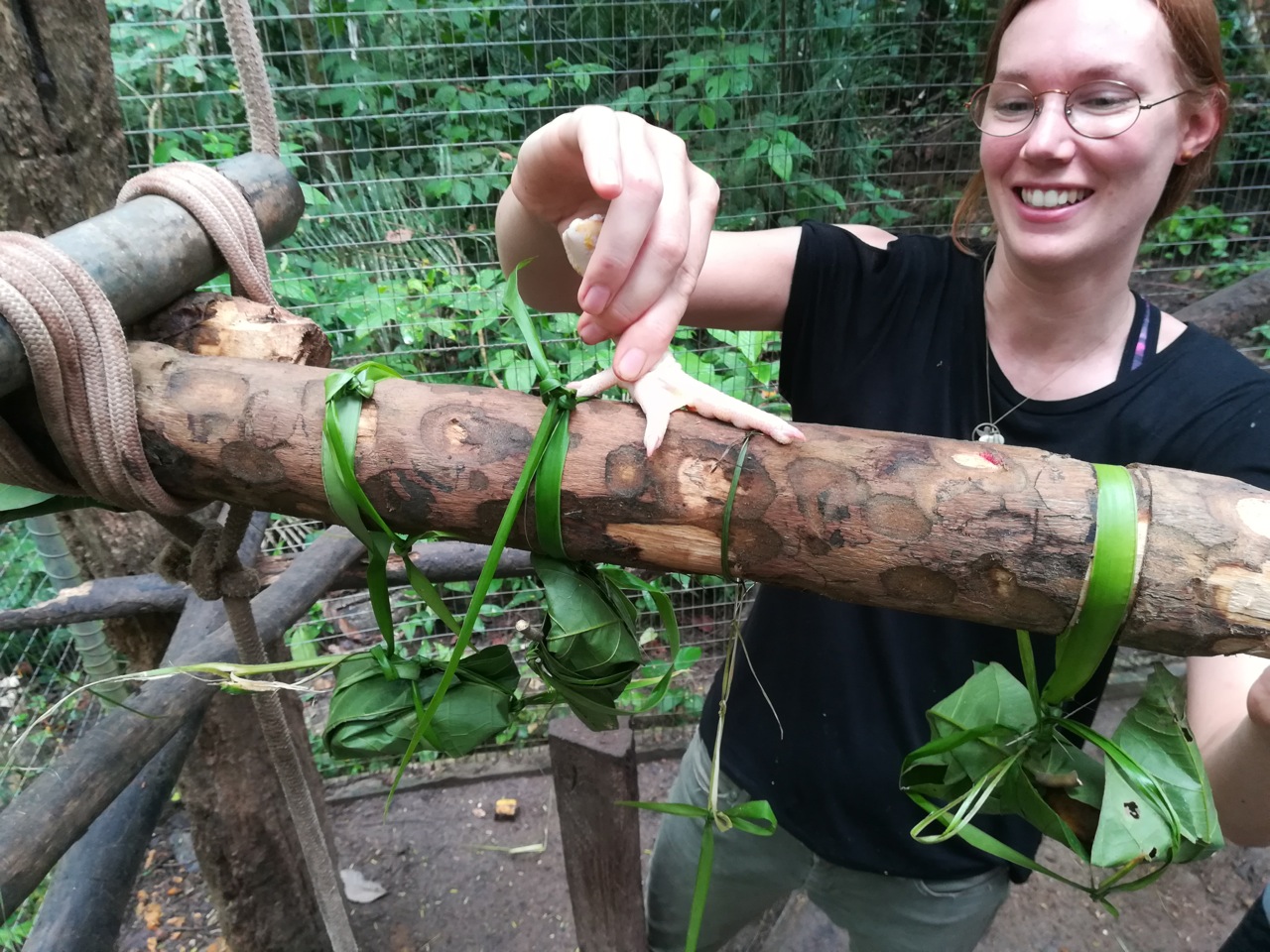
Enrichment is a very important part of working with animals. During her time here, Rachel one of our volunteers created enrichment manual to help new volunteers to understand the requirements of certain animals. This manual has been instrumental in the improvements in enrichment for the animals with loads of toys and activities to help the animals practice the skills they will need when they are released back into the wild. These enrichments range from foraging activities, behavioural enrichment, or sometimes just moving parts of the enclosure around to give different jumping and play opportunities. It’s always important to keep our enclosed animals mentally and physically stimulated, no matter how long they spend with us here at Esperanza Verde.
Some children and adults from the local village of Bello Horizonte were given a tour by Douwe. Showing the animals that are around Esperanza Verde and educating them on their behaviour and why they need to be kept wild.
The construction of the quarantine building is coming along at quite a pace with so many volunteers here to lend a hand. The cement pillars have been poured, and the ever popular job of digging the septic tank hole completed. Of course it wouldn’t be a real Esperanza Verde construction project without sandbags. Our volunteers have been working extra hard to pile up over 200 bags of sand ready to make the floor once the roof is on. The wood for the roof beams arrived this week so the next stages of the construction are ready to begin, once everything has been carried up from the port.

Esperanza Verde Update / June 2018

It has been another busy month here in Esperanza Verde, with funny, loving, as well as very sad stories.


Monkeys

Nakoya and Kamari went missing near the start of the month; Geiler and Machico were out most mornings looking for them both in the surrounding area to no avail. After a couple of weeks one of the local neighbors said that they had seen 2 Woolly monkeys around his house so with a full party of four (Douwe, Olivia, Machico and Geiler) they went to their land. No sign unfortunately of the monkeys. The next day the neighbor came by to tell us he had managed to capture one so Douwe and Geiler went and managed to bring back Nakoya, a bit skinnier than when she left but overall in good health. Kamari has not been seen since we hope the best for him, but as monkey meat is still one of the favorite meat sources locally we do not have high hopes. Nakoya is now recovering in Pepe enclosure.
Wallace our oldest male howler monkey, who was with us for about 1,5 year, recently passed away. He was found by one of our volunteers, Douwe performed an examination but no clear cause of death was identified. He had been very healthy so we assume he either died from a fall or perhaps from a snake bite. We will miss him a lot; he was our first successful effort of raising a howler monkey.


Other Mammals
Ringo the male red brocket deer that has been living around the family house was also moved this month to Xena enclosure which borders Rabito´s, another red brocket deer. The hope is that they will become friends so that they can be moved in together at a later date.
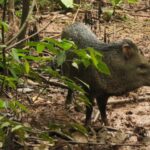
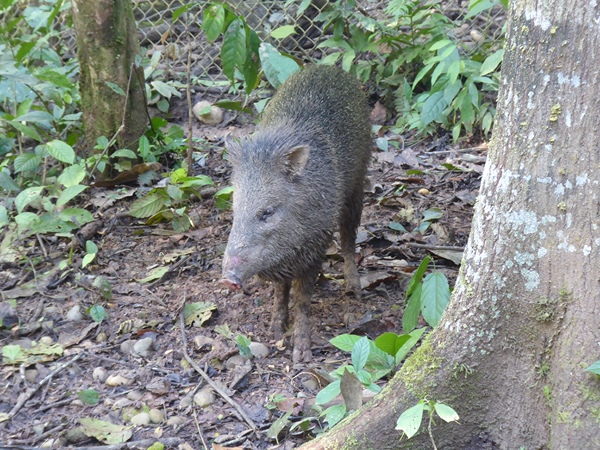
Quintisha, the oldest female collared peccary, died after being ill for some time. She has been with us for nearly five years, arriving when she was about a year old. Necropsy showed a probable tumor in her nose. Timo, Kohana (the male and other female peccary) and all of us will miss her calm and kind character. She was always excited for a scratch whenever we walked past.


Birds

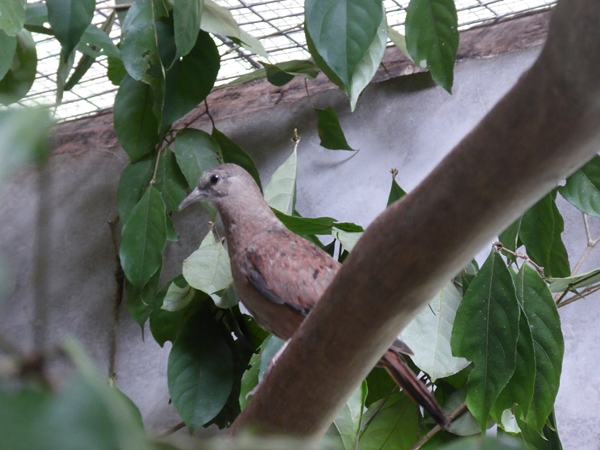
Once again the white winged parakeets have been moved to another cage in order to separate flying birds and non-flying birds. Also Chipi, the ruddy ground dove was moved with them as well as Singas and Pichu, the two white eyed parakeets. This time it seems that all parakeets were either unable to fly or too tame to be released so they have just been moved to the new Tupak cage where they will stay for now. This will allow the Igor cage, our non-release bird cage, to be disinfected properly. Even with some recent shortages of volunteers we have still found time to make some enrichment for these birds so that they don’t get bored in their new cage.


SUST Animal Orphan Hospital

Talisha a new young female woolly monkey who was recently brought to us from one of the local villagers. She spent a few weeks up in the clinic receiving milk and learning the ropes of being a wild monkey and not a pet. After a few weeks she was moved down into Pepe cage along with Nakoya to try to help them to bond and to give Talisha a bit more contact with our outside monkeys and less with humans. At first she didn’t like this and kept trying to follow volunteers out of the cage and sometimes clinging to them while giving her milk but now she is settling nicely. Hopefully she will be released soon and can join more of her own kind in the trees.
Samara one of the female juvenile woolly monkeys was recently wounded on her right arm. Olivia heard her scream in the late afternoon at the peccary cage, and found her with her right arm hanging. She was probably trying to steal food from the peccaries and Timo or Kohana did not take that well. Thanks to the expertise of Olivia, Douwe and Lisa (Vet), Samara is now making a recovery in Pepe cage with Talisha and Nakoya. Although she has trouble moving her arm we are hopeful she will make a full recovery.
Soraya our Amazonian dwarf porcupine is still recovering from her recent amputation of her foot. Her wound gets cleaned and bandaged daily. She is able to move around with her leg which is a good sign, but for now will stay in the clinic till the wound has fully healed.
Icarus, the new ruddy ground dove was taken to the Tupak cage at the time of moving all parakeets, and Chipi the resident ground dove. They quickly formed a nice couple.


New Arrivals

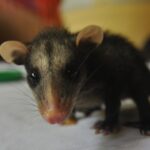
Our new arrivals are Benito and Tagu, two male saddle back tamarins. Tagu an adult male and Benito a baby tamarin were recently brought in. Tagu arrived first and about 2 weeks later Benito arrived. We tried introducing them to see if they would bond but Benito was too scared and it was decide they would not share a cage. Benito stays in a small cage and is enjoying the enrichment that is put in daily; he is a very active and playful monkey. Tagu is very scared of us humans, but loves the grasshoppers in the bottle which is delivered to him every day.


Volunteers

Keeping good relations with the local village is very important here at Esperanza Verde and with Ines a Spanish volunteer it seemed like a good time to give a fresh face a go at helping to educate the village in animal welfare. She was received very well by the local school and was invited back to give another talk. This is very good news for the local village and Esperanza Verde as hopefully this will encourage more people to stop hunting endangered animals or keeping them as pets. Lisa our head volunteer and vet has also been castrating local cats and dogs. Lots of people were bringing their pets forward which is very good news.

Esperanza Verde Update / May 2018

Volunteers having pizza party

With 13 volunteers at the project there is plenty of time for extra jobs. The head volunteer moved into her own place (the cabin) recently, after a successful ‘housewarming’. There has also been plenty of time for enrichment projects and construction jobs. Some recent examples of enrichment are: a puzzle box for Ruena (female tayra), a football for the spider monkeys and a construction with sticks that encourages the birds to work to get the seeds hidden inside. Everyday some of the volunteers are on construction duties. These volunteers help Douwe and the local workers with whichever construction is currently the priority. This can range from cutting iron tubes to fit their purpose, to carrying sandbags to where they are needed. Most of the volunteers have also had the opportunity to go on a jungle walk with Machico, where he demonstrates his immense knowledge about plants and trees.
Unfortunately, at this moment Machico has had to take some time off due to a personal loss. Our thoughts are with him at this difficult time.

.
Constructions

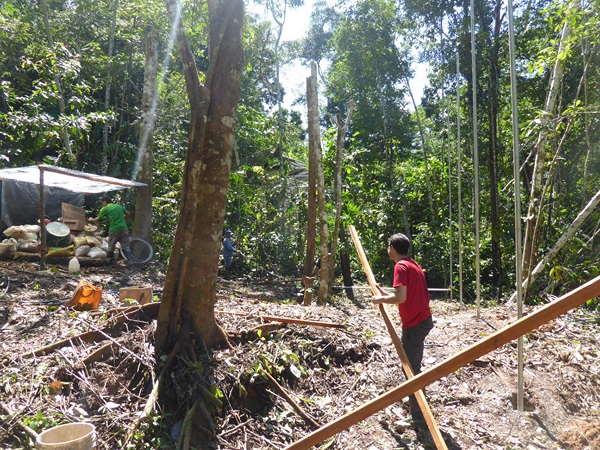
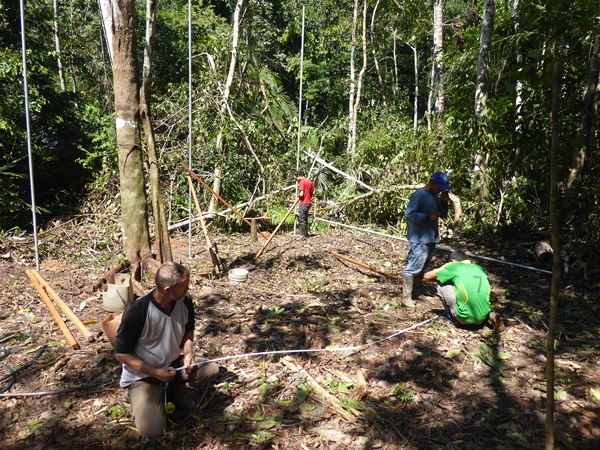
Preparations for the construction of the new quarantine area have begun. The area has been cleared, sand is being collected, and the materials have been ordered. We hope to lay the foundations soon.

At work at Elmo construction
At work with the first poles

Simultaneously a new space has been cleared out for another enclosure, thanks to the donation of Lush Cosmetics. In the last year they have already financed the reptile pond, the TUPAK-release cage and the deer enclosure. This new enclosure will be named after Elmo, one of the sloths, that has been successfully released back into the wild. At Esperanza Verde we often encounter incredibly smart animal behavior, which makes us believe that the animals are very aware of their surroundings! Sure enough, as soon as we started clearing out space for the ´Elmo´ enclosure, Elmo showed up high in one of the trees, almost as if he knew what was going on! This enclosure will be similar to the big spider monkey cage (Rimaq).
A project that was recently finished is the beautiful painting of Asan (blue-yellow-macaw) on the storage building wall. Although it was sometimes difficult to paint with monkeys around (they like to get their fur painted blue and green!) it has turned out to be a great success. Everyone at Esperanza Verde really appreciates the new sight, a big thanks to Janick from Switzerland!

.

Monkeys

Rimaq, spider monkey presenting his injured hand

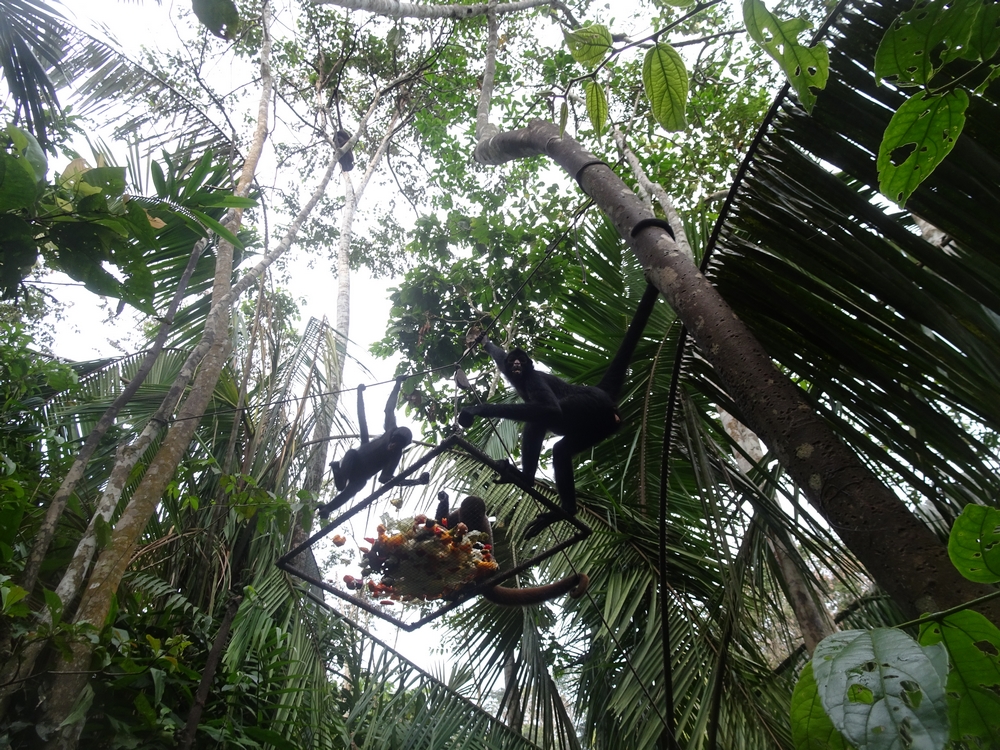
Rimaq, one of our enclosed male adult spider monkeys, was found to have a small cut on his hand. The treatment of this minor injury has been going very well. In the mean time, one of our volunteers who has experience with training monkeys in her job (Rachel Henson from Monkey World in UK) is teaching both the spider monkeys to respond to a ‘clicker’ and introducing them to positive reinforcement training.

Otis, nightmonkey drinking milk

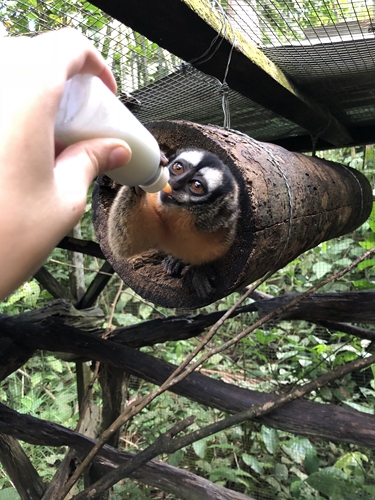
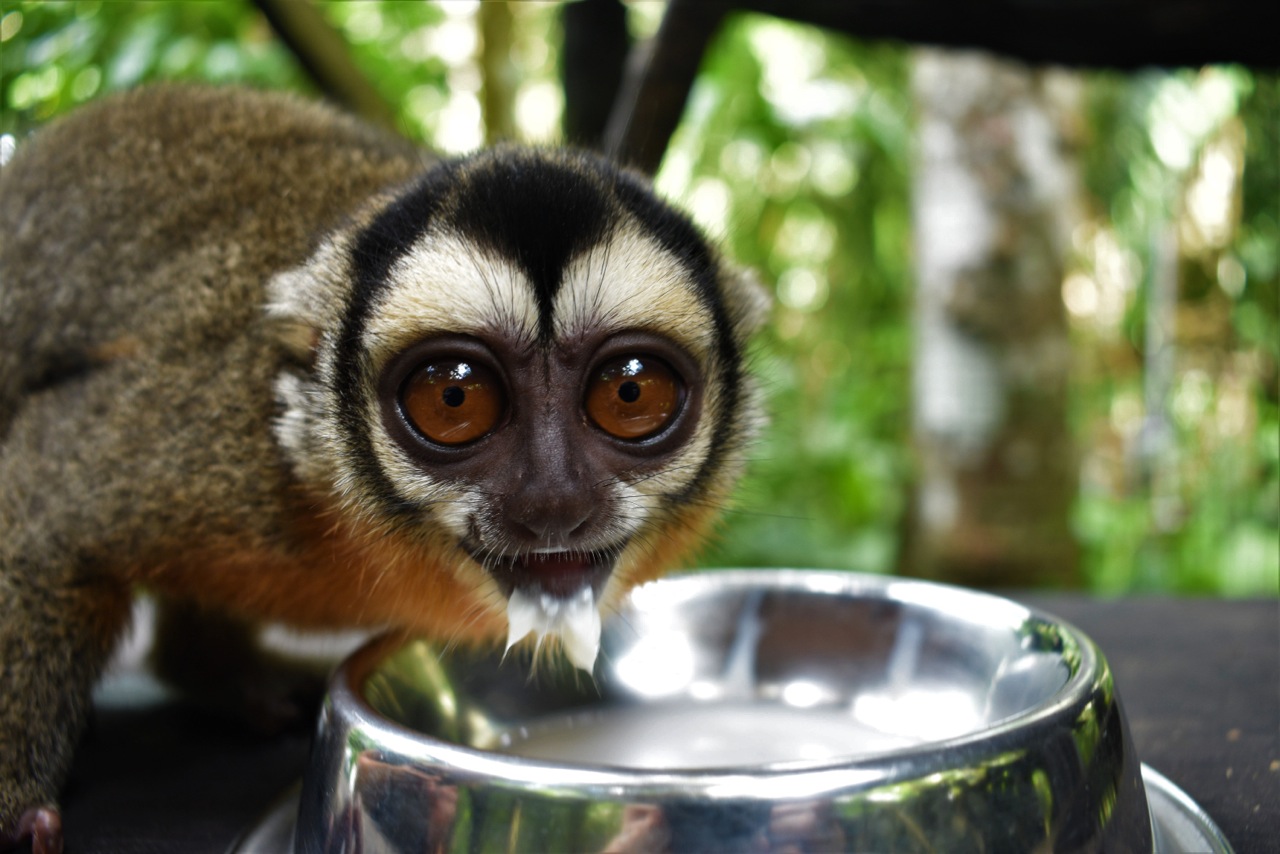
Luna and Otis, the young female and male night monkeys are doing very well. Recently, we decided to stop feeding Otis milk separately. Before, we always fed Otis milk from a baby-pet-bottle. But since he seems old enough now, we´ve tried to start feeding him from a bowl. This has worked out very well. We are excited to see how fast these monkeys are becoming independent. It won’t be long before we can let them out to join Sira (our adult female night monkey).

Kaya & Cesar

As for the howlers, Darwin and Kaya, have also been doing very well. Cesar, however is looking somewhat less healthy. He does not drink as much milk as his companions and sometimes refuses to eat. Some poo samples were investigated but unfortunately the reasons for this strange behavior remain unclear. He was looking very skinny so we have to carefully watch how much he is eating and how he is behaving. After some treatment he does seem to be a bit more active and he has started eating a cereal mix with extra proteins instead of his regular milk.

Woolly monkeys, Kamari with Tawaki, Pasho in the back

.

Other Mammals
Tayra Ruena investigating enrichment

Due to all the construction work going on it has been hard to find time to continue the walks with Ruena (female juvenile tayra). We have managed to squeeze a few walks in and hope to do more of it soon. Luckily, we have enough volunteers who can keep her busy with enrichment projects, like the puzzle box mentioned earlier.

Quintisha, peccary

Quintisha (female adult collared peccary) was doing better with the antibiotic treatment. First she stopped breathing heavily and then she bled a bit from her nose only occasionally. The decision was made to stop giving her antibiotics, but after a few days the bleeding returned. Shortly afterwards, the heavy breathing also worsened and she was anesthetized to perform a better investigation into her nose. Unfortunately the cause of the bleeding was not found. Antibiotic treatment has been restarted and she has been moved to another cage temporarily to be able to treat her better.

.

Birds

Koru, the purple gallinule bird who was recently introduced to the aviary, seems to be delighted to be there. He is eating more and more from the food we give him, but has also been spotted eating insects from the ground often. Due to volunteers calling for him, some of the parrots have developed the habit of yelling Koru as well, making it easier for us to find him. With some great roommates like these, it seems all the more likely that he will gain a permanent spot in the aviary, “Pichu” cage.

.

Reptiles

Checking tortoises

For a long time the yellow footed tortoises have been roaming around their residence freely. Even though they all seem as healthy as ever, we decided to organize a tortoise hunt to enable us to count them, weigh them and give them a general health check. Only Pinto and Aramis, the two smallest ones, were missing, but due to the size of the enclosure it is not surprising that we could not find them! We suspect they might be hiding somewhere. This was also a great opportunity for us to refresh the data we have about the tortoises and we found all of them in good health during the inspection.

.

SUST Animal Orphan Hospital

Unfortunately there is some sad news regarding Ronya, the baby brown capuchin monkey. She was enjoying going on the leaf walks and was becoming more and more trusting, also towards new volunteers. Sadly, she got spooked by something on a leaf walk and decided to run off on her own. Despite the combined efforts of volunteers she knew dearly, she did not come down from the tree she climbed into and spent the next nights outside. For a while we hoped she was rescued by the local capuchin group, but she has not been seen since. Although we always hope for the best, we do fear the worst as would not make it on her own, being so small.

Enrichment for macaws and amazons

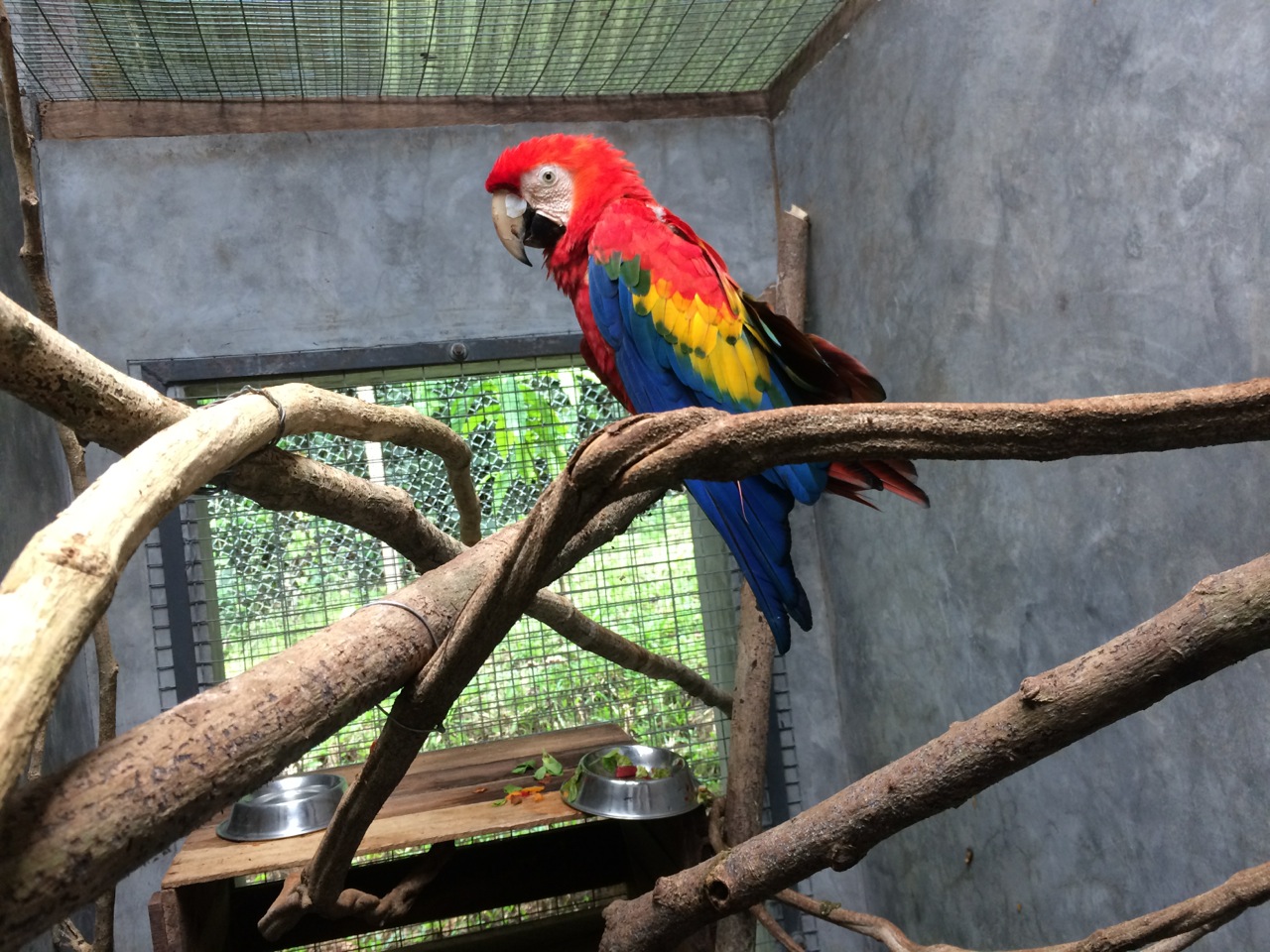
Ermina, the scarlet macaw, has had a successful recovery period. She has received an identity chip from Lisa, our veterinarian. The spot where her beak was repaired seems to be holding up well and her appetite has been good. Therefore she has been transferred back to the aviary cage again. She spent some time in the front cage at first, and shortly after we put her back into the big aviary with all the other birds. So far, this transfer has gone smoothly and we have not yet spotted any aggressive behavior towards her.

Agout Doquino

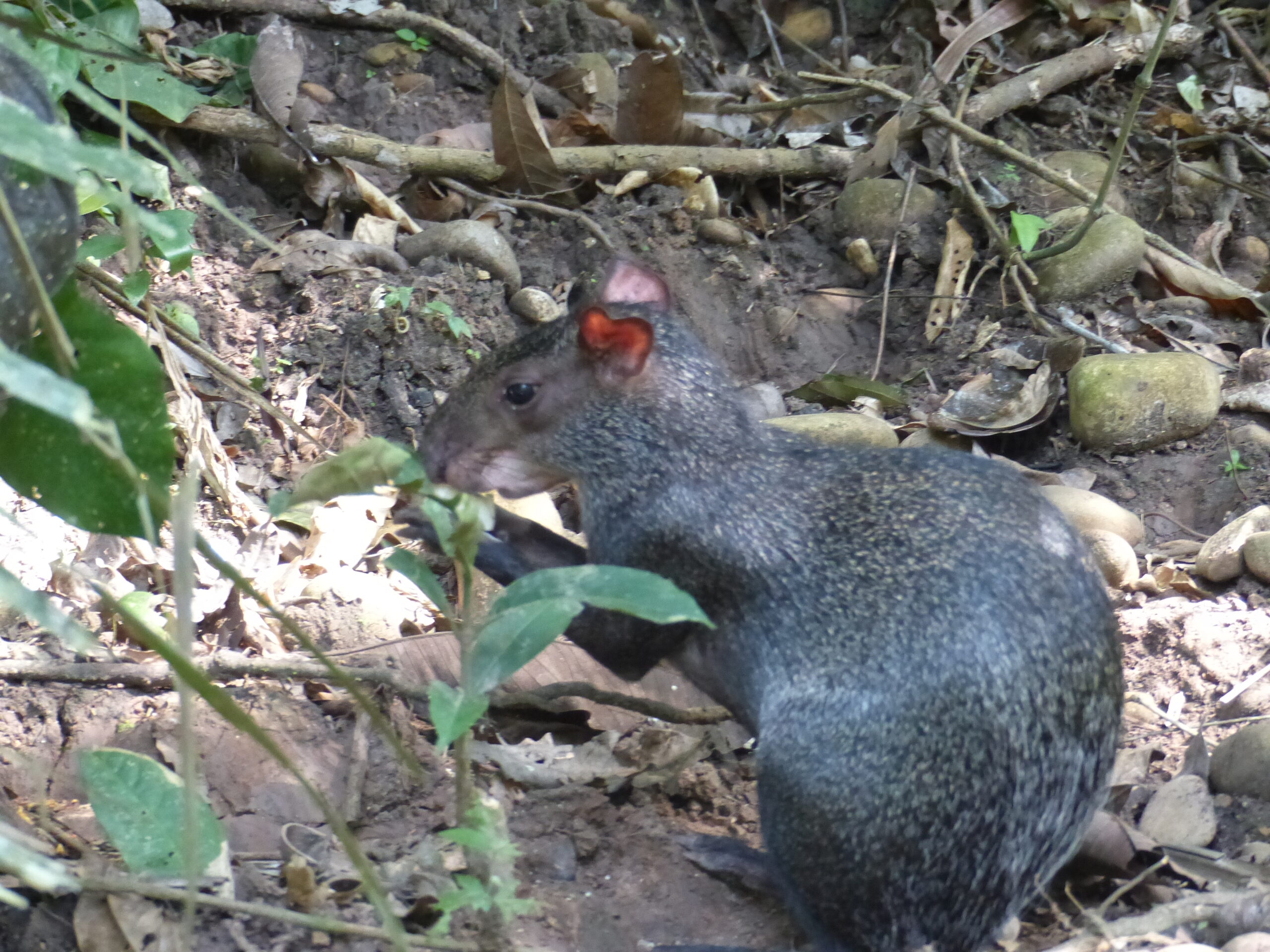
A new mammal we received is a male agouti, Doquino, who was raised as a pet. He was given up into our care as he was becoming too big and started stealing eggs. He spent a few days in the clinic. As this is an animal which enjoys digging for its food, being on a cement floor is not the nicest. So after a health check we moved him in to the empty, more spacious, La Sapa enclosure. With some adequate enrichment and shelter, it is now a nice home for Doquino.

.

New Arrivals at the Hospital

Pygmy anteater

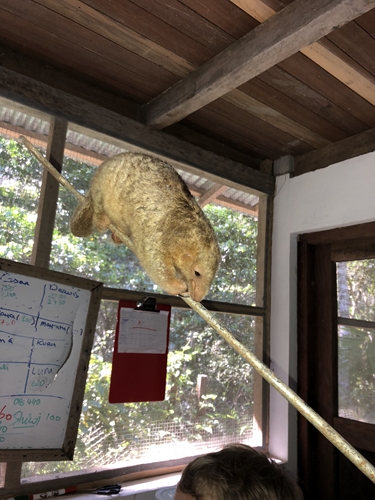
In the hospital but only for a short stay was a pygmy-anteater, captured by some people from Bello Horizonte who were cutting down a tree. Although she has an adorable arrival that made the volunteers go “aww”, she could be quite aggressive. After inspecting her we concluded she was healthy and so we decided to release her into the wild again almost immediately. Sometimes this is for the best as we never want to risk acclimatizing a wild animal to people. But her capture didn’t seem to bother her and she climbed up the tree slowly but surely, enjoying her regained freedom.

Icarus, exploring bigger cage

A more permanent cage has been made for two ruddy ground doves that were brought here by one of the workers. Their mother was in a fight with a duck which was trying to get to the young birds. The doves are in between nestlings and fledglings, which is why they still need to learn how to peck food from the ground. Birds as young as these get cold easily and so it is important to provide them with sufficient warmth during the night. Unfortunately, one of the doves did not survive. The other dove, Icarus, is doing very well. The question still remains as to whether we will be able to release it, or if it will be too tame to survive in the wild.

In memory of Lulu

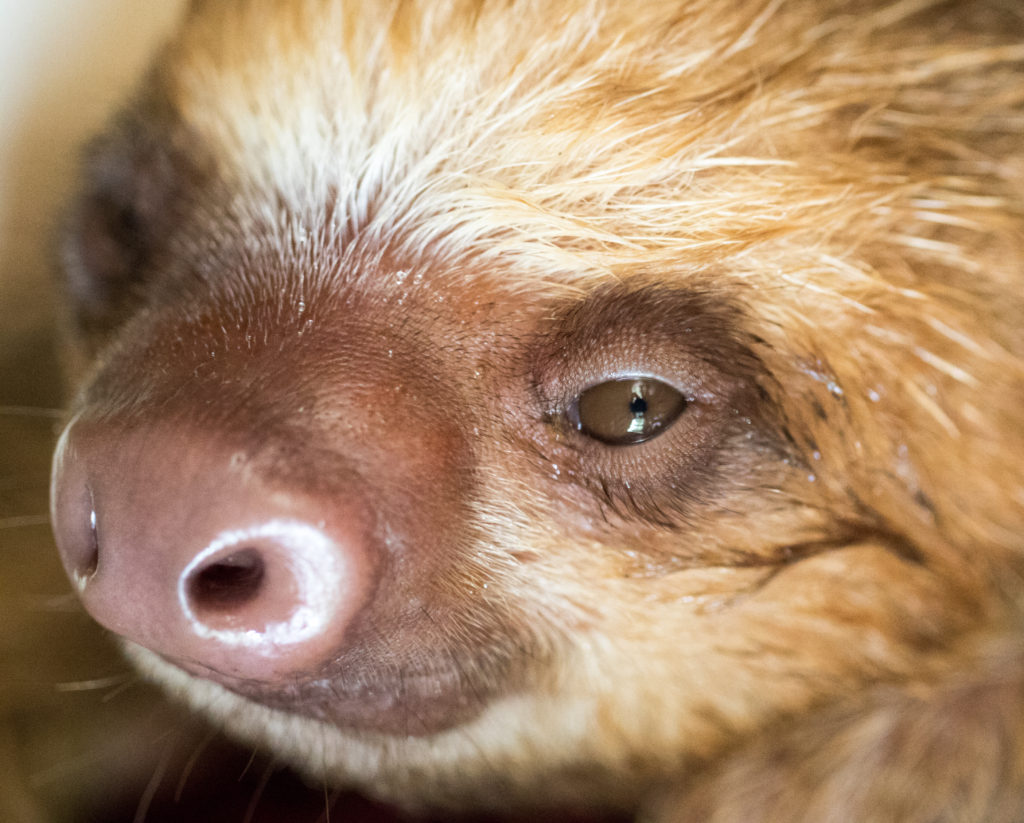
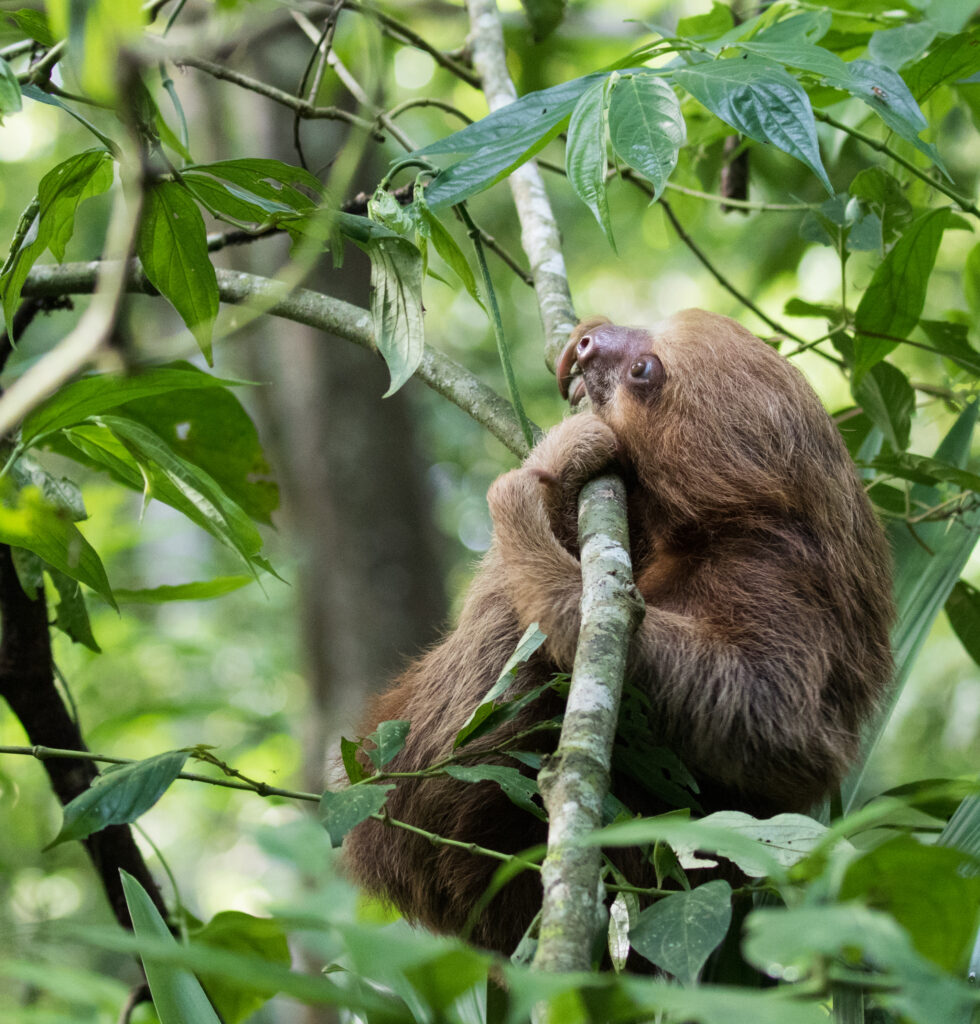
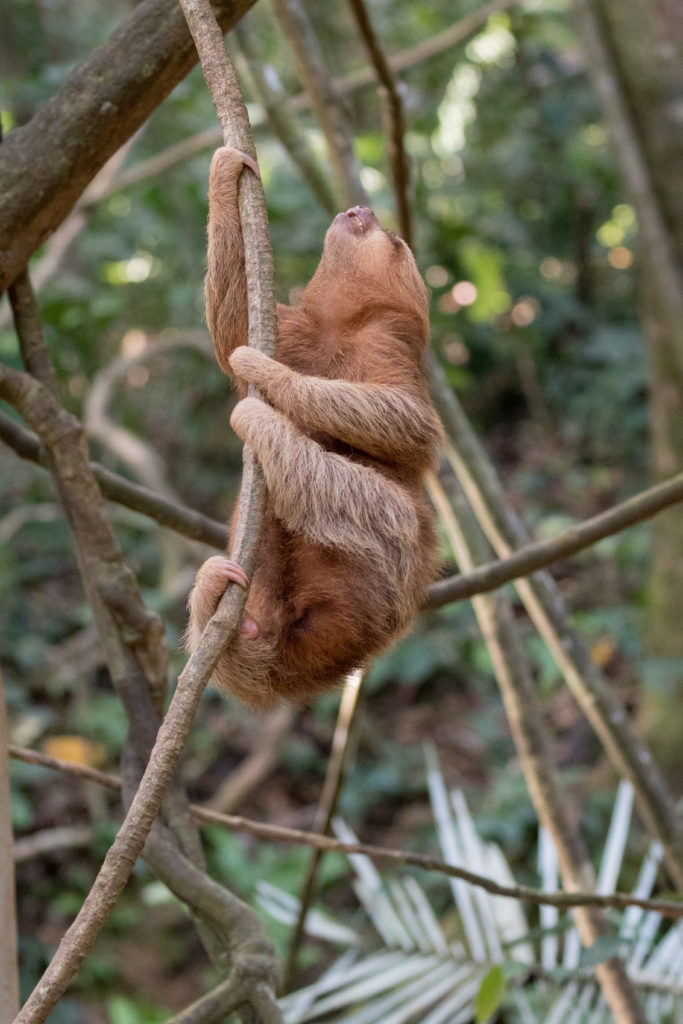
Lulu, a two-toed Hoffman sloth arrived at our rescue centre in August 2016. Sadly in May of this year she passed away. Lulu was confiscated from the illegal wildlife trade and brought to  Esperanza Verde as a small baby. Our dedicated team hand-raised her; they bottle fed her milk, taught her which leaves to eat and eventually successfully released her back into our protected area of jungle. She always stayed nearby and unfortunately life in the jungle can be cruel. Despite our best efforts one day Lulu was taken ill and later died. During her time at EV she was a favourite of many volunteers and will be dearly missed.

Kees Kampschuur and Irene Bonte share their memories :

In memorandum of Lulu, the two-toed sloth.

Just back from Namibia we have red the sad news that Lulu suddenly passed away. That is really sad news, especially for all the volunteers and the family who has taken care of Lulu.
During our stay at EV I was asked to take care of Lulu because we stay longer than most of the other volunteers. This means cleaning her cage, feeding her, walking wit Lulu around my neck around EV, teaching her to climb in a tree, showing her which leaves she could eat. (both with help from Kayla and Marlon)

I never took care of a tow-toed sloth. So Oliva shows me how to act like a sloth mother. For example, take her out of her cage, carrying her and feeding her. The feeding is special; you could not  feed her like a monkey or a dog. First you have to put your nose against her nose (eskimo-kiss) and make noises (smacking of the lips). Than give her some vegetables or leaves and she started to eat.

After some days Lulu start to recognize me. When she saw me, or heard me, she came to the door of her cage and her handling became easily.

In the beginning Lulu only hang around my neck. We feed her in the clinic and take her for a walk outside. When I stood still next to a tree she did not want to climb into it.
After some days she reach out to a branch touch it but hold the other arm firmly around my neck.
But she gets more and more interested in the branches and the trees In the beginning she hangs at a branch for a minute or two and then come back to me. Or she heard a strange noise and the return really quick to me. Later on, she started to enjoy climbing in a tree. First low and nearby, later high up in a tree climbing from one to the other. For me this means standing under the tree for hours and looking which way she goes.

In a certain week it was raining day after day. Lulu was kept close to the clinic.
instead of going for a walk, because I was told she didn’t like rain. But after the third day I took her under my raincoat for a walk. Only her head was outside the raincoat. In the beginning she hangs there quietly, but after a little bit more than 10 minutes she became restless. She wants to go out and want to climb.
I bring her to one of her favorite trees and there she goes. After more than two hours (I was already soaking wet) she returns.

At the end of our period as volunteers at EV Lulu spend almost a full day in the trees.
Climbing for one to another giving me and the other volunteers a head time to follow her on the ground. For me It was a great joy the experience of teaching her and to see her development.

When we were back in the Netherlands we follow her development true the monthly updates. We were happy for her that she was released in August 2017 but after some weeks under surveillance because of her weight. And then the sad news was there: Lulu suddenly passed away.

Irene and Kees
The Netherlands

Esperanza Verde Update / April 2018

Life in the jungle is getting even cozier than usual ! With a large number of volunteers now it means we have more time for enrichment and other projects. We also started new wall painting at the Almacén (the food storage room), which will be done in the upcoming weeks. Some early preparations have also been made for a few new construction projects, which we hope to be able to tell you more about in the not too distant future.

The winning enrichment

In addition, we started the month with an enrichment competition between all the volunteers, divided into two teams. Team A made an enrichment game with peanuts for the Aviary cage and team B created a hanging playing obstacle with leaf food packages for Ruena, our tayra. Though it was a friendly competition, there can only be one winner. Our esteemed and objective judges, Olivia and Douwe, eventually gave team B the prize. The prize consisted of the most valuable product one can find at Esperanza Verde: chocolate sweets!

.

Monkeys

Tawaki on the ground

Tawaki, our male baby woolly monkey, is still being trained to sleep in the safety of the trees instead of on the ground. So far, he is making slow process.
Mica, one of the adult female brown capuchins, received treatment for botflies (who lay eggs under the skin of different animals), however the larvae were already gone when we cleaned out the skin on her side.

Samara

Samara, an older female woolly monkey was treated for P. Elegans, a species of parasites in the intestines which caused her to lose fur on her legs.

Luna drinking her milk

Luna and Otis, two Night Monkeys are still doing well in the outside Lucia cage. They are not big enough yet to be released, but we hope it wont be too long. Luna has not been gaining any weight over the past couple of weeks, so for now we have to keep a close eye on her.

Cesar, young male howler

The howler monkeys, Darwin, Kaya and Caeser, have also been making small steps toward release. They are staying outside of their cage during lunch time and even during the night more and more. Caeser and Kaya especially are often unwilling to come down when we call them, which is the first sign of them becoming independent.

Maku, alfa male of the capuchins

.

Other Mammals
Ruena in her cage

Douwe has started to do the first walks outside with Ruena, a Tayra. She is kept in an enclosure currently and desperately needs the enrichment! Tayra’s are a species that would normally maintain relatively large home ranges, with areas of up to 24km2 having been recorded. Her enthusiasm is definitely not contained by the fact that she is being walked on a leash. She is exploring her surroundings with lots of interest and excitement.
Recently we had a sudden medical situation with one of the peccaries: Quintisha appeared to bleed from her nose and was breathing very heavily. We are not entirely sure what she is suffering from, as it is difficult to inspect her properly and we can only observe from the outside and often from a distance. We think she has some type of infection in her nose. She has been receiving antibiotics, first orally but later by injections with darts as she was not swallowing the oral medication. She is doing a little better, but is still under close observation.

.

SUST Animal Orphan Hospital

Ronya on leafwalk

Ronya is still going on leaf walks with the volunteers every day, and she has started to climb a little. She is still quite nervous and very attached to the volunteers, but she does show more and more interest in the outside world. She is also learning to adjust to male volunteers, as it has often been difficult for male volunteers to hold her or even feed her. Slowly though, our guys have started to win her trust.

Ermina in the clinic after operation

Ermina, one of the macaws, has been bullied a lot by the other birds over the past couple of weeks, especially by the other two macaws, Ruiz and Mabu. At one point, we had to remove her from the Aviary cage and take her into one of the cages in the clinic. She had an impressive puncture wound on her beak, received by one of the macaws. The damage was repaired as well as possible and she received antibiotics. She is currently doing very well in the clinic, while regaining her strength and enjoying her own space and all of the extra attention.

Koru, the purple gallinule bird which arrived in February, has been doing very well. So well in fact that he or she was introduced to the Aviary, the big bird cage. As far as we can tell, he has been having the time of his life, chasing down insects, hiding in the bushes and taking lots of baths in the pond. If he keeps doing great, he will stay in the Aviary permanently, as he would be too tame to survive in the outside world.

Esperanza Verde Update – March 2018

Lots of work with fewer volunteers means that the main focus of the project turns to feeding and taking care of the animals. Since we were joined by several new volunteers, more time is available for the important extra tasks, such as enrichment for the animals, constructions or maintenance. This month we also had the pleasure of being visited by Philipp Zerbe, the president of the international EV-association and veterinarian, his parents and his brother Adrian (also former volunteer of EV).

Monkeys

Darwin enjoying a tomatoe

Tawaki and Naka, the baby male and female woolly monkeys, are now staying outside for the whole night. Naka does not have any problems with this, but Tawaki needs a little bit more time to get used to it. He is now in a training period to teach him to sleep in the trees and not on the floor.
Mayantu also stays outside for the whole day and night. She likes to be carried by Kress, another female capuchin, who is only a bit bigger, and also hangs out with Macu, the wild male capuchin.

Luna and Otis, the baby night monkeys, are living together in the Lucia cage now. Luna is already drinking out of a bowl, but Otis is still drinking his milk out of the bottle.

Other Mammals
Lulu, the two-toed sloth, who was released some time ago, recently made an appearance and was weighed. As her weight was low, we made the decision to take her into the clinic for observation. Sadly and very suddenly she passed away. She was at Esperanza Verde for 1,5 years, and we will all miss her a lot.

Elmo happy outside

On the positive side, Elmo, the other two-toed sloth who was released years ago, showed up to check if any food was available for him. Last time we saw him was almost a year ago! He looked healthy and left a day later.
Ruena is doing fine and we hope to start the training for her future release soon. Until then, we try to keep her busy with enrichment to prevent her from getting bored.


SUST Animal Orphan Hospital

Philipp Zerbe, who has been part of the EV-family now for years now, recently visited us for a few weeks. We got a lot of work done thank to him as he likes to keep us all busy! Sitting still is not one of his best qualities but we love him for it! Thank you Philipp and Susy Utzinger for all the material you donated to our clinic.
Tara, the family dog, needed a castration, so who better to do this than our most trusted veterinarian, Philipp! Philipp and Douwe went to the village to deparasite several dogs, and gave our volunteers some training in hygiene and enrichment for animals. The volunteers also joined Philipp on several of his night walks. Thank you Philipp, for always being there for us. You are the best!
Ronya, the baby capuchin, is growing bigger and bigger. Last month, she was moved to a bigger enclosure inside the clinic. Every day, she is taken on the leaf walk with a volunteer. During our walks we try to stimulate her to climb in the trees. Although still a bit afraid, she does her best and is starting to climb the trees more often.

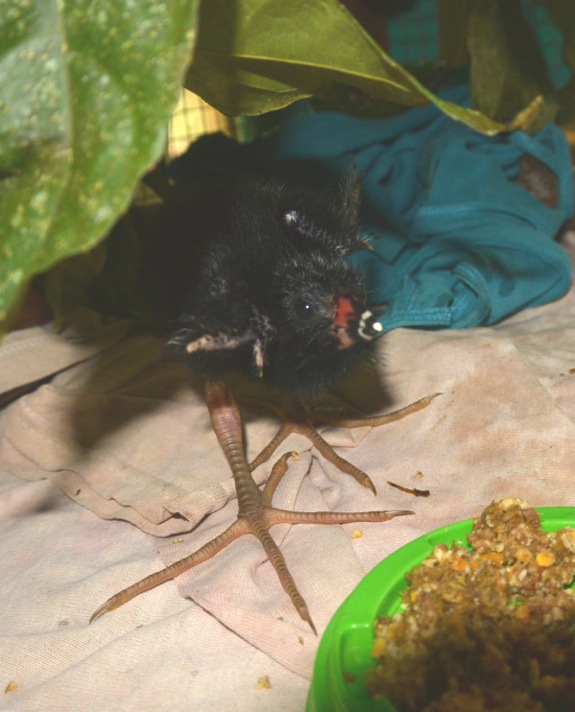
Koru, the purple gallinule bird which arrived last month, is growing really fast. However, he is still not as big as his feet suggest he should be. He already has his adult feathers and wings and he is sleeping on top of the branches in his cage. Soon we will have to decide where we will bring him, as releasing is not an option anymore for such a tame bird.

In Memory of Churi

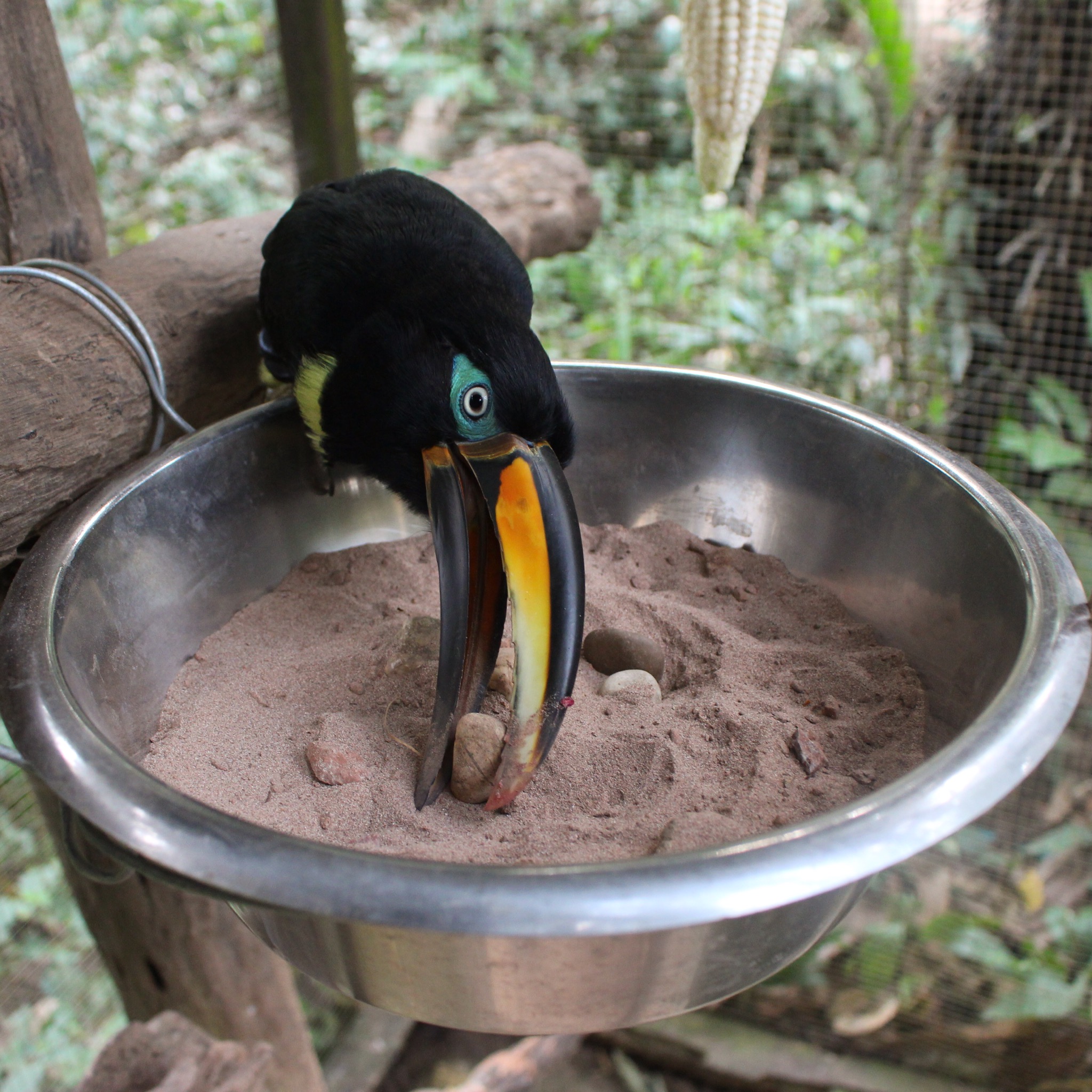
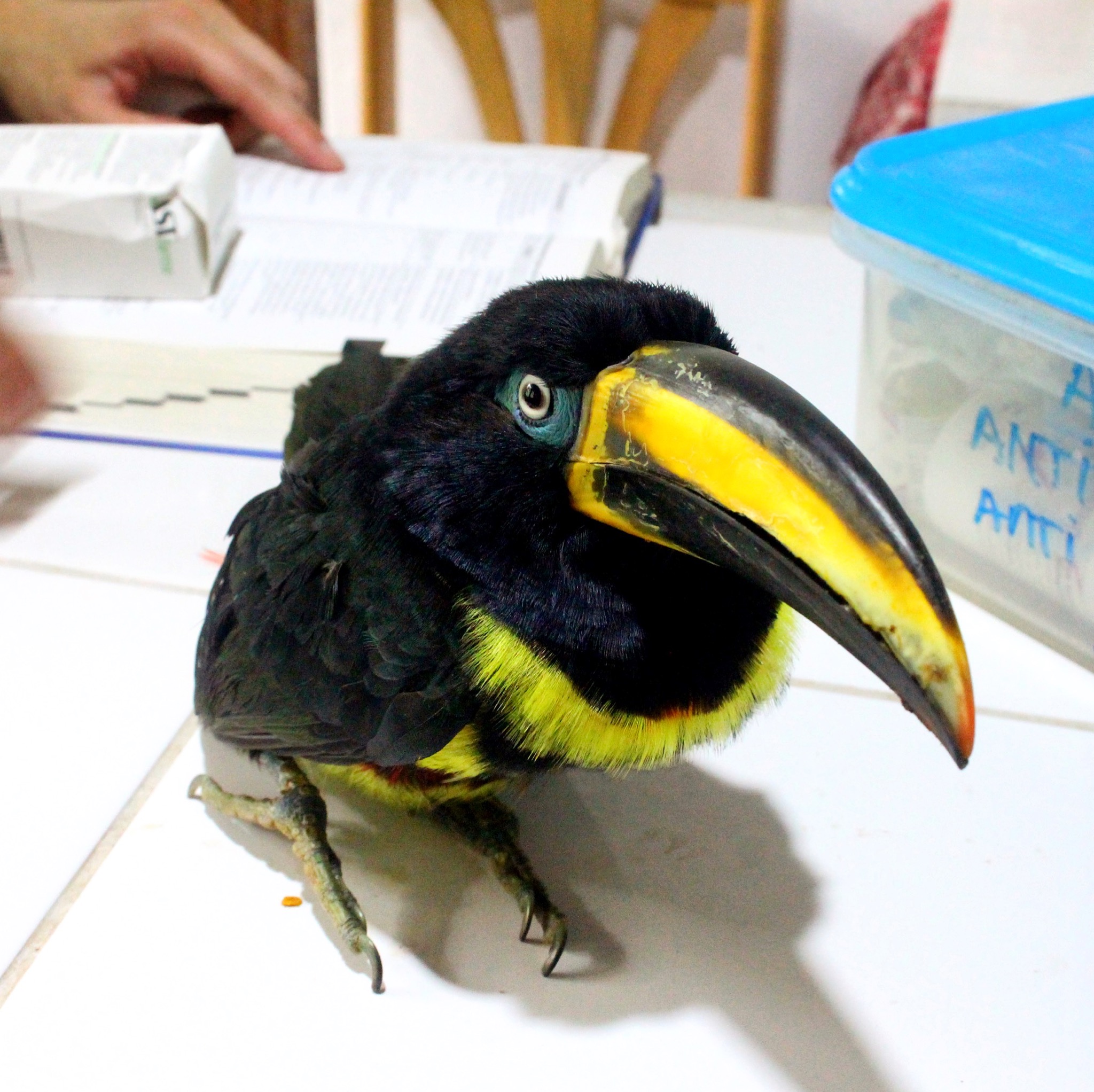
Churi, a many-banded aracari arrived at our rescue centre in February 2016. Sadly in January of this year he passed away. Churi was confiscated from the illegal wildlife trade and later brought to Esperanza Verde by the local authorities. Unfortunately his species is not native to our region and so he could not be released back into the wild. During his time at EV he was a favourite of many volunteers and will be dearly missed. Kees Kampschuur and Irene Bonte share their memories :

Churi has passed away.

We have red the sad news about Churi in the update Januari 2018 while we are volunteering in Namibia. I still remember the first time I entered his (or is it her?) cage with a plate of food. It was my first or second day as volunteer. I was told before that it was a friendly bird, a little bit lonesome, so he needed more attention than others. It was not possible to set him free because he was to much focused on humans. Besides that this kind of aracari doesn’t lives in the Esperanza part of Peru.

With that information I entered the cage. Suddenly Churi came out of a corner and jump on the plate. I didn’t expect that, so everything (including Churi) fell on the ground. Fortunately I only let the plate go and didn’t move; Churi sat on the ground just between my feet, looking in my direction and the look in his eyes told me; “Got you!”

After that experience I first look where he was sitting, so I knew from which side he will come. Most of the time he jumped on my arm and than start eating from his plate. Sometimes he sits on my arm and looked to the food and than to me. That was repeated several times. And suddenly I knew; I had to feed to him. Okay it takes some time but why not.

After he has eat his meal. He turned his back to me. I gently pat him ons his back. From his reaction I knew he liked it. And when he likes it, he makes a funny low sound, snoring almost like when you are patting a cat.

We became good friends. If I had some spare time I went to Churi’s cage. Sometimes I took some fruit with me, to hide in his cage or put in one of my shirt pockets. He must find the food. When he smells it, he became excited and try to find out how to get the food.

After a while Churi recognise me and talk “Aracari” to me when he saw me or heard me. At his cage I answered in a combination of Dutch, some English an a little Spanish or making soft click sounds. It must be looking strange. But Churi look to me if he understood me.

As I mentioned before we became good friends. This was quite handy when I want to take some pictures of him. So with my camera I entered the cage. He looks at me and than at the camera, maybe thinking;”That is a strange thing to hide food. Never seen that before, lets have a look.” So he sits quietly and I was able to take some nice pictures.

Because of the fact that he was alone we tried to set him in the cage with the parrots and later with the parakeets. Both didn’t work out, so he returned to his own cage. Somewhere in October 2017 we heard that Churi has an infection on one of his feet and was getting a treatment. Unfortunately the infection took his life. What is staying behind are the memories and of course the pictures.

Kees and Irene

Esperanza Verde Update / February 2018

It has been a busy month at EV in which even Douwe and Geiler got to join in the feeding-tours. Rainy season is in full swing, but luckily the mosquito population has decreased.

.
Monkeys

Nera (female adult capuchin) gave birth this month to a healthy baby, of which the gender is still unknown.
Milana, the baby of Mica is growing fast, and has even been seen carried by the alpha male Maku, which is not an ordinary thing within capuchins.
It is amazing to walk outside at EV and see all these monkeys of different species swinging through the trees. We now have 14 brown capuchins, 2 white-fronted capuchins, 12 woolly monkeys, 4 howler monkeys, 3 spider monkeys and 1 night monkey. So far they all get along well.
Of course there are some quarrels but our ‘king’ Kamari (alpha male woolly monkey) has it all under control. The three howler monkeys, Darwin, Cesar, and Kaya (only female) are doing well within the group. They are outside during the day and sleep at night in the Roko-cage. There they are joined by Mayantu (female young brown capuchin) at night. All four happily in a sleeping box! The now young night monkey Luna (female) has been moved to an outside cage to get acquainted with the outside monkeys.
Sira (our outside female night monkey) has been visiting her already. Otis, the young male is still being kept at the family house but is brought daily to spend some time with Luna, till he moves around confident enough to join her full time.

.

Other Mammals
We hardly every mention them but our peccaries Quintisha, Kohana and Timo, are doing well. We tried moving them to the Rincay-enclosure, so we could move Ringo (male deer) to theirs, but they wouldn’t have it. They are strong willed and are very capable of digging under the fence to get back to their own enclosure! So for now we have given up trying, and Ringo stays (temporarily) in the enclosure surrounding the family house.
Rabito (male deer) is doing fine in the deer enclosure. Unfortunately he still copes with a skin problem, so we decide to stall the introduction of Ringo for now.
Ruena (female tayra) was moved to the Zambo-cage, and has been taken on her first walk outside with Douwe to get to know the forest.
After a full recovery and gaining sufficient weight, Lulu (female two-toed sloth) has been released again.
Kila and Kiko (female and male kinkajous) have been released again, and so far so good. We found out that Kila has been in a fight with an adult wild female, and we just hope that at some point they come to an understanding!

.

Birds

Neo (orange winged amazon) has found the company of the two white-eyed parakeets (one of them a well-known bird named Pichu) in the non-flyer cage (IGOR). For some time there was a white-eyed parakeet on the outside. We assume this is one of a group which we released more than a year ago, and decide to visit his old friends.

.

SUST Animal Orphan Hospital

With the three howler monkeys, Darwin, Cesar, and Kaya having moved out, as well as Ruena and Lulu gone, the clinic has been quiet for a while. However even with most of the cages empty in is still always busy enough at the clinic. Milk is being prepared and distributed from there, faeces samples are being examined, and a general deworming of all outside monkeys has been carried out.
New young Ronya (female brown capuchin baby) has been moved permanently to a small cage in the clinic, and is taken on daily walks through the forest.
For a week we closed in Samara, Uma and Maruja. Especially Samara had several botflies and lost a lot of weight. All three were treated for Prosthenorchis Elegans, a parasite that regularly causes health problems and is very difficult to get rid of.

Donna Simmons (an Australian veterinarian and old friend) came back for a visit, and together with Douwe and Janneke (our student volunteer) they performed several castrations of dogs in the village. Several families from the village have been asking for our help, so as soon as Donna arrived we put her skills to good use. We set up an operation table in our building in the village. Thank you Donna for doing a great job!

.

New Arrivals at the Hospital

Koru, purple swamphen

One new arrival this month was Koru, a purple gallinule or purple swamphen. It is very young and still has baby feathers, so it was taken in at the family house for intensive care. After a week he or she was already eating on their own and could be moved to the clinic.

Esperanza Verde Update / January 2018

2018 at Esperanza Verde is off to a busy start! With both new animals and old animals, exciting things are always happening here.

.
Monkeys

Milana, baby of Mica

Mica (female adult capuchin) and her baby which has been named Milana (female) are doing great! They are both healthy and Milana was recently seen spending time off of her mother and practicing pushing up on her arms which is excellent progress for such a young capuchin.

Loki taking care of Tawaki
Kamari and Tawaki, Wallace in the back

Tawaki and Naka (woolly monkeys) are also doing well. They spend their days outside playing and exploring with the other monkeys and go to sleep at night in Pepe cage.

Otis, male baby nightmonkey
Luna

The two baby night monkeys, Luna (female) and Otis (male), are still being kept at the family house but now spend some time each night in an outside cage with a volunteer to help them get used of being outside. Luna will be the first to be moved outside and Otis will soon follow once he grows a bit bigger.

.

Other Mammals
Rufus, just before release

We are excited to announce that Rufus (wild male porcupine) has successfully been released from Zambo cage into the wild with his tail healed! Good job Douwe and Donna!
Lulu (female two-toed sloth) has unexpectedly had to return to the clinic due to an abscess in her nose. She is currently receiving antibiotics and being monitored.

Kila in the trunk

Due to Kila being found with an injured tail, both her and Kiko (both kinkajous) have been enclosed but she has just completed getting treatment and they are going to be let out again so they can roam in the area around their cage.

.

Birds

We have some very sad news that unfortunately Churi (many-banded aracari) has passed away. We know this news will be sad for many volunteers as it has been for us: he will be greatly missed. He had ongoing problems with his feet which seemed to be doing well for a while but in the end took his life.

.

Reptiles

Vivil (male yellow-footed tortoise) just completed his three month quarantine and is now parasite free. He has been moved to the reptile cage to be with the other tortoises.

.

SUST Animal Orphan Hospital

The three howler monkeys, Darwin, Cesar, and Kaya (only female) have been doing great. They are currently transitioning out of the clinic into Roko cage full time. They have been spending most of their days outside playing and climbing with the other monkeys.
Mayantu (female young capuchin) has also been spending most of her days outside but still sleeps in the clinic. She often joins the capuchin group outside and stays with them for long periods of time playing and following the group.

.

New Arrivals at the Hospital

On a recent trip to Pucallpa the ministry gave three new animals to Esperanza Verde. The animals were donated to the ministry after a recent campaign working to educate people on why wild animals’ shouldn´t be kept as pets.
Ronya

The first is a baby female capuchin (on arrival about 6 weeks old) that is doing very well. She has just received a name after much collaboration and will be called Ronya. She is currently being cared for by volunteers at the volunteer house at night and then in the clinic during the day.
The second was a baby male tamandua which unfortunately passed away a few days after arriving possibly due to an infection in his intestines.

Ruena, female tayra

And thirdly we received a young female tayra that has been named Ruena. She has been keeping the volunteers busy trying to come up with new enrichment to satisfy her high energy. Ruena is completing a quarantine period in the clinic after which she will be moved to the Zambo cage. From there we will start to introduce her to daily walks through the forest.

.

Volunteers

Our happy volunteers