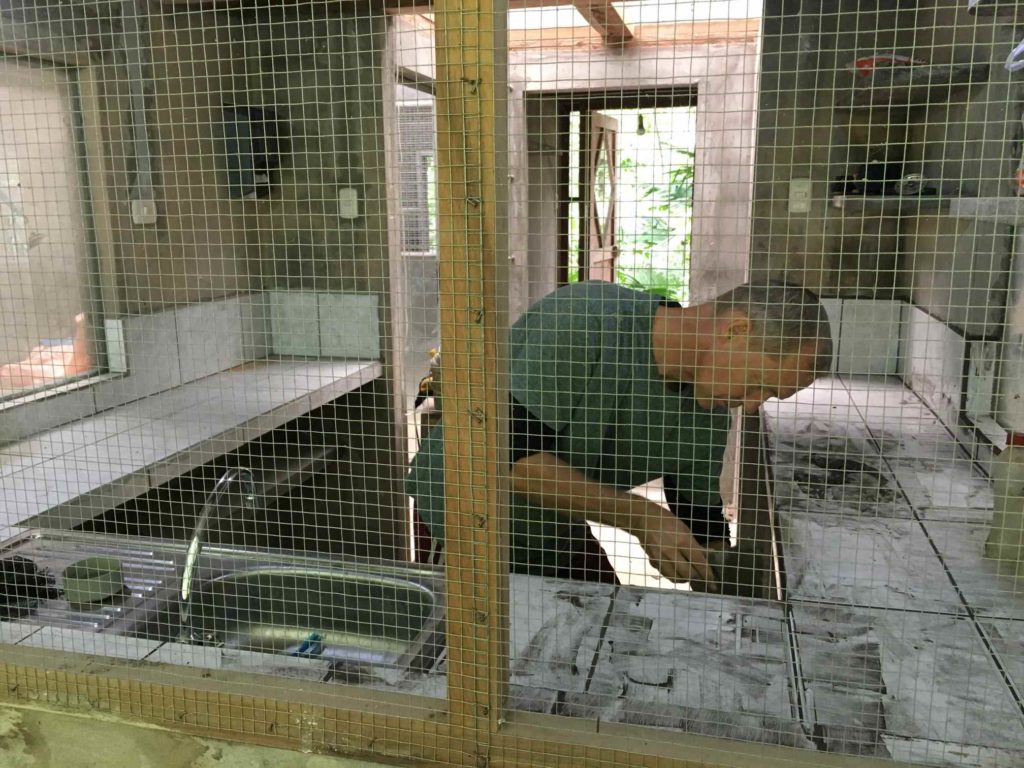
Geiler is one of the permanent workers at EV and a very important part of the Corona Crew. According to himself, his most important job is getting bananas and papayas for the animals, but in fact he does a lot more for this project. After working here for 6 years already, he knows almost everything at EV. He is always there to help out when there is a problem, he is indispensable for the constructions of new enclosures and if necessary he also helps out with the animals.
Do you want to learn more about Geiler ? Read the full interview ! :
When did you start to work in EV?
I started to work here in June 2014
Why did you start to work in EV?
Because I loved the work and I also wanted to keep getting to know all the animals.
What is your main job here in EV?
Right now my main job is getting bananas and papayas for the animals.
What do you like about the jungle?
What I love the most about the jungle is all the animal life in it.
What is the hardest part of working here in EV?
I don’t really have any hard work in EV, it’s all for a good cause!
What do you like about the work in EV?
I like that I can learn a lot, that I have many different experiences and that I get to know new ways of working.
What is your favorite job?
I like building cages more than other stuff but I don’t really have a favorite job.
Do you like having contact with the volunteers, and if yes, why?
Yes, its genius and I like talking and sharing all kinds of experiences.
Would you like to do the volunteers job for a week?
Yes I would like that.
What is your opinion about the trafficking of animals?
I think that the government should make stricter decisions so that the people understand that animals are a not to be used as goods, that we should respect animal life and that animals should stay in their own habitat.
The months truly fly by at Esperanza Verde and July was no exception. It was a month to reflect on how fortunate we are to be somewhat secluded from the world’s goings on and how lucky we are to have such a dedicated team working both on the frontline and behind the scenes in different roles around the world. We are very grateful for the team of Esperanza Verde International in Europe. The Crowdfunding campaign they set up will help us get through these times financially. Although our thoughts are with those hugely affected by the worldwide outbreak, our minds remain focused on the task at hand, while enjoying the happy life of the animals at Esperanza Verde.
Animals
Release parakeets
It is always exciting being involved in the release of rescued animals, and this month saw the re-assessment of the white-winged parakeets in Aguatena enclosure ready for relocation and possible release. Assessment involves checking the bird’s health, flight capabilities and feather condition, as well as a treatment for any lingering parasites. Of the fifty plus parakeets, 17 had recovered sufficiently to be released, whereas the remaining birds were transferred to Tupak enclosure awaiting their flight feathers to grow back before their release.
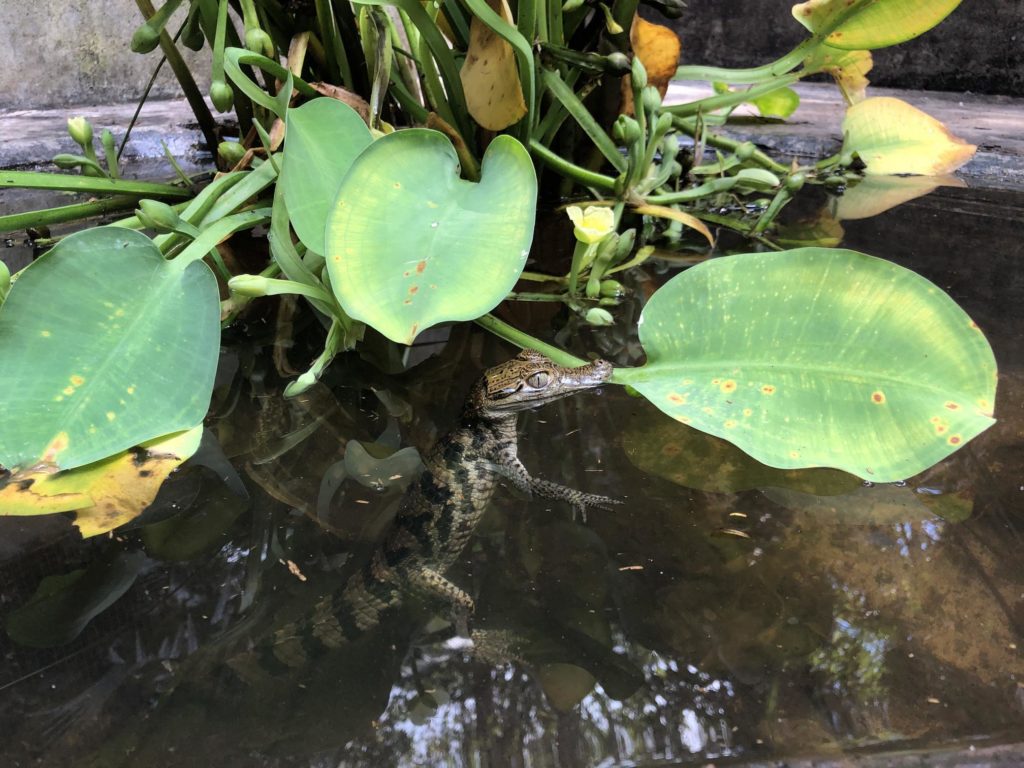
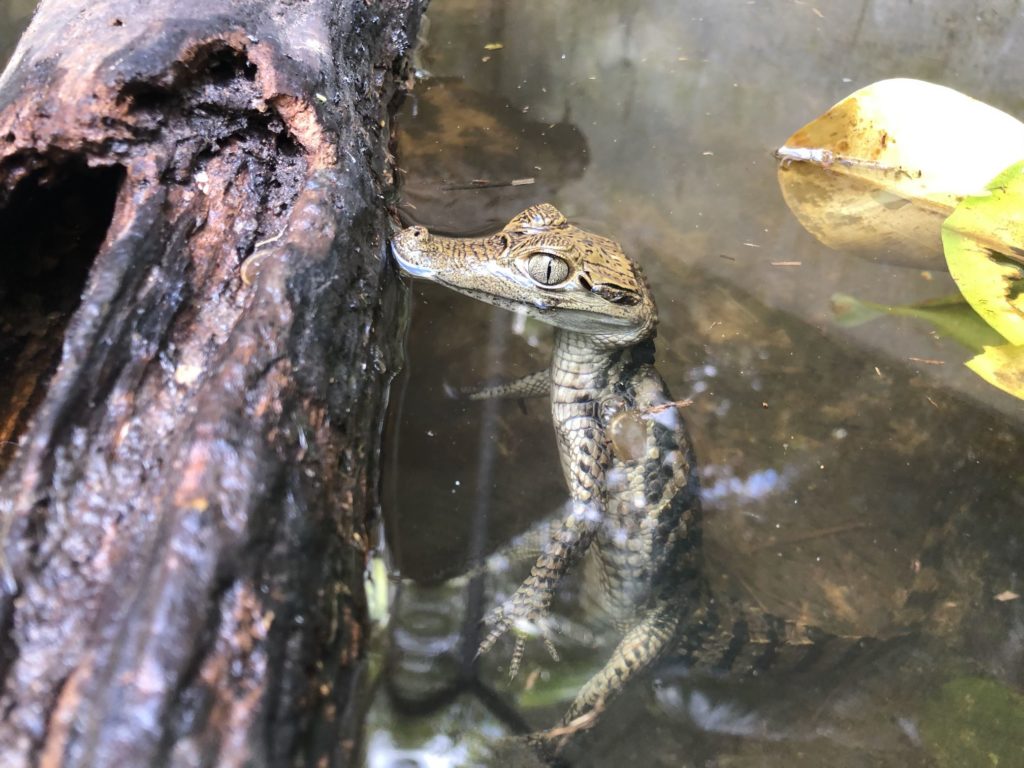
Caiman in AguatenaHello you !
The newly vacated, purpose built Aguatena enclosure welcomed five spectacled caimans from the pond in Momo enclosure. The caimans now have more space and a more natural environment to reside in. Douwe and Marlon did a fantastic job of cleaning up the enclosure from the previous parakeet inhabitants and making it perfect for the caimans.
After a big fall and taking a dive into the pond of Pichu aviary, the decision was made to move long-term resident Daenarys (mealy Amazon parrot) into Igor enclosure where the height is more limited and she is less likely to be bullied, as was the case with the more able bodied birds in Pichu. Daenarys is unable to fly but is a welcome addition to Igor and relishes the extra attention on offer from volunteers in a smaller space. She already started making her funny noises again, as some of the early volunteers of Esperanza Verde might remember.
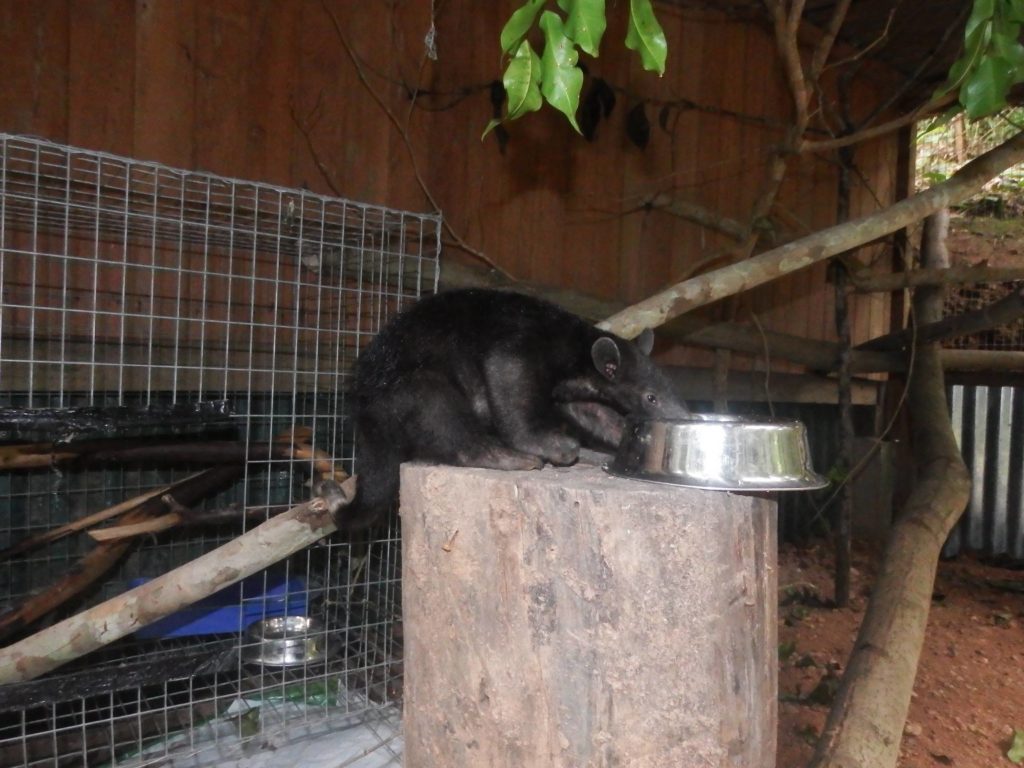
Kassai in new enclosureKassai
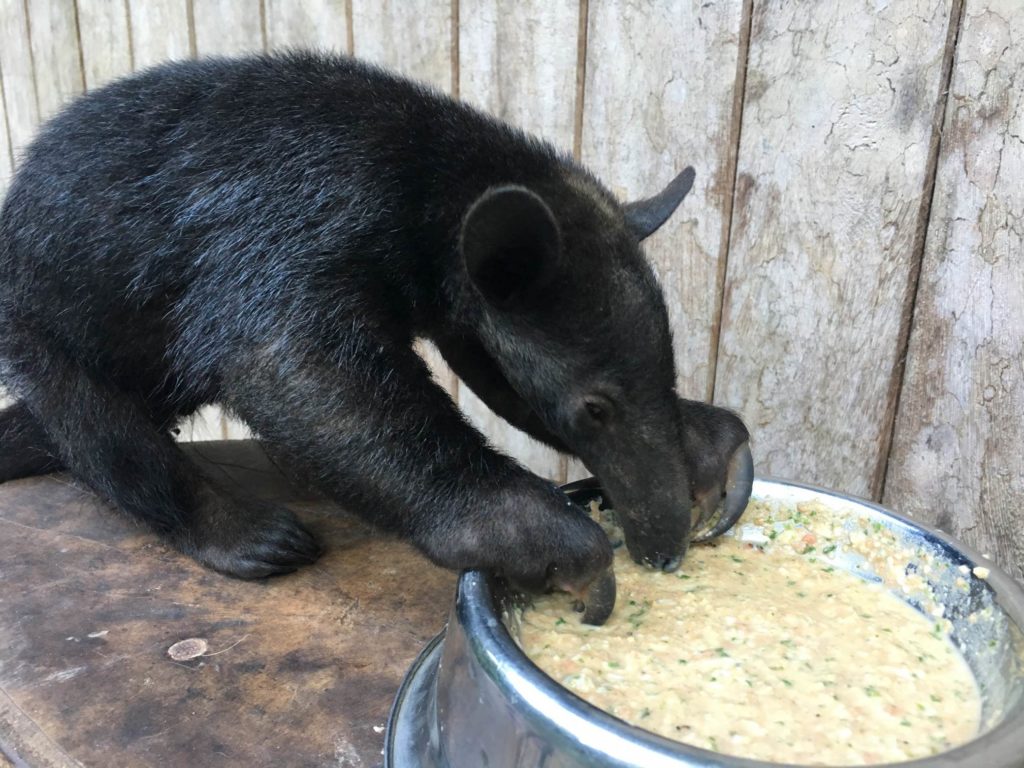
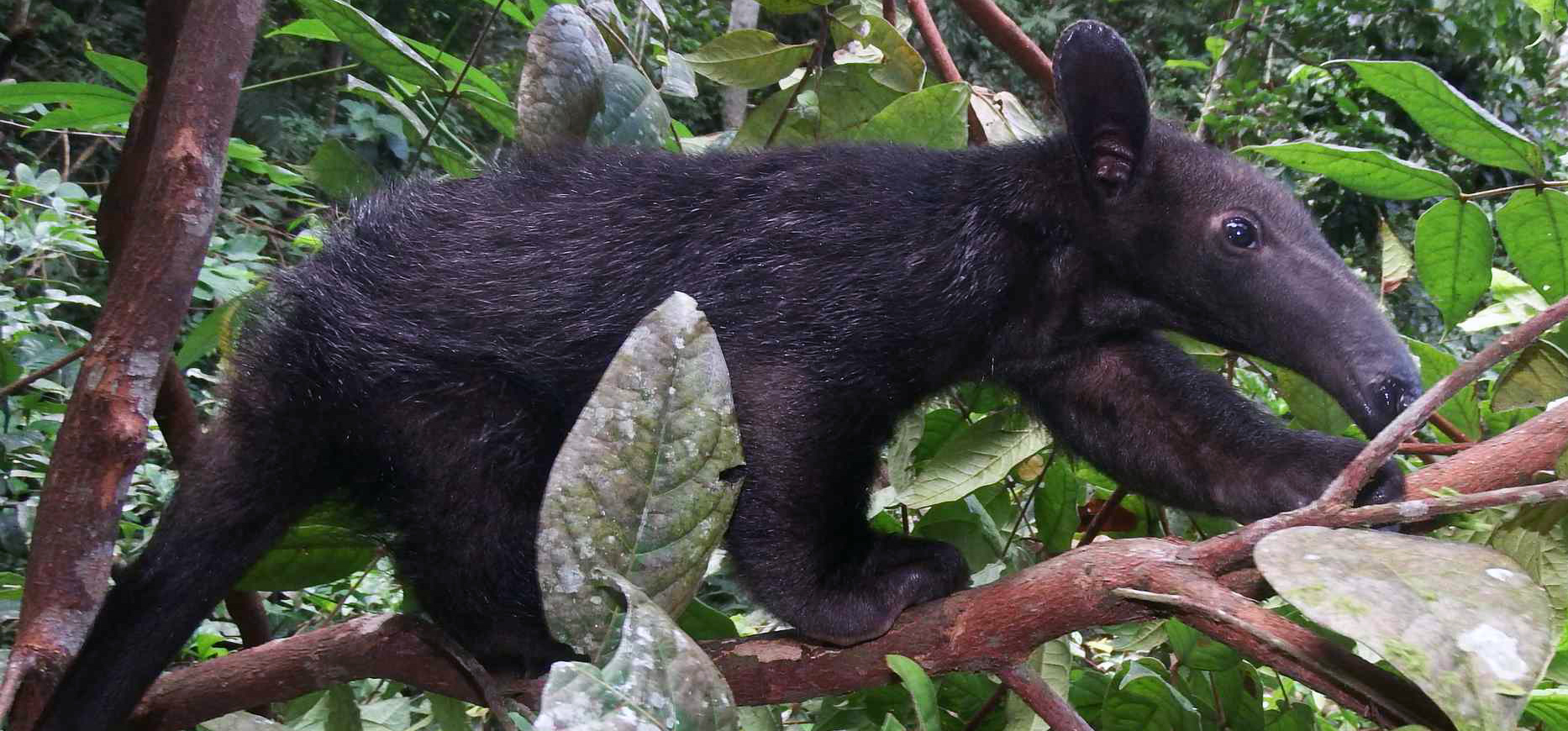
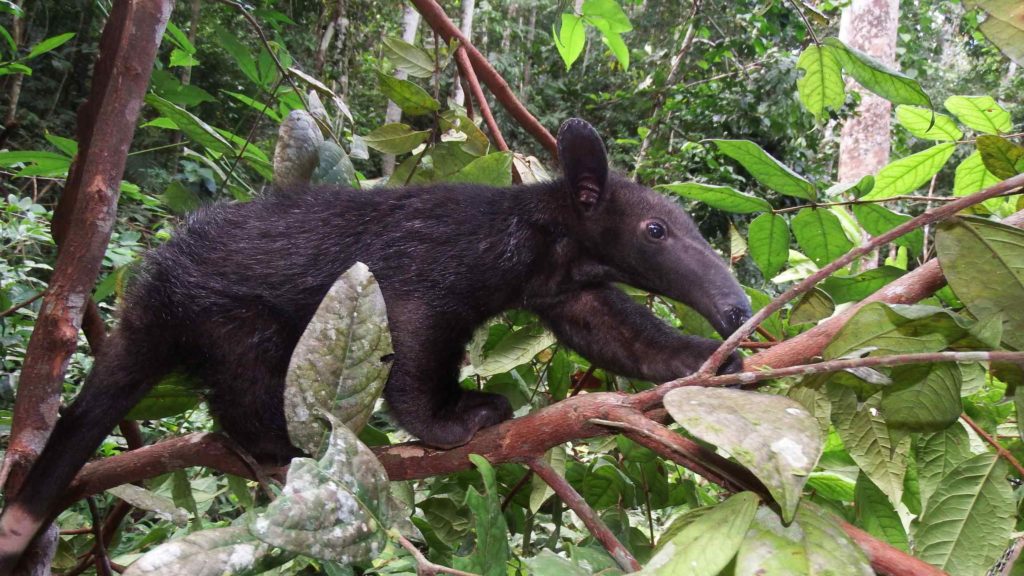
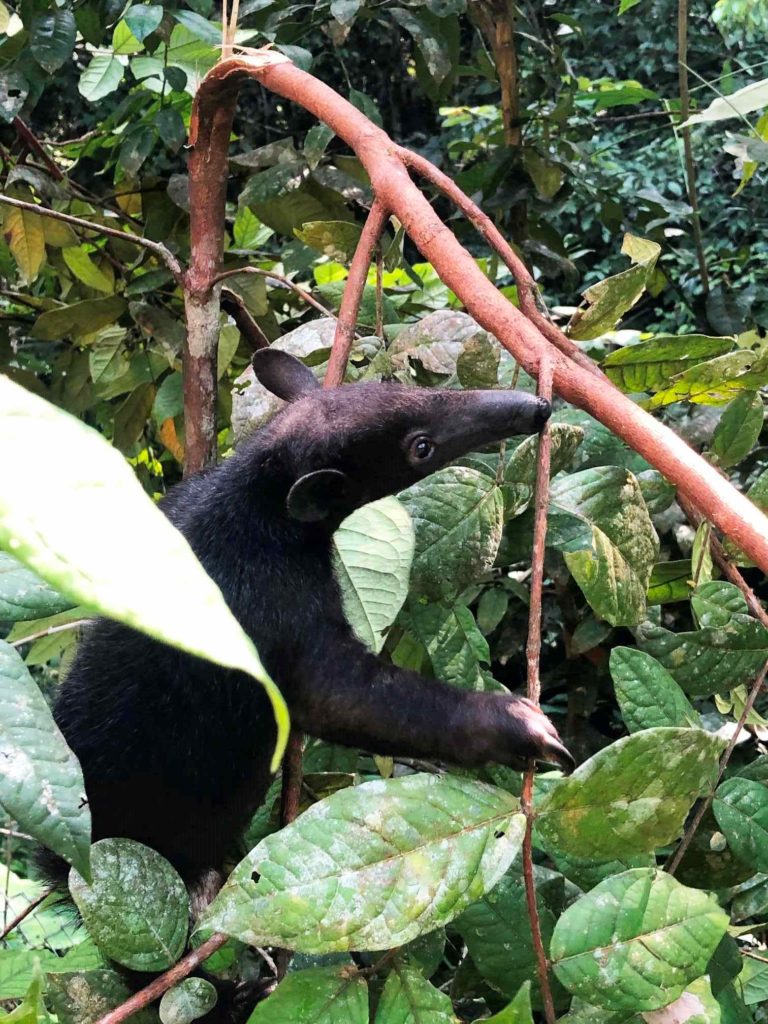
Kassai (baby southern tamandua) is moving up in the world. He is still requiring one on one attention from Olivia, and family, but has now been moved to a newly erected enclosure outside the family residence. Kassai is gaining weight as expected and although slow to embrace the termites in her diet, perseverance is key and she couldn’t be in better hands.
SUST Animal Orphan Hospital
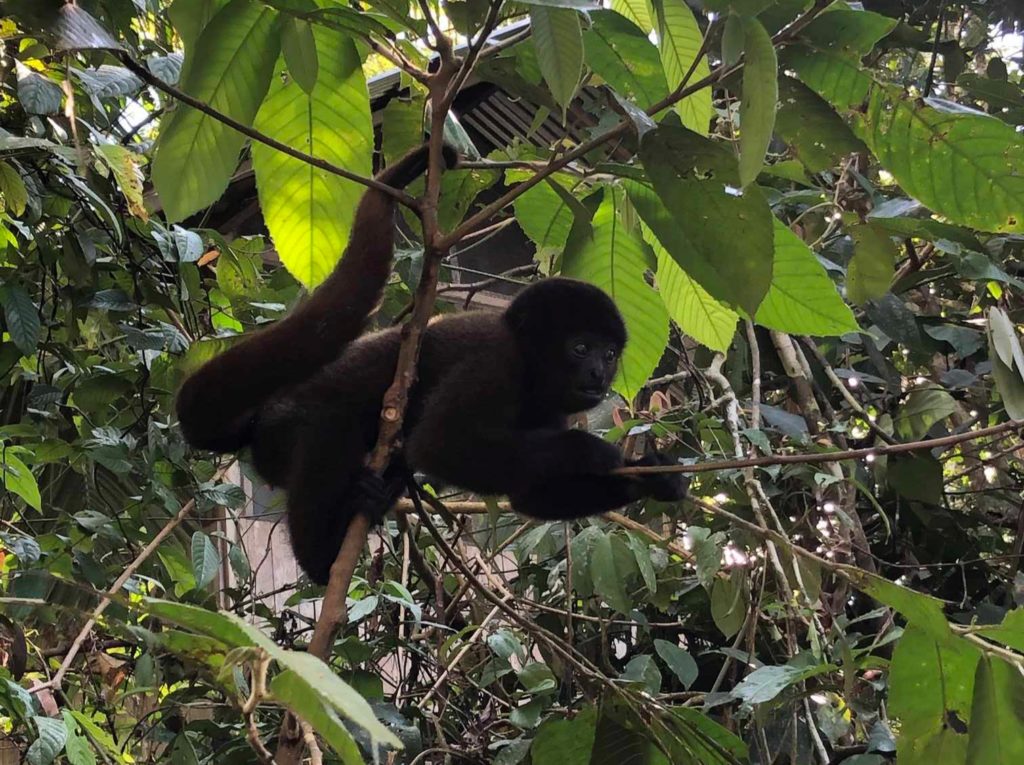
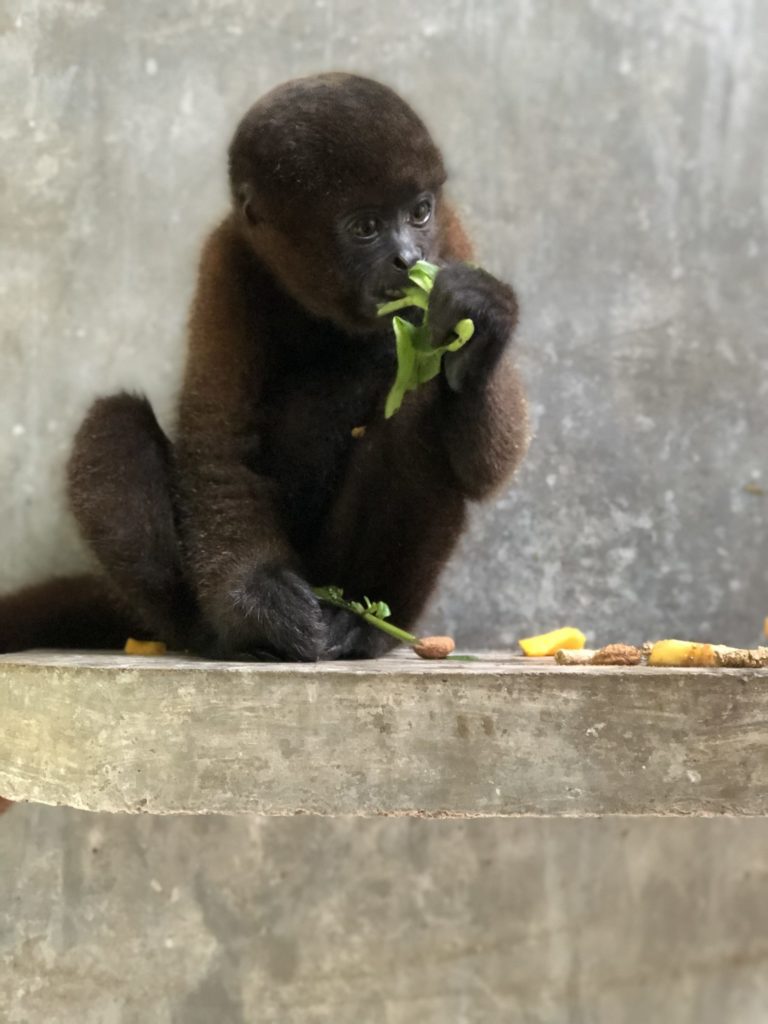
Lupa and Lumisha (female woolly monkeys)LumishaLumisha
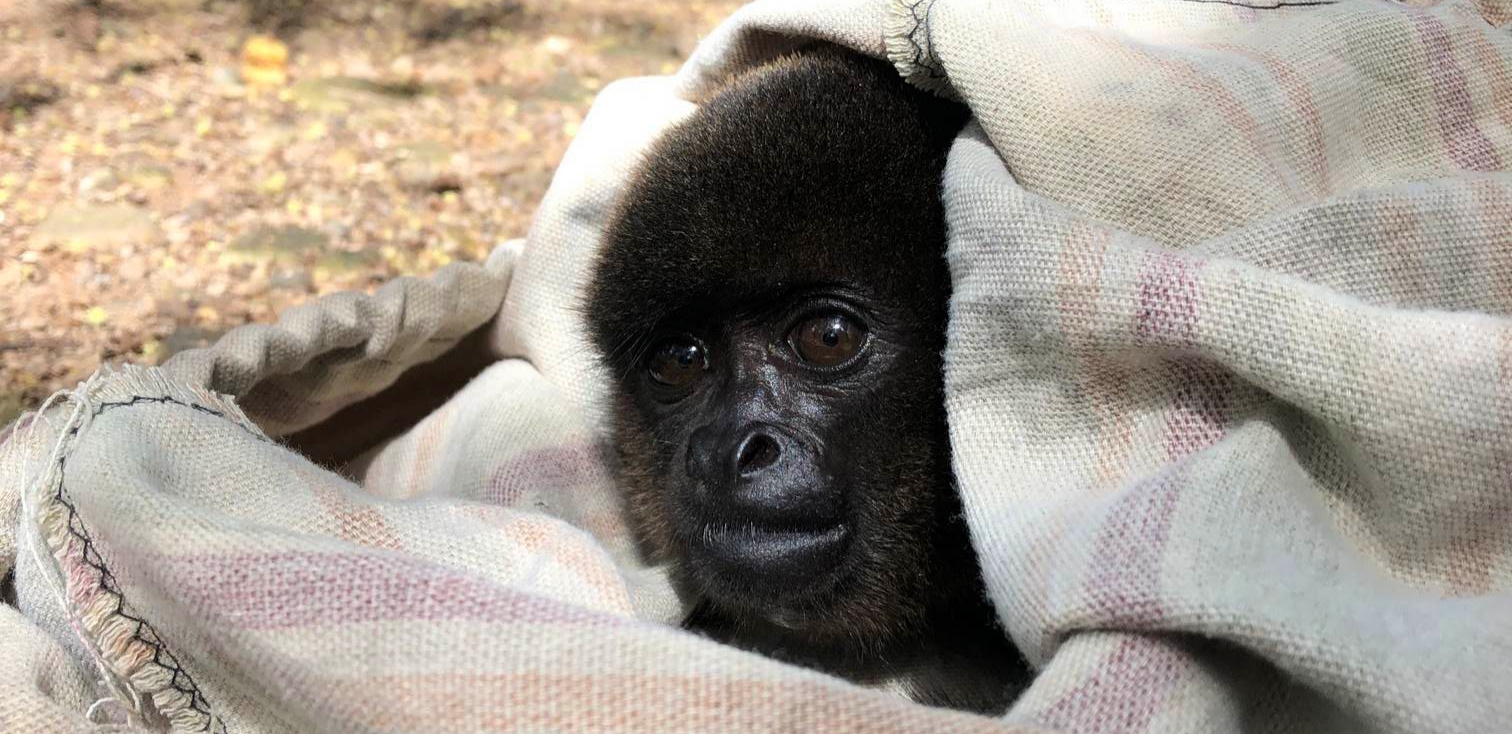
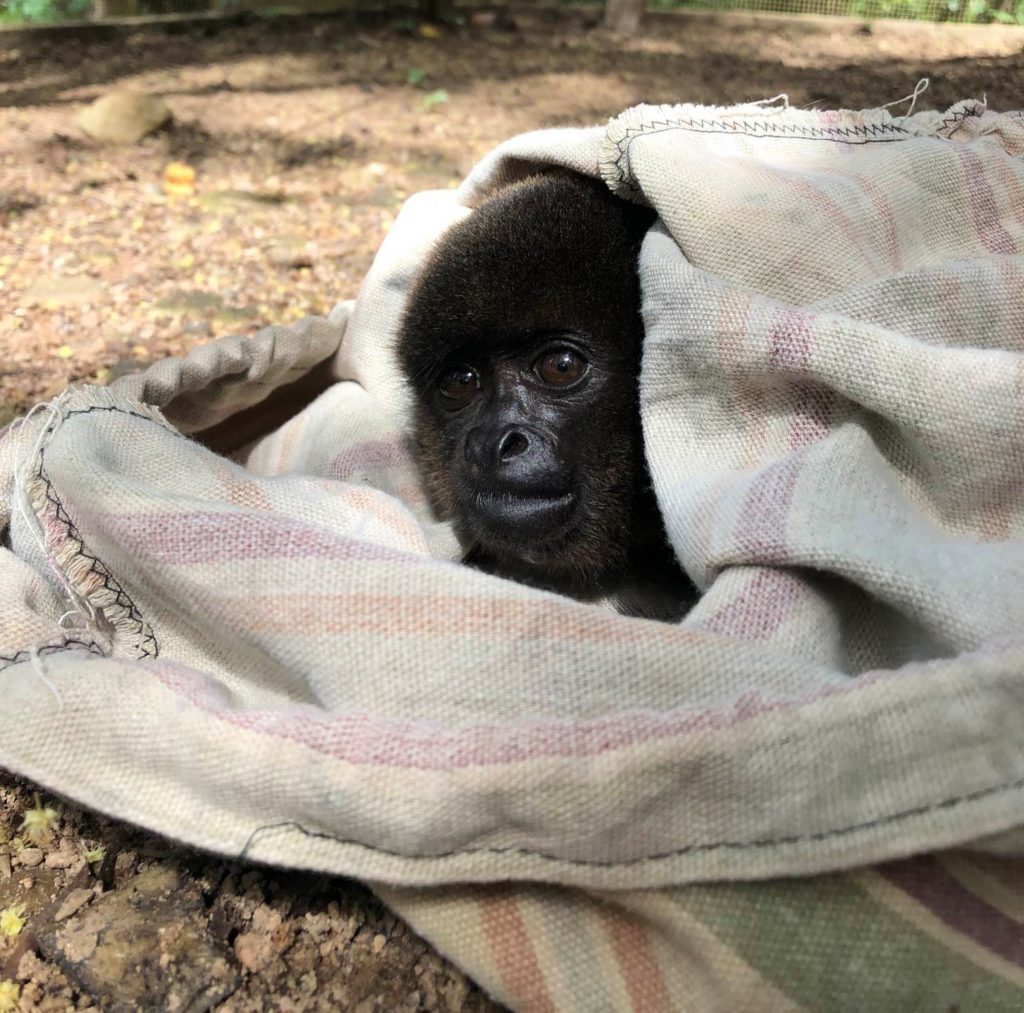
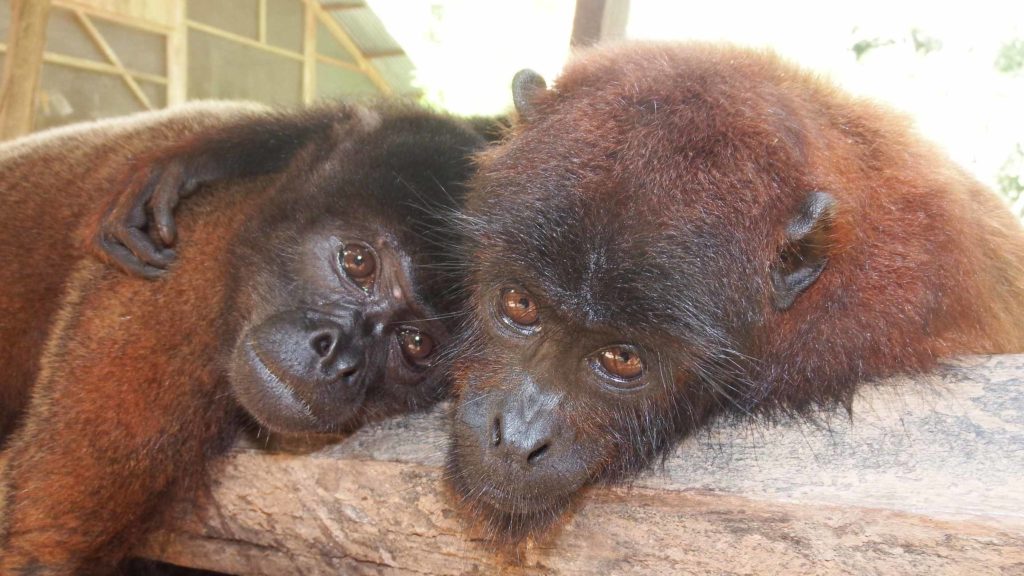
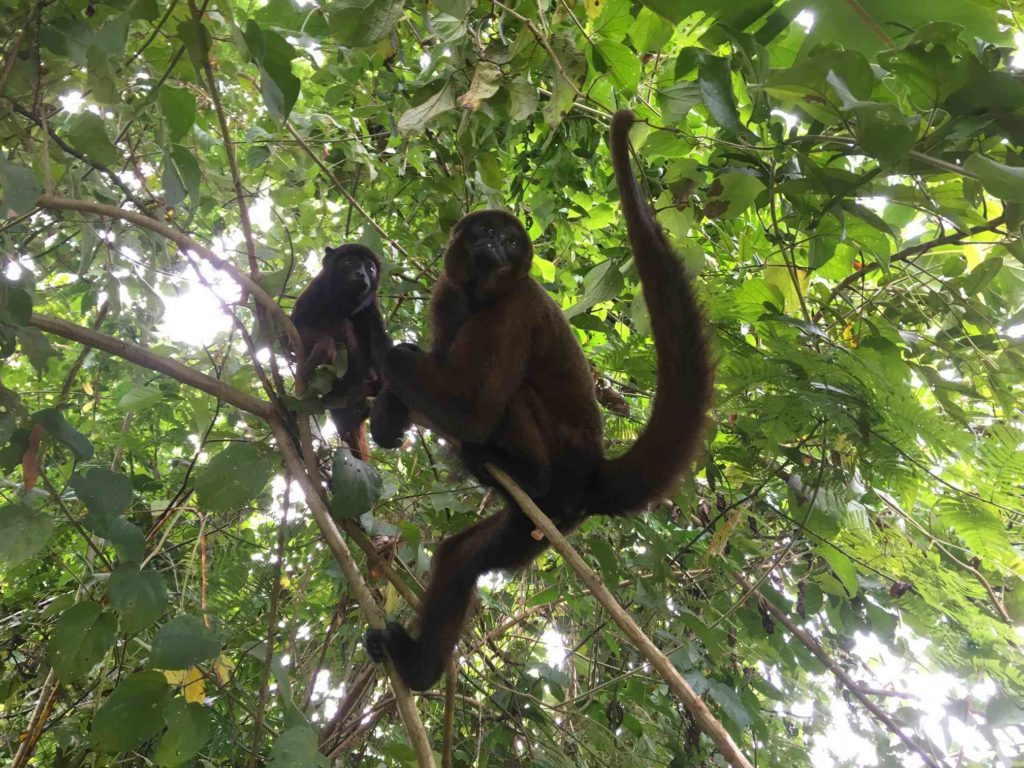
Lumisha (Humbolts woolly monkey), moved from the SUST OAH into the comforts of Lucia enclosure, where she can interact through the enclosure with the other monkeys outside prior to release. After just one day, interests were high and Lumisha joined the monkeys outside enjoying the freedom to come and go. After such a short time it was apparent Lumisha had no trouble locating where food was to be acquired, and is predominantly in the company of the more experienced woolly monkeys such as Lupa and Maruja.
Koru in Pichu
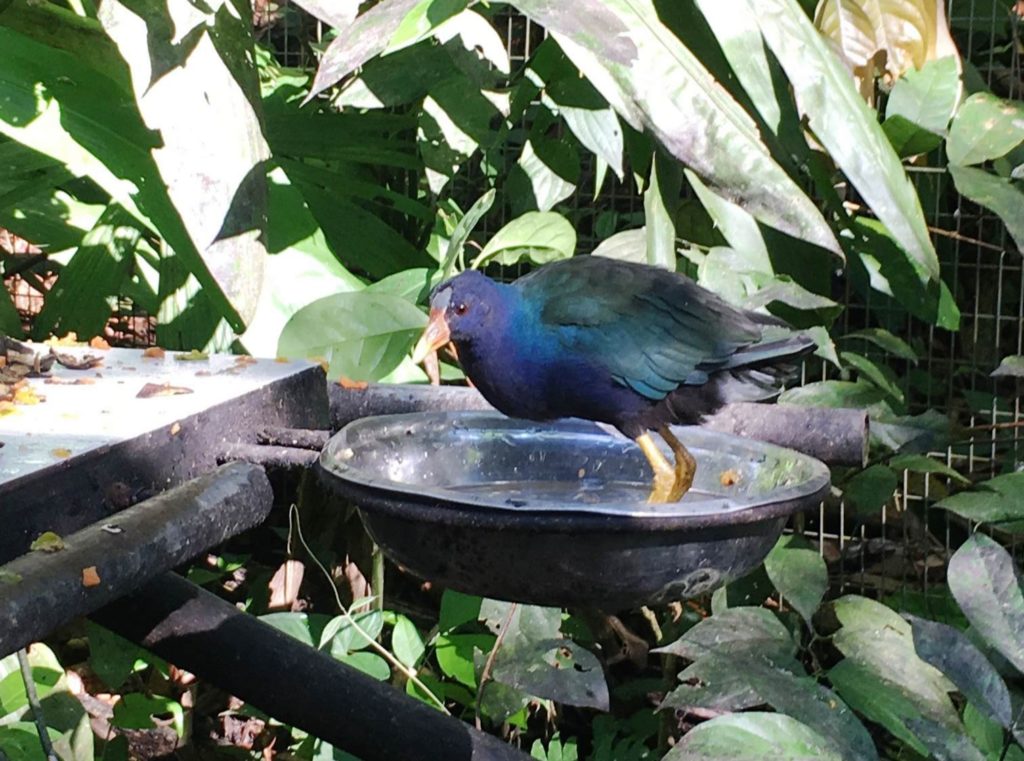
Much loved Koru (Purple Gallinule) moved from Pichu enclosure to the SUSTOAH this month after being found with a severed toe and damaged leg. While spending time recuperating in the clinic, Koru is being assessed to ensure his on-going comfort of living is not detrimentally affected by his injury. The cause of the wound is unknown but could be a result of an over eager capuchin monkey grabbing Koru through the mesh.
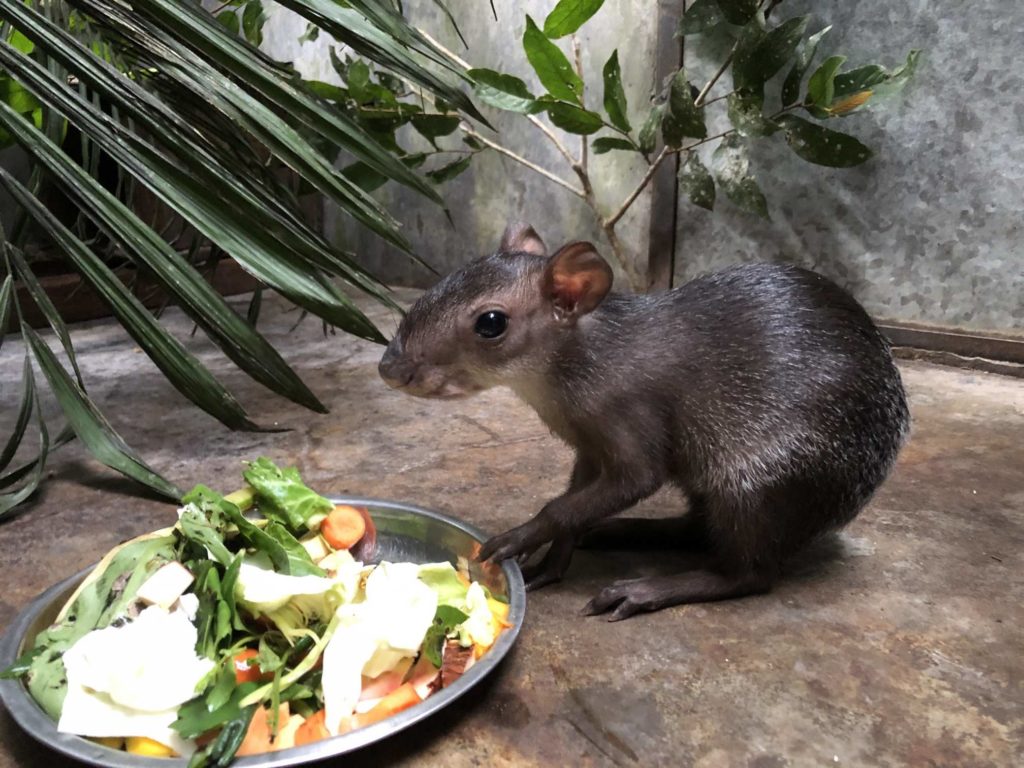
Pisco (young male agouti) has finished his time of quarantine separated from the other animals. He has moved to the more spacious and open Momo enclosure beneath the long-term residency cabana. Pisco is currently too small to join the other Agouti within Pepito enclosure, but as his size is rapidly gaining, it won’t be long before he can join the rest of the Agoutis and deer.
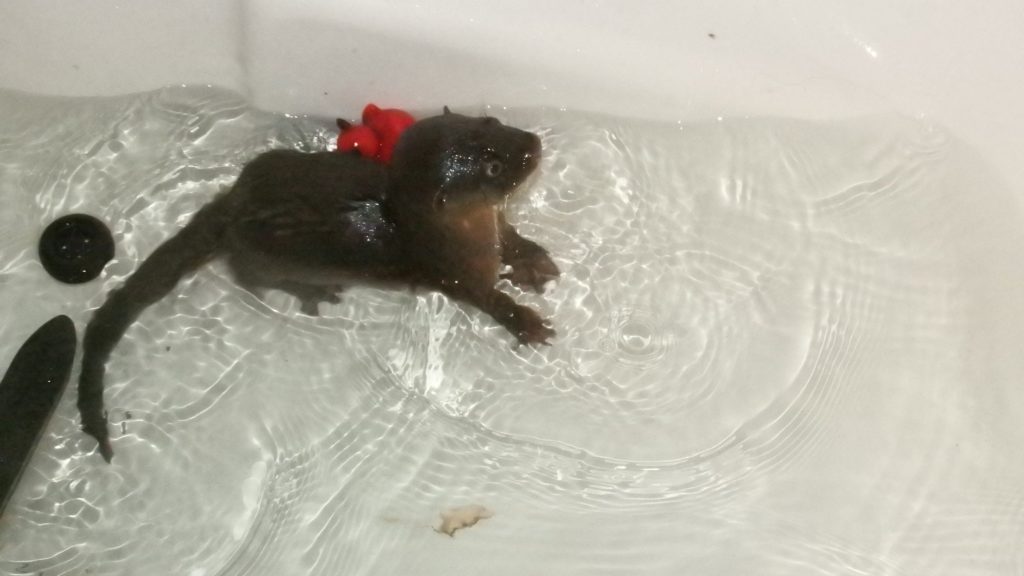
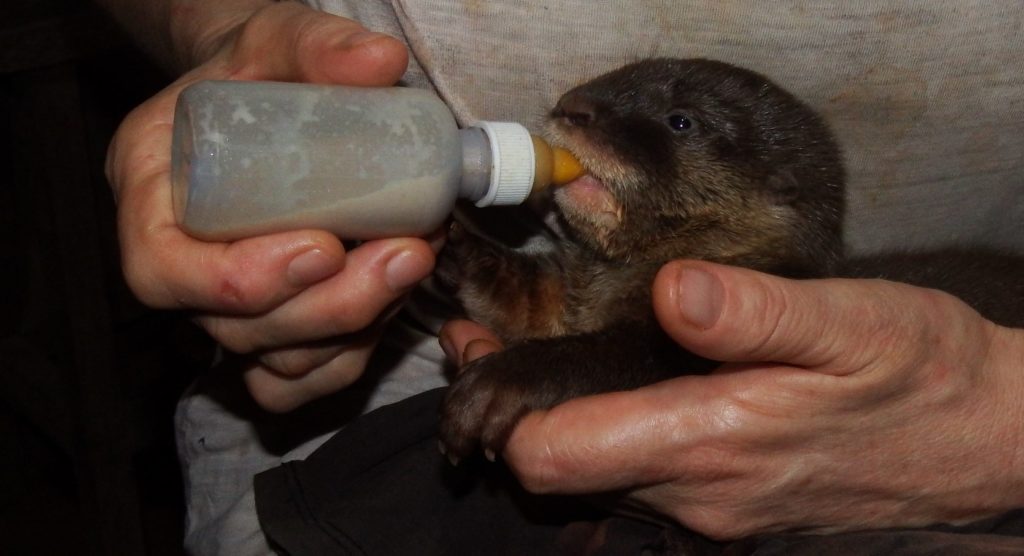
Anishka (otter) in bath
Anishka (Neotropical river otter), gained over ten percent of her body weight within a week, and is improving her vital motor skills every day. Supervised time with Olivia, Douwe and Marlon had begun by the end of the month, and although apprehensive, Anishka appears a quick study with any new skills required of her. Within a week she was capable of swimming under water, in the luxury learning environment of the bathtub at the family house. Only a week after, she went for her first experience with ‘wild’ water, at the small stream near the house. It is amazing to see how she shows that every day there is a new challenge she is capable to face and conquer
Our resident alpha Loki (Humbolts woolly monkey), managed the difficult task of breaking out of La Sapa enclosure this month. A year of swinging relentlessly on the cage finally had the desired effect and broke the mesh. Fortunately, Olivia and Puck discovered Loki outside prior to any of the other inhabitants discovering how to escape. La Sapa was made secure and the next three hours was spent by Douwe and Craig ensuring animal and volunteer safety while apprehending Loki.
This is a good reminder that anything can happen at Esperanza Verde, and we are forever grateful for the level heads of both Douwe and Olivia who controlled the situation and ensured Loki was secured by the end of the evening.
New arrivals
This month saw a young man from neighbouring Bello Horizonte deliver a baby two toed sloth that he had found on the ground injured. The baby’s mother was nearby but deceased, having suffered a possible fall from a tree. Unfortunately, the condition of the baby was not good, with a gaping wound on the side and already cavities infested by maggots. We tried hard and made the baby as comfortable as possible, but its condition was too far deteriorated. The baby died after only being at Esperanza Verde for eight hours. Even if we couldn’t help that baby sloth, the story shows how important it is to work with the local community.
Construction and other
Kira and Luna
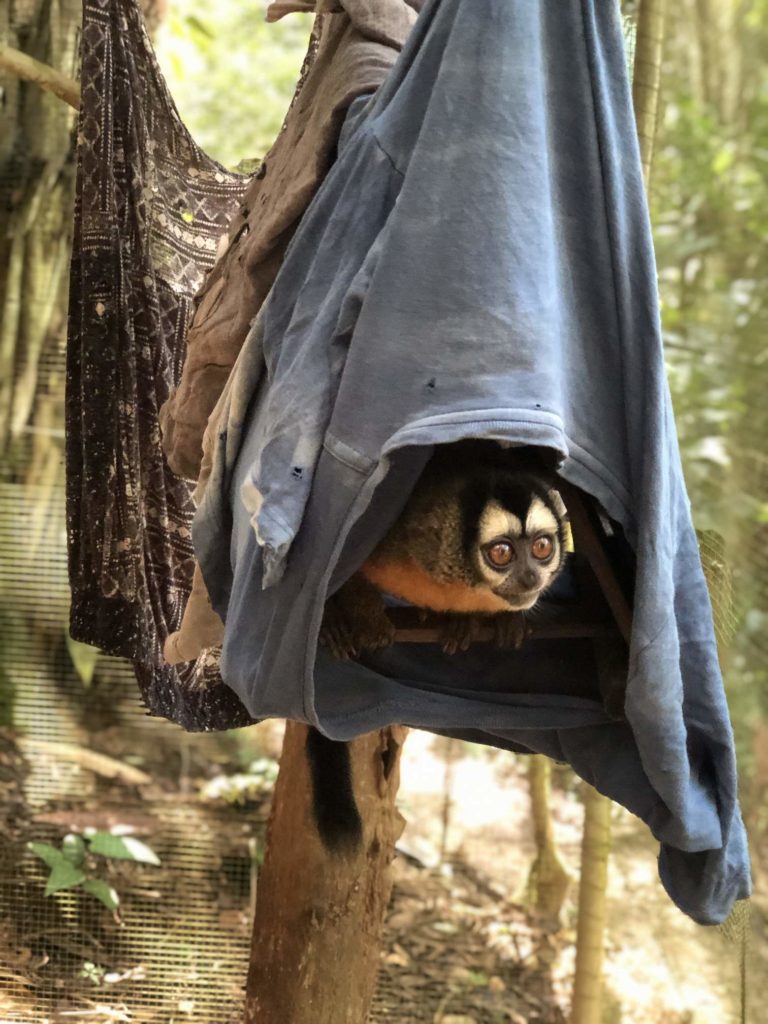
The new and improved Lucia enclosure is now finished, and another great build-up of the inside by both Douwe and Geiler saw Kira (Ma’s night monkey) move in style. The new enclosure has moved Kira closer to centre (near the volunteer kitchen) giving her more attention from both monkeys and volunteers. Luna, the older female night monkey outside, has also been spending some nights enclosed with Kira, all of which will aid in her comfort when she is released in the coming months. They seem to love each other’s company, and sleep comfortably together.
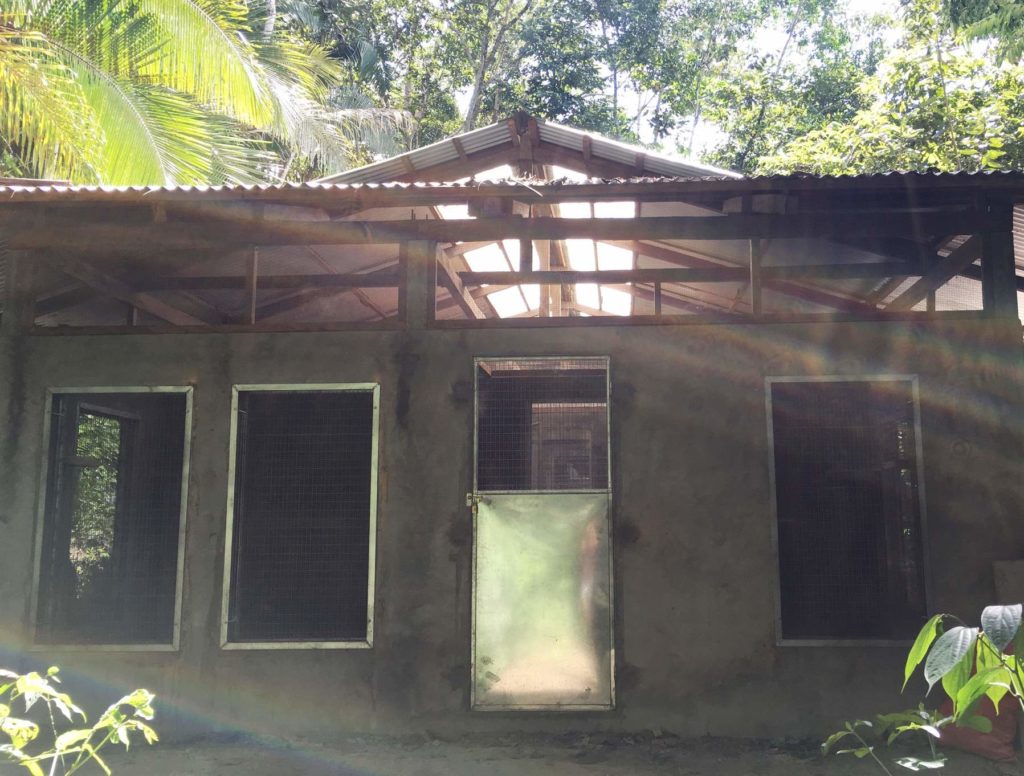
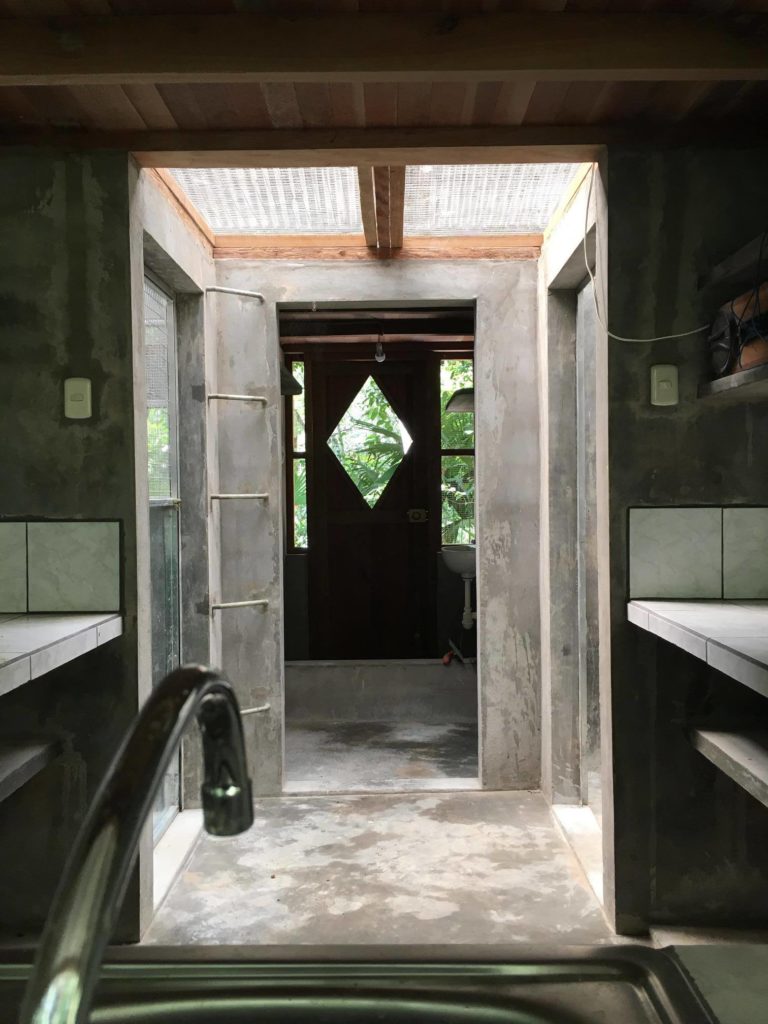
The volunteer toilet has stalled somewhat while Douwe was occupied and Geiler is distracted with plantings of papaya and yuka in the newly generated plantations off site. New clear roof plates were installed above the existing laundry/toilet area making an incredible difference to the amount of light within the room, as well as a roof extension to encompass the new toilet.
Volunteers
Volunteers
The ‘corona team’ had drastically reduced numbers by the end of July. Three more volunteers embarked on their journeys to return home, no doubt welcoming a return to the semi normality that home can bring. Manon, Kim and Emma leave a big gap within the team, all having been at Esperanza Verde since the beginning of March or longer. We are so grateful for all their help during this trying time and we know that whatever project they next choose will be well served.
Current volunteer numbers are at three, with Douwe, Olivia, Kayla and Marlon picking up any shortcomings and filling numbers where required.
Our little Princess turned 16!
Kayla’s birthday
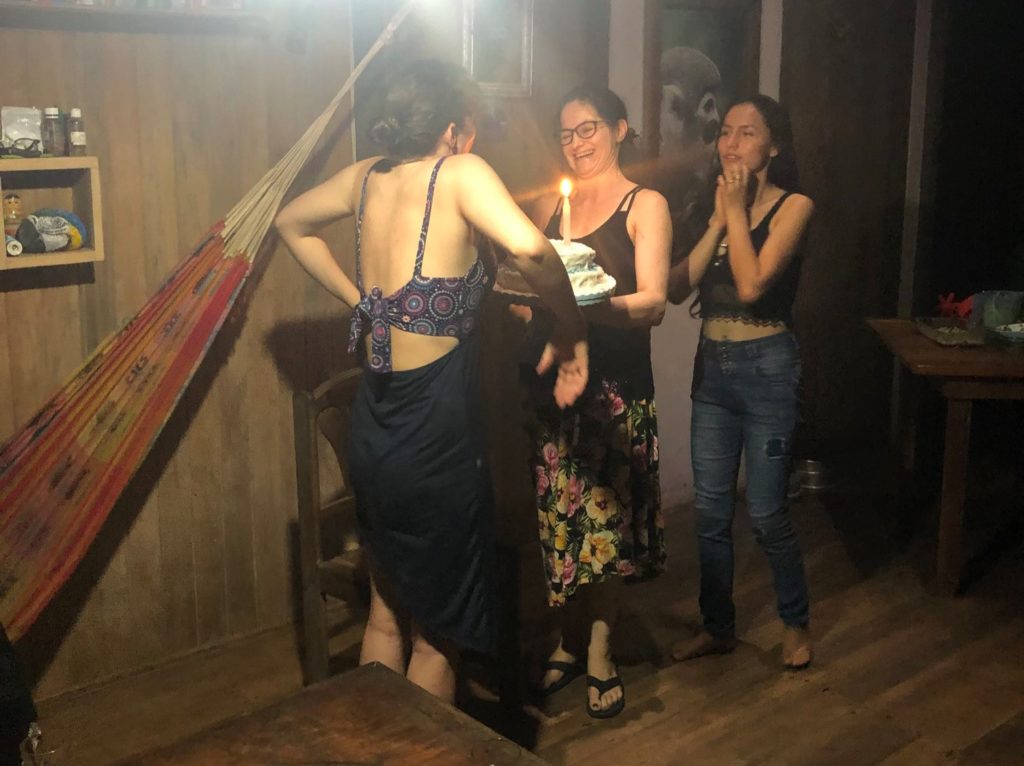
Kayla’s birthday is always a welcome chance to celebrate, and although self-imposed lockdown is still in force at Esperanza Verde everyone managed to have a great night. Corona may have its limitations, but a fantastic night was had by all, with great company, great food and great (sometimes) dancing.
We find ourselves in a unique situation at EV with a very stable crew: the whole team has been here for at least 3 months now! We would like to introduce you to this ‘Corona Crew’, today we get to know Marlon!
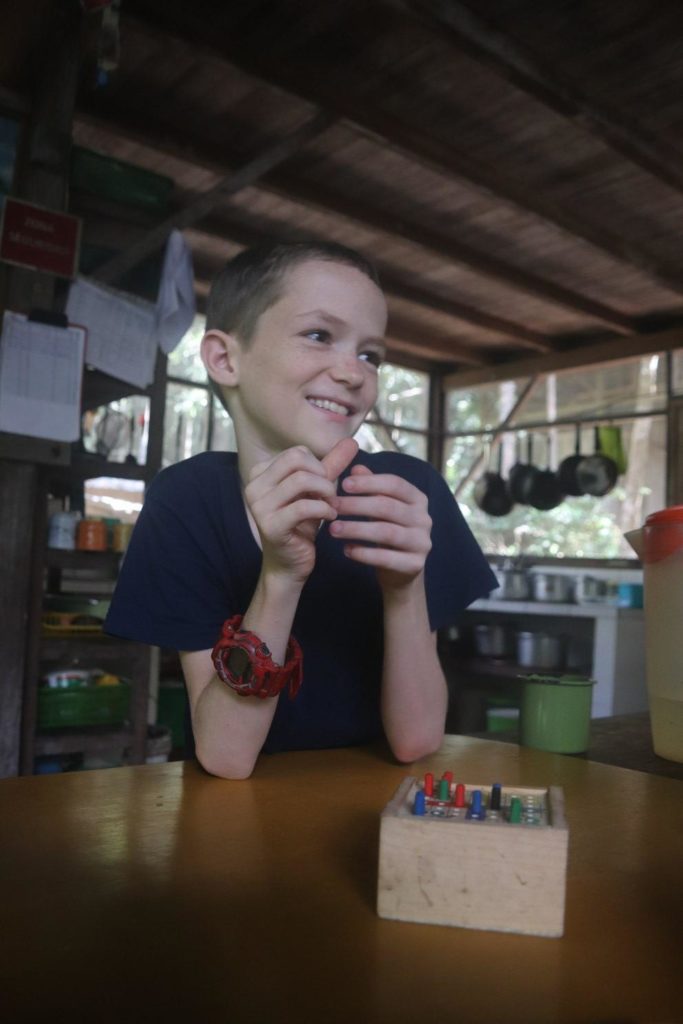
Marlon (10) is the son of Douwe and Olivia and was born at Esperanza Verde, so he lived in Peru his whole life. Growing up in the jungle, he got to know the surroundings of EV very well and he also learned a lot about the plants, fruits and animals of this region. Therefore, the volunteers are very happy if Marlon comes with them on leaf walks, since there will always be some fruits found to eat, new paths to discover or new fun facts to learn. Marlon is also always happy to lend a hand if volunteers need help catching fish, finding tortoise-leaves or if they are looking for a game-buddy on their day off.
Here comes the rest his interview:
What do you like about the jungle?
The trees and the animals.
What is your favorite animal/species?
Dogs.
What is the most annoying/difficult thing about living here?
There are no friends nearby. I can’t just go to the neighborhood kids and play.
What is your favorite thing to do in your free time?
Watch movies, play games on Nintendo/phone. But if someone wants to fish, I like to do that.
What do you do first when you go to the Netherlands?
If there is snow, I would play with it. I also like swimming or playing pinball at my grandparents house.
Do you like it not going to school for a year because of Corona?
No, at school there are friends and I have a break.
What would you do with 5000 soles?
I would buy an indestructible drone with a camera.
What is the best present you ever got for your birthday?
A triple drone (boat, car and drone in one).
What is your favorite meal?
Pasta white sauce a la Manish (a luxurious hotel in Pucallpa).
We find ourselves in a unique situation at EV with a very stable crew: the whole team has been here for at least 3 months now! We would like to introduce you to this ‘Corona Crew’, today in the spotlight: Kayla!
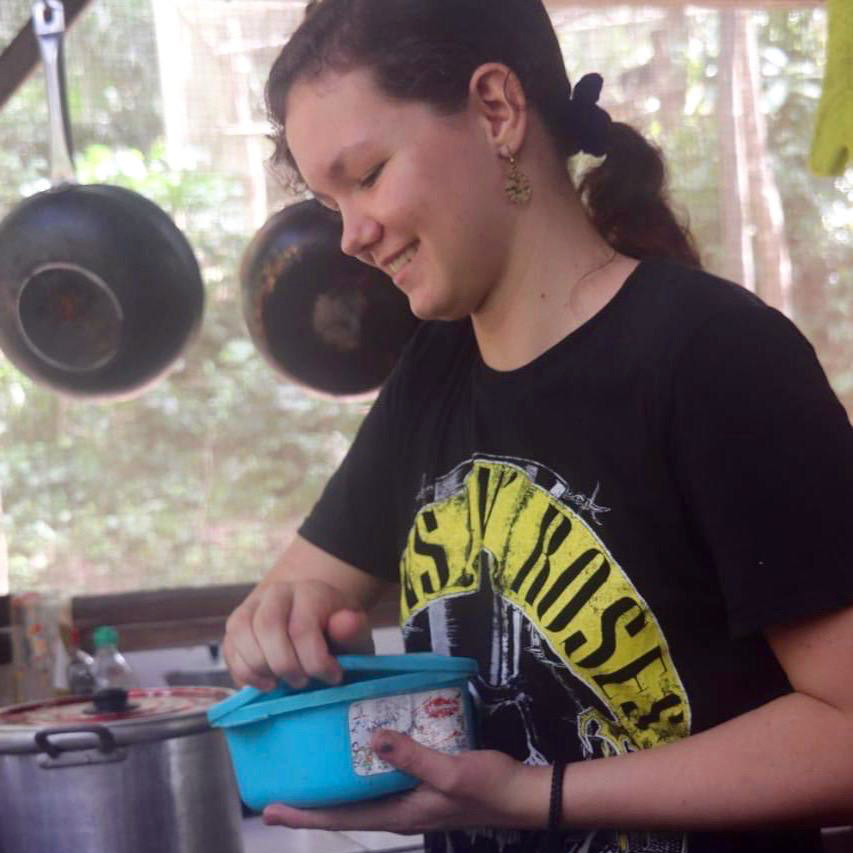
Kayla (15) is the daughter of Douwe and Olivia. She was born in Ecuador and moved with her parents to Peru when she was 5 years old. Last year Kayla lived in Pucallpa to go to school there, but due to Corona this year she moved back to EV. This is unlucky for her but the volunteers are very pleased with this situation: Kayla is an excellent cook and she provides us with the best lunch meals every weekday now!
Here comes the rest her interview:
What do you like about the jungle?
I suppose it is the simplicity but at the same time the complicated way of life itself in the jungle. The way everything inside the jungle has a role to play. Yet it’s still as simple as instinct (I hope you understand what I mean).
What is your favorite animal/species?
Capuchins because they are incredibly smart and just a tad evil, plus they have very complicated characters and never forget someone that treats them well. But also squirrel monkeys because they are amazing, small, beautiful and very loyal, fierce and brave.
What did you learn by growing up in the jungle?
Lots of things: empathy, love for anything and everything. You learn to be strong in many aspects. But I guess one of the most important ones is learning to appreciate the simple things and make do with what you got (although that is more something you learn by living in the village).
Can you give an example of a Dutch personality trait you developed because you were raised by Dutch parents?
Not really, it is so mixed that I couldn’t tell where I got certain traits from. I may have developed an open mind.
What do you like about living in Peru compared to the Netherlands?
Everything! I love the heat, the warm culture, and the traditions that are full of love, the kindness of the people, the simple way of life, the way we just take everything as it comes in Peru and worry about it when we get there. I don’t like the cold culture in the Netherlands that much. The fact that people care more about just going through the days and don’t stop at the simple things anymore. I also don’t like the way that everyone just cares about themselves in the trains or in the streets.
What would make EV nicer in your opinion?
Hard question… I think, a better separation between the enclosures and the buildings, better quality and setup inside the volunteer house (in an architectural kind of way) and maybe some more contact with the local culture (up until a certain point).
What is your favorite thing to do in your free time?
Definitely read and cook. If a book is really good, you’ll see me walking around with it for a while.
What do you do first when you go to the Netherlands?
Eat sausages, pickles and whipped cream. I know what you are thinking, and no, I do not eat them together. Oh, and I immediately miss the heat of Peru and properly cooked rice.
Do you see yourself living in Peru in the coming years?
No.
What would you do with 5000 soles?
I would find a way to finance studies for my friends (don’t ask me how because I have absolutely no idea how to do that with only 5000 soles).
If you would have your own restaurant, what would definitely be on the menu?
Anticuchos (chicken or meat on sticks, chicken stomach, feet, liver, or heart), ceviche, arroz a la cubana, aji de gallina and cachangas.
Another fantastic month at Esperanza Verde and it is hard to believe half of the year is behind us already. Covid-19 cases continue to escalate within Peru and although country wide restrictions are being eased slightly EV maintains strict policies ensuring the health and wellbeing of all in their care, be it animals, volunteers and staff.
Samara and Armando hug
Animals
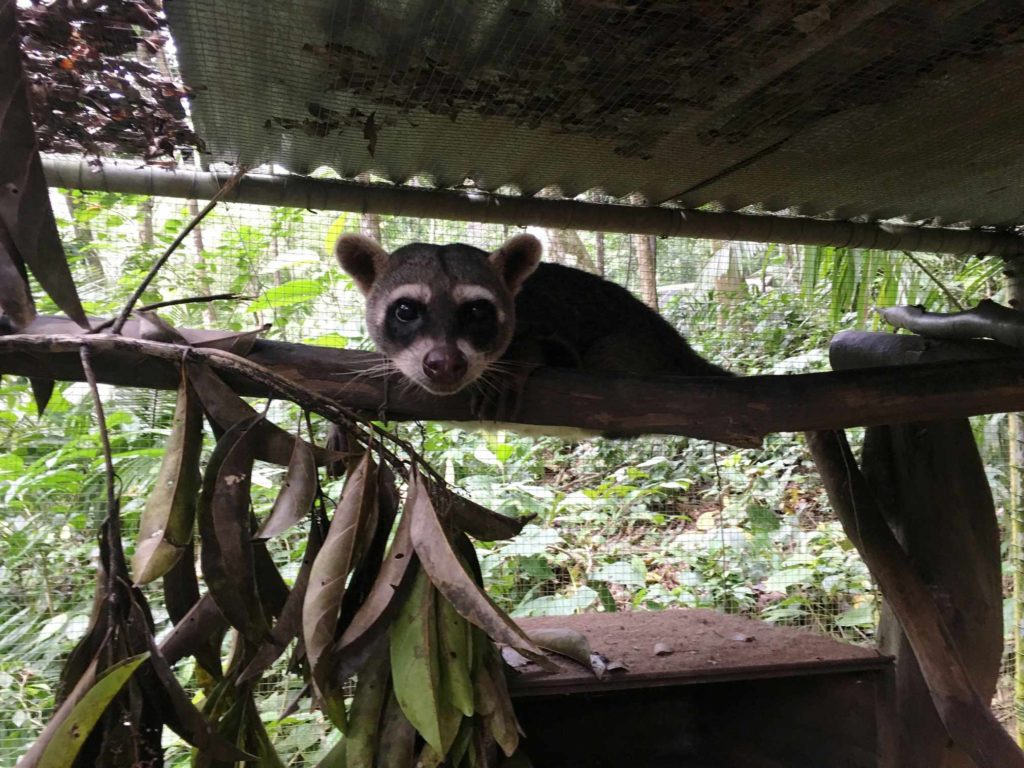
Rumani (male adult raccoon) before release
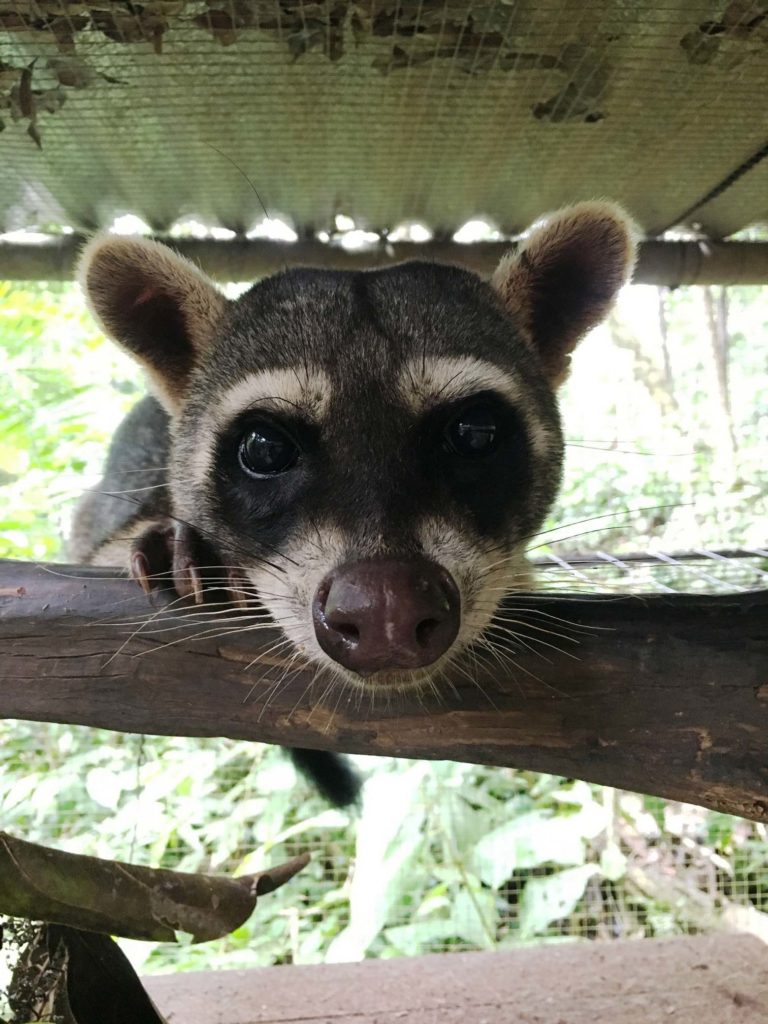
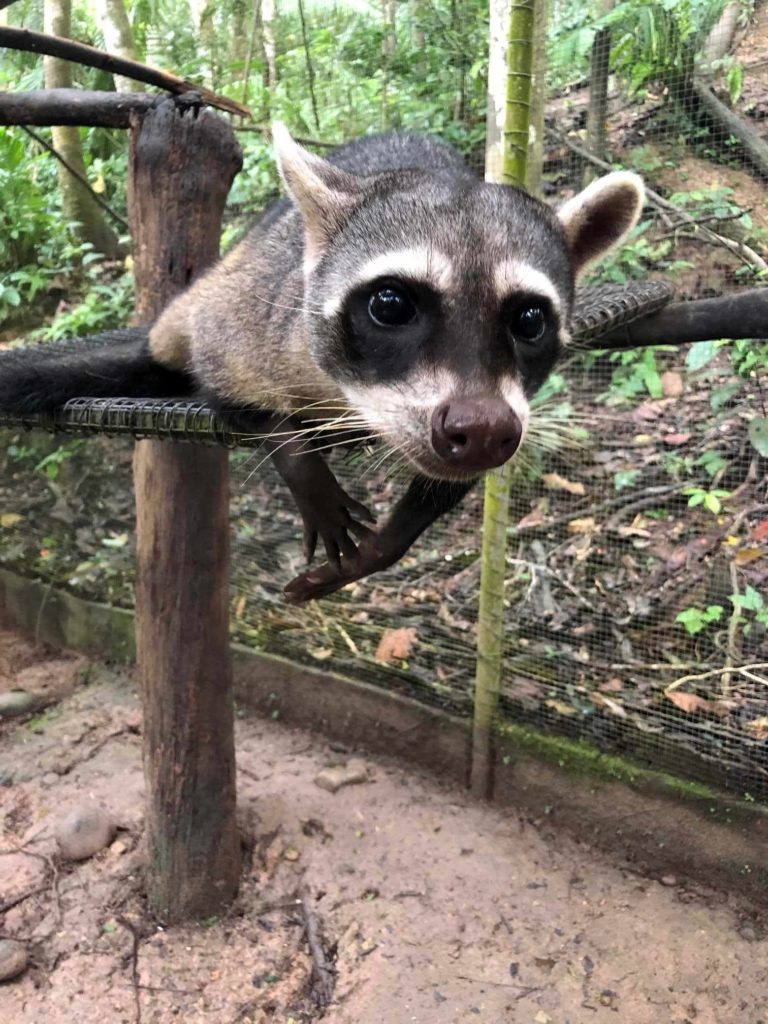
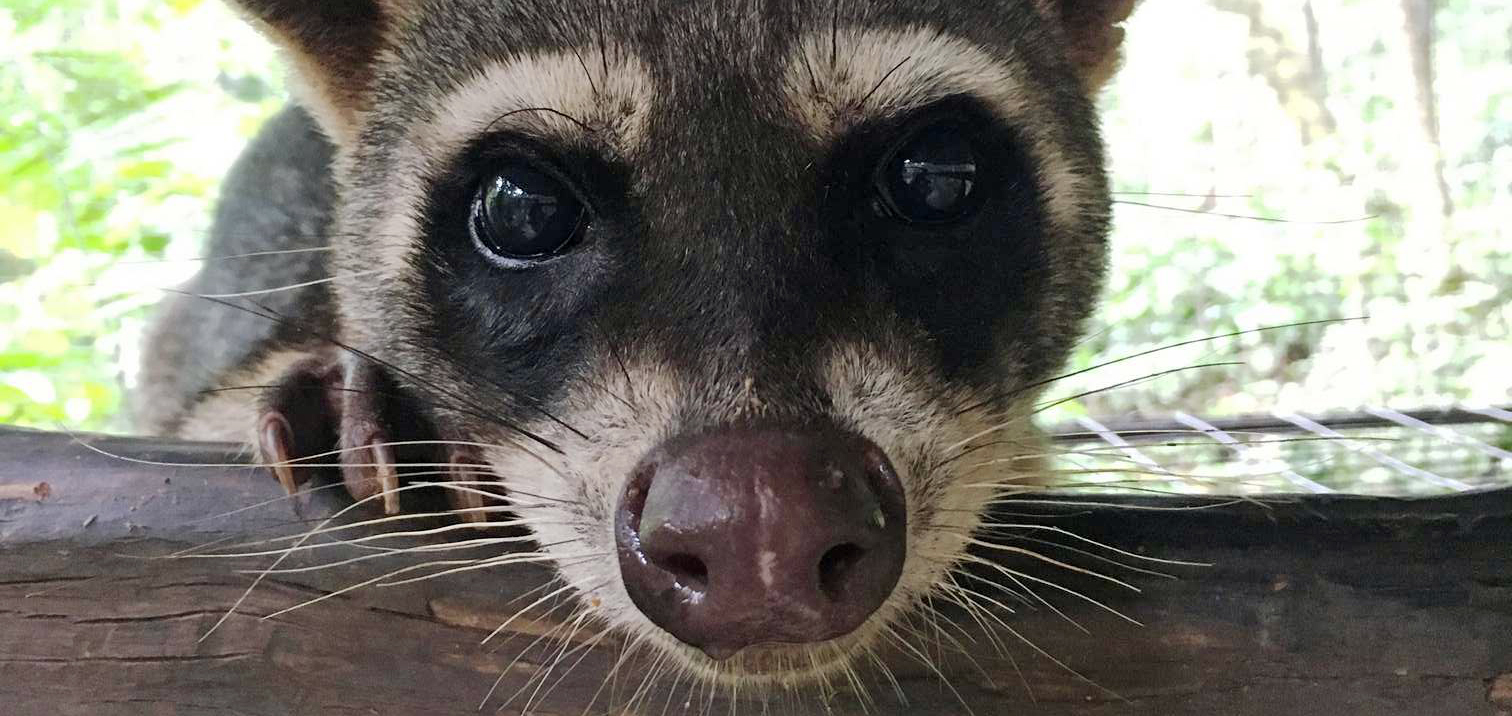
Rumani, the male crab eating raccoon, recovered well from a leg injury in the Pepe enclosure, and could be released again. He is able to climb and walk very well and we are happy to see him exploring in the outside world again. He has been seen since occasionally coming to feed on the food placed out for him at night by volunteers.
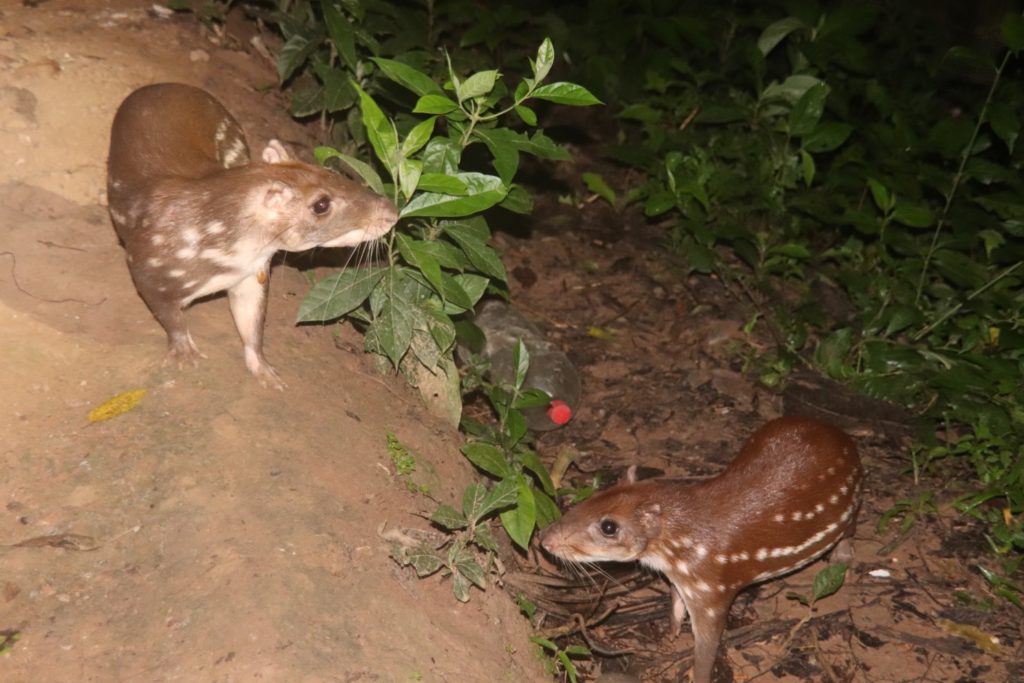
Kapa (female Paca) was also released this month, after she fully recovered from her little scrap with the outside world. Kapa really seems to embrace her freedom and is often not seen for days at a time. When she arrives, she can generally expect someone to run to the bodega to get her some food.
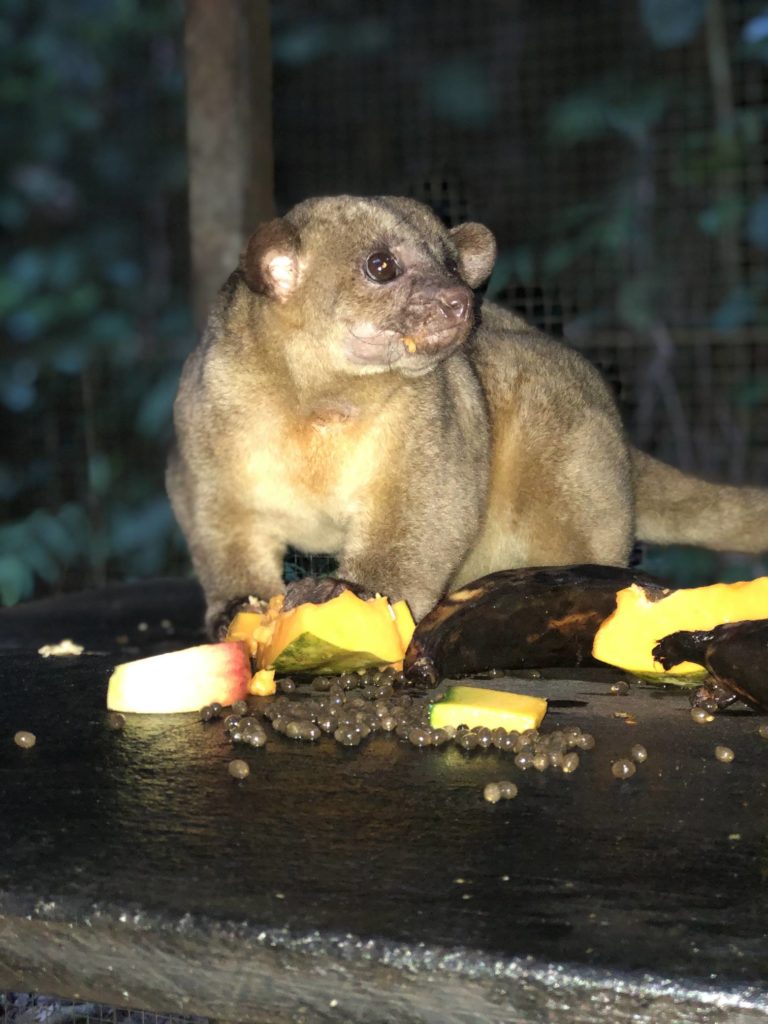
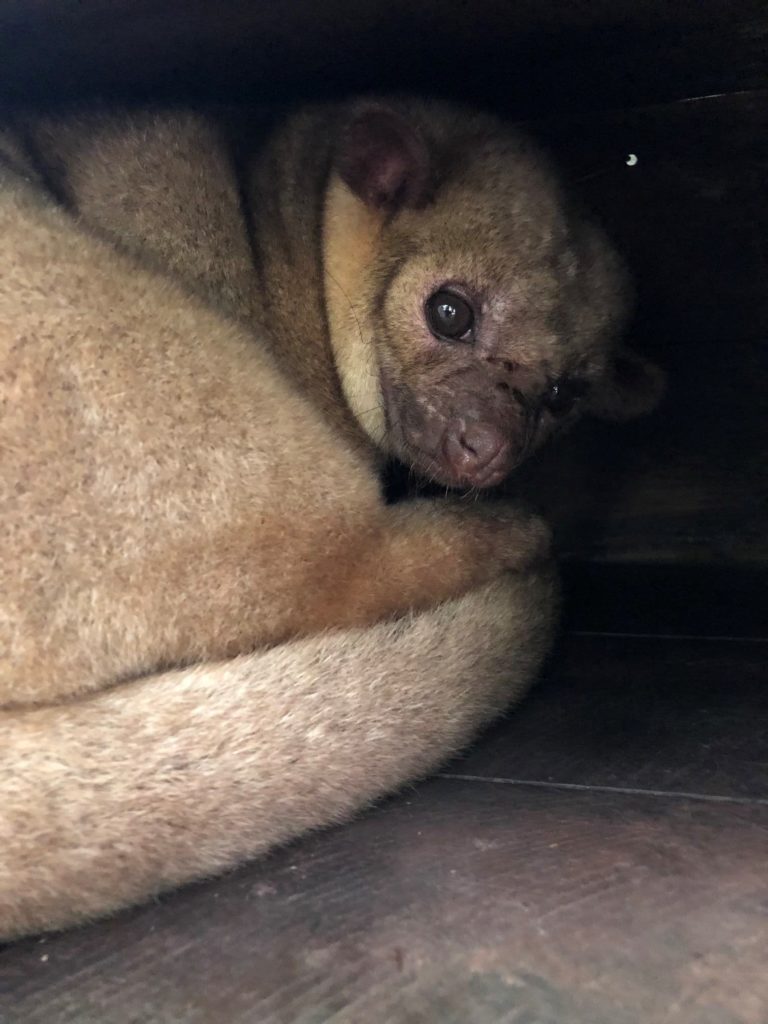
Kiko (adult male kinkajou) after attack
Freedom is not always appreciated. A point proven by Kiko (male kinkajou) who after being allowed out earlier this month, far prefers the comfort and service provided within his enclosure. And when he finally decided to go out to explore the outside world again, within days he had an encounter with a wild male. Luckily, he got away with only some scratches and we believe it will all settle soon outside again between them as it has before.
Kassai growing steadilyKassai (young tamandua)
Kassai, the young male tamandua, was very young when he came to us several months ago. He is doing very well under the intensive care at the family house. He is getting a little more independent and is exploring the outside world bit by bit so Douwe has started to build a small outside cage for him. Not only will this be another step for Kassai in his process of rehabilitation, it will also be nice to get his strong odour out of the house. Again it proves a wild animal should never be held as a pet!!
Lupa and Alaya
A beautiful relationship had been growing between Lupa, one of our female woollies, and Alaya, our young and wildish red howler monkey. Lately Alaya chose to stay with Lupa during the night instead of sleeping inside with the howler boys. Unfortunately while following Lupa, she came too close to one of our peccaries. Even a warning bite of a peccary can prove to do enough damage and we had to put Alaya to sleep. We are working hard to find the perfect solution to avoid the monkeys from coming too close to the peccaries.
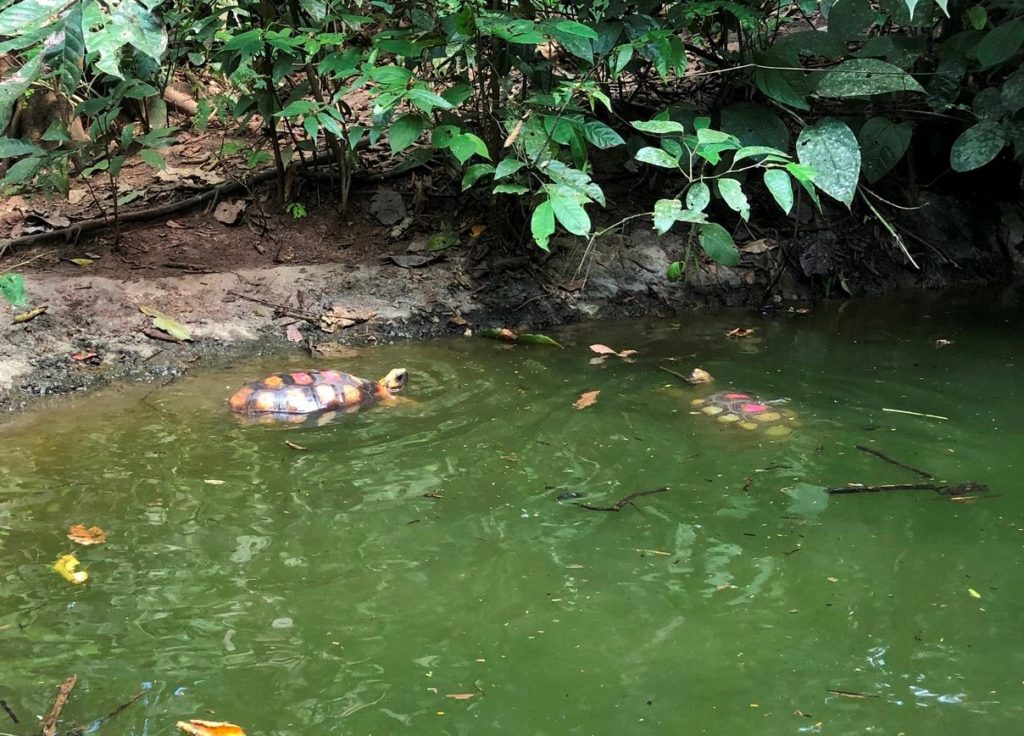
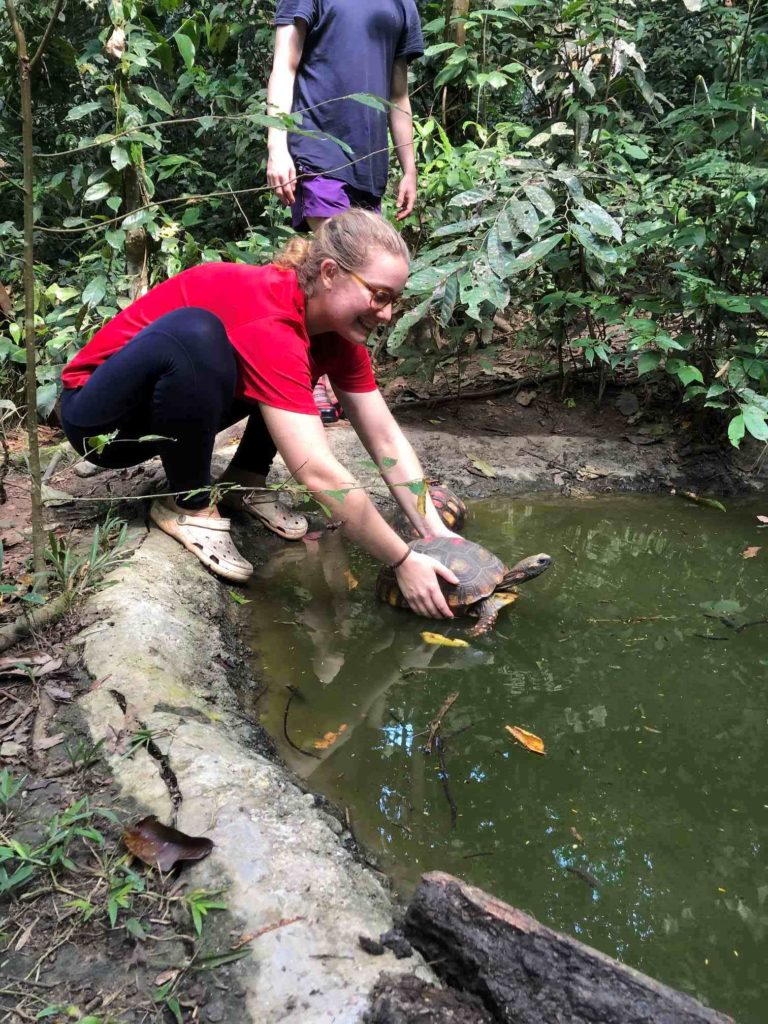
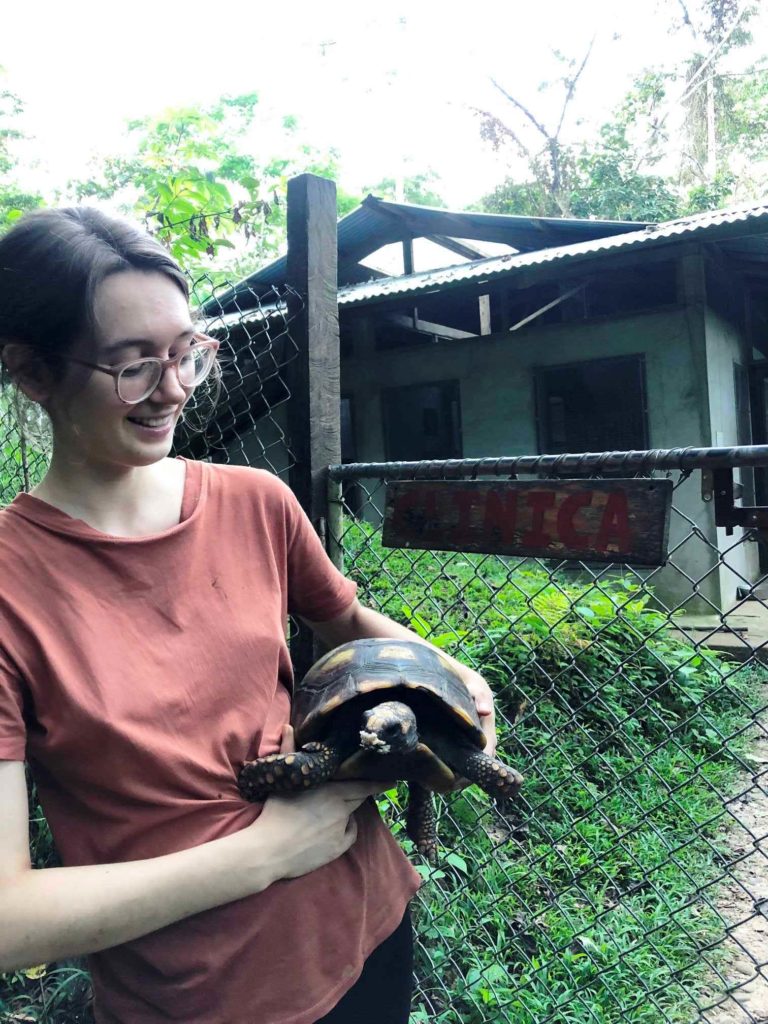
June was a busy month for the yellow footed tortoises. They were all being located, measured, photographed and treated for parasites. This is always a volunteer favourite as being able to interact with the animals on any level is always a highlight. The three recent arrivals which had been still quarantined were now ready to join the rest, but not before they were given swimming trials to ensure they all had the ability to exit the pond unassisted. All three completed successfully and now reside with the other 17 tortoises in the Reptile enclosure.
Momo (tortoise) found back, health check in clinic
Momo (yellow footed tortoise), who escaped a few months ago after rain had created an outlet within Rincay enclosure, was found again just outside his old enclosure. After weighing and treating he was returned to Rincay enclosure. The fear of leaving him outside is that a nearly ten kilogram tortoise which is not afraid of humans is a welcome addition to many tables within rural Peru.
SUST Animal Orphan Hospital
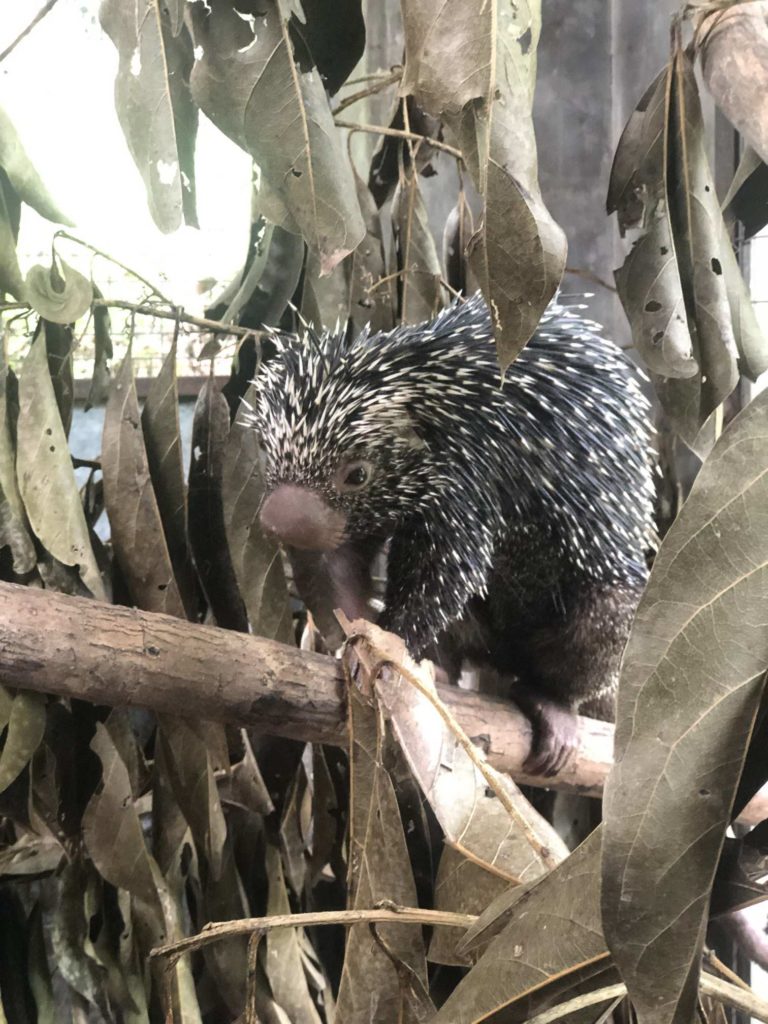
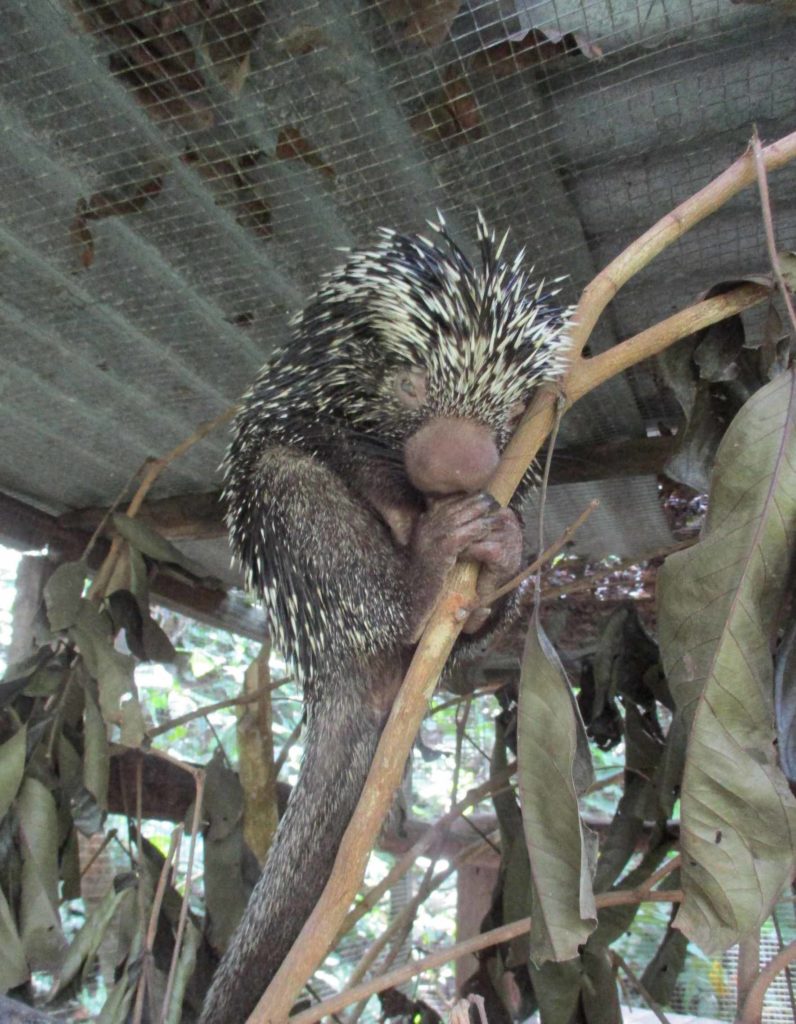
Casha (female porcupine in Arana)
Casha (female porcupine) has been moved to the outside enclosure Araña. She will remain for a few more weeks to ensure all is well with her health. Finally after a long period of intensive care she has gained weight, which is always a good sign in wild animals following treatment.
New arrivals
Lumisha (young female woolly)
One day Douwe returned from the village with Lumisha (Humbolts female woolly monkey). She was a pet for two months with a family, which originally were planning to eat her. When she was caught she broke her wrist and had damage from a bullet in one of her legs. These injuries healed, and don’t seem to bother her that much. Lumisha is approximately 12 months old and has not had a lot of contact with humans. After her quarantine period in the SUSTOAH and a short stay in an outside enclosure, Lumisha will be a welcome addition to the outside monkeys roaming freely around EV. She already gets a lot of attention from the outside females Chiquita and Samara.
Pisco (young male agouti) after 3 weeks in the clinic
Another animal we got from the village was a young agouti male thought to be less than one month old. Pisco had lived with one of the local families for nearly two of those weeks and was not in great shape on his arrival, only being able to use one side of his body. After a few weeks of special care within the family house, Pisco moved to the SUSTOAH where he now has full motor function and is gaining weight and confidence as expected.
Baby otter Anishka
The honour of being the first animal delivered from the ministry since lockdown went to Anishka (Neotropical river otter).With an age of approximately 6 weeks she is the latest animal that joined the ever expanding family of animals at EV, and another animal enjoying the one on one attention of living within the family house. With such a young otter still finding its feet and learning the nuances of survival, having the close supervision of Olivia, Douwe and family is just another important step on the road to independence.
Construction and other
Quarantaine construction finishedQuarantaine almost ready for use
Quarantine is close to be completed, requiring a few minor touches before being signed off as another successful EV construction project. Painting will be completed once travel becomes available for shopping, after Covid lockdown.
Construction volohouse
The additional toilet being added to the volunteer house has come ahead in leaps and bounds with new drainage, a new cement access way and a new floor laid. The next step will be to enclose the area, but this will wait until timber is available post lockdown.
After many days of erecting poles and tying wire in the beautiful hot sun by workers and volunteers alike, Lucia enclosure nears completion with the only requirements being a cement floor in the front cage and a cement footing to ensure enclosure security.
Volunteers
June saw two more volunteers leave Esperanza Verde. Thanks to the help of several embassies and Lauren in the UK, we could help secure travel arrangements and ensure safety on their trips. Due to the current travel restrictions all volunteers currently onsite are long term volunteers and any ‘loss’ is felt in so many ways by the team that remains. We wish both Zack and Emile well on the closure of this adventure and the beginning of their latest undertakings. Volunteer numbers now reside at six, and with assistance from both Douwe and Olivia, all processes and feeding continue as normal.
San Juan at the waterfall
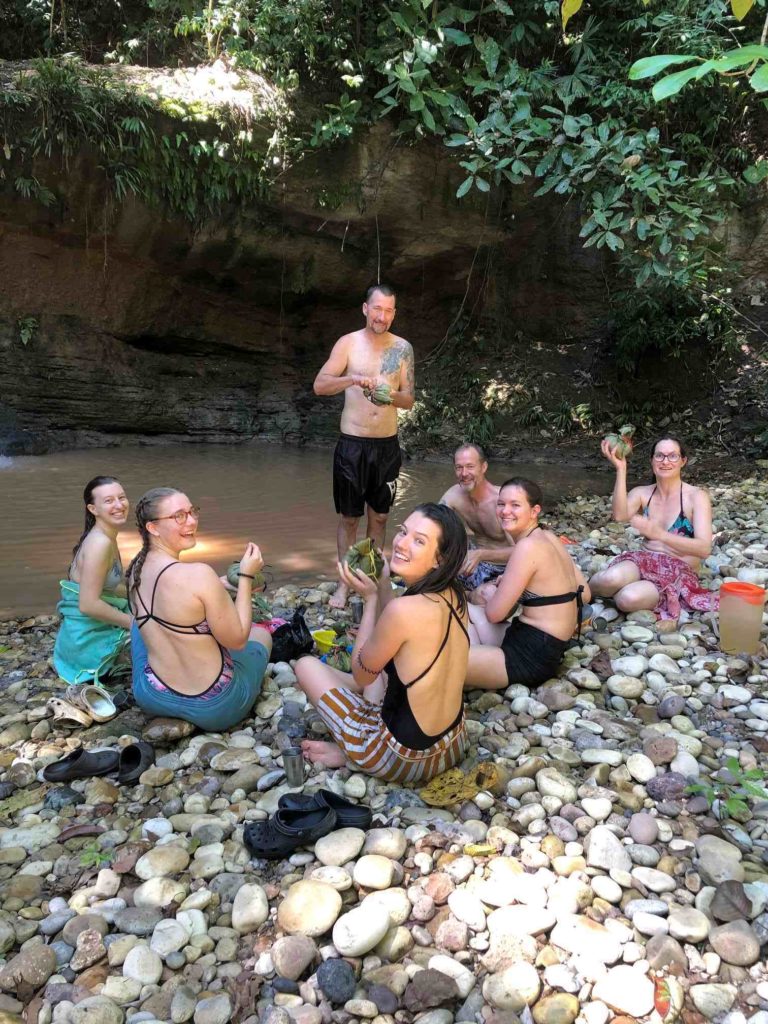
San Juan, a local celebration of a saint took place this month, all of the volunteers were treated to an event down at the EV waterfall, where lunch was supplied and is representative of the head of the saint. A great time was had by all, and the perfect weather and company made for a very pleasant atmosphere.
We find ourselves in a unique situation at EV with a very stable crew: the whole team has been here for at least 3 months now! We would like to introduce you to this ‘Corona Crew’, next up: Olivia!
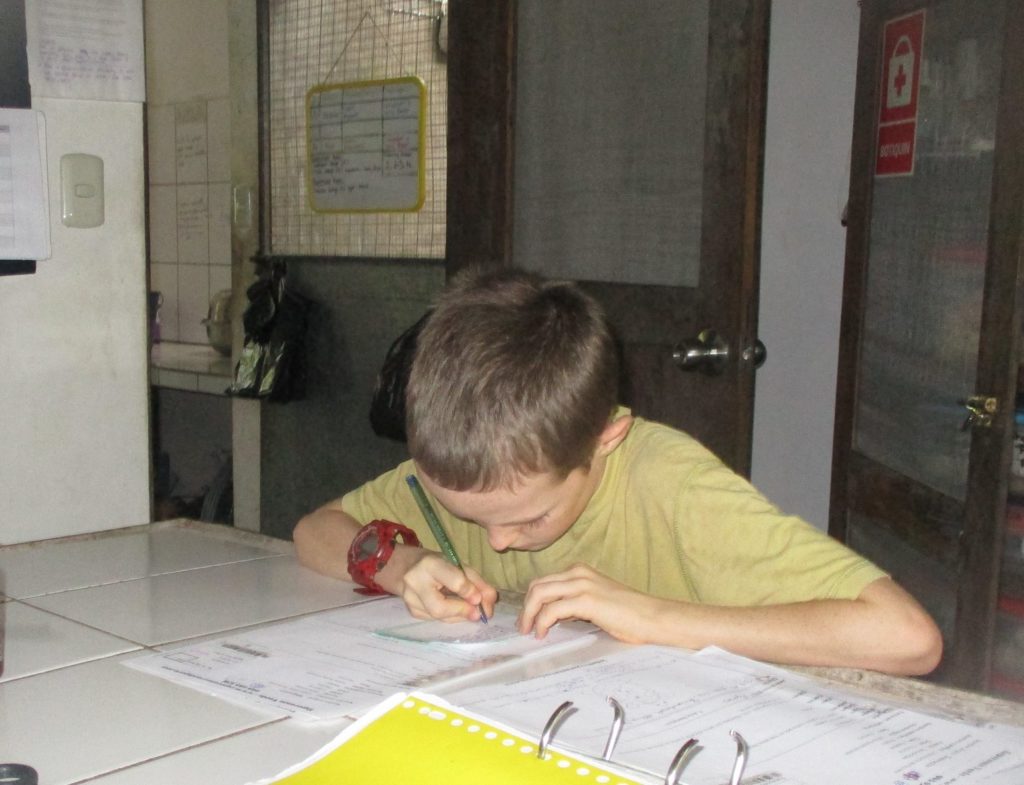
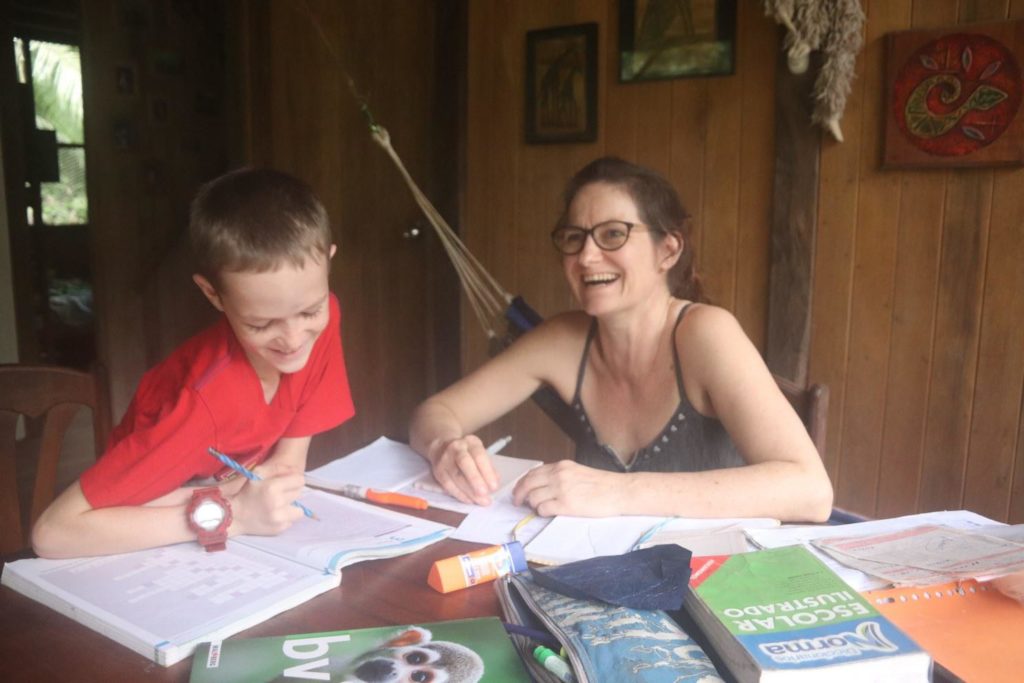
Olivia founded Esperanza Verde 10 years ago with Douwe, and is still the passionate director of this place. Everybody who has ever been there will know that Olivia is an all-rounder and has a lot of different jobs to do at EV. In this Corona time, something can be added to this list: home schooling her son Marlon (often combined with some bookkeeping or other stuff though, as you can see in the picture).
One of the jobs Olivia always enjoys
doing, is the preparation of the interior of a cage for a new animal.
According to Olivia “It is a nice job, as it involves a bit of
knowing the species and the individual. It should generally be
grateful, and you can see the animal makes good use of what you did.”
Here comes the rest of her interview:
What do you love about EV?
I love living surrounded by animals. I love being able to do a lot of different things, and yes, I also like to clean cages- maybe not every day, although this is often the case (with baby animals in care at home). The variation is one of the most beautiful things of living here, it basically never gets boring.
What would have happened if you would have left for Africa instead of South America 10 years ago?
Well, Africa would never have been a choice for me, but let’s say…. Australia, as that was in my head at the time. I might have ended up working with kangaroos or koalas. I always believe that, if you work intensively with a species, they all grow special. This is one of the reasons why I have a hard time answering the question; which animal do I like most?
What didn’t you expect before starting EV?
In many ways I think I did expect what we have done so far- sounds maybe weird, but well, I am a bit of a control freak.
What are you most proud of?
Of course, I am very proud of our achievements in how we have been able to rescue so many animals. But most proud I am of the support group that we have behind us and EV. This is something we achieved in these years that is really amazing. EV is not only us and the volunteers, but a huge network of ex-volunteers, friends, family, and many professionals from different countries.
What is your favorite job/activity?
A difficult one, as there are many. One of the things I always enjoy doing is the interior of a cage, preparing it for a specific animal, like the sleeping box, branches and some enrichment. It is a nice job, as it involves a bit of knowing the species, the individual, observing it and you can see how grateful it is, as you can see the animal makes good use of what you did.
Would you like to have a month where you would just do the work volunteers do?
Yes. I had to think a bit, as maybe a month would be long, but if I add up what I do over the year, I think I easily come to way more than a month in doing the same work as volunteers. But I never do it everyday for a month, it is always in between, and that can be very hectic. So yes I would want to do it for a month, and then really only as a volunteer- but is that really possible still?
What is the most difficult thing about living here?
That everything gets fungus or cockroaches get to it! But maybe on a personal level, it gets lonely sometimes. The loneliness is sometimes hard, missing people that really know me and being able to meet them and talk about something not animal/work related. Don’t get me wrong, I do love to talk about animals, but I need a change every now and then.
If you could go back in time, would EV look very different?
Not much, but there is sometimes stuff that, retrospectively, we could have done differently like building the volunteer house a bit higher, so we don’t risk the river flooding it.
What will EV look like in 10 years?
Probably a bit bigger, and hopefully with a lot more surrounding land that we are protecting.
What would you do with 5000 soles (not to be spent EV related)?
When we can leave all together, use it for a holiday with the family.
What do you like to do on the weekend?
Sleep, read, watch a movie, make some pizza or bread (or something different).
Which memory at EV makes you laugh/happy?
There are many small moments, often to do with animals we raised and released and seeing them back after some time doing well. One animal that comes to my mind is Tupak, the white throated toucan we raised and released. We thought he went missing, most likely killed, but then he showed up after several weeks, and he did not even want me to come close…. Animals often surprise you, which is a good thing. More than once I have thought that an animal might not have made it….and then I was luckily proven wrong.
What animal is Douwe most like?
Not easy, after some thinking, I think a beaver is the one. Always building something.
What is the most recent thing you have learned?
That agoutis are very determined animals.
How did Corona influence this place in your eyes?
In general- so far not so much, as work just goes on as usual, as we are fairly isolated. However, it influences the group of volunteers a lot, as it is not changing, nobody leaving, no new ones coming. It has become a very tight group and it is beautiful to see how they deal with being so isolated, as contact with the outside world (family and friends) had to be restricted to a minimum.
We find ourselves in a unique situation at EV with a very stable crew: the whole team has been here for at least 3 months now! We would like to introduce you to this ‘Corona Crew’, next up: Douwe!
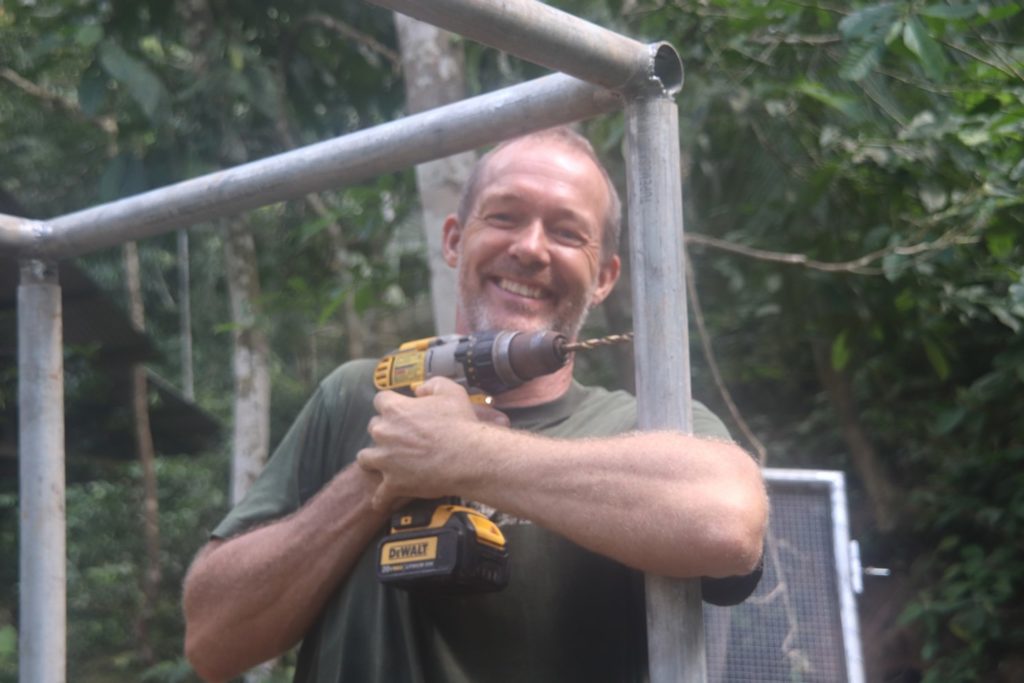
Douwe came to the Peruvian jungle 10 years ago to start Esperanza Verde together with Olivia. Today he still is a proud director of EV and is involved in every project. What is he most proud of? “The animals we have been able to return to the wild.”
Douwe is a real handyman and, at least it looks like this for the volunteers, is able to fix everything. However, on the question ‘What is the most recent thing you have learned?’, Douwe answered: “Doing an interview is not as easy as it sounds.” Still, Douwe managed to answer all his questions :
What do you love about EV?
That it is in the middle of the jungle, with a lot of animals.
What would have happened if you would have left for Africa instead of South America 10 years ago?
I would not have left for Africa, as I was already there.
What didn’t you expect before starting EV?
I hoped it would be like it is now.
What are you most proud of?
The animals that we have been able to return to the wild.
What is your favorite job/activity?
Handling the animals, but of course only when there is sufficient cause for it.
Would you like to have a month where you would just do the work volunteers do?
No, been there, done that.
What is the most difficult thing about living here?
People, in my opinion, communication is so much more difficult than with animals.
If you could go back in time, would EV look very different?
No, but if I could go back and would have had 1 million dollars it might look different. I think I would have chosen a different spot, more suitable for state of the art construction and infrastructure.
What will EV look like in 10 years?
More or less the same, but probably a bit bigger.
What would you do with 5000 soles (not to be spent EV related)?
Buy some nice tools (no this is not EV related!).
What do you like to do on the weekend?
Relax, be more in the forest.
Which memory at EV makes you laugh/happy?
Mica (adult female capuchin monkey), finding Marlons water paint colors at the construction site while I was babysitting him. Colors everywhere….
What animal is Olivia most like?
A bee, always `buzzing` around everywhere
What is the most recent thing you have learned?
Doing an interview is not as easy as it sounds. But I continuously learn things….
How did Corona influence this place in your eyes?
The Management changed a lot. Daily life generally stays the same. The organizing of food and material- the administration got a lot more complicated.
The current situation has affected life on the whole planet and has changed the way we live. The lockdown is strictly enforced in Peru. Our priority is the health and safety of our volunteers and employees, who are essential for the daily care of the animals on site. We are in close contact with the different embassies and we were able to support around half of the volunteers in their return home.
At Esperanza Verde, this means reduced support. With forward-thinking, planning and the generous help of the current volunteers, we can ensure that our animals are well cared for. We are well prepared in terms of expertise for such a situation but need financial support to keep our work going. Volunteers play a crucial role not only in caring for the animals, but also for covering parts of the animal food with their fees. Right now planning to join us in the rainforest is not an option for prospective volunteers. Losing this crucial support makes international help more important than ever before.
COVID-19 measures continue worldwide and with numbers in Peru still on the rise, life at EV is far from returning to normal. We are keeping our spirit up even if food may have been sporadic or unavailable at times. With a great team and good food management, as well as taking advantage of the natural environment around us, animals, volunteers and workers are well feed.
At the end of the month volunteer were allowed to visit the village with limitations again, with many taking advantage of the internet connection and talking with relatives and friends at home. Communications had been limited to the occasional text for the last two months, with volunteers not allowed in the village and the opportunity to communicate was appreciated by all.
It is amusing to know that although we have nearly 180 hectares to “play” in, with very few limitations in place, sometimes we still crave contact with the outside world and that touch (smidgeon, hint, dash) of modern living in Bello Horizonte across the river.
A special thanks needs to go out to Douwe, Olivia and family as during this difficult time they are doing their utmost to ensure all volunteers and staff get everything they need. They made it possible to be it contact with home, get information from the outside world, or bring back an unexpected treat with the shopping. We are all so very fortunate they are so dedicated to their dream and the people participating in it.
Monkeys
Alaya, Kaira and Armando
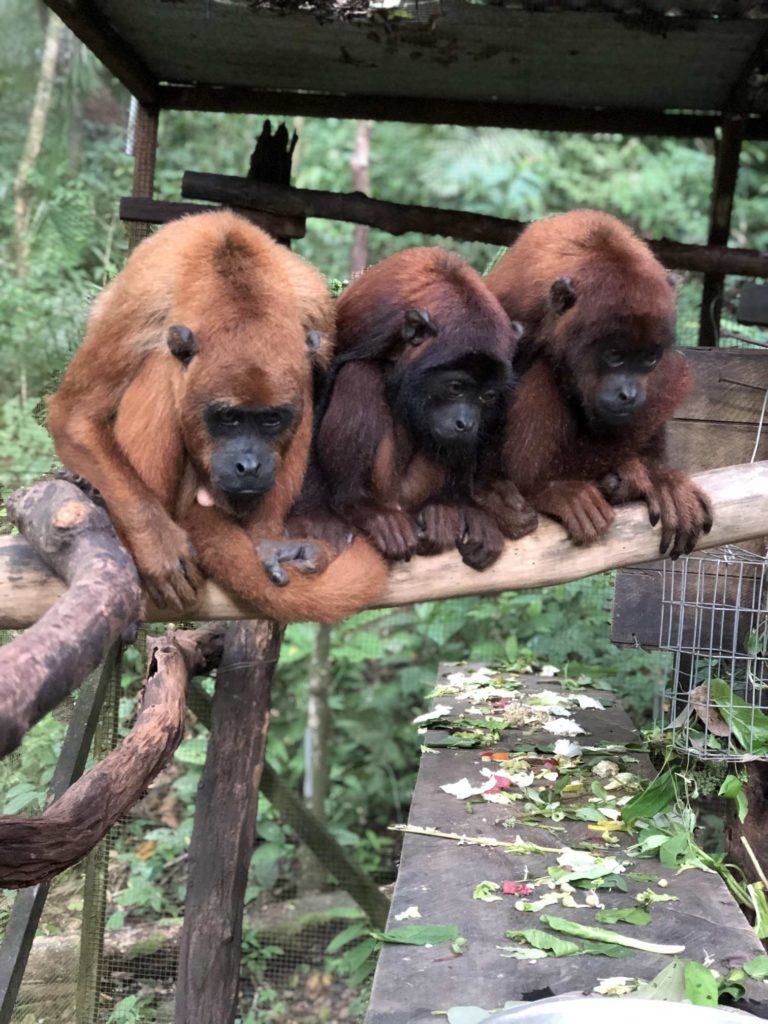
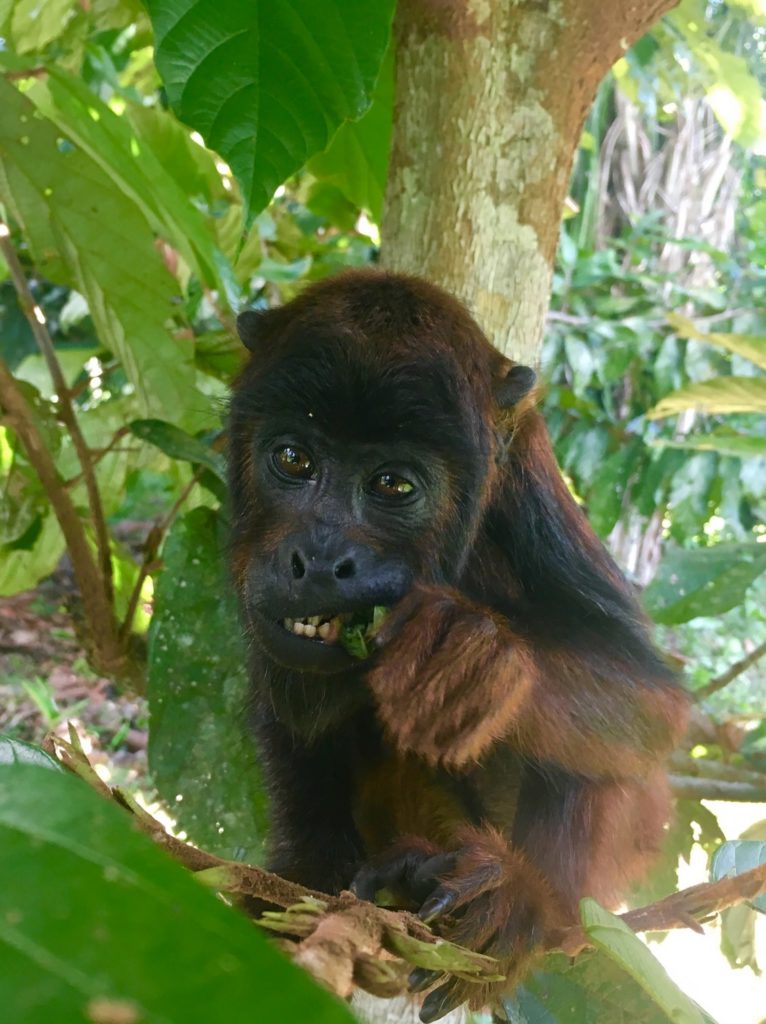
Howler monkeys and their condition are being monitored very closely while young. This includes regular weight checks and stool sampling, beside the clear focus on the right food. These close checks paid off in May as both Kaira (female Jurua red howler monkey) and Armando (male Jurua red howler monkey) got lose stool and lost weight. We directly reacted with extra care and daily monitoring. They were taken on leaf walks to the plantation and extra time was spent encouraging them to eat leaves, an action we successfully used for other howler monkeys before, when they arrived at a young age. Both monkeys successfully gained weight after just a few weeks of this extra care.
Ramon, Alaya, Kaira
The monkeys which roam freely through the centre enjoy their freedom by playing and exploring. The wild comes with its own risks, which Kaira did not know when entering the peccary enclosure. She was badly injured by the peccaries. After a thorough examination the tough decision was made to euthanize Kaira, as the extensive wounds were just too much for her body to bear. Losing any animal is a tough emotional journey, especially as the whole team got to know her personality over the previous weeks. The remaining four Howler monkeys are in good health with extra awareness still given to Armando and now as well Alaya (female jurua red howler monkey) who in a short time had befriended Kaira and was often in her company.
Tonka
Ezra (young female Spixs white fronted capuchin) is one of the monkeys that has had a lot of contact with humans. Even if she is adapting very well to the outside, she still spends a lot of time around the volunteer kitchen and other buildings. This said, it is great to see her confidence and interaction with other monkeys increasing on a daily basis.
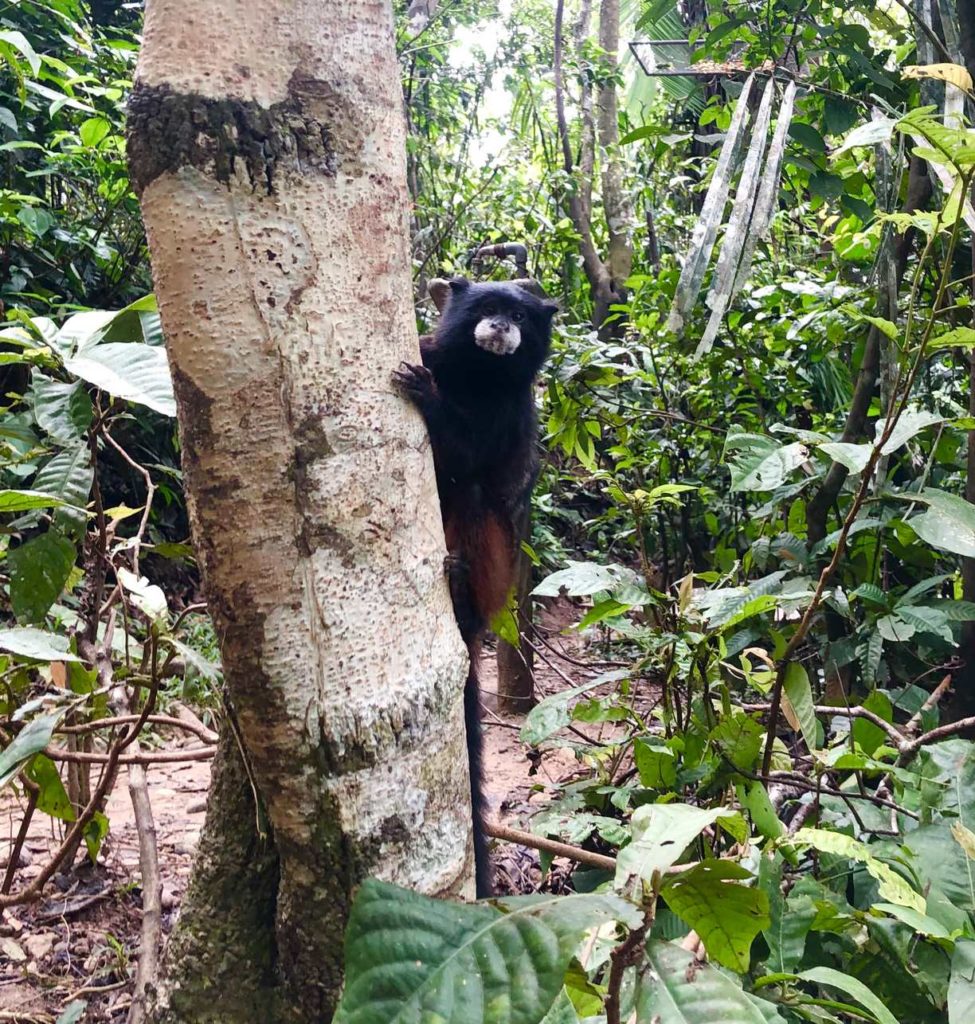
Daytona (young female large headed capuchin monkey) and Tonka (male Andean saddleback Tamarin) are enjoying their newfound freedom. At the end of the day all three monkeys are still eager to return to the security within Lulu enclosure.
ArmandoKira
Other Animals
Kiko
Soft-releasing animals is a very important part of EV. Chosko (male kinkajou) who moved into Tupak enclosure in the latter parts of last month was given the all clear, and a specially installed hatch was left open giving Chosko the option to come and go as he pleased, while still having the benefit of a meal provided each night. Chosko was seen often for the first week, returning for sleep in the mornings. He has since vacated the premises and it appeared opportunistic opossums were helping themselves to his evening meal. There has been a lot of noise recently from Kiko and Kila (male and female kinkajou) close to the family house. It is unknown if Chosko was visiting or if it is merely coincidence. Kiko remains in Tiliku enclosure for the month, awaiting his wounded tail to heal completely before letting him run rampart in the outside world again.
Mojita and Margarita (female agoutis) spent the last month coming and going from Rincay enclosure. As Mojita showed very little fear nor awareness of other animals and humans the decision was made to let her join the other agouti in Pepito enclosure. It is never an easy decision to enclose an animal again, but the possibility of her getting injured or worse was too high. Mojita has settled in well with the other agoutis (males Doquino and Jope and female Daikiri) and is sighted every day coming down at feeding time. Margarita still enjoys the freedom of EV and can be seen a few times each week meandering between the bodega and the family house.
Kapa meeting Sakura outside
EV’s aim is to give animals a second chance in the wild if possible. This is the ultimate success story when dealing with any animal. Kapa (female Paka) was released this month and even if we thought she may befriend her neighbour Sakura (female Paka) she embraced freedom vigorously and was not seen after her initial release. A few weeks later Kapa was seen again near the volunteer kitchen with a minor injury. A volunteer was able to transfer her back into Momo enclosure for treatment. She will be set free in the next few weeks as soon as she fully recovered.
Machico, who is with us since the start of EV, was out working around the boundaries of EV, taking care of the replanted trees, returned with Katara, the razor billed curassow which left last month. Katara had lost a little weight but was in good overall health. She was again released within the yard at the family house. As she is not scared of humans and so easily caught that she would be a welcome addition to a lot of local dinner tables.
SUST Animal Orphan Hospital
Casha
Released in March, Casha (female porcupine) was found with an injured tail and a swollen face one evening. She was weighed prior to treatment and although she was very eager when food was offered, she had in fact put on weight while fending for herself which is a very positive sign. Casha remains in the SUSTAOH where her injuries are healing as expected.
RumaniRumani
Rumani (crab eating raccoon) was moved to Pepe enclosure as soon as the space became available as raccoons do not react well when living in cement enclosures. As the month has progressed, Rumani is using his damaged foot more and is gaining confidence in climbing and balancing again. It won’t be long and he will be free to come and go as he pleases.
Amazons Pichu cage
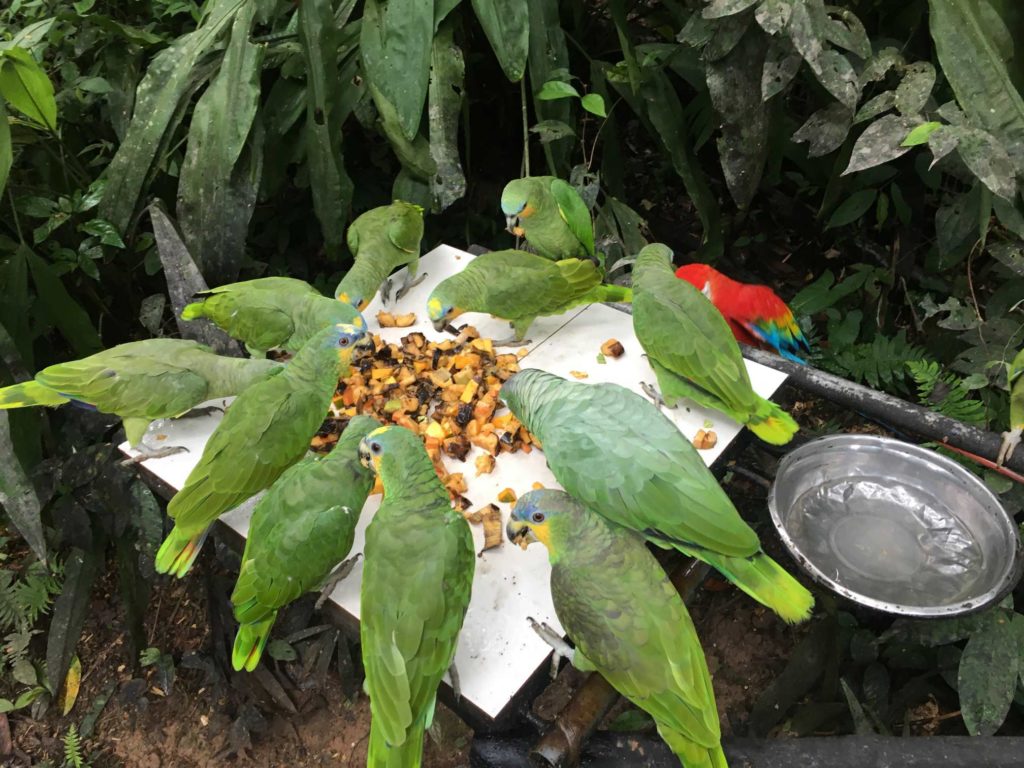
Some individuals of the current group of parakeets at the SUSTAOH came with both their wings cut to an extend which makes it impossible for them to fly. They were moved to smaller cages ensuring they were unable to injure themselves while we oversee their recovery.
New arrivals
Another month with no new arrivals, which has allowed volunteers and staff more time to focus on the existing animal health and wellbeing.
Construction and other
Construction in quarantine
Small jobs still need to be done at the Quarantine in between the general day to day necessities.
This month was also used to construct a new space for recycling. This allows any recycling to be stored out of the way and away from the monkeys prior to being sent to Curimana for disposal.
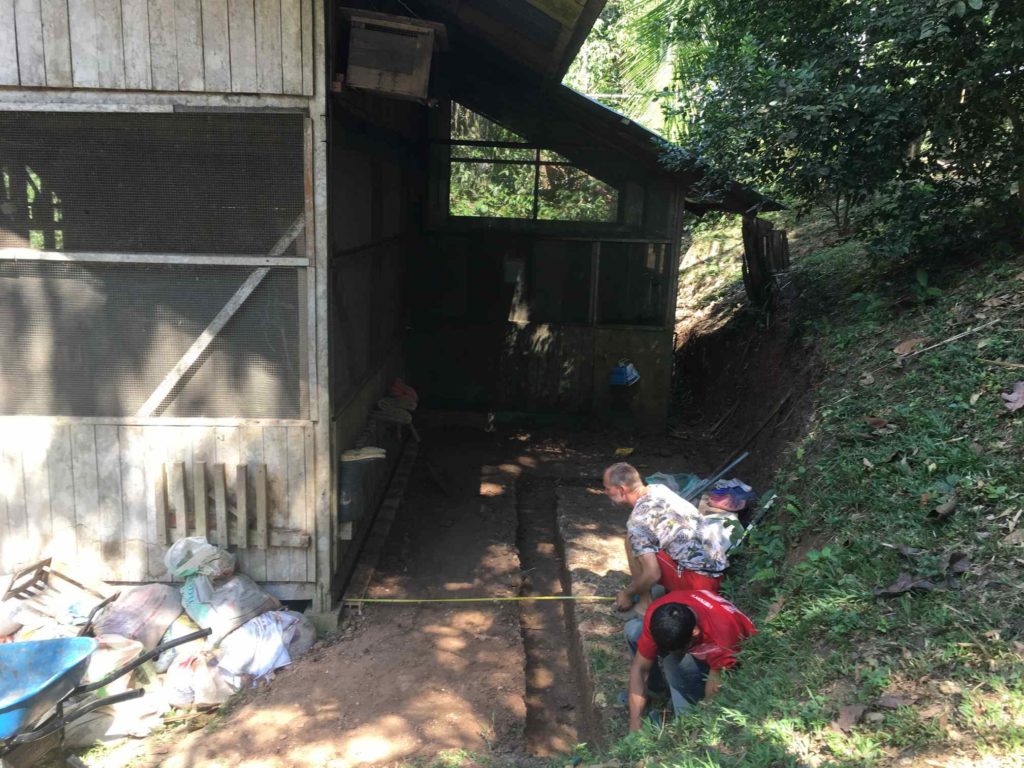
Work has started on an additional toilet for the volunteer house and anybody who has been lucky enough to experience life at Esperanza Verde will appreciate the work that goes into what at first glance seems like a simple task. But we learned to put a great deal of planning and labour into each task to ensure smooth building period. Whether it is gathering sand and stones for cement, or two days earthworks completed by Geiler on the end of a pick and shovel.
We
hope all of you find yourself well in these troubled times.
We
were all looking forward to celebrate our anniversary with you.
Unfortunately, all changed shortly after with Covid-19 putting the
whole world in an unprecedented situation. We waited some time but
finally have had to decide to postpone the anniversary of Esperanza
Verde in August.
We
can’t say yet when we will reschedule the party, as it is unsure how
the Covid-19 situation will develop and how the short- and long-term
effects on Esperanza Verde will be.
At
this moment we are good, we have a small but motivated group to take
care of all the animals, and we can still get most of our groceries.
In Peru all local and national transport is still banned till end of
June, and international flights will first be allowed by end of July
(if nothing changes of course). So, after that we will see, but we
are preparing for several months with very few volunteers and none
coming. It will be a hard time for the rest of the year at Esperanza
Verde, but so far, we think the animals are not noticing too much of
the effects Covid is having. Our international team is working hard
to get us all the financial support for the extra costs and is there
for us all the time to help us in medical consults, animals and human
wise.
We
are looking forward to celebrate our first 10 years with you as soon
as the situation allows it. If you have any questions until then
please reach out to us.
Thank you for your support !
Olivia – Director & Founder
Gérer le consentement aux cookies
Pour offrir les meilleures expériences, nous utilisons des technologies telles que les cookies pour stocker et/ou accéder aux informations des appareils. Le fait de consentir à ces technologies nous permettra de traiter des données telles que le comportement de navigation ou les ID uniques sur ce site. Le fait de ne pas consentir ou de retirer son consentement peut avoir un effet négatif sur certaines caractéristiques et fonctions.
Fonctionnel
Always active
Le stockage ou l’accès technique est strictement nécessaire dans la finalité d’intérêt légitime de permettre l’utilisation d’un service spécifique explicitement demandé par l’abonné ou l’utilisateur, ou dans le seul but d’effectuer la transmission d’une communication sur un réseau de communications électroniques.
Préférences
L’accès ou le stockage technique est nécessaire dans la finalité d’intérêt légitime de stocker des préférences qui ne sont pas demandées par l’abonné ou l’internaute.
Statistiques
Le stockage ou l’accès technique qui est utilisé exclusivement à des fins statistiques.Le stockage ou l’accès technique qui est utilisé exclusivement dans des finalités statistiques anonymes. En l’absence d’une assignation à comparaître, d’une conformité volontaire de la part de votre fournisseur d’accès à internet ou d’enregistrements supplémentaires provenant d’une tierce partie, les informations stockées ou extraites à cette seule fin ne peuvent généralement pas être utilisées pour vous identifier.
Marketing
Le stockage ou l’accès technique est nécessaire pour créer des profils d’utilisateurs afin d’envoyer des publicités, ou pour suivre l’utilisateur sur un site web ou sur plusieurs sites web ayant des finalités marketing similaires.

 Animals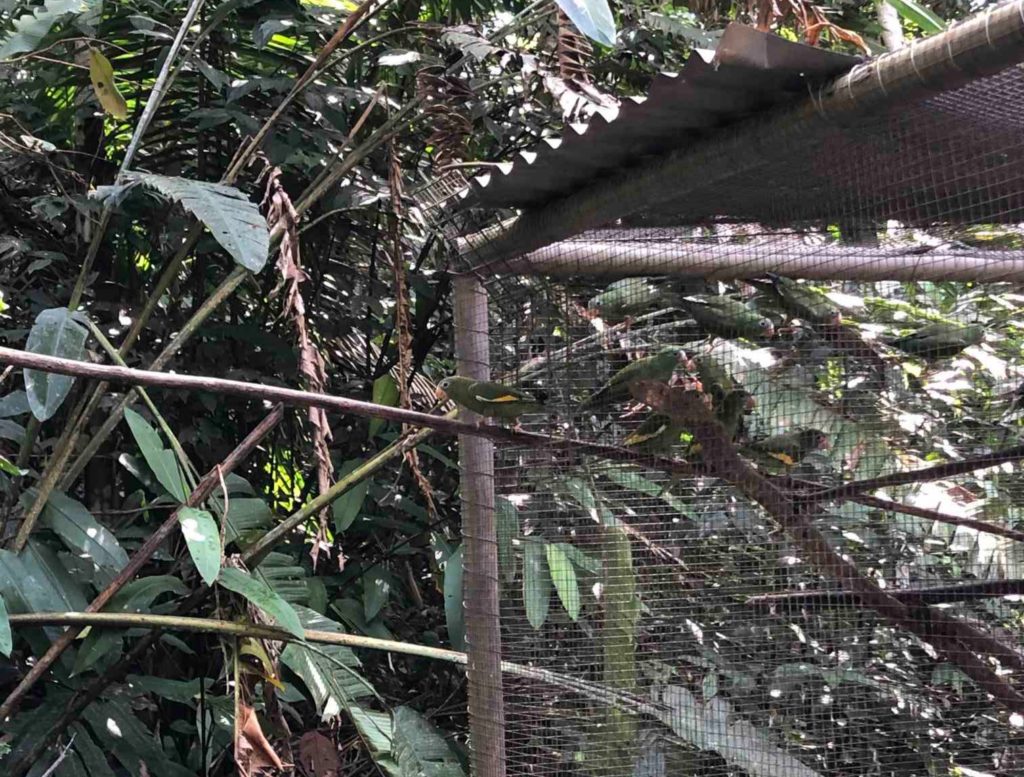
 SUST Animal Orphan Hospital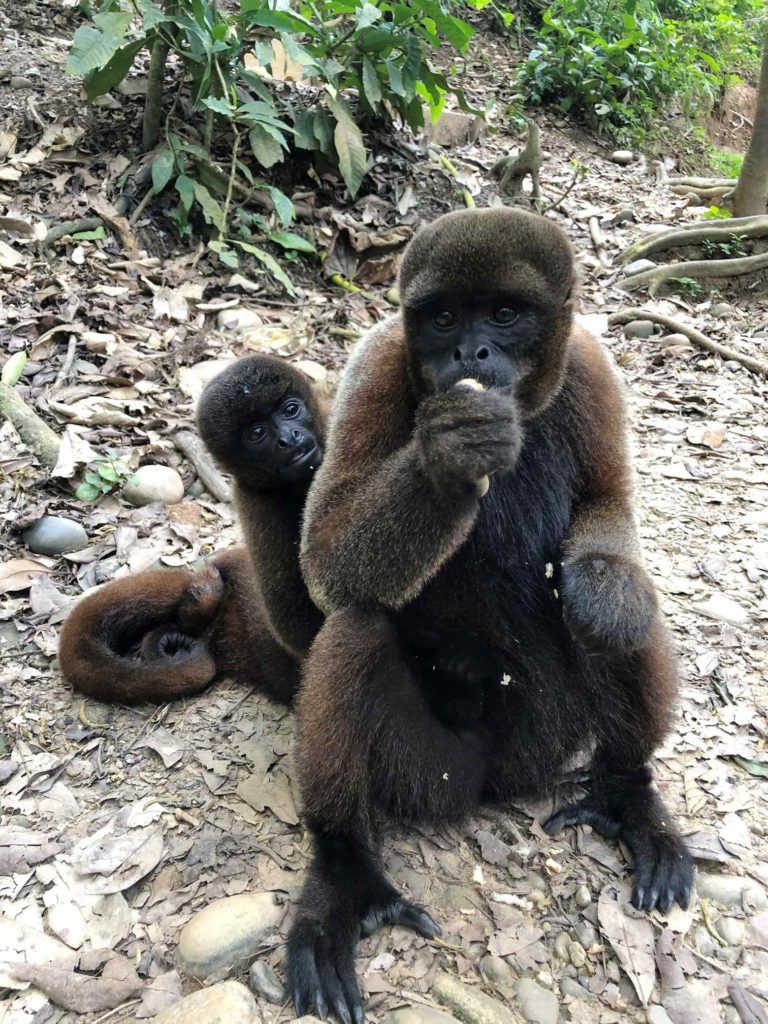
 New arrivals
 Construction and other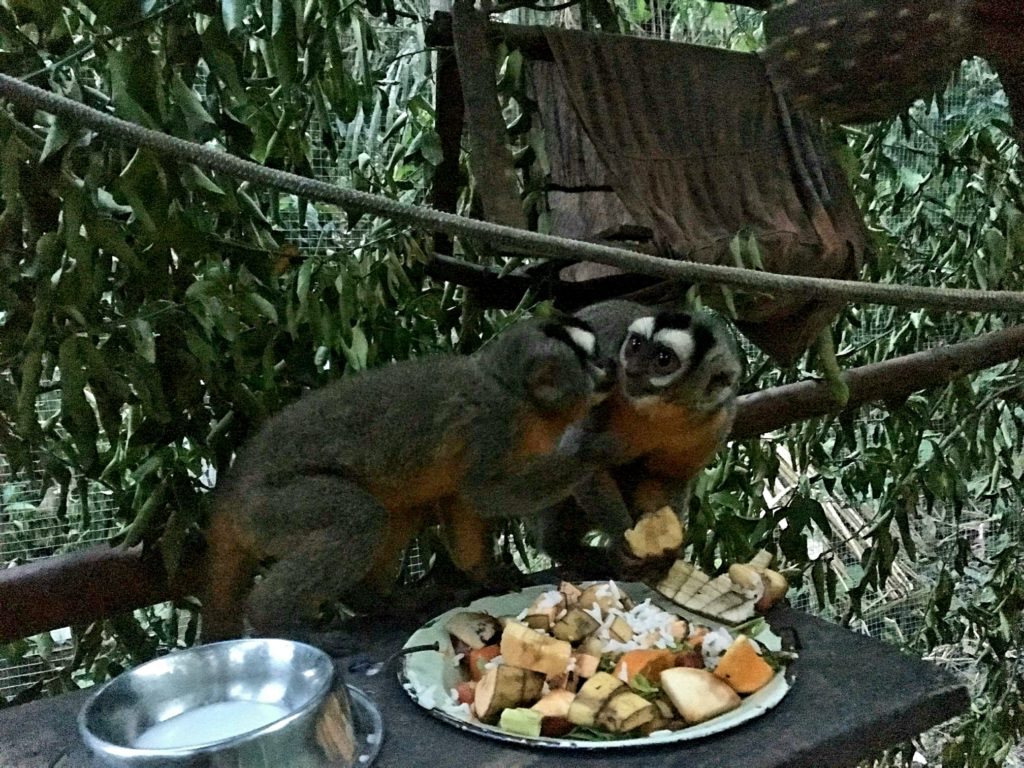
 Volunteers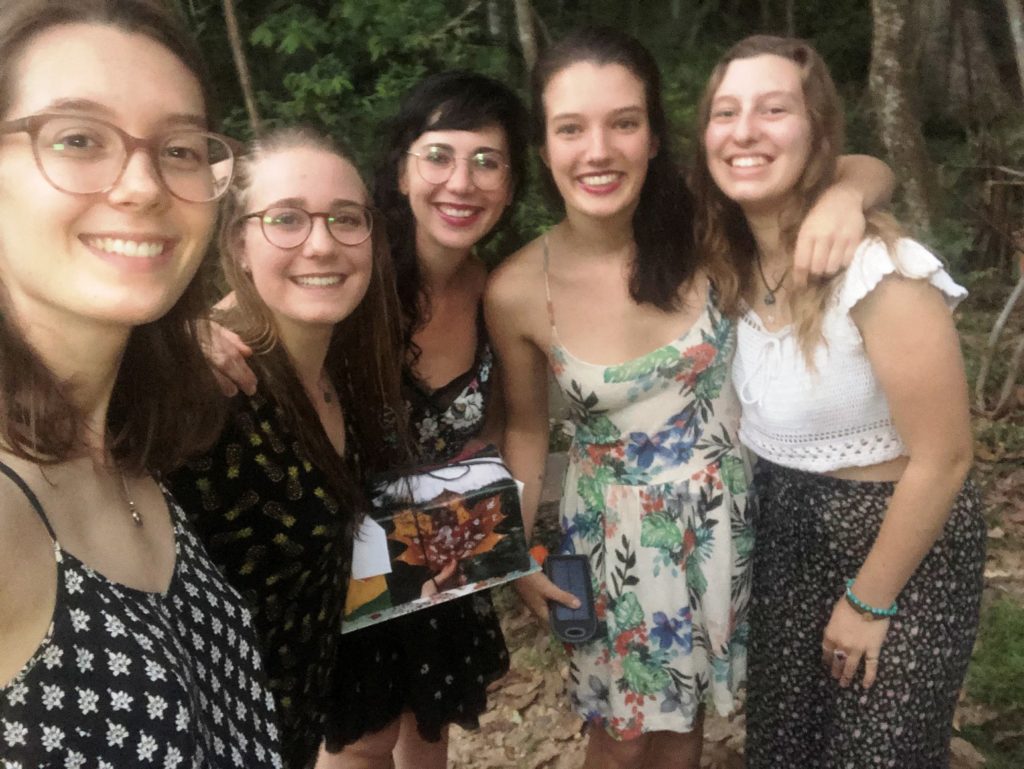
 Monkeys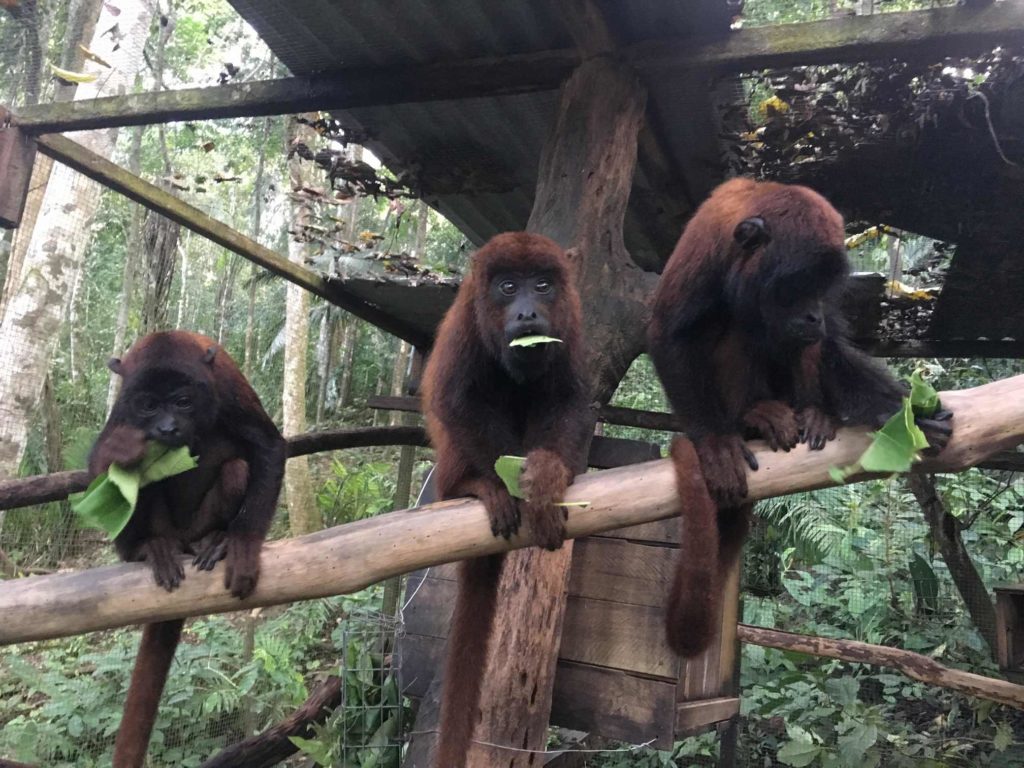
 Other Animals